Table of Contents
ToggleIs Vaping Legal for Minors? Laws, Age Limits & Risks Explained
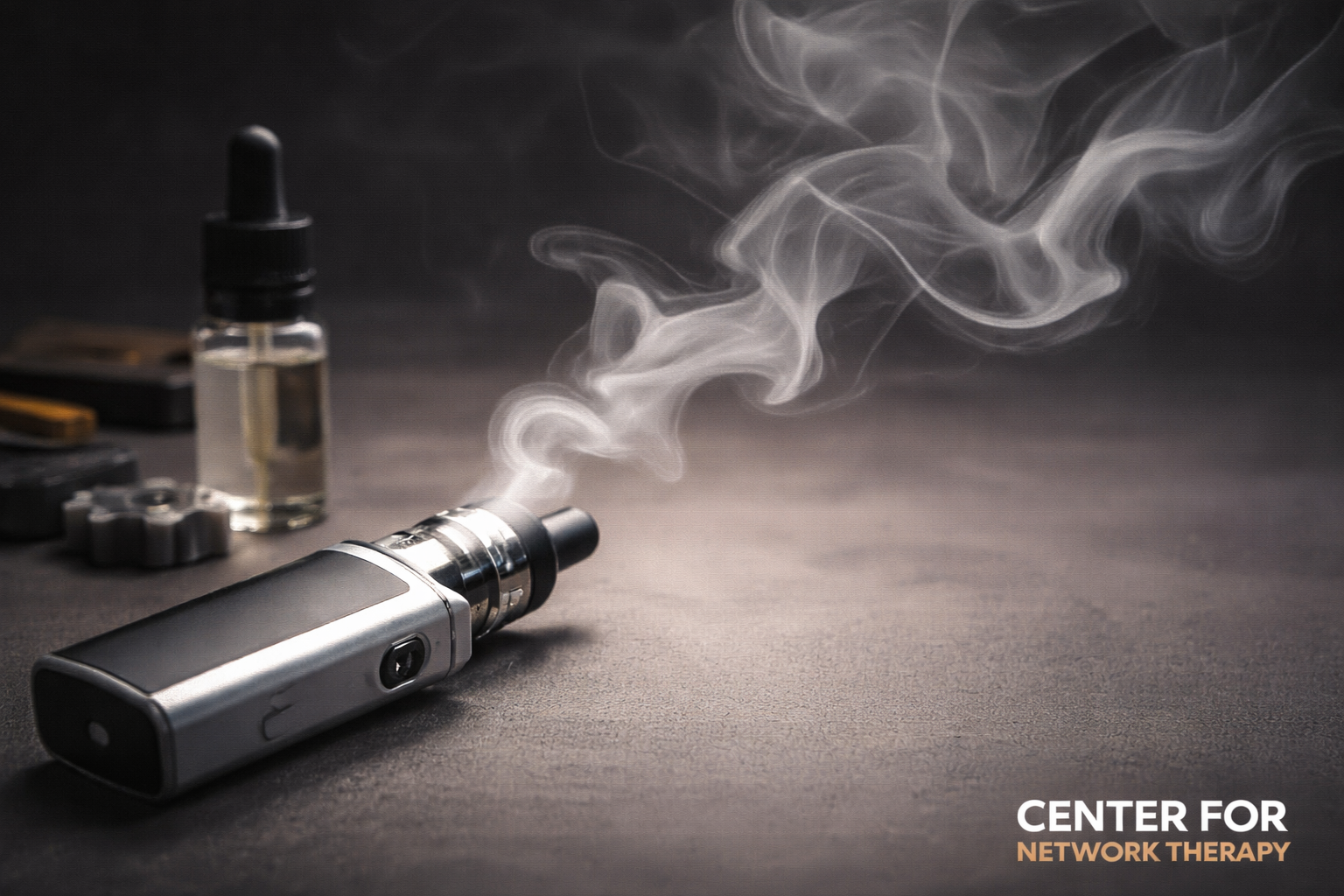
Vaping often looks harmless at first. The devices are small. The flavors feel appealing. It doesn’t carry the same stigma as smoking.
But when you look at the law, things are clear. Vaping is not legal for minors in most cases. You must be 21 or older to legally purchase vaping products in the United States. This includes e-cigarettes, vape pens and e-liquids.
Even with this rule in place, many teens still get access. That’s where the gap between law and reality shows up.
What the Law Actually Says
Federal law classifies vaping products under tobacco regulations. This means retailers cannot legally sell these products to anyone under 21.
Still, laws can vary slightly at the state level. Some states strictly ban both purchase and possession. Others focus only on the sale. This creates confusion, especially when teens assume possession is allowed if purchase is not.
In real life, schools and public institutions usually ban all vaping devices regardless of state rules.
Why Teen Vaping Is Still Common
You might wonder why vaping is still so common among teens despite restrictions.
One reason is how easy it is to hide. Devices are designed to be discreet. Some look like USB drives. Some produce very little visible vapor.
Another reason is social influence. If friends vape, it becomes easier to try it. What starts as curiosity can quickly turn into a habit.
Flavors also play a role. Sweet and fruity options make vaping feel less serious than it actually is.
What About Nicotine-Free Vapes?
This is where things get confusing. Some places allow minors to possess nicotine-free vape devices. Others don’t.
But legality doesn’t equal safety. Even nicotine-free vapes expose your lungs to chemicals and aerosols. These can irritate your respiratory system over time.
So while the label may say “nicotine-free,” it doesn’t mean harmless.
Why These Laws Exist
The main reason behind these restrictions is brain development. Teen brains are still growing. Nicotine can interfere with memory, attention and impulse control.
Even beyond nicotine, vaping introduces substances your body doesn’t need. Over time, repeated exposure can affect both physical and mental health.
There is also a pattern many experts have noticed. Teens who vape are more likely to try nicotine later. Vaping often becomes the starting point.
Can Minors Get in Trouble for Vaping?
Yes, they can. The consequences depend on where you live, but they can include fines, school disciplinary action or confiscation of devices.
Even if possession laws are unclear in some areas, schools usually enforce strict no-vaping policies.
So while the legal side may vary slightly, the practical consequences are very real.
When It Starts Feeling Hard to Stop
Some teens try vaping casually and later realize it’s not easy to quit. Cravings build. It becomes part of daily routine.
That’s when it helps to pause and reflect on your patterns.
If you’re unsure whether it’s turning into something more, you can explore support options here
Take a Confidential Self-Check
If you want clarity without pressure, you can take a quick, private quiz here:
It helps you understand where you stand and what steps might help next.
FAQs
Is vaping illegal for minors?
Yes. Minors cannot legally buy vaping products in most places, and some areas also restrict possession.
What is the legal age to vape?
You must be 21 or older to purchase vaping products in the United States.
Are nicotine-free vapes safe for teens?
No. Even without nicotine, they can still expose your lungs to harmful substances.
Can minors get punished for vaping?
Yes. This can include school action, fines or other penalties depending on local rules.
Why do teens start vaping?
Curiosity, peer pressure and flavored products are common reasons.
Is vaping better than smoking for teens?
Neither is safe. Both can affect your health and lead to long-term habits.
A Thought to Carry Forward
Vaping doesn’t always feel like a big deal in the beginning.
But small habits build quietly. And over time, they shape bigger patterns.
What you choose now matters more than it seems.