Table of Contents
ToggleWho Invented Meth? The Origins and History Explained
Methamphetamine often feels like a modern problem.
But its roots go back more than a century.
To understand how it became what it is today, you need to look at how it started, why it was created, and how its use changed over time.
Where Did Meth Come From?
Meth didn’t appear overnight.
It evolved from earlier stimulant drugs that scientists were experimenting with in the late 1800s.
The first step came in 1887.
A Romanian chemist, Lazar Edeleanu, synthesized amphetamine.
At the time, it wasn’t seen as important.
It took decades before scientists started exploring its real-world use.
Who Invented Methamphetamine?
Methamphetamine itself came later.
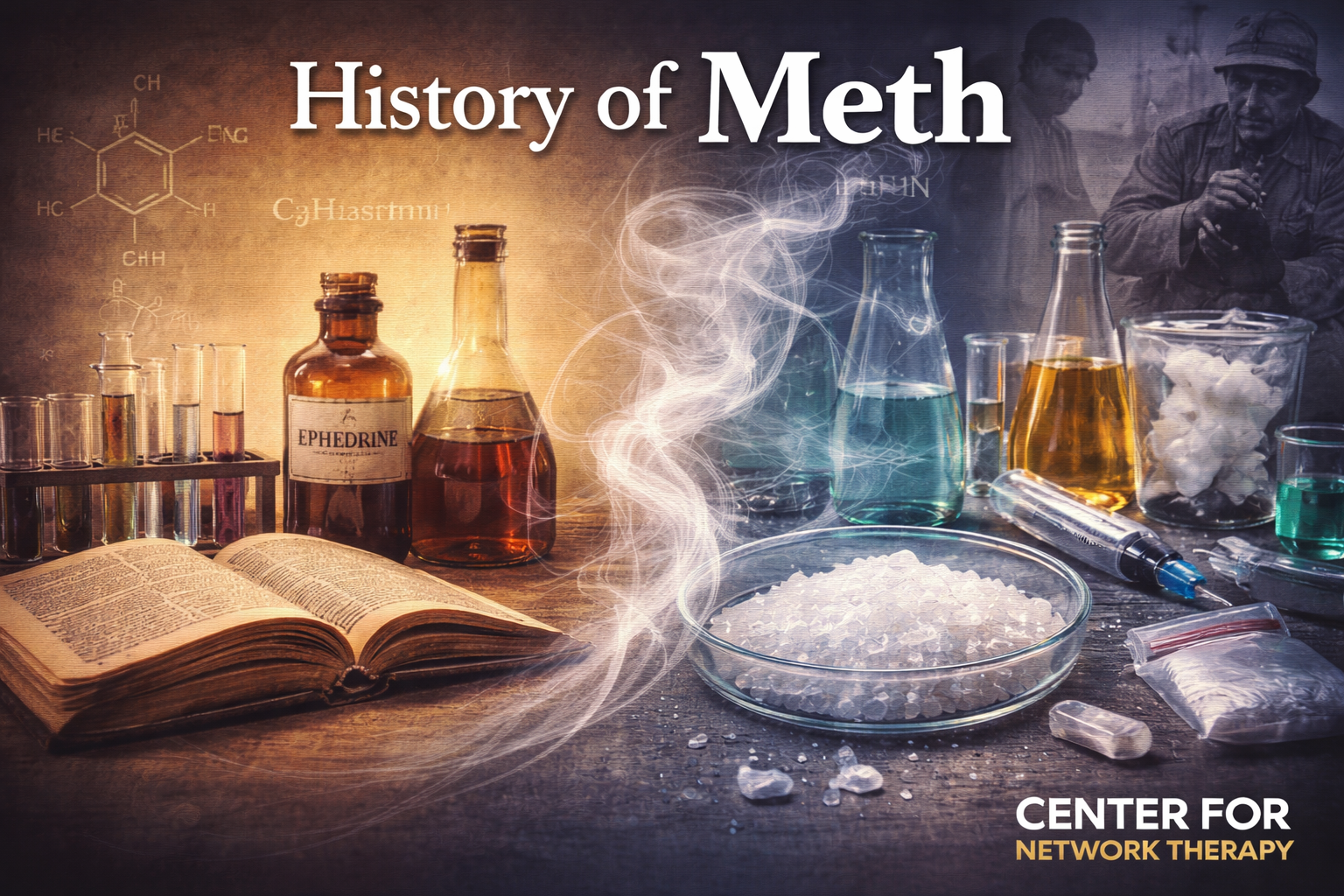
In 1893, a Japanese chemist created methamphetamine from ephedrine.
This was a stronger and more refined version of amphetamine.
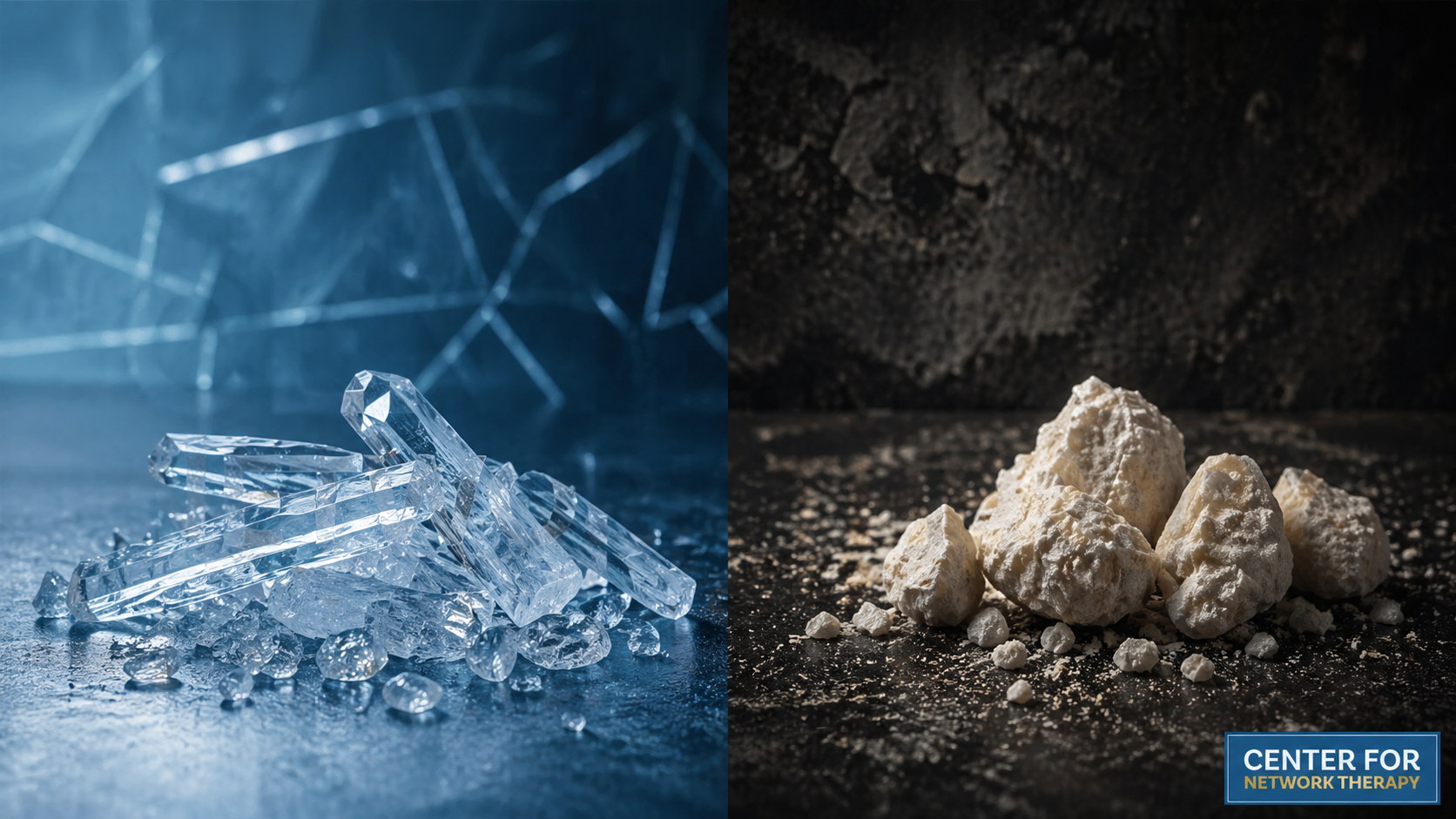
Then in 1919, another Japanese chemist, Akira Ogata, developed a method to produce it in crystal form.
That method made the drug easier to manufacture and more potent.
It also laid the foundation for what we now know as crystal meth.
Early Medical Use of Meth
Before misuse became widespread, meth had legitimate uses.
In the 1920s and 1930s, scientists began testing amphetamines for medical purposes.
Doctors prescribed them for:
-
Narcolepsy
-
Depression
-
Fatigue
-
Breathing issues
A brand called Benzedrine became popular during this time.
At this stage, the risks were not fully understood.
The focus was on energy, alertness, and mood improvement.
Meth in World War II
Meth use expanded rapidly during World War II.
Military forces used it to keep soldiers awake and alert.
German troops were given meth tablets called Pervitin.
Pilots and soldiers used it during long missions.
Japanese factory workers also used stimulants to work longer hours.
On the surface, it seemed useful.
But the side effects began to show quickly.
Dependence, exhaustion, and mental health issues became common.
What Happened After the War
After WWII, meth didn’t disappear.
Instead, it spread into civilian life.
In the 1950s and 60s, amphetamines became popular among:
-
Students
-
Truck drivers
-
Athletes
-
Subcultures like biker groups
People used them for energy, weight loss, and performance.
Over time, the negative effects became harder to ignore.
These included:
-
Paranoia
-
Heart issues
-
Aggressive behavior
-
Hallucinations
When Did Meth Become Illegal?
Regulation came slowly.
In 1959, stricter rules required prescriptions for amphetamines.
By the 1980s and 1990s, governments began targeting the chemicals used to make meth.
This included drugs like ephedrine.
Today, methamphetamine is classified as a Schedule II controlled substance.
That means it has medical uses but a high risk of dependence.
Why Meth Became More Dangerous Over Time
Modern meth is not the same as early versions. It is stronger. It is purer.
It is more addictive.
Illegal labs began using industrial chemicals to produce it in large amounts.
This shift made the drug more accessible and more harmful.
Overdose rates and health complications increased as a result.
Understanding the Present-Day Impact
Meth use still affects many lives today.
While overall usage rates may seem small, the consequences are severe.
These include:
-
High risk of dependence
-
Long-term brain changes
-
Increased overdose deaths
If meth use is part of a broader substance struggle, support and structured care can make a real difference.
You can explore related treatment approaches here
Confidential Self-Check
Not sure if substance use is becoming a concern?
A short, private self-assessment can help you reflect on your patterns and next steps.
Take the confidential quiz here
FAQs
Who first invented meth?
Meth traces back to amphetamine, first created in 1887. Methamphetamine itself was developed in the 1890s and later refined into crystal form in 1919.
Was meth originally used for medical purposes?
Yes. Early versions were prescribed for conditions like fatigue, depression, and narcolepsy before risks became clear.
Why was meth used in World War II?
It helped soldiers stay awake and alert during long missions. Over time, its negative effects became evident.
When did meth become illegal?
Restrictions began in the mid-1900s. By the late 20th century, strict laws regulated both the drug and its ingredients.
Why is modern meth more dangerous?
Today’s meth is more potent and often produced with harmful chemicals, increasing the risk of dependence and health damage.