Table of Contents
ToggleLevels of Anxiety: Mild, Moderate, Severe & Panic Explained
Anxiety is something almost everyone experiences at some point. It can show up before a big decision, during stress or in unfamiliar situations.
In small amounts, anxiety can actually help you stay alert and focused. But when it becomes frequent or intense, it starts affecting how you think, feel and function.
Anxiety doesn’t look the same for everyone. It exists on a spectrum. Some people experience mild uneasiness, while others deal with overwhelming panic that disrupts daily life.
Understanding the different levels of anxiety helps you recognize where you stand and what kind of support might help.
What Determines Anxiety Levels
Anxiety levels are usually defined by two things. The intensity of symptoms and how much they interfere with your daily life.
Your personality, past experiences and coping style all play a role. Two people can face the same situation and respond very differently.
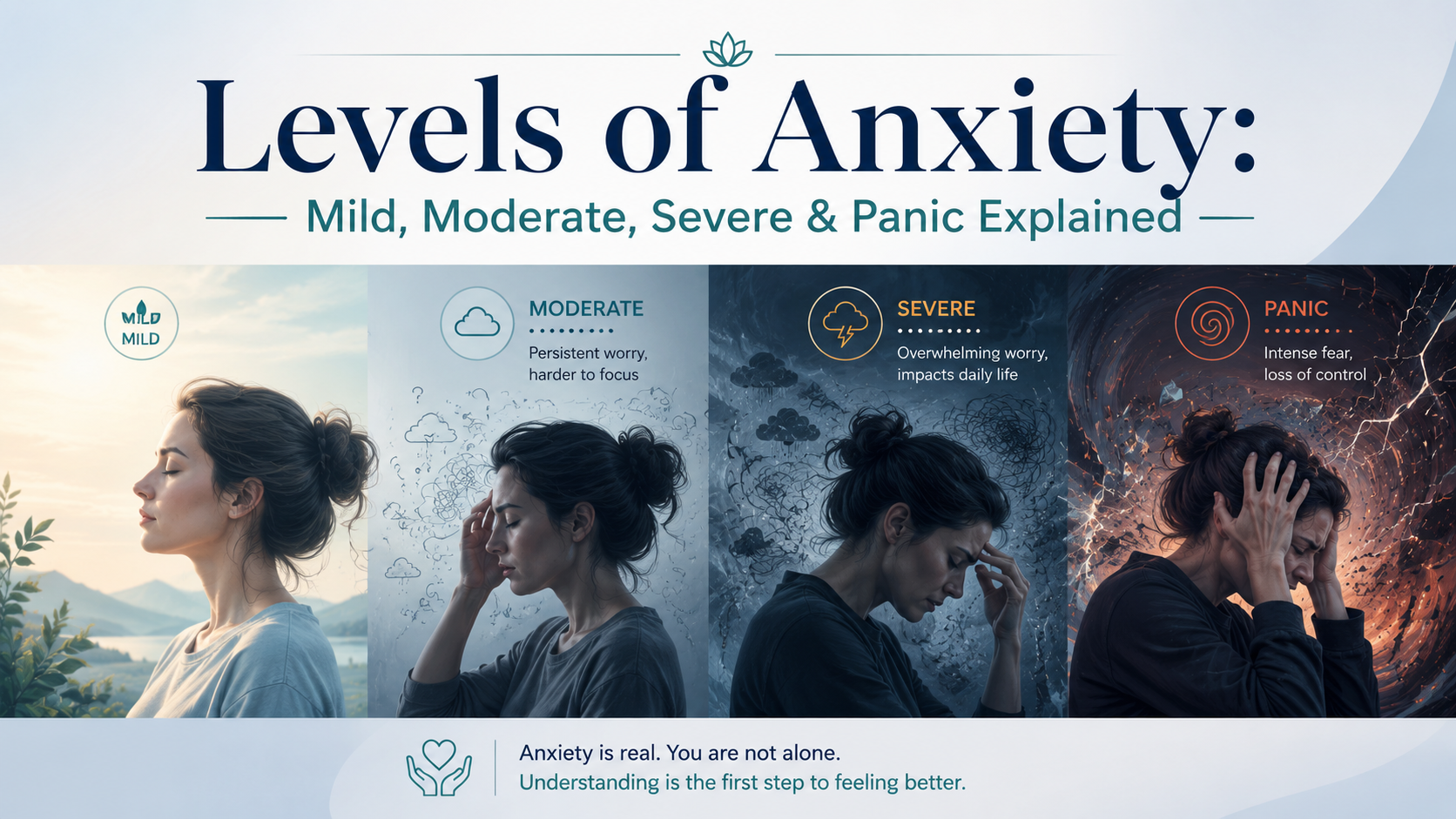
In most cases, anxiety is grouped into four levels. Mild, moderate, severe and panic-level anxiety.
Mild Anxiety
Mild anxiety is often easy to overlook. It may feel like occasional worry, nervousness or social discomfort.
You might feel slightly tense before a meeting or overthink small decisions. These feelings usually pass and don’t stop you from going about your day.
Even though it seems manageable, mild anxiety can still affect your mood and focus over time. If ignored, it can slowly build into stronger patterns.
Moderate Anxiety
Moderate anxiety feels more persistent. The worry shows up more often and is harder to control.
You may feel restless, on edge or mentally tired. Relaxing becomes difficult, even when there is no clear reason to feel stressed.
At this level, daily life continues, but it takes more effort. Work, relationships and sleep may start to feel slightly affected.
Many people at this stage benefit from simple strategies like therapy, routine changes or guided support.
Severe Anxiety
Severe anxiety starts to interfere with everyday functioning. It is not just occasional worry anymore. It feels constant and intense.
You may experience a racing heart, tightness in your chest or a sense of fear that doesn’t go away. Concentration becomes difficult, and avoiding situations becomes more common.
At this stage, anxiety can affect work, relationships and overall quality of life. Some people may withdraw socially or struggle to complete regular tasks.
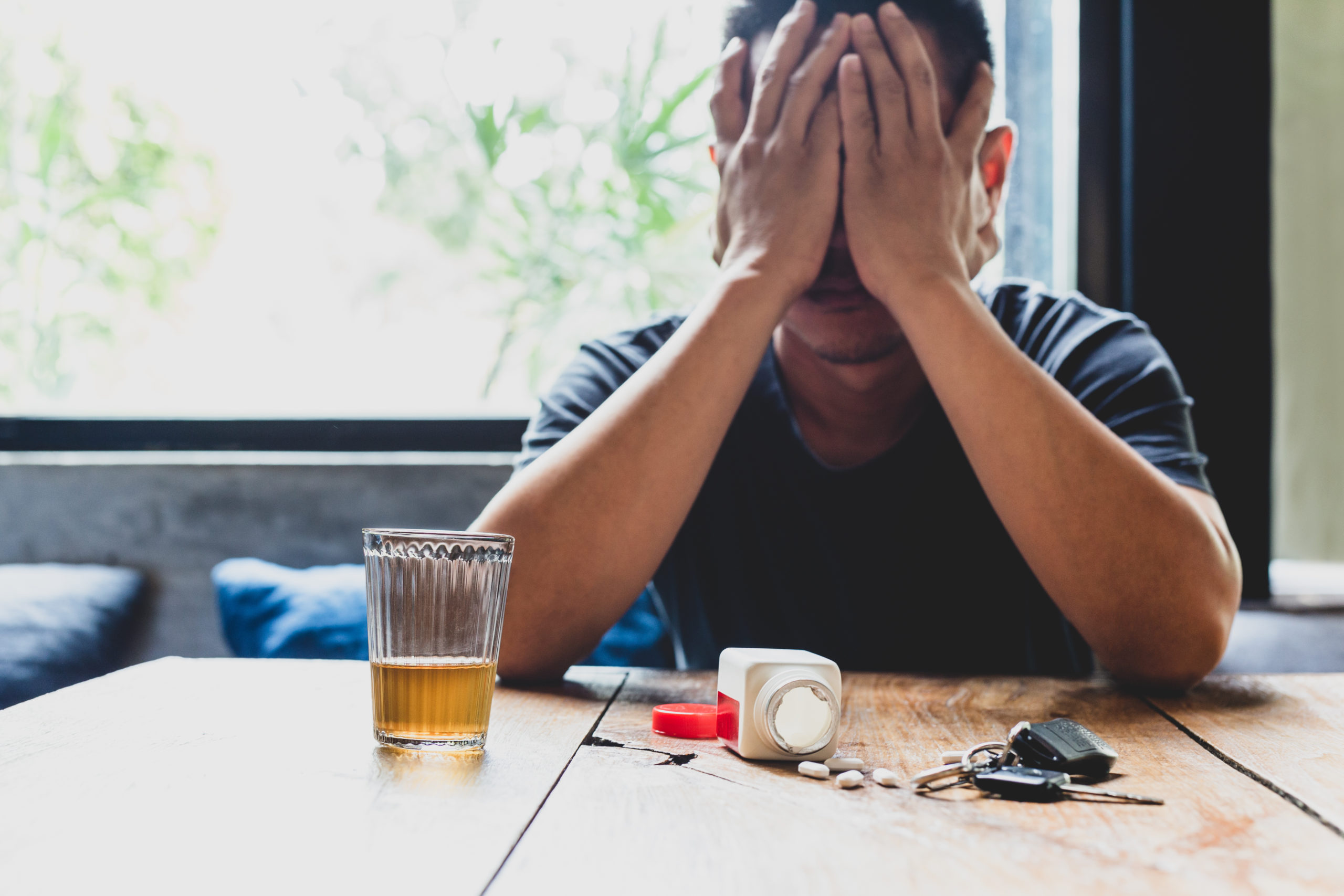
In some cases, people turn to unhealthy coping methods like alcohol or substance use to manage these feelings. This can create additional challenges over time.
Panic-Level Anxiety
Panic-level anxiety is the most intense form. It often shows up as sudden panic attacks.
A panic attack can feel overwhelming and immediate. Your heart may race. Breathing becomes fast or shallow. You may feel dizzy or disconnected.
Some people describe it as a fear of losing control or something going terribly wrong. Even though these episodes are temporary, they can feel very real in the moment.
Panic attacks usually last for a short duration, but the fear of having another one can stay longer.
How Anxiety Affects Daily Life
The impact of anxiety depends on its level.
Mild anxiety may only affect certain situations. Moderate anxiety starts to influence daily routines. Severe and panic-level anxiety can disrupt basic functioning.
Over time, untreated anxiety can limit how you move through life. It may affect decisions, relationships and confidence.
Ways to Manage Anxiety
The approach to managing anxiety depends on its intensity.
Mild anxiety often responds well to lifestyle changes. Regular movement, structured routines and relaxation techniques can help.
Moderate anxiety may benefit from therapy or guided coping strategies. Talking through patterns helps you understand triggers and responses.
Severe or panic-level anxiety often needs a combination of support. This can include therapy, structured treatment plans and sometimes medication.
The goal is not to eliminate anxiety completely. It is to learn how to manage it so it doesn’t control your life.
When to Seek Support
If anxiety starts affecting your sleep, focus or relationships, it is worth paying attention.
You don’t need to wait for it to become severe. Early support often makes the biggest difference.
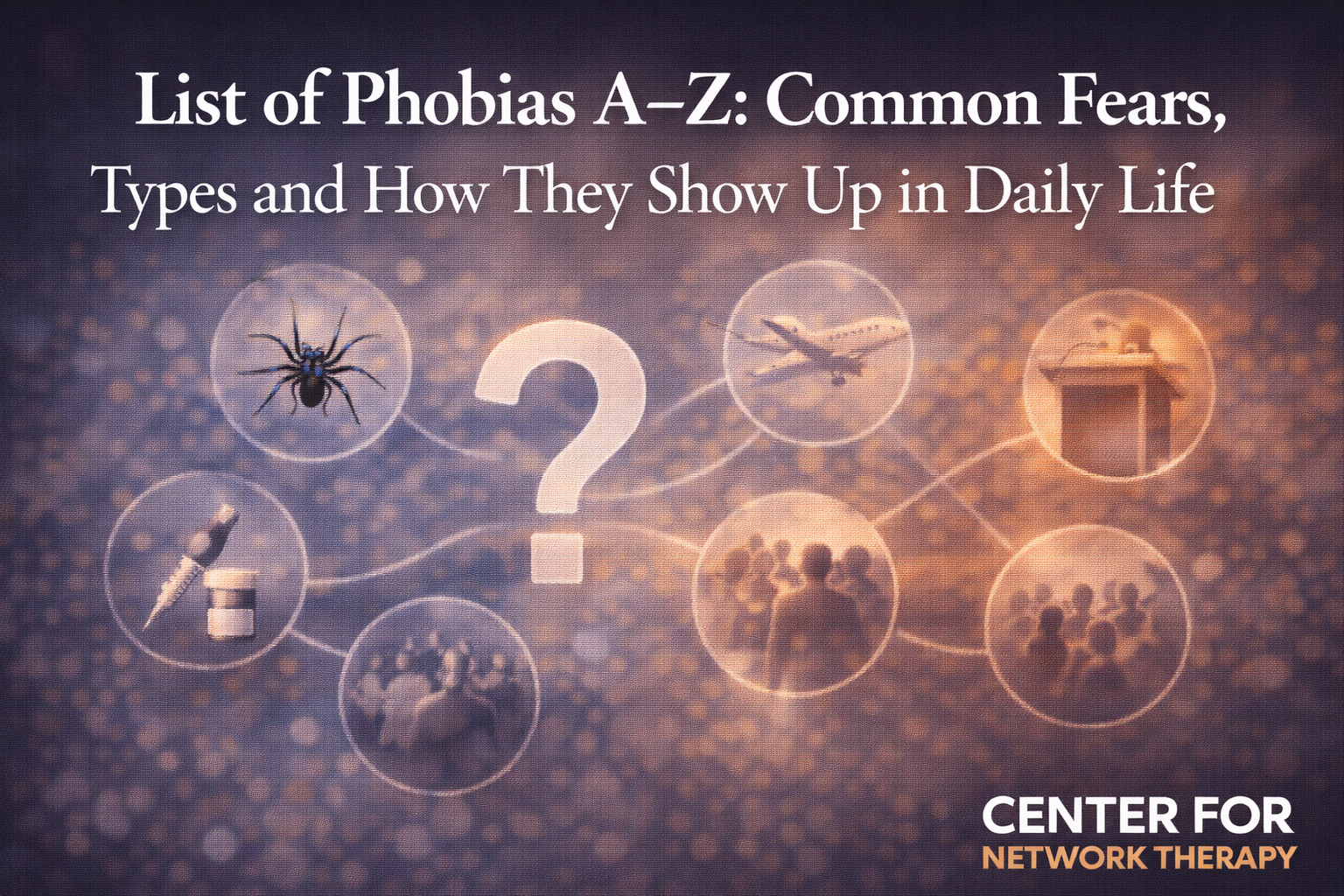
If your anxiety is connected to specific fears or avoidance patterns, you can explore more here
Take a Confidential Self-Check
If you are unsure where your anxiety stands, a quick self-check can help you reflect.
Take a confidential and private assessment here
It can give you clarity on your patterns and next steps.
FAQs
What are the different levels of anxiety?
Anxiety is usually categorized into mild, moderate, severe and panic-level anxiety based on intensity and impact.
Can mild anxiety become severe?
Yes. If left unaddressed, mild anxiety can gradually increase in intensity over time.
What does moderate anxiety feel like?
It often includes frequent worry, restlessness and difficulty relaxing, but daily functioning is still possible.
How do I know if my anxiety is severe?
If it interferes with work, relationships or daily tasks consistently, it may fall into the severe category.
What is panic-level anxiety?
It involves sudden panic attacks with intense physical and emotional symptoms.
Can anxiety be managed without medication?
Yes. Many people manage mild to moderate anxiety through therapy, lifestyle changes and coping strategies.
A Thought to Carry Forward
Anxiety is not just one feeling. It shifts in intensity and form.
The key is noticing where you are right now.
Because the sooner you understand it, the easier it becomes to manage.