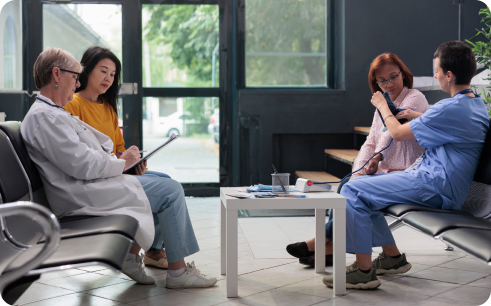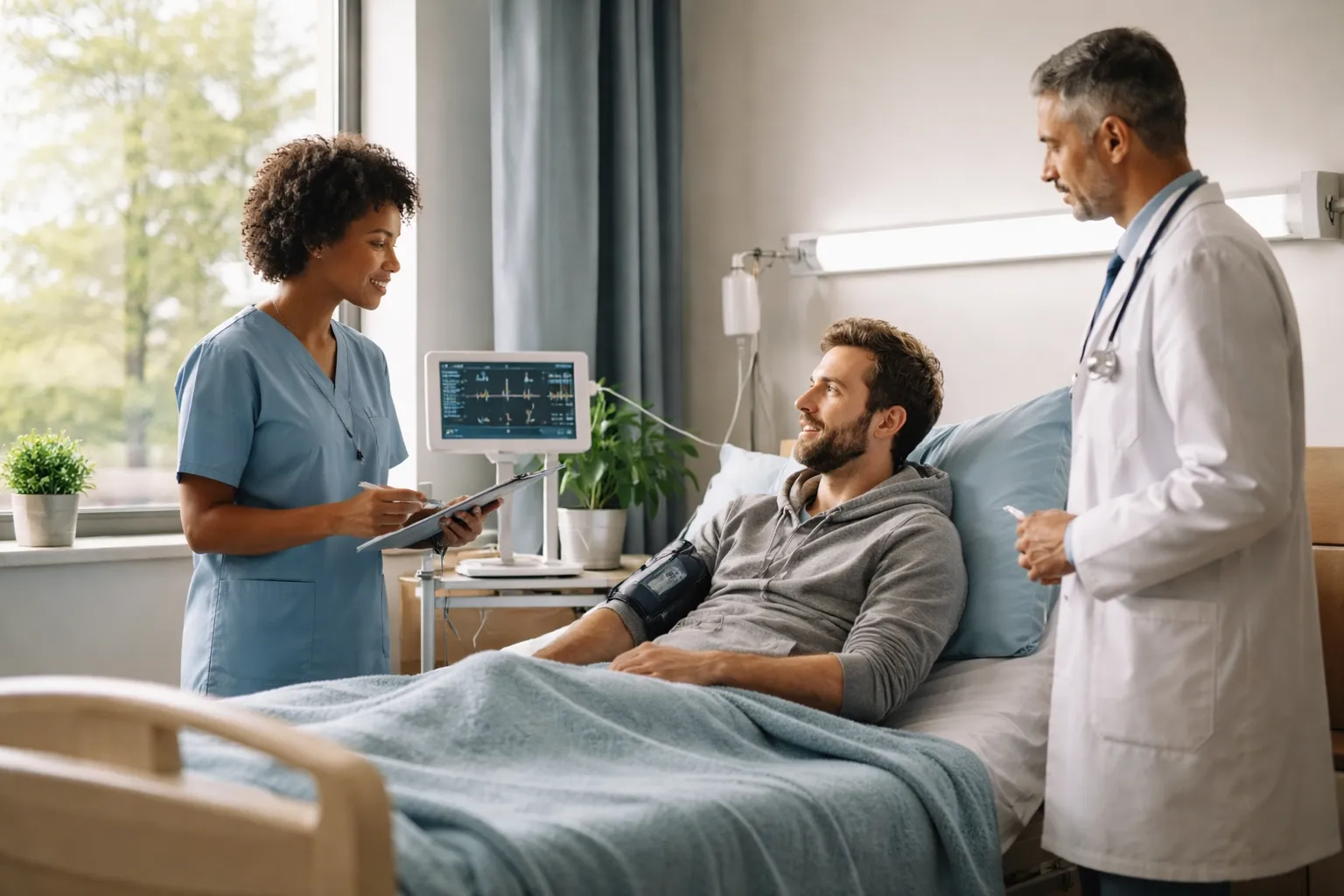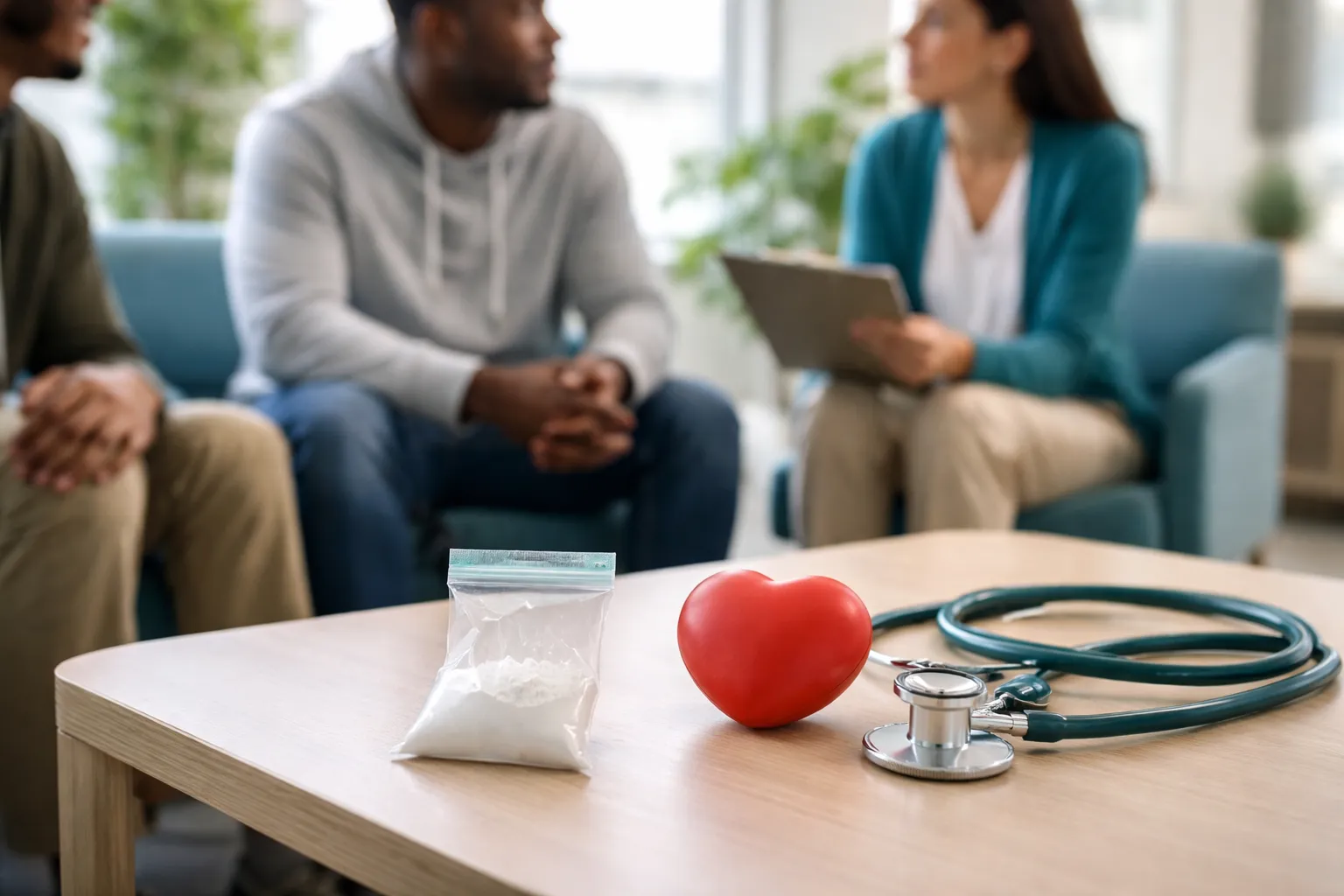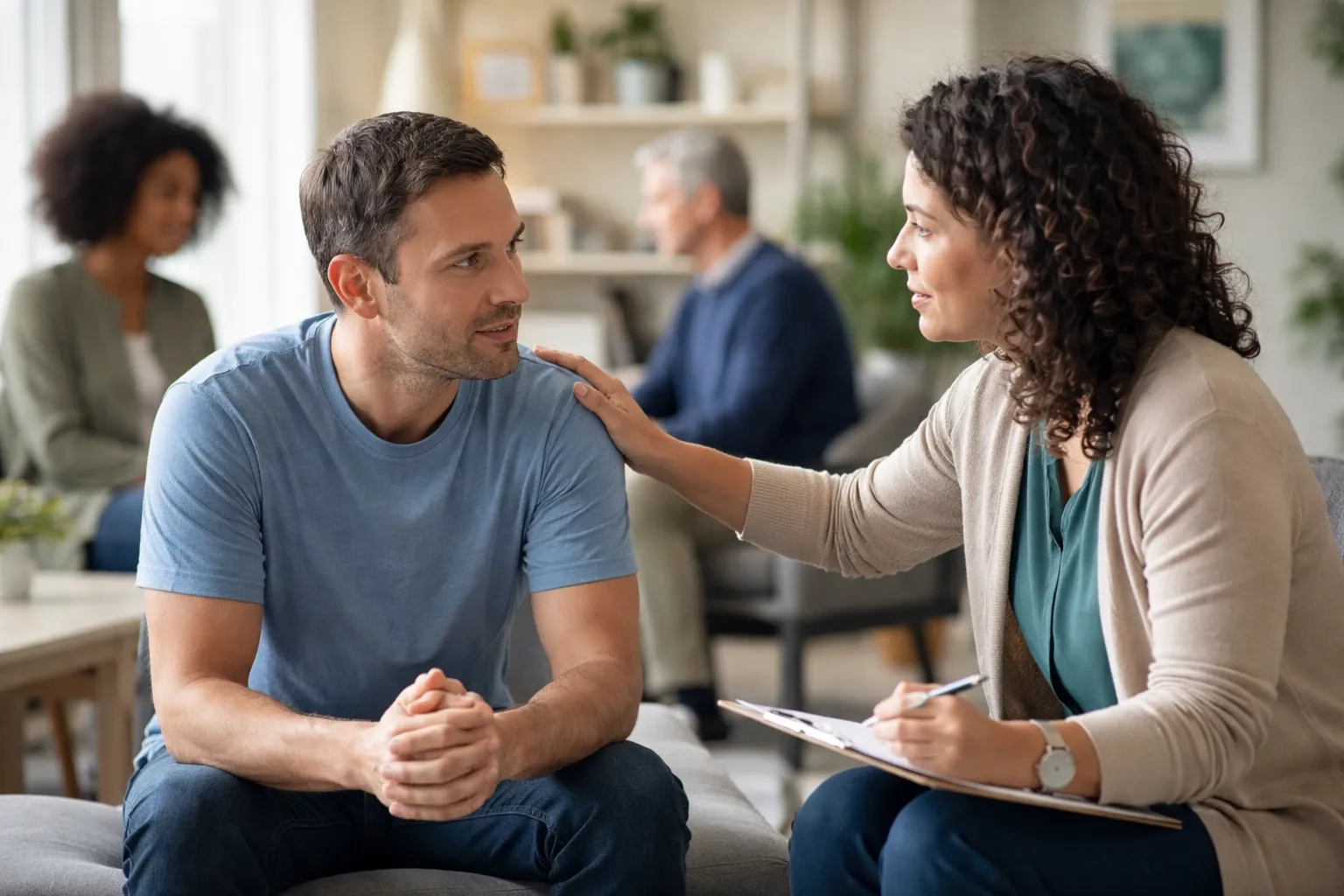
Recovery is rarely one size fits all. People leaving active substance use may need stable, substance-free housing, clinical therapy, medication, or some combination of these supports. This article explains the roles of recovery housing and outpatient treatment, how they differ, when they are used together, and what to look for when making a plan with a clinician.
Table of Contents
ToggleWhat each option is, in plain terms
What is recovery housing?
Recovery housing generally refers to shared, substance-free living environments that provide peer support, structure, and a safe place to live while people work on recovery goals. Models range from peer-run homes, such as Oxford Houses, to residences with staff and organized programming. Recovery housing is not the same as licensed clinical treatment, and many programs do not provide on-site clinical care. For best practices and program standards, see the federal guidance on recovery housing.
SAMHSA, Best Practices for Recovery Housing
What is outpatient treatment?
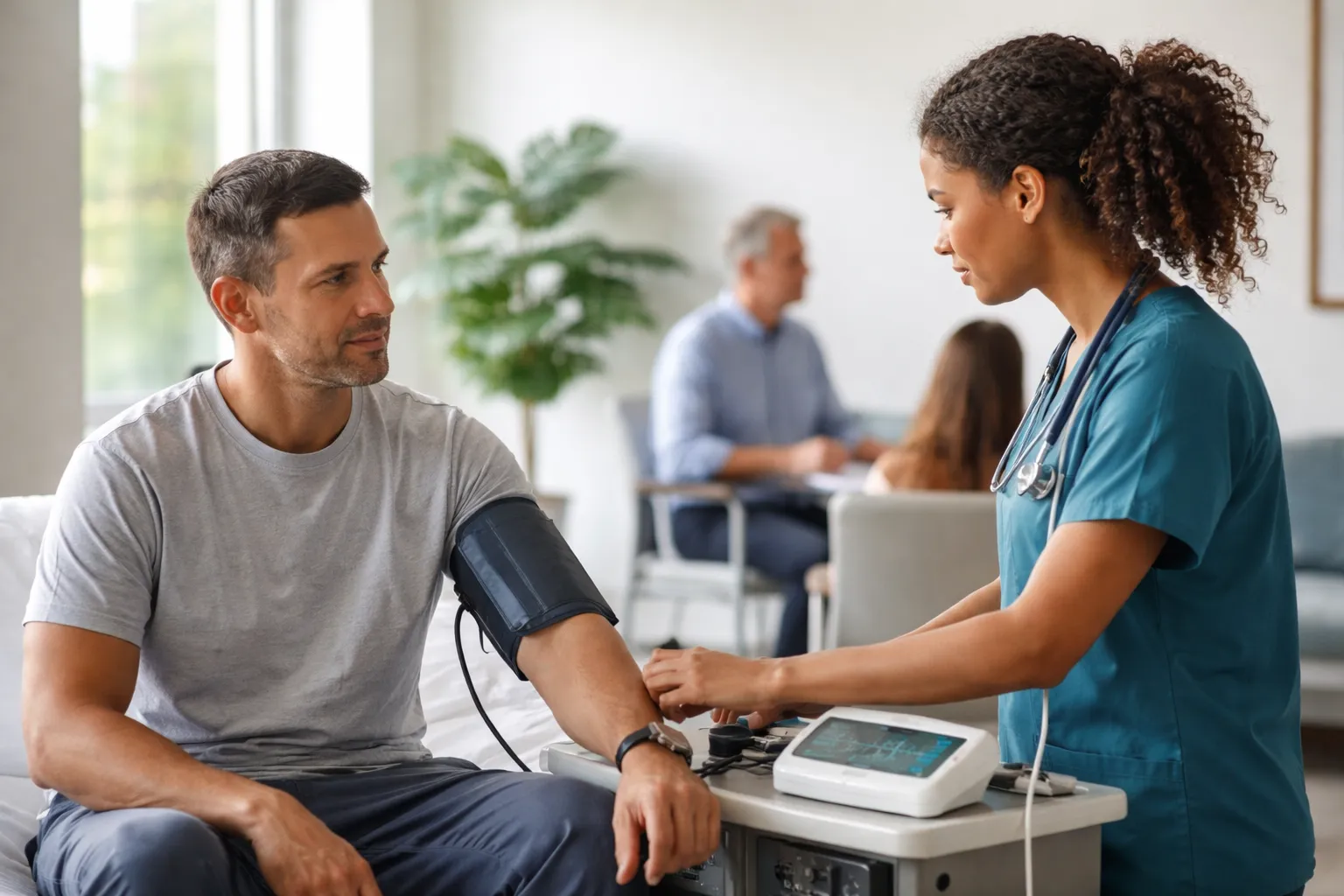
Outpatient treatment refers to organized clinical services provided without overnight stays. Outpatient programs vary in intensity, from weekly counseling and case management to intensive outpatient programs (IOP) with multiple hours of group and individual care per week. Outpatient care can include behavioral therapies, counseling, case management, and medications for substance use disorders when clinically indicated. More detail on levels of care is available from national treatment resources.
NIAAA/NIDA, Types and levels of treatment
How recovery housing and outpatient treatment differ
Below is a concise comparison to help you see the main differences and common ways the two approaches are used together.
| Feature | Recovery housing | Outpatient treatment |
|---|---|---|
| Main purpose | Stable, substance-free living with peer support and structure | Clinical care: therapy, counseling, medication management, case management |
| Setting | Shared residence, usually communal living | Clinic, community center, or telehealth visits, regular appointments |
| Clinical services | Usually non-clinical supports; clinical services may be off-site | Direct clinical services provided by licensed clinicians and medical staff |
| Cost and payment | Often lower cost than residential treatment, funding and rules vary by program and state | Covered by insurance in many cases when provided by licensed programs; details depend on plan and state |
| Typical role in care | Supports stabilization and housing while a person attends outpatient care or returns to the community after higher level care | Treats the disorder directly, including medications for opioid use disorder (MOUD) when indicated |
What the research and guidance say
Systematic reviews and studies indicate recovery housing is associated with improved substance use and social outcomes for many residents, though study designs and models vary and more research is needed to define which features predict success. Recovery housing often works best when it is part of a broader continuum that includes access to clinical treatment when needed.
Systematic review of recovery housing
Clinical practice guidelines emphasize that medications improve outcomes for opioid use disorder and that medication decisions should be made by trained clinicians as part of a treatment plan. Outpatient programs can deliver medication with medical oversight, while some recovery residences support residents who are receiving medication off-site.
ASAM guideline summary on medications for opioid use disorder (SAMHSA)
When recovery housing may be helpful
- After inpatient or residential treatment, to provide a lower-intensity transitional setting.
- When a person’s home environment is unsafe or includes ongoing substance use.
- When peer support, routine, and housing stability are priorities for early recovery.
- When a person can attend off-site clinical care, including outpatient therapy or medication management.
State programs in New Jersey have used Recovery Housing Program funds to expand transitional sober housing options; these residences typically provide non-clinical recovery support while clinical services remain available in the community.
New Jersey Department of Community Affairs, Recovery Housing Program
When outpatient treatment is the right choice
- When a person needs regular clinical therapy, psychiatric care, or medication management but can safely live at home or in community housing.
- When monitoring and scheduled, evidence-based interventions are the main priorities.
- For many people with stable housing, outpatient programs provide effective care without changing living arrangements.
If a person needs monitoring for severe withdrawal, acute medical complications, or high-risk psychiatric symptoms, outpatient care alone may not be safe. In those cases, medical detoxification or inpatient care is often necessary.
NIDA/SAMHSA guidance on detoxification and treatment settings
Safety and special situations
Certain clinical situations require urgent or specialized care, not recovery housing alone. These include severe alcohol withdrawal with risk of seizures, uncontrolled psychosis, severe opioid or benzodiazepine dependence needing medically managed withdrawal, pregnancy, adolescents, and recent overdose. Medication decisions, especially in pregnancy, require coordination with obstetric and addiction specialists. For guidance on opioid use disorder during pregnancy see the CDC summary.
CDC: Treatment of opioid use disorder before, during, and after pregnancy
Safety callout
If someone is experiencing a medical emergency such as seizure, respiratory depression, or severe overdose, call 911 immediately. If someone is having a mental health or suicide crisis, call or text 988 for 24/7 crisis support. Placement decisions, including whether a person needs inpatient care or medical detox, must be made by a qualified clinician after assessment.
How clinicians and families decide: practical factors
Decisions are individualized, but clinicians commonly consider:
- Medical risk and current withdrawal severity.
- Presence of co-occurring mental health conditions or medical illnesses.
- Current housing safety and stability.
- Access to outpatient treatment and to medications when indicated.
- Motivation, supports, employment, and legal requirements.
Because each situation differs, placement and medication decisions require a formal assessment by an addiction-trained clinician, primary care provider, or behavioral health specialist.
Practical tips for choosing a recovery residence or outpatient program
- Ask whether the residence follows state rules or recognized standards, what supports are available, and whether clinical care is available off-site.
- Confirm whether the outpatient program offers medication if needed, and who provides medication management.
- Ask about policies on privacy, visitor rules, length of stay, and expectations for participation in recovery activities.
- Check whether programs accept your insurance, Medicaid, or have sliding fee options, and ask about any fees before admission.
Frequently asked questions
Can I live in recovery housing and attend outpatient treatment?
Yes. Many people use recovery housing for stable, substance-free living while attending outpatient therapy and medication management off-site. Successful coordination between the residence and clinical providers is important.
Is recovery housing the same as treatment?
No. Recovery housing primarily provides safe housing and peer supports. Clinical treatment, including therapy and medication management, is provided by licensed programs and clinicians, typically in outpatient or inpatient settings.
Will Medicaid or insurance pay for recovery housing?
Policies vary by state, program, and insurer. Clinical services delivered by licensed outpatient providers are often covered by insurance; funding for recovery housing can come from a mix of public grants, charitable funds, and resident fees. Check directly with the program and your insurer.
Next steps for patients and families in New Jersey
If you are planning care, the safest approach is a clinical assessment that reviews medical history, current use, withdrawal risk, mental health, and housing needs. For information about clinical services, see available treatment options and local locations.
Find treatment options: CNT Recovery treatments. See locations: CNT Recovery locations. To discuss confidentially, contact admissions: CNT Recovery contact page.
Sources and further reading
- SAMHSA, Best Practices for Recovery Housing
- Systematic review: Recovery housing for substance use disorder
- NIDA/SAMHSA quick guide: Detoxification and substance abuse treatment
- ASAM/SAMHSA: Use of medications in treatment of opioid addiction
- New Jersey Department of Community Affairs, Recovery Housing Program report
- CDC: Treatment of opioid use disorder before, during, and after pregnancy
This article provides general information and educational guidance only. It is not medical advice. Placement and medication decisions require individualized assessment by a qualified clinician. If you need immediate help for a medical emergency, call 911. For a mental health or suicide crisis, call or text 988. To discuss options confidentially with our admissions team or to request a confidential assessment, please contact us via our admissions page.