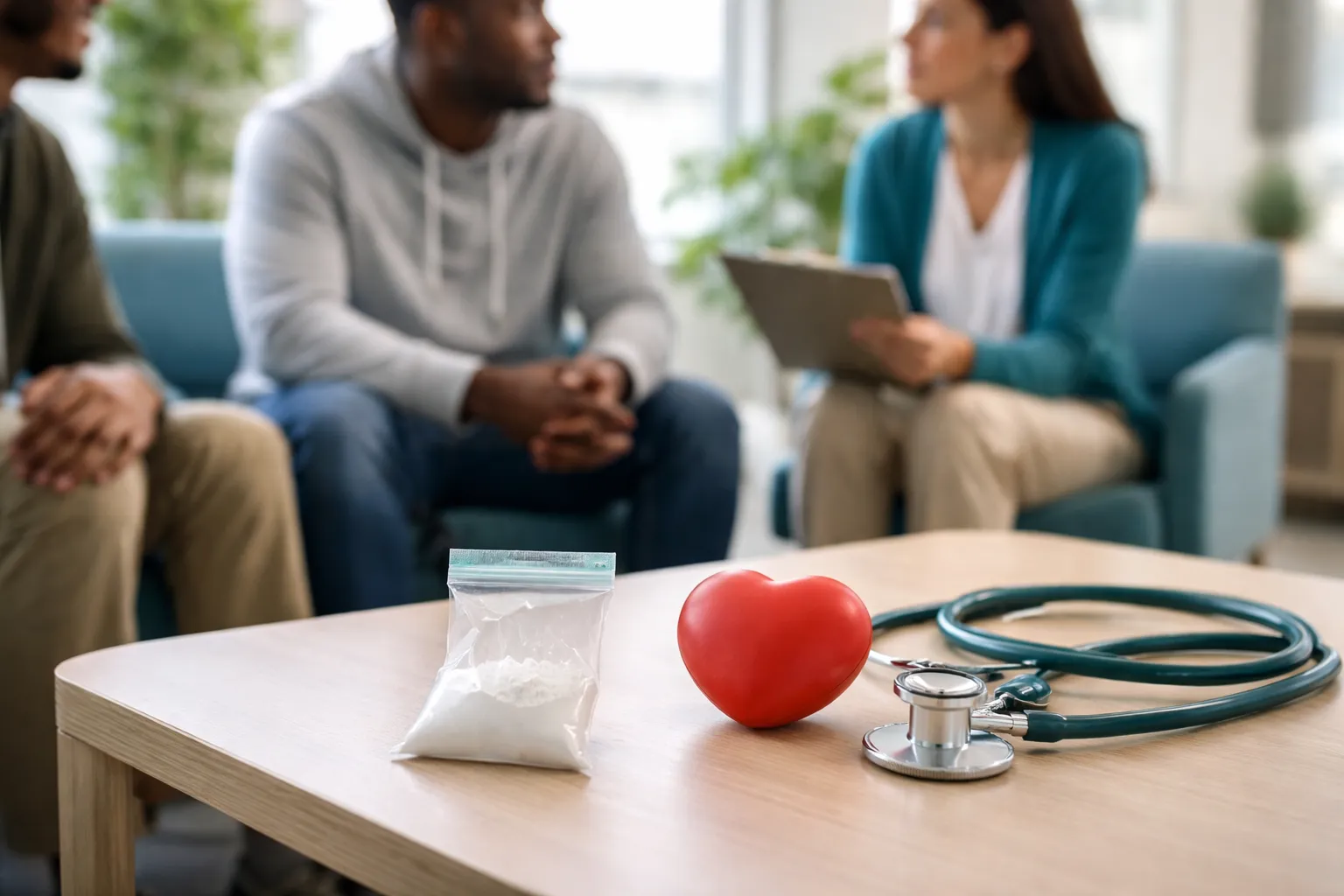
Many people who come for detox are using more than one drug or alcohol. When several substances interact in the body, withdrawal risks, medication choices, and safe placement decisions change. A careful, documented clinical assessment is the central step that keeps people safer during polysubstance detox in New Jersey and helps clinicians choose the right plan for ongoing care.
Table of Contents
ToggleWhat we mean by polysubstance use
Polysubstance use refers to use of two or more substances within a short time period or together, intentionally or unintentionally. Examples include using alcohol with benzodiazepines, opioids with stimulants, or taking a prescription sedative and also using illicit fentanyl. Polysubstance patterns are common in the United States, and many overdose deaths now involve more than one drug. (cdc.gov)
Why a complete clinical assessment matters
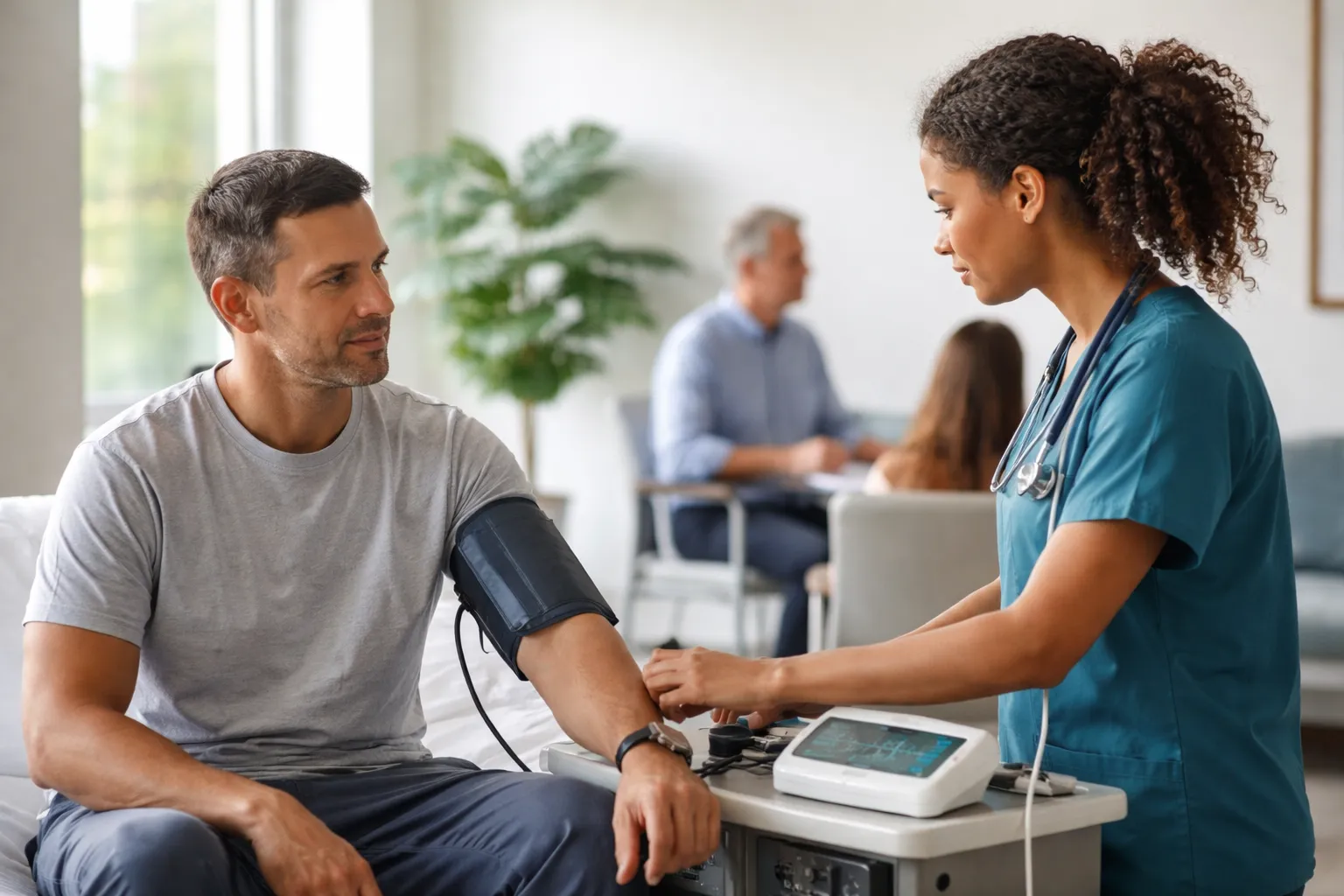
A full assessment conducted by a qualified clinician evaluates the substances used, timing and quantity of last use, medical history, current medications, pregnancy status, mental health, prior withdrawal complications such as seizures, and social supports. This information determines whether outpatient detox is safe, whether medications for opioid use disorder should be started, and whether inpatient or hospital-level care is needed.
For example, medically supervised withdrawal alone is generally not recommended as the sole treatment for opioid use disorder because it is associated with higher risk of return to use and overdose. Assessment helps identify patients who would benefit from medication treatment, such as buprenorphine or methadone, and those who need a different pathway. (cdc.gov)
Key clinical issues assessments must identify
- Presence of opioid use disorder and timing since last opioid dose, which affects safe initiation of buprenorphine or naltrexone. (samhsa.gov)
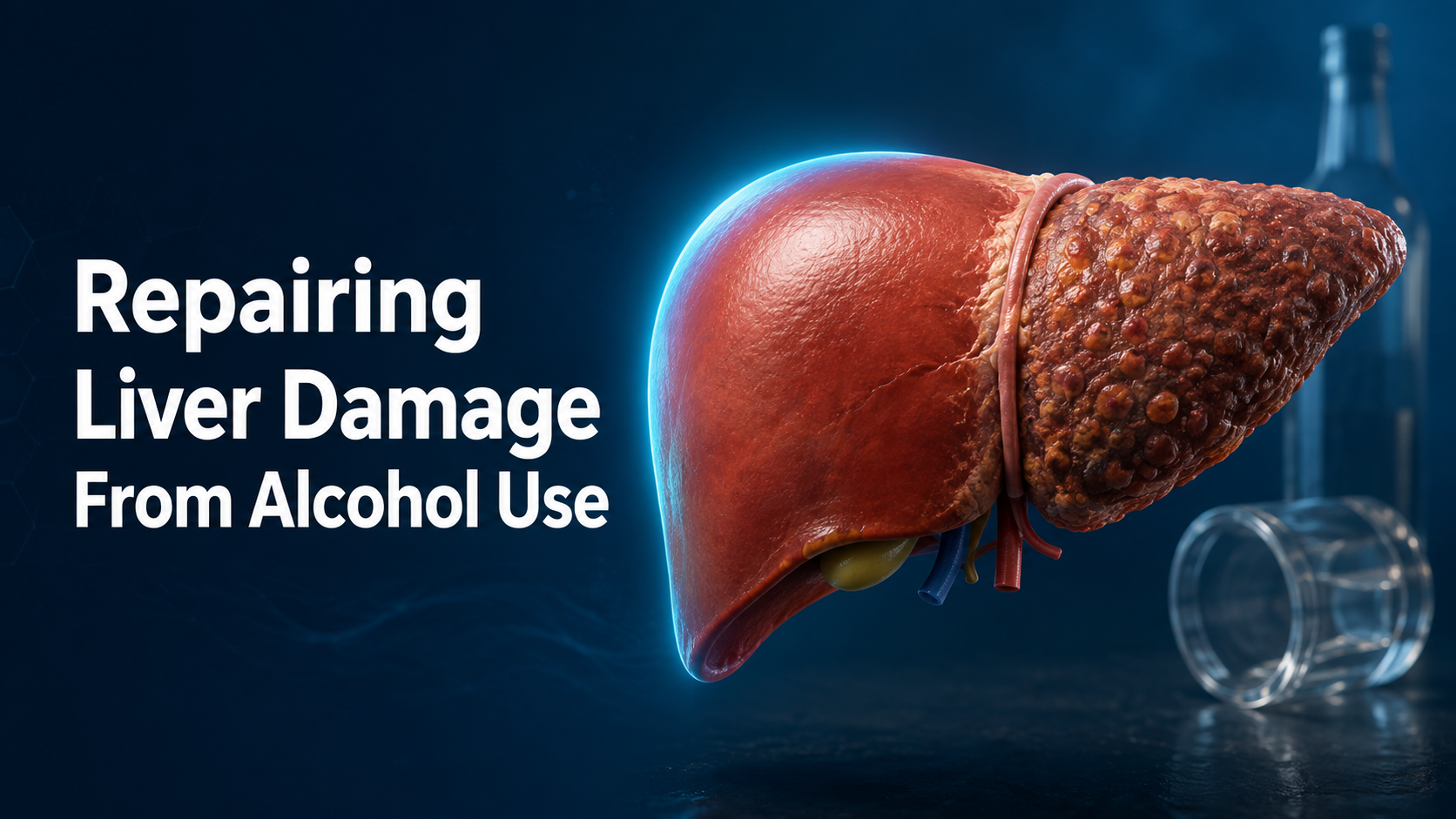
- Heavy alcohol use or dependence, which can cause life threatening withdrawal including seizures and delirium, and often requires benzodiazepine treatment or other specific protocols. (asam.org)
- Benzodiazepine dependence or co-prescribed sedatives, which raise the risk of severe withdrawal including seizures and prolonged symptoms; these situations may call for a slow taper or higher level of care. (asam.org)
- Co-occurring stimulant use or stimulant intoxication, which changes monitoring and management priorities. (pmc.ncbi.nlm.nih.gov)
- Pregnancy, adolescence, unstable medical conditions, prior complicated withdrawal, or current severe psychiatric symptoms, all of which typically require urgent or specialized care.
How assessment changes the detox plan
After assessment, clinicians make practical decisions about:
- Setting: outpatient ambulatory detox, medically monitored residential detox, or hospital-level care.
- Medications to treat withdrawal symptoms or to start as long term treatment, for example buprenorphine, methadone, or naltrexone for opioid use disorder, or benzodiazepines for severe alcohol withdrawal in controlled settings. (samhsa.gov)
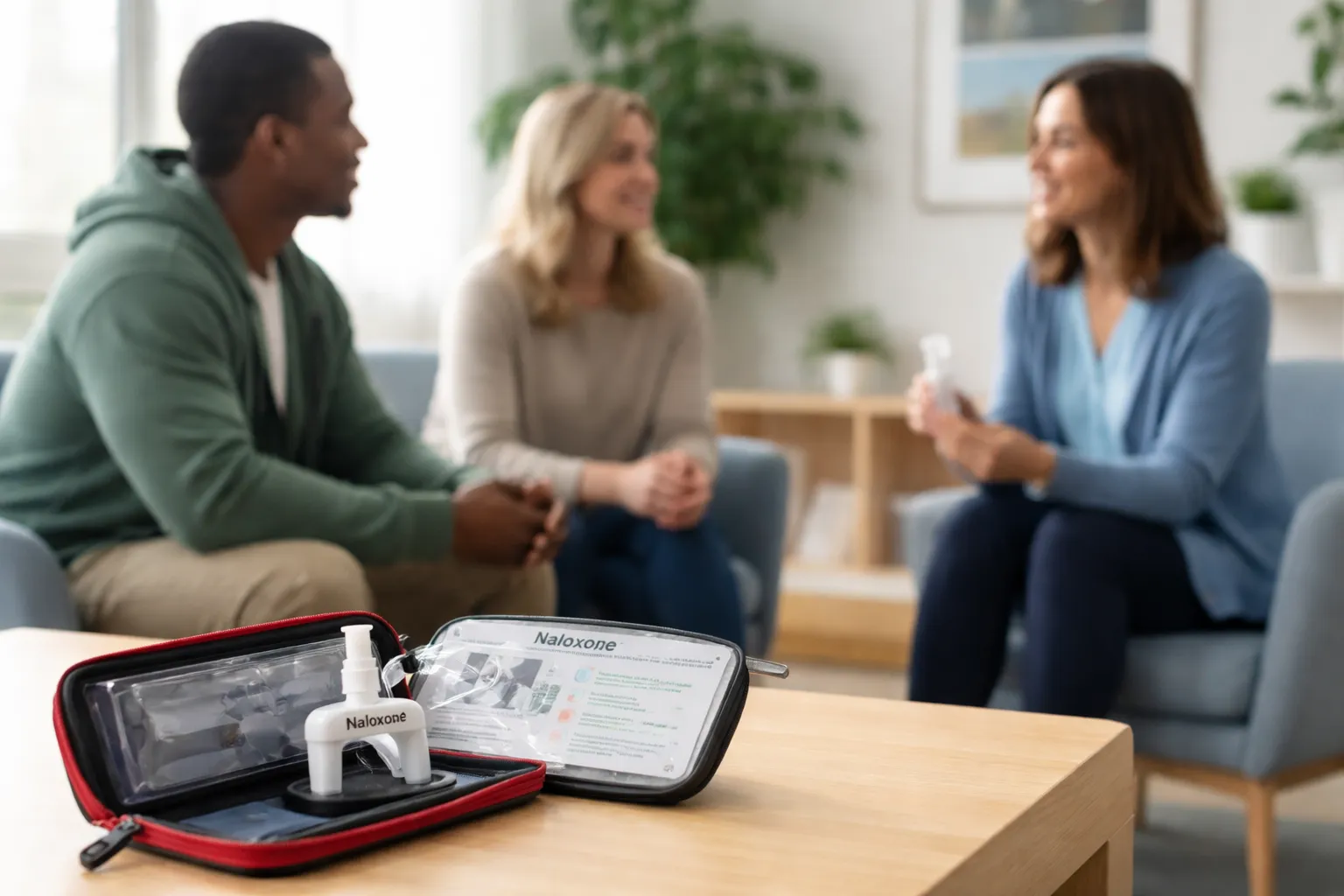
- Safety planning and harm reduction: naloxone distribution, overdose risk counseling, and connection to ongoing treatment. In New Jersey there are state programs to increase naloxone access through participating pharmacies. (nj.gov)
A practical comparison table: common withdrawal risks and clinical priorities
| Substance or combination | Typical medically significant risks | Clinical priorities | Common medication or intervention options |
|---|---|---|---|
| Opioids alone | Cramping, nausea, autonomic symptoms, low immediate mortality from withdrawal; high overdose risk after detox | Assess for OUD, discuss MOUD, arrange naloxone | Buprenorphine, methadone, naltrexone; buprenorphine induction when appropriate. (samhsa.gov) |
| Alcohol with sedatives (benzodiazepines) | Risk of seizures, delirium, respiratory depression when combined with opioids | Consider inpatient or medically monitored detox, seizure prevention | Benzodiazepine protocols, phenobarbital in specialist settings, close monitoring. (asam.org) |
| Opioid plus stimulant | Unpredictable intoxication, elevated overdose risk from fentanyl contamination | Monitor for withdrawal, prioritize MOUD if OUD present, harm reduction | MOUD for OUD, supportive care for stimulant symptoms. (integrationacademy.ahrq.gov) |
| Benzodiazepines alone | Protracted withdrawal, seizures with abrupt stop | Individualized taper, consider residential settings for high risk | Slow tapering, longer acting benzodiazepine switch when appropriate. (asam.org) |
Why outpatient detox can be safe for some people, but not all
Outpatient detox can be appropriate when assessment shows low risk for severe or complicated withdrawal, stable medical and psychiatric status, reliable support, and documented follow up. However, the presence of heavy alcohol dependence, high-dose benzodiazepine use, pregnancy, prior withdrawal seizures, serious medical problems, or unstable housing often requires a higher level of care. Placement decisions must come from a clinician after a full assessment. (pmc.ncbi.nlm.nih.gov)
Harm reduction and safety planning in New Jersey
During and after detox, practical safety steps reduce risk. Clinicians should provide or arrange:
- Naloxone and training on how to use it, because many opioid-related deaths involve more than one substance. New Jersey’s Naloxone365 program and the StopOverdoses website list participating pharmacies and resources. (cdc.gov)
- A clear plan for medications for opioid use disorder when appropriate, and rapid linkage to ongoing care. (samhsa.gov)
- Written safety instructions, a contact person, and rapid access to emergency services if severe symptoms develop.
If someone is having breathing problems, seizures, overdose, chest pain, severe confusion, or other life threatening medical problems, call 911 now. If you or someone is in a mental health or suicide crisis, call or text 988 for immediate help. These services are available 24 hours a day. (samhsa.gov)
What to expect from a responsible outpatient detox program
A program that follows best practices will perform a thorough intake assessment, document substance and medical history, use validated screening tools, provide medication when indicated, offer counseling and case management, make harm reduction supplies available, and arrange timely follow up or transfer to higher levels of care when needed. National and specialty guidance recommends integrated approaches and use of medications for opioid use disorder as appropriate. (samhsa.gov)
Frequently asked questions
Can I start buprenorphine the same day I stop using opioids?
That depends on the opioid used and timing since the last dose. Many buprenorphine induction protocols require the patient to be in early withdrawal to avoid precipitated withdrawal, and clinicians will assess timing before starting treatment. If someone uses a long acting opioid, the required wait time is longer. A clinician must evaluate and decide. (samhsa.gov)
Is detox enough to prevent overdose?
No. Managed detox addresses acute withdrawal, but without ongoing treatment, risk of return to use and overdose remains high, especially for opioid use disorder. Medication treatment plus psychosocial support reduces overdose risk and improves outcomes. (cdc.gov)
What if the person is pregnant or an adolescent?
Pregnancy and younger age are higher risk situations. Pregnant people with opioid use disorder should be offered medication treatment rather than detox when possible, and adolescents need assessments from clinicians experienced in youth addiction care. Urgent specialist consultation is often required.
Sources and resources
- SAMHSA TIP 63: Medications for Opioid Use Disorder. (samhsa.gov)
- CDC: Polysubstance Overdose and Overdose Trends. (cdc.gov)
- CDC: Polysubstance Use Facts and Educational Materials. (cdc.gov)
- ASAM: Clinical Guidance on Benzodiazepine Tapering. (asam.org)
- New Jersey StopOverdoses and Naloxone365 program. (nj.gov)
- AHRQ Integration Academy: Polysubstance Use brief. (integrationacademy.ahrq.gov)
Compassionate next steps
If you are researching care for yourself or a family member in New Jersey, start by asking for a confidential, clinician-led assessment. The assessment should document substances used, history of withdrawal, medical and psychiatric history, pregnancy status if relevant, and supports available. Placement, medication, and safety plans should come from that assessment. You can explore treatment options and locations on our treatments and locations pages, or contact our team to request a confidential assessment. Please remember, placement and medication decisions require evaluation by a qualified clinician; this article is for education and does not replace clinical assessment.
For program information or to request a confidential assessment, visit our treatments page, locations, or contact us. If someone is experiencing a life threatening medical emergency, call 911 now. If you or someone is in a mental health or suicide crisis, call or text 988 for immediate help. (samhsa.gov)
Note: This article is general education and not individualized medical advice. Clinical recommendations, placement decisions, and medication choices must be made by a licensed clinician after an in-person or telemedicine assessment. We do not guarantee admission, coverage, or outcomes.