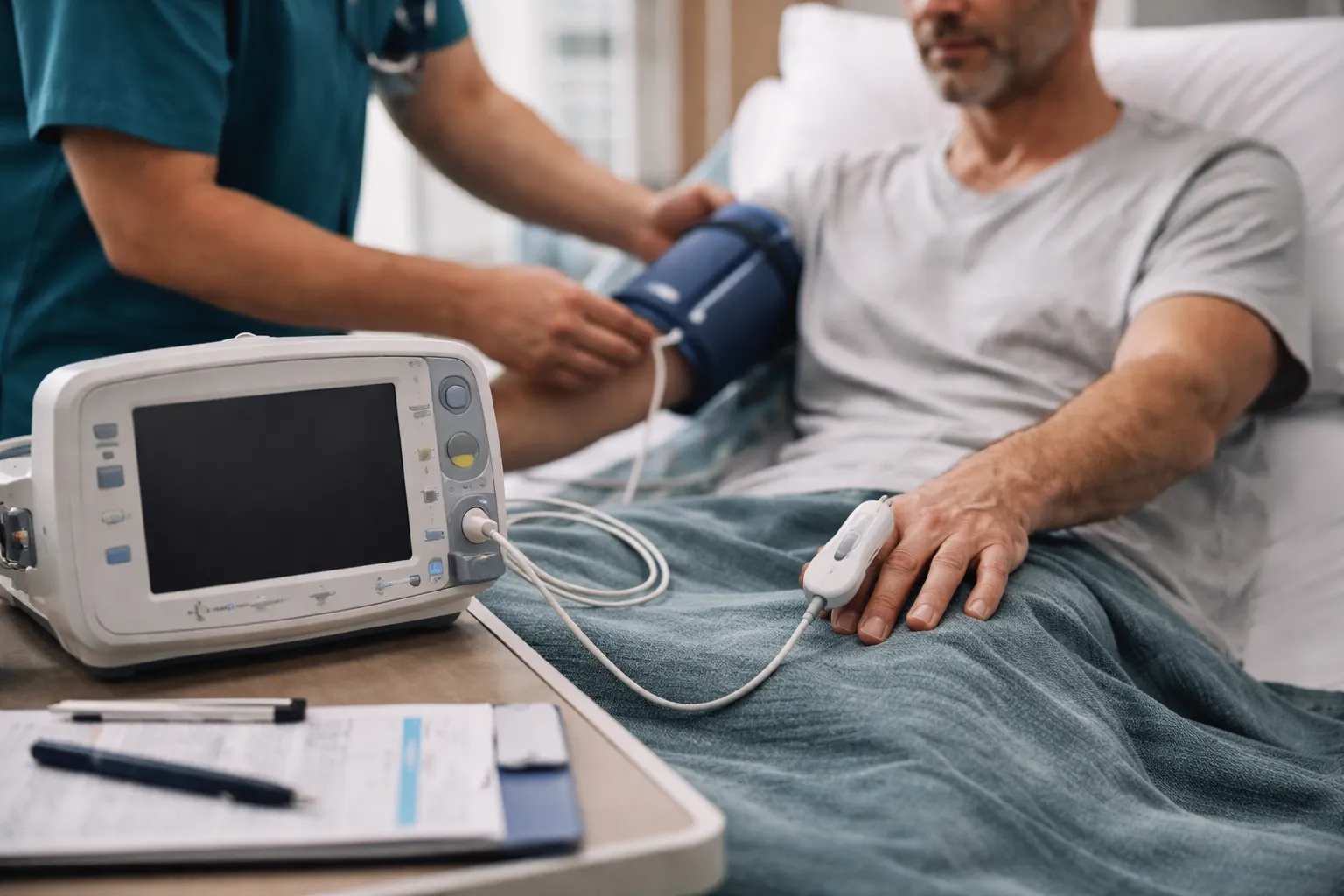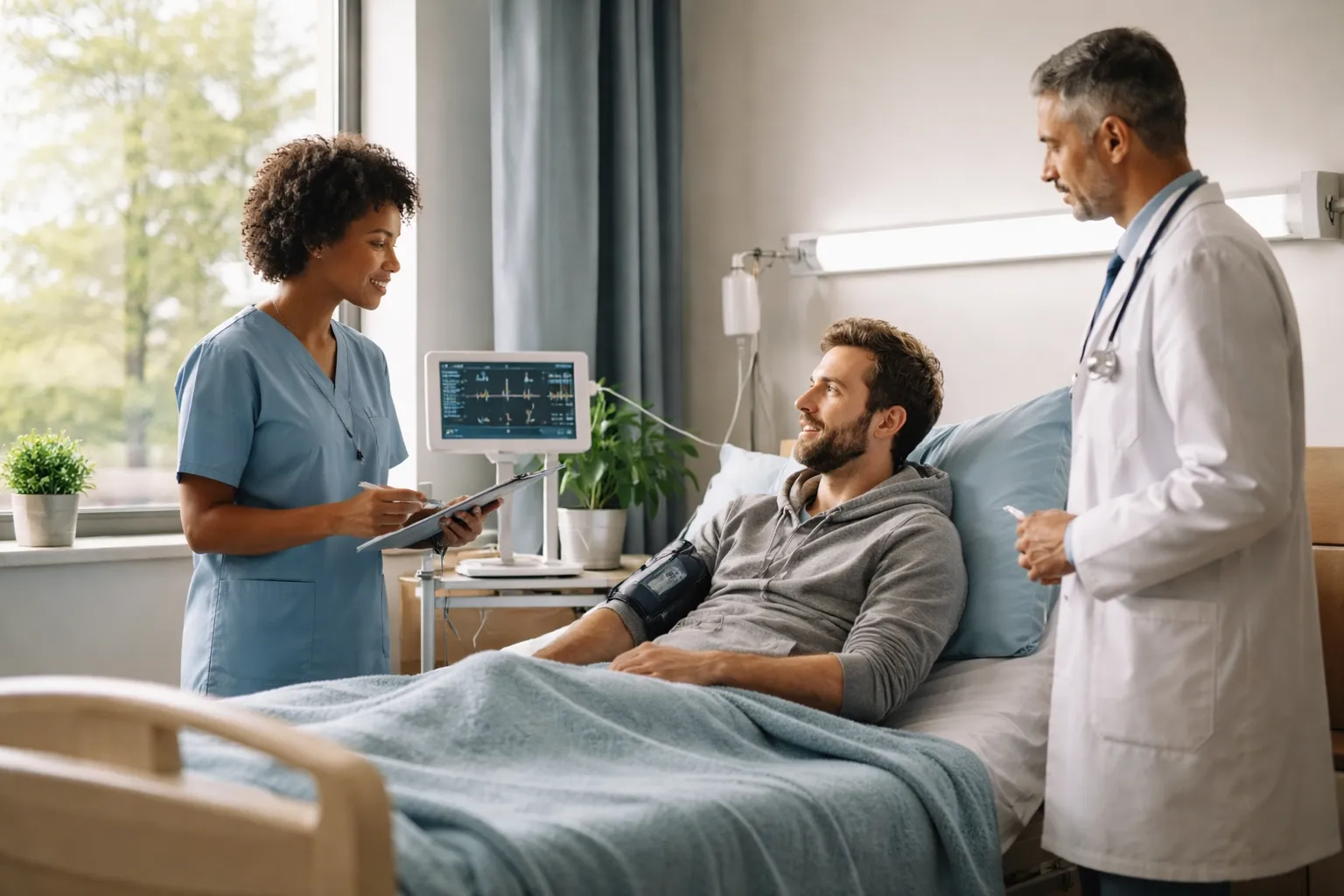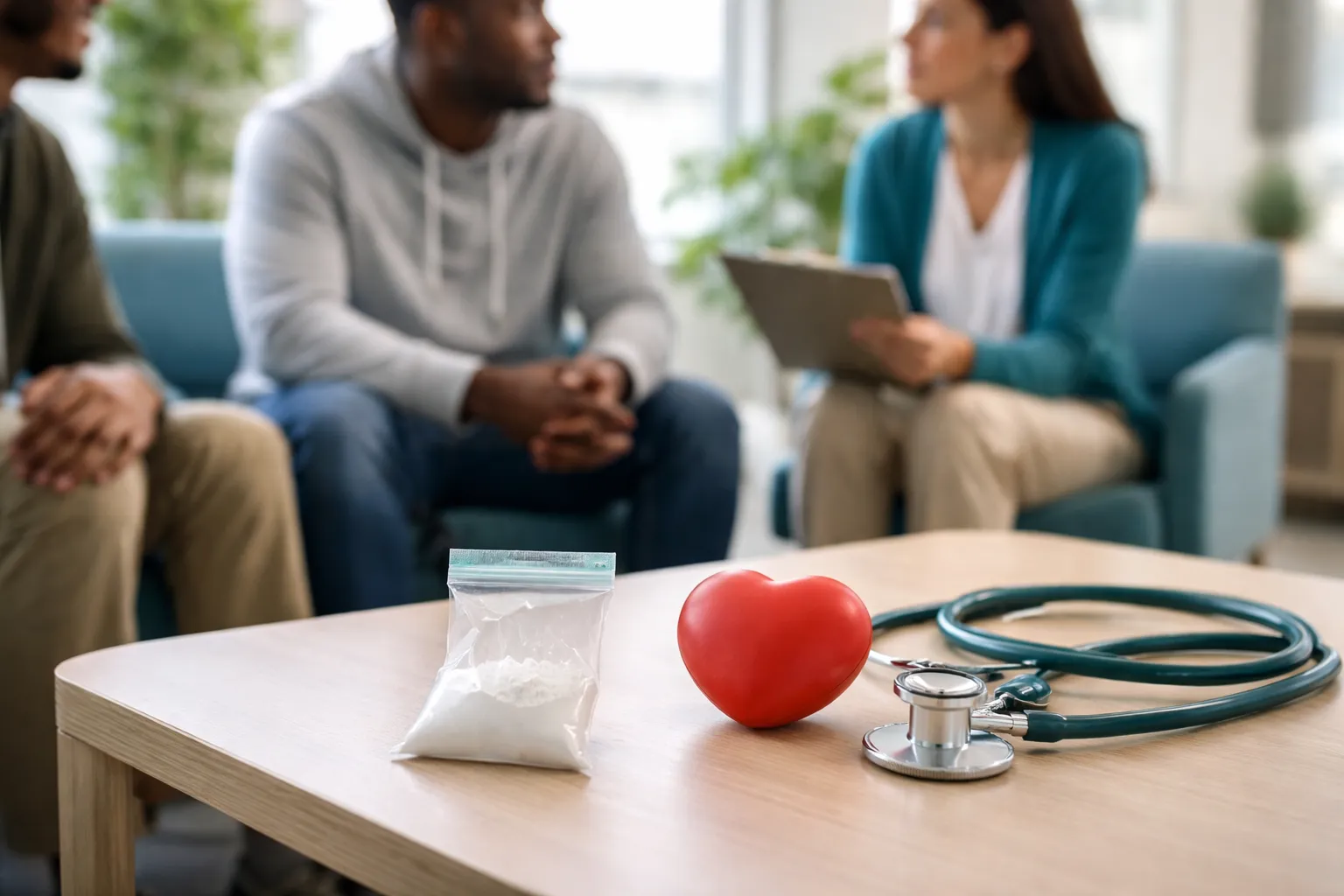
When someone uses opioids, family members and friends may need to tell the difference between withdrawal and an overdose. The two conditions can look different, and the right response can mean the difference between urgent lifesaving care and planned medical treatment. This page explains the common signs, timing, immediate actions, and next steps for people seeking outpatient detox or addiction treatment. This information is educational only and not individualized medical advice.
Table of Contents
ToggleWhat is an opioid overdose and why it is an emergency
An opioid overdose occurs when the opioid effect becomes strong enough to slow or stop breathing, or to cause severe impairment of consciousness. Overdose can result in permanent brain injury or death without prompt treatment. Naloxone is a prescription or over the counter medication that can rapidly reverse an opioid overdose if given in time, but emergency medical care is still required. If you suspect an overdose, call 911 right away. For basic instructions on recognizing and responding to an opioid overdose, see the Centers for Disease Control and Prevention guidance.
(cdc.gov)
Common signs of opioid overdose
- Very slow, shallow, or stopped breathing.
- Not responding to voice or touch, difficult to wake, or unconscious.
- Pinpoint or very small pupils, pale or bluish lips and nails from low oxygen.
- Slow heart rate, limp body, choking or gurgling sounds.
These signs should prompt immediate emergency response, and if available, administration of naloxone and basic life support until help arrives. The FDA and CDC provide step by step naloxone instructions and emphasize calling 911 even after naloxone is given.(fda.gov)
| Feature | Opioid Withdrawal | Opioid Overdose |
|---|---|---|
| Typical timing after last use | Hours to days, depending on the opioid used and individual metabolism | Can occur immediately after high dose or unexpected mixture, unpredictable |
| Breathing | Normal or rapid, not depressed | Slow, shallow, or stopped |
| Level of consciousness | Alert but uncomfortable, anxious, or fatigued | Drowsy, unresponsive, may not be rousable |
| Pupil size | Often dilated | Often pinpoint or very small |
| Common symptoms | Yawning, sweating, runny nose, nausea, diarrhea, muscle aches, anxiety, insomnia | Breathing difficulty, loss of consciousness, blue lips, faint pulse |
| Immediate action | Supportive care, medical assessment, consider medication-assisted treatment | Call 911, give naloxone if available, perform rescue breathing if needed |
What is opioid withdrawal and when it requires medical care
Opioid withdrawal is a predictable set of signs and symptoms that occur after stopping or reducing regular opioid use. Symptoms range from uncomfortable to severe, but withdrawal from opioids alone is usually not directly life-threatening for most adults. Withdrawal can, however, be very distressing and may lead to dehydration, inability to care for oneself, suicidal thoughts, or relapse to high risk use, so medical evaluation is recommended. For details on common withdrawal symptoms and medication options, see the National Institute on Drug Abuse resources and SAMHSA guidance.
Common opioid withdrawal symptoms
- Strong drug craving, anxiety, irritability, or agitation.
- Yawning, runny nose, watery eyes, sweating, chills or goose bumps.
- Muscle aches, abdominal cramping, nausea, vomiting, diarrhea.
- Trouble sleeping, tremor, fast heart rate, high blood pressure.
If a person is pregnant, an adolescent, has major medical problems, or shows signs of severe withdrawal such as very high fever, severe dehydration, seizure, or psychosis, seek urgent or specialized care. Withdrawal in the context of other substances, such as alcohol or benzodiazepines, can be life-threatening and must be managed by trained clinicians.(medlineplus.gov)
Why the responses are different: immediate reversal versus gradual management
An overdose requires immediate reversal of opioid effects and support for breathing and circulation. Naloxone is the evidence based emergency antidote for opioid overdose and can restore breathing in minutes when given correctly. Withdrawal is treated with supportive measures and, when appropriate, medications to reduce symptoms and prevent relapse, including methadone or buprenorphine for opioid use disorder. Clinical guidelines generally advise that detoxification without follow up medication for opioid use disorder is associated with higher risk of return to use and overdose, so clinicians typically recommend engaging with treatment rather than trying stand-alone detox.(cdc.gov)
What to do: quick action guide
- If you think someone is overdosing: call 911, stimulate the person, check breathing, give naloxone if available, and provide rescue breathing or CPR as trained until emergency responders arrive. Do not leave the person alone.(cdc.gov)
- If someone is experiencing withdrawal and is awake and able to care for themselves: offer fluids, rest, and seek evaluation from a clinician who can discuss medications and a safe outpatient plan. For many people, medications for opioid use disorder reduce cravings and the risk of fatal overdose.(drugabuse.gov)
- If the person is pregnant, has other serious medical conditions, cannot keep fluids down, has severe psychiatric symptoms, or is an adolescent, get urgent medical assessment. Specialized care may be required.(medlineplus.gov)
Practical points for caregivers and families
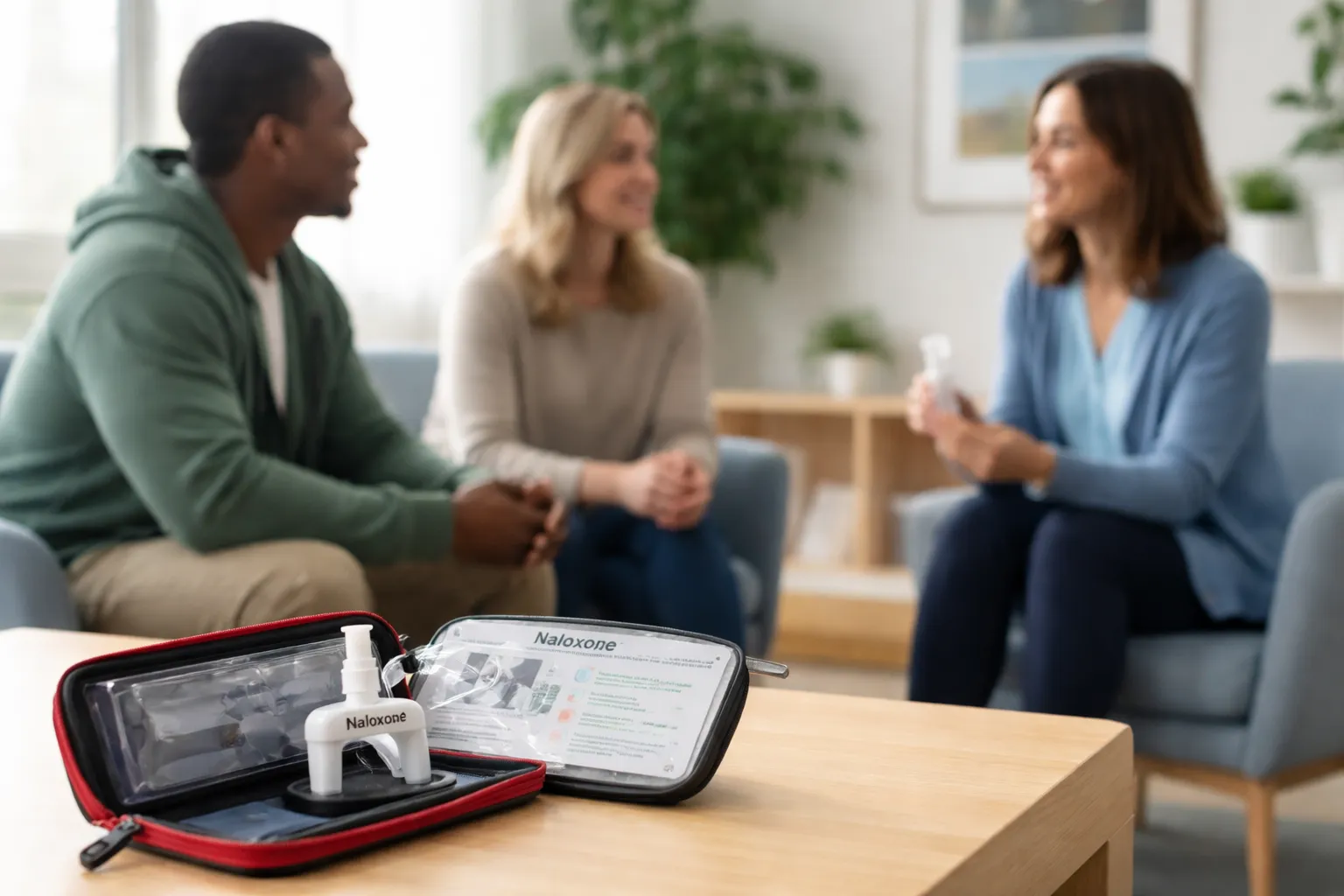
- Keep naloxone available if the person uses or is at risk of using opioids. In New Jersey naloxone is widely available through state programs and many pharmacies without a prescription. Training and anonymous distribution options exist to increase access.(nj.gov)
- Understand that naloxone can cause immediate opioid withdrawal in people who are physically dependent. Withdrawal after naloxone is uncomfortable but a necessary consequence of reversing a life threatening overdose. Emergency medical follow up is still required.(fda.gov)
- Encourage engagement with evidence based treatment: medications for opioid use disorder such as buprenorphine or methadone lower the risk of fatal overdose and help people stabilize. Discuss options with a clinician.(cdc.gov)
Frequently asked questions
Can opioid withdrawal be fatal?
In most healthy adults, opioid withdrawal alone is not usually directly fatal, but it can be extremely uncomfortable and increase the risk of complications such as dehydration, severe psychiatric distress, and return to high risk opioid use. Withdrawal combined with other substance withdrawal, medical illness, or pregnancy needs urgent medical oversight.(medlineplus.gov)
What if someone refuses emergency care after naloxone?
After naloxone, the person may feel acute withdrawal and want to refuse care. Emergency medical services should still be called, because the person may relapse and re-overdose as naloxone wears off. Paramedics and emergency clinicians can provide monitoring and offer treatment options. State Good Samaritan or Overdose Protection laws may offer legal protection for people who seek help for an overdose. Check local guidance.(cdc.gov)
Should I try to detox someone at home?
No. Detox at home without clinical supervision is not recommended. A qualified clinician can assess medical risks, recommend medications to reduce withdrawal and cravings, and create a safer transition into ongoing treatment. Outpatient programs can offer medically supervised withdrawal management and medications for opioid use disorder. For program options, see treatment resources and our locations pages.
Treatment options | Locations | Contact us
Sources and further reading
- CDC: What to Do If You Think Someone Is Overdosing. (cdc.gov)
- CDC: Naloxone Frequently Asked Questions. (cdc.gov)
- NIDA: Opioids. (drugabuse.gov)
- SAMHSA: Opioid Overdose Prevention and Reversal. (samhsa.gov)
- New Jersey Department of Health: Naloxone distribution and training. (nj.gov)
Compassionate next steps
If you or a loved one is facing withdrawal, overdoses, or unstable use, a clinical assessment is the first step. A qualified clinician can determine the safest setting, whether outpatient medically supervised withdrawal is appropriate, and whether medications for opioid use disorder should be started. If you are in New Jersey and want to learn about treatment options near you, visit our treatment and locations pages or contact our team for confidential help.
Please remember: call 911 for any medical emergency. If you or someone is in a mental health or suicide crisis call or text 988 for the Suicide and Crisis Lifeline. This page provides general education only; placement and medication decisions require assessment by a qualified clinician.
Request a confidential assessment or speak with our admissions team to learn more about outpatient detox and medication options. Contact us.