Deciding on addiction treatment can feel overwhelming. When you call a facility, the admissions conversation should clarify medical safety, treatment approach, and practical details. Below is a calm, clinically focused checklist and explanation you can use when speaking with an admissions clinician or coordinator.
Table of Contents
ToggleHow to use this checklist
Keep notes during the call, and bring a written list when you meet for intake. If you are in immediate medical danger, call 911. If you or someone is experiencing a mental health or suicide crisis, call or text 988. This article provides general education; placement and medication decisions require a clinical assessment by a qualified clinician.
Key categories of questions to ask an admissions team
1. Clinical assessment and medical safety
- Who performs the initial medical and withdrawal assessment: a physician, nurse practitioner, physician assistant, or registered nurse?
- Will you use a standardized placement tool such as the ASAM Criteria to determine level of care? Why this matters: ASAM is the national standard for matching clinical needs to outpatient, intensive outpatient, residential, or inpatient care. (asam.org)
- Do you offer outpatient medical detoxification, and what are your admission and exclusion criteria for outpatient detox? Ask for specifics about which withdrawal syndromes the program treats on an outpatient basis. (nj.gov)
- If my clinical picture suggests severe withdrawal risk, seizures, psychosis, pregnancy, or other urgent medical conditions, how will you escalate or refer me to higher level care?
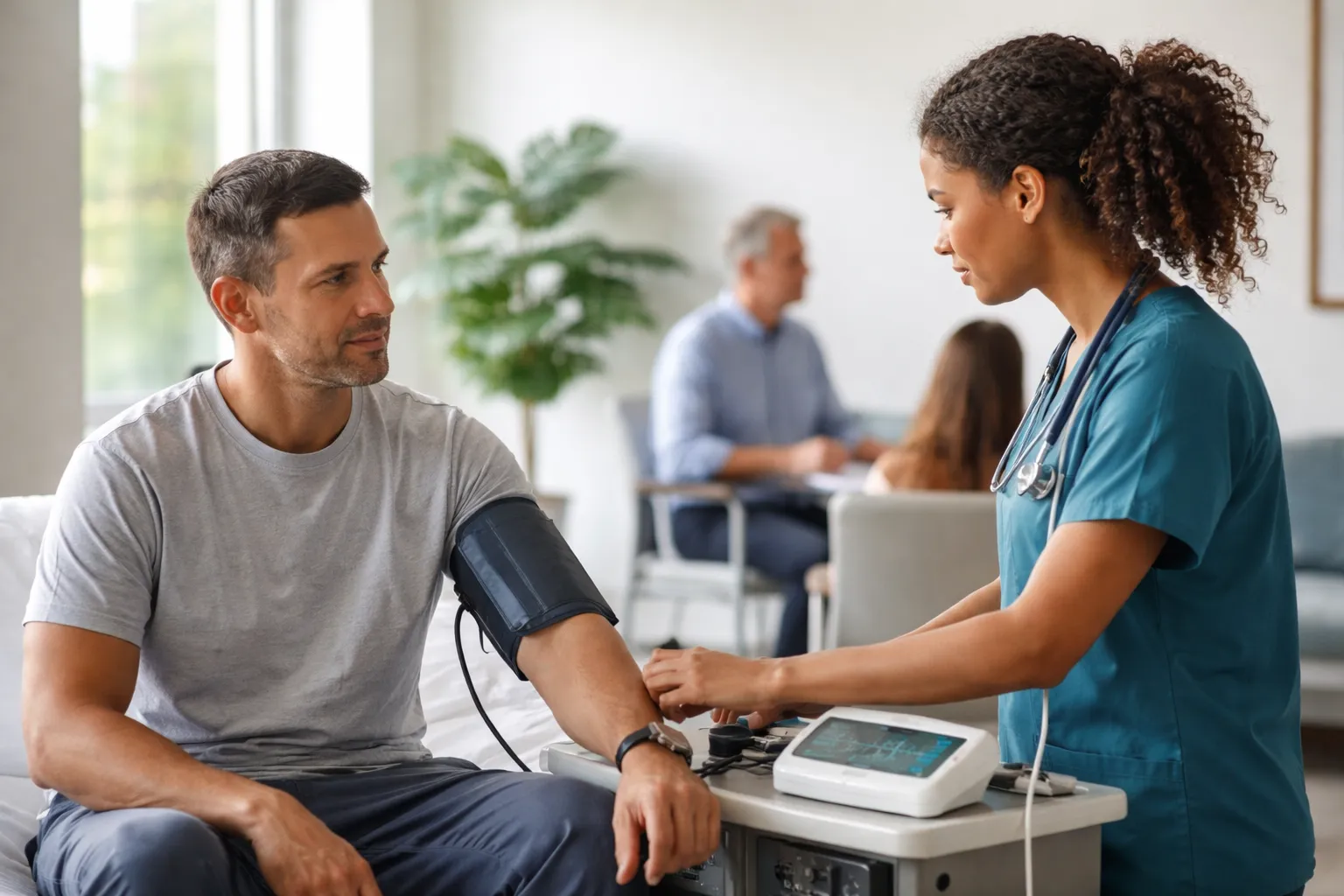
Cite to ask for concrete examples, for instance whether they will monitor vital signs daily during detox, or require immediate transfer to a hospital for specific signs. In New Jersey, outpatient detox programs must document medical assessment and have written inclusion and exclusion criteria. (nj.gov)
2. Medications and medication management
- Which medications do you prescribe or coordinate for opioid use disorder, for example buprenorphine, methadone, or naltrexone? The FDA lists these three as approved treatments for opioid use disorder. (fda.gov)
- If medications are part of care, who prescribes them and how is follow up handled?
- Do you provide medication for alcohol withdrawal if needed, and do you have medical monitoring for benzodiazepine or alcohol withdrawal?
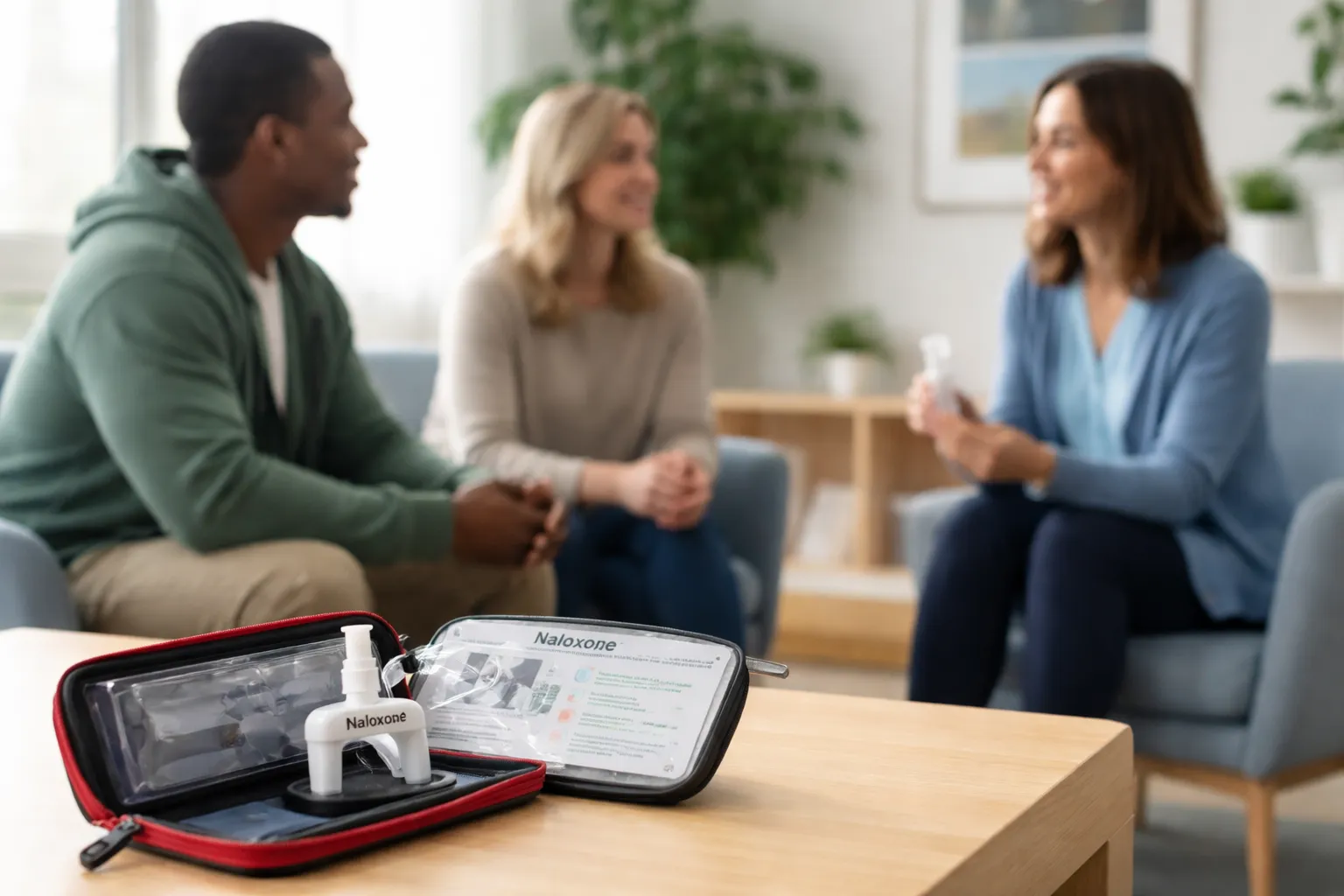
- Will the program provide or help me obtain naloxone and training to use it for overdose reversal? Naloxone is a life saving tool and programs should discuss access and training. (cdc.gov)
3. Treatment model, therapies, and aftercare
- What types of counseling and behavioral therapies do you provide (for example cognitive behavioral therapy, contingency management, family therapy)? How often will I meet with a counselor?
- Is there an individualized treatment plan and measurable goals? How frequently is the plan reviewed?
- How do you help connect people to continuing care after detox, such as intensive outpatient programs, recovery supports, primary care, or community services?
- Can you describe a typical pathway for someone starting with outpatient detox at your program?
4. Credentials, licensing, accreditation, and safety
- Is the program licensed by the New Jersey Division of Mental Health and Addiction Services, or another state agency? Ask to verify licensing and the program type. (nj.gov)
- What are the clinical roles on staff: medical director, addiction psychiatrists, addiction medicine physicians, nurse practitioners, counselors, and peer specialists? What are their credentials?
- Is the program accredited by a recognized accrediting body, for example CARF or The Joint Commission?
5. Practical logistics: scheduling, location, privacy, and records
- What are your hours, how soon can someone be evaluated, and is walk‑in assessment available?
- How is patient privacy handled, and how are substance use treatment records protected under federal Part 2 and HIPAA?
- Where are services delivered, and is there parking or public transit access? (For locations, see the provider locations page.)
6. Cost, payment, and insurance
- Do you accept my insurance plan, and will you preauthorize services with my insurer? Ask the admissions team to verify benefits and any required preauthorization.
- What out of pocket costs should I expect for assessment, detox visits, medications, counseling, urine drug testing, and ongoing care? Ask for a written estimate when possible.
- Do you offer sliding scale fees, payment plans, or financial assistance?
| Level of care | Typical setting | When it is appropriate |
|---|---|---|
| Outpatient detox or Level I outpatient | Clinic visits, daytime monitoring, phone/telehealth | Low to moderate withdrawal risk, stable housing, reliable supports |
| Intensive outpatient or partial hospitalization | Daytime structured program, several hours daily | Higher treatment needs but not requiring 24 hour care |
| Residential or inpatient medically monitored detox | 24 hour live‑in facility or hospital | Severe withdrawal risk, medical complications, unsafe home environment |
The ASAM Criteria are the standard used to match a person to the right level of care; ask the admissions team how they apply ASAM when making placement decisions. (asam.org)
Safety callout
If a person shows severe withdrawal signs such as confusion, high fever, severe tremors, repeated vomiting, fainting, or seizure, call 911 immediately. If you or the person is experiencing suicidal thoughts or a mental health crisis, call or text 988. Programs should have written emergency and transfer procedures; ask the admissions team to explain them. (nj.gov)
Special situations to ask about
- Pregnancy: Do you provide prenatal‑aware care and coordinate obstetric services? Pregnant people may need priority placement and specialized care.
- Adolescents: Do you have programs and clinicians experienced with teens and family‑based approaches?
- Co-occurring mental health conditions: Do you provide integrated care or coordinate with psychiatry?
- Stimulant or other non-opioid substance use: What evidence-based treatments are offered when no FDA-approved medication exists for that substance?
Federal and state guidance emphasize matching special populations to programs with appropriate experience and resources. (samhsa.gov)
Common questions people forget to ask
- Who will be my main point of contact in the program after admission?
- How will the team handle positive drug tests during treatment?
- Are family members able to participate in education or family therapy, and how is consent handled?
- How does the program measure progress and when will I have a formal treatment review?
FAQs
Q: Will admissions tell me immediately whether I can start medication like buprenorphine?
A: Admissions can explain whether the program prescribes buprenorphine and describe the evaluation process, but initiation usually requires a clinical assessment and may require laboratory checks or coordination with a prescriber. For opioid use disorder, buprenorphine, methadone, and naltrexone are FDA approved options; programs follow their clinical protocols and applicable laws. (fda.gov)
Q: Is outpatient detox safe?
A: Outpatient detox can be safe for people with low to moderate withdrawal risk and stable supports, provided the program follows medical monitoring and has clear exclusion criteria. Programs must use clinical placement criteria to decide whether outpatient detox is appropriate. If a clinician determines the person has higher risk, a higher level of care should be recommended. (nj.gov)
Sources and further reading
- SAMHSA guidance on medication for opioid use disorder. (samhsa.gov)
- FDA information about medications for opioid use disorder. (fda.gov)
- NIDA, Principles of Drug Addiction Treatment: a Research-Based Guide. (nida.nih.gov)
- New Jersey rules for outpatient detoxification and treatment services. (nj.gov)
- CDC: 5 things to know about naloxone. (cdc.gov)
Compassionate next steps
If you are calling programs, start with the clinical questions above and ask for a written copy of any admission criteria or treatment agreement. If you want to learn about treatment options offered locally, review the provider treatments page, see program locations, or contact the admissions team directly to request a confidential assessment. Links: treatments, locations, contact us.
Remember, this information is educational and not a substitute for medical advice. A qualified clinician must assess a person to determine safe placement and medication decisions. If the situation is life threatening, call 911 now. For a mental health or suicide crisis, call or text 988.