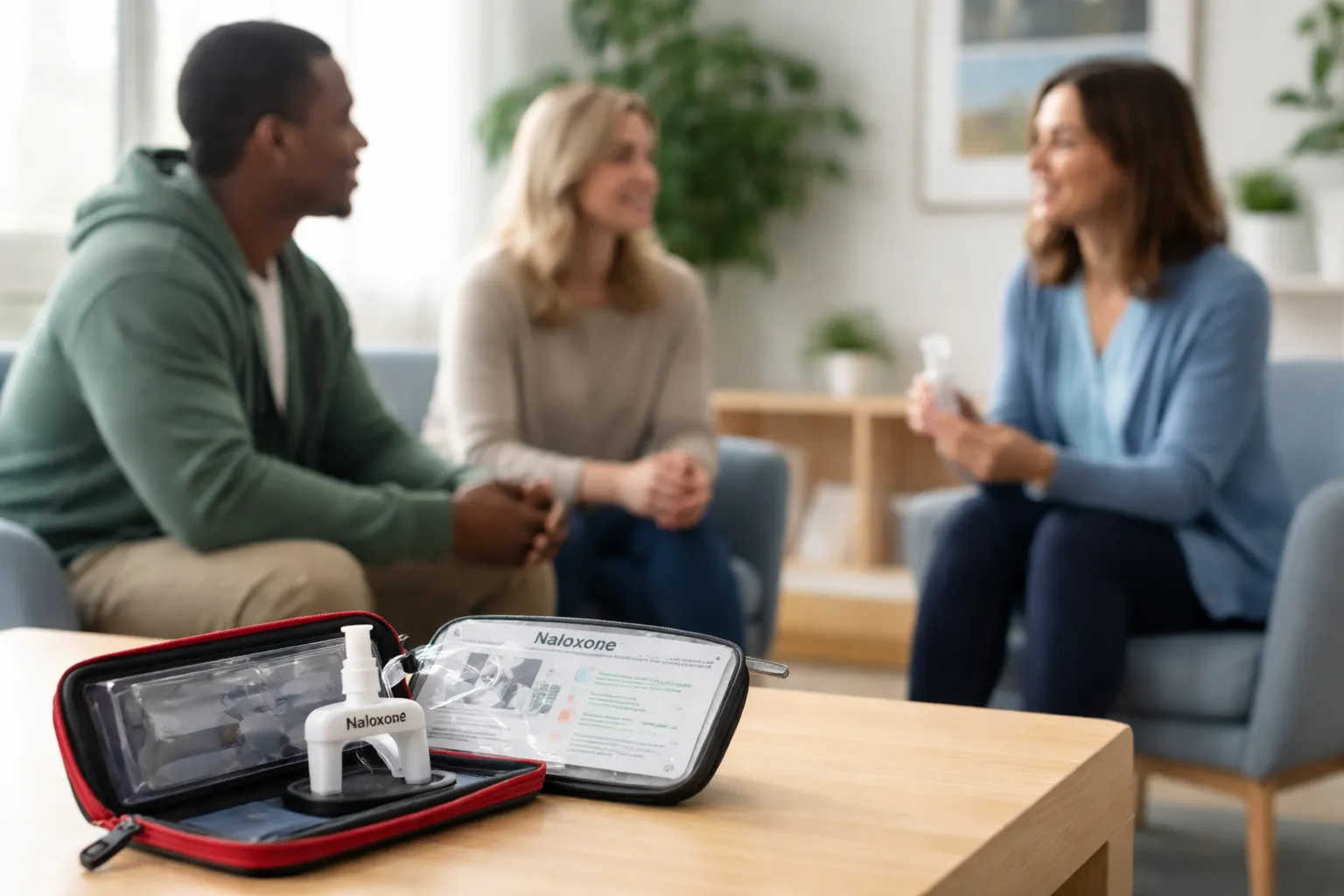

Ambulatory detoxification, often called outpatient detox, helps people stop or reduce use of alcohol or drugs while receiving daily medical and counseling support without overnight admission. This article explains clinical eligibility, what daily care typically involves in New Jersey, relevant state rules, common medications, and how to choose ambulatory care versus higher levels of monitoring. This is general education, not individualized medical advice. Placement and medication choices require assessment by a qualified clinician.
Table of Contents
ToggleWho may be eligible for ambulatory detox?
Ambulatory detox is intended for people whose withdrawal risk is expected to be low to moderate and who can return to a safe environment each day. Key clinical factors considered by clinicians include:
- Severity of expected withdrawal, using validated tools such as the Clinical Institute Withdrawal Assessment for Alcohol (CIWA-Ar) or the Clinical Opiate Withdrawal Scale (COWS). Ambulatory care is generally for low to moderate scores on these instruments. ASAM guidance.
- Stable medical status: no unstable cardiovascular, respiratory, severe liver disease, kidney failure, or other conditions that require 24 hour monitoring. US clinical placement guidance.
- No active, severe psychiatric instability such as uncontrolled psychosis, active suicidal intent, or severe agitation requiring inpatient care.
- A reliable social support system and ability to attend daily visits, or the availability of extended on-site monitoring in a structured outpatient program. SAMHSA guidance on detox.
- No pregnancy for alcohol withdrawal management: pregnancy is generally a relative indication for inpatient care and requires obstetric coordination. For opioid use disorder in pregnancy, maintenance treatment with buprenorphine or methadone is preferred over elective withdrawal. ASAM alcohol withdrawal guideline, ACOG on OUD in pregnancy.
- No high-risk polysubstance use pattern that raises the chance of severe complications, for example concomitant high-dose benzodiazepines plus heavy alcohol use.
Decisions about ambulatory versus inpatient detox should be made by a qualified clinician after an in-person or telehealth medical screening. This article summarizes common clinical considerations but does not replace a clinical evaluation.
What daily care and monitoring looks like in ambulatory detox
Programs differ, but typical elements of ambulatory detox in New Jersey and elsewhere include:
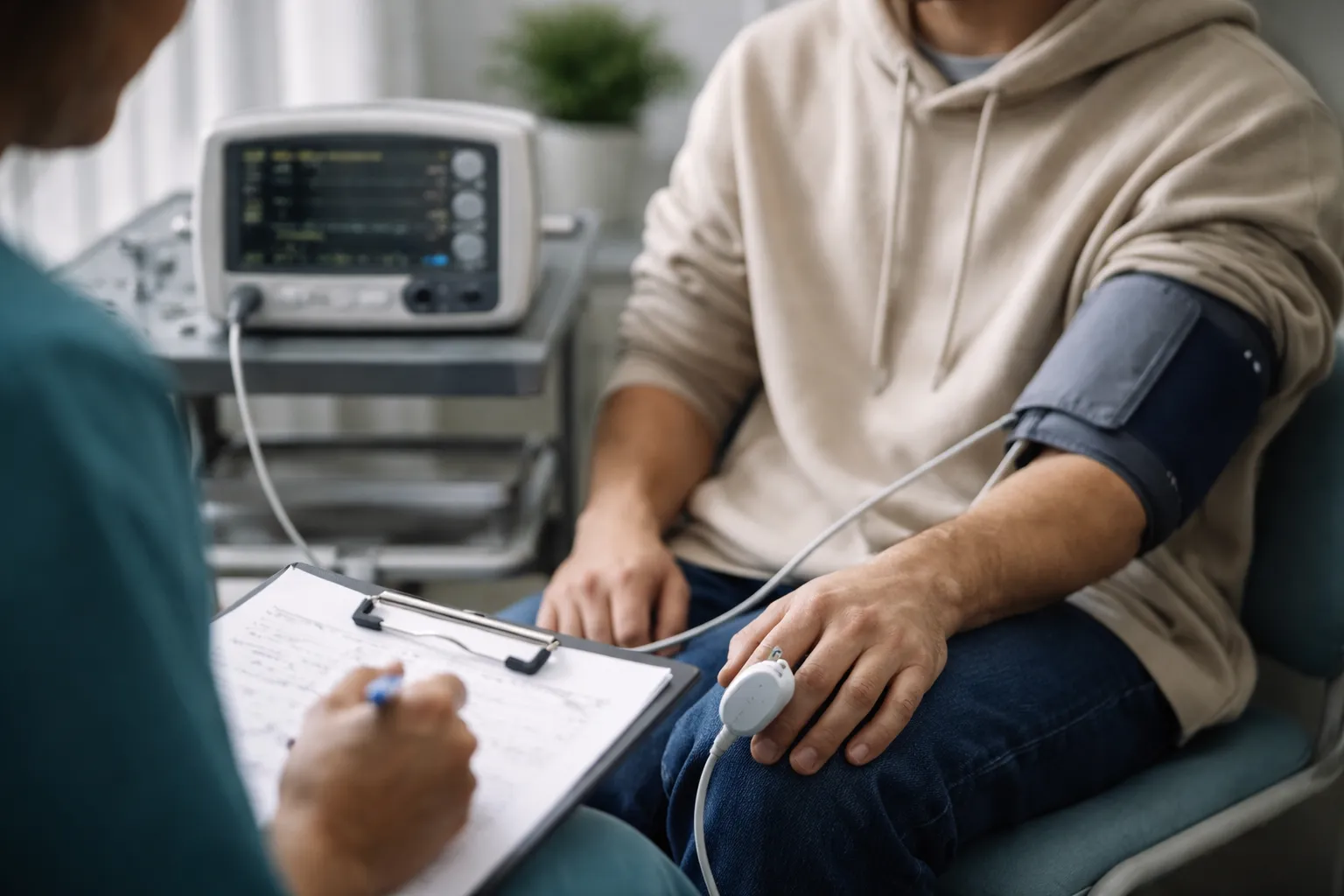
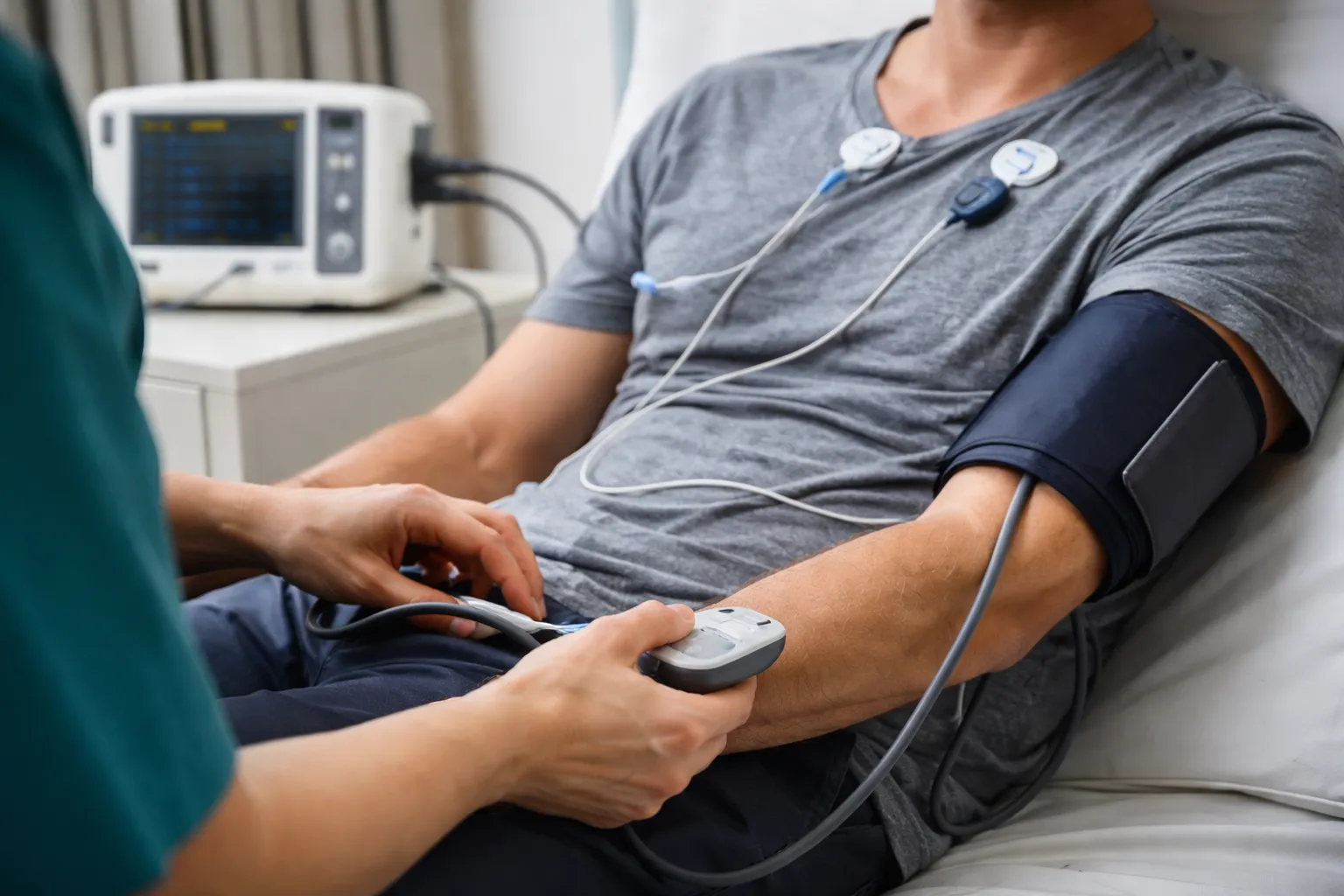
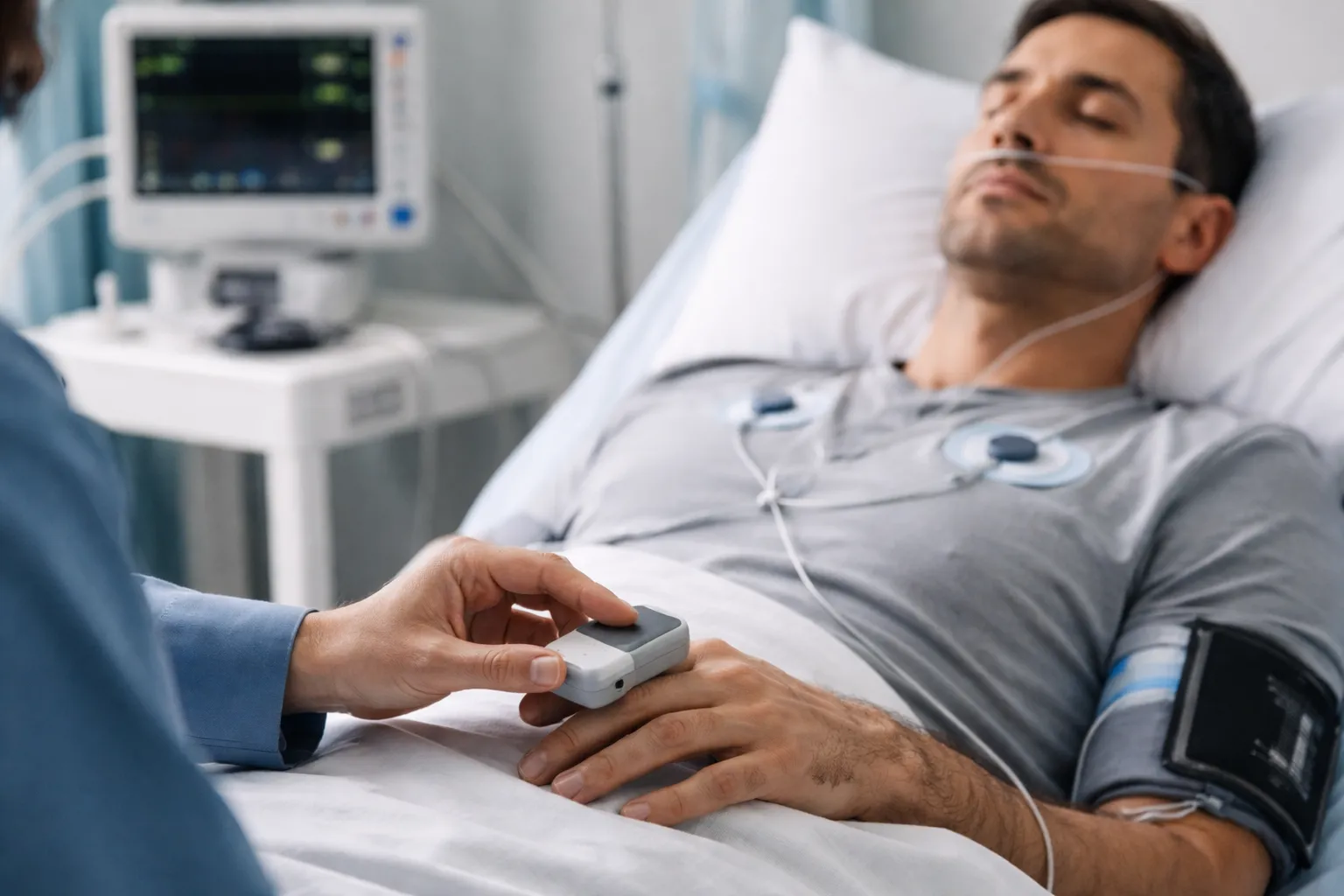
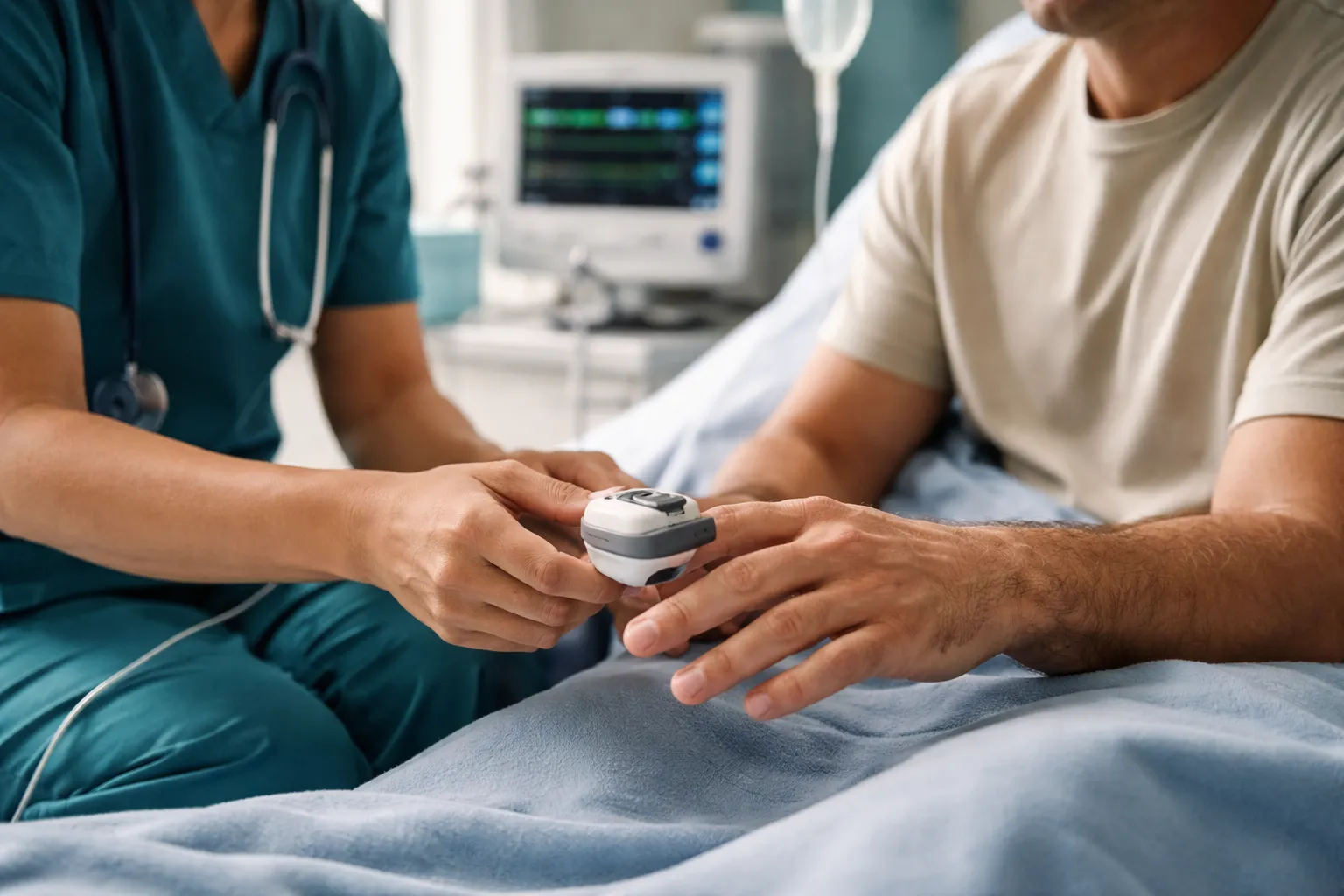
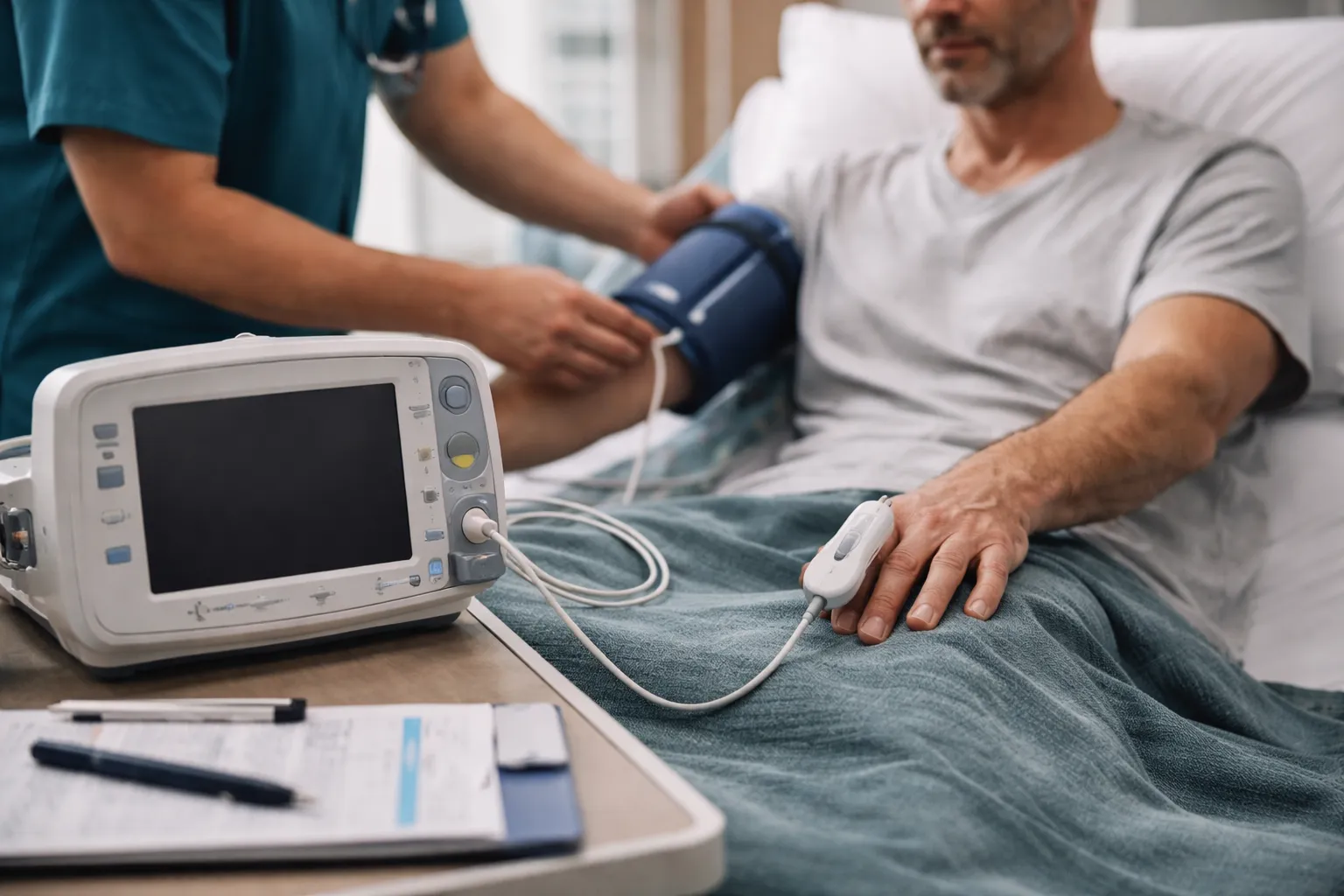
- Daily check-in with nursing or a prescriber to review symptoms, vital signs, and withdrawal scores (for example CIWA-Ar or COWS). ASAM recommends frequent early check-ins for alcohol withdrawal management in ambulatory settings. ASAM guideline.
- On-site medication administration or short take-home supplies consistent with state licensing rules and clinical judgment.
- Brief medical exam, medication counseling, and coordination of laboratory testing when indicated (for example liver tests, pregnancy test, or urine drug testing).
- Concurrent counseling, linkage to ongoing treatment, and discharge planning to support transition to longer term care. New Jersey rules require participation in a treatment activity during each day of outpatient detox when extended onsite monitoring is not provided. New Jersey administrative code.
- Clear escalation pathways and 24 hour transfer arrangements for patients who deteriorate or show signs of complicated withdrawal.
Typical daily visit flow
- Arrival and triage: brief symptom check and vitals.
- Withdrawal scoring (CIWA-Ar for alcohol, COWS for opioids) and medication as indicated.
- Brief counseling or group session, and safety and medication counseling.
- Plan for next-day follow-up and contingency plan for worsening symptoms.
Common medications used in ambulatory detox
Medication choices depend on the substance and the patient’s medical history. Common approaches include:
- Alcohol withdrawal: benzodiazepines remain first line for symptom control and seizure prevention for moderate or high-risk alcohol withdrawal. For carefully selected, low risk patients, some clinicians use gabapentin or carbamazepine as alternatives or adjuncts, but benzodiazepines have the strongest evidence for preventing severe complications. American Family Physician review on outpatient alcohol withdrawal, ASAM guideline.
- Opioid withdrawal: medications to reduce symptoms and improve comfort include buprenorphine for initiation of medication for opioid use disorder, as well as non-opioid symptomatic agents. Lofexidine, an alpha-2 adrenergic agonist approved by FDA, is a non-opioid option to reduce symptoms of opioid withdrawal in adults. Buprenorphine can be initiated in office-based settings when clinically appropriate. SAMHSA TIP 63, FDA label for lofexidine.
- Naltrexone: an opioid antagonist used for relapse prevention, it is not safe to start during active opioid withdrawal because it will precipitate withdrawal. Naltrexone initiation requires a documented opioid-free interval under clinical supervision. SAMHSA TIP 63.
All medications have benefits and risks. Clinicians will consider interactions, pregnancy status, liver function, and other conditions when prescribing. Medication decisions must be individualized.
New Jersey rules that affect outpatient detox
New Jersey licensure and program rules specify how outpatient detox services are delivered. Notable provisions include daily medical supervision requirements and limitations on take-home detox medication supplies unless clinically justified. For example, programs generally may dispense only a one day supply of medication for detoxification unless a second day is documented as necessary; opiate detoxification using methadone has special restrictions. These state rules affect how ambulatory detox programs schedule medication and follow-up. New Jersey administrative code.
Quick comparison: ambulatory detox versus higher levels of care
| Feature | Ambulatory detox (outpatient) | Inpatient or medical detox |
|---|---|---|
| Monitoring | Daily visits, not 24 hour monitoring | 24 hour medical and nursing supervision |
| Best for | Low to moderate withdrawal, stable health, strong supports | Severe withdrawal, unstable medical/psychiatric conditions, pregnancy for alcohol withdrawal |
| Medication handling | Short supplies, onsite dosing, state limits may apply | Scheduled dosing, IV or parenteral meds available if needed |
| Transition to treatment | Same day referrals, outpatient counseling required | Facilitated transition to residential or outpatient treatment |
Safety callout
If you or someone is having a medical emergency such as seizure, severe confusion, trouble breathing, chest pain, or loss of consciousness, call 911 now. For a mental health or suicide crisis, call or text 988 for immediate support. Ambulatory detox should only be used when a clinician confirms it is safe. If symptoms worsen, seek emergency care or return to the program immediately.
Frequently asked questions
Is ambulatory detox safe for opioid withdrawal?
Ambulatory approaches are appropriate for some patients with opioid withdrawal, especially when buprenorphine can be initiated in an office-based setting and the person has stable health and reliable follow-up. Clinicians will use COWS and other assessments to decide. SAMHSA TIP 63.
Can I start buprenorphine the same day I present for treatment?
Many office-based programs can initiate buprenorphine during the first visit when clinical criteria are met and the patient is in objective withdrawal. Induction practices vary and must follow clinical guidance. ASAM/SAMHSA guidance.
Will insurance cover ambulatory detox?
Coverage varies by plan and by clinical indication. Do not assume coverage; check with your insurer and the treatment provider. Providers can assist with insurance verification and referral options.
What happens after detox?
Detox manages acute withdrawal. Effective long-term care usually includes ongoing counseling, medication when indicated, social supports, and relapse prevention planning. Ambulatory detox programs commonly help arrange follow-up treatment. See our treatments page for options: cntrecovery.com/treatments/.
Sources
- The ASAM Clinical Practice Guideline on Alcohol Withdrawal Management (ASAM).
- Detoxification and Substance Abuse Treatment, SAMHSA resource.
- New Jersey Administrative Code, Standards for outpatient detoxification services.
- TIP 63: Medications for Opioid Use Disorder, SAMHSA.
- LUCEMYRA (lofexidine) prescribing information, FDA/DailyMed.
- Outpatient Management of Alcohol Withdrawal, American Family Physician review.
- Settings, Levels of Care, and Patient Placement, US clinical guidance (NIH/NCBI).
Compassionate next steps
If you are considering ambulatory detox in New Jersey, call a qualified provider for a confidential assessment. A program will review your medical history, current substance use, supports, and safety needs to recommend the best level of care. For help locating programs, see our locations page: cntrecovery.com/locations/, or contact admissions for a confidential conversation: cntrecovery.com/contact-us/. You may request a confidential assessment or speak with an admissions team member to discuss eligibility and next steps. There is no obligation to enter treatment during the assessment.
Remember, this information is educational and not a substitute for medical evaluation. If symptoms are severe or you are worried about safety, call 911. For a mental health or suicide crisis, call or text 988.