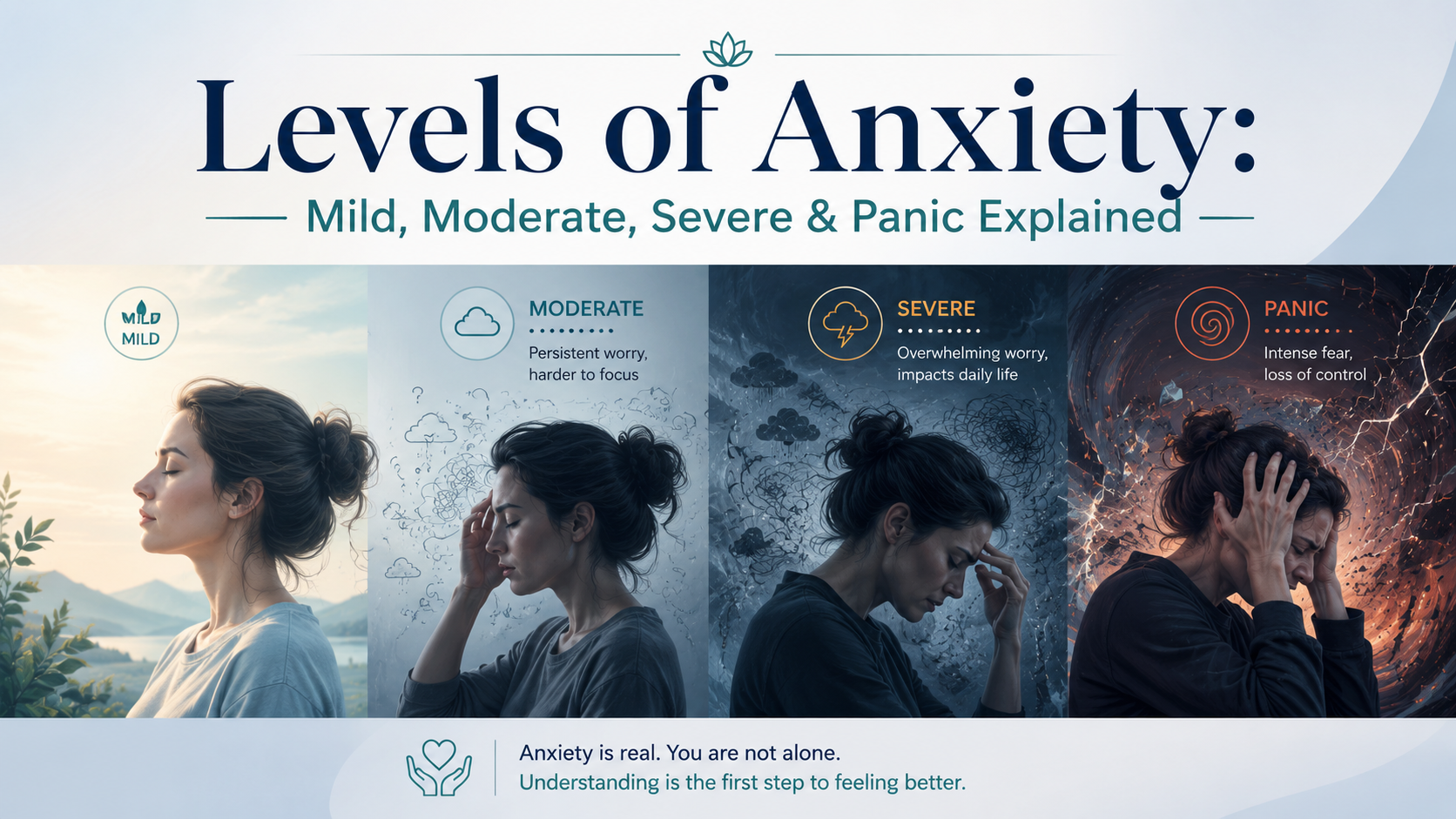
Anxiety disorders and substance use problems often occur together, and treating both at the same time improves safety and outcomes. This page explains why co-occurring anxiety and addiction happen, what evidence-based outpatient options in New Jersey look like, medication and safety issues to discuss with a clinician, and how to find local help.
Table of Contents
ToggleWhy anxiety and addiction often occur together
Mental health problems, including anxiety disorders, and substance use disorders can share causes and worsen each other. People sometimes use alcohol or drugs to try to reduce anxiety symptoms, and some substances can create or magnify anxiety. National guidance notes that mental health and substance use problems frequently co-occur, and integrated care that treats both disorders together is preferred to separate care. (samhsa.gov)
Principles of safe, effective outpatient care
Outpatient programs that treat anxiety and substance use together usually follow these principles:
- Integrated assessment, where clinicians ask about both mental health and substance use during the intake evaluation. (psychiatryonline.org)
- Evidence based psychotherapy, most commonly cognitive behavioral therapy, which can address anxiety symptoms and relapse triggers. (nimh.nih.gov)
- Careful medication planning led by a prescriber experienced in co-occurring disorders, because some anxiety medicines carry special risks for people who use substances. (nimh.nih.gov)
- Coordination with medical care, social supports, and community resources to address housing, work, and legal issues that affect recovery. (nida.nih.gov)
What integrated treatment means
Integrated treatment means the same program or coordinated team treats the anxiety disorder and the substance use disorder at the same time. Research and federal implementation guides recommend integrated models because they reduce gaps and conflicting plans, and they are generally more effective than treating each problem separately. (samhsa.gov)
Common treatment components
- Psychotherapy: Cognitive behavioral therapy and other structured psychotherapies are first line treatments for many anxiety disorders and can be adapted for people with co-occurring substance use. (nimh.nih.gov)
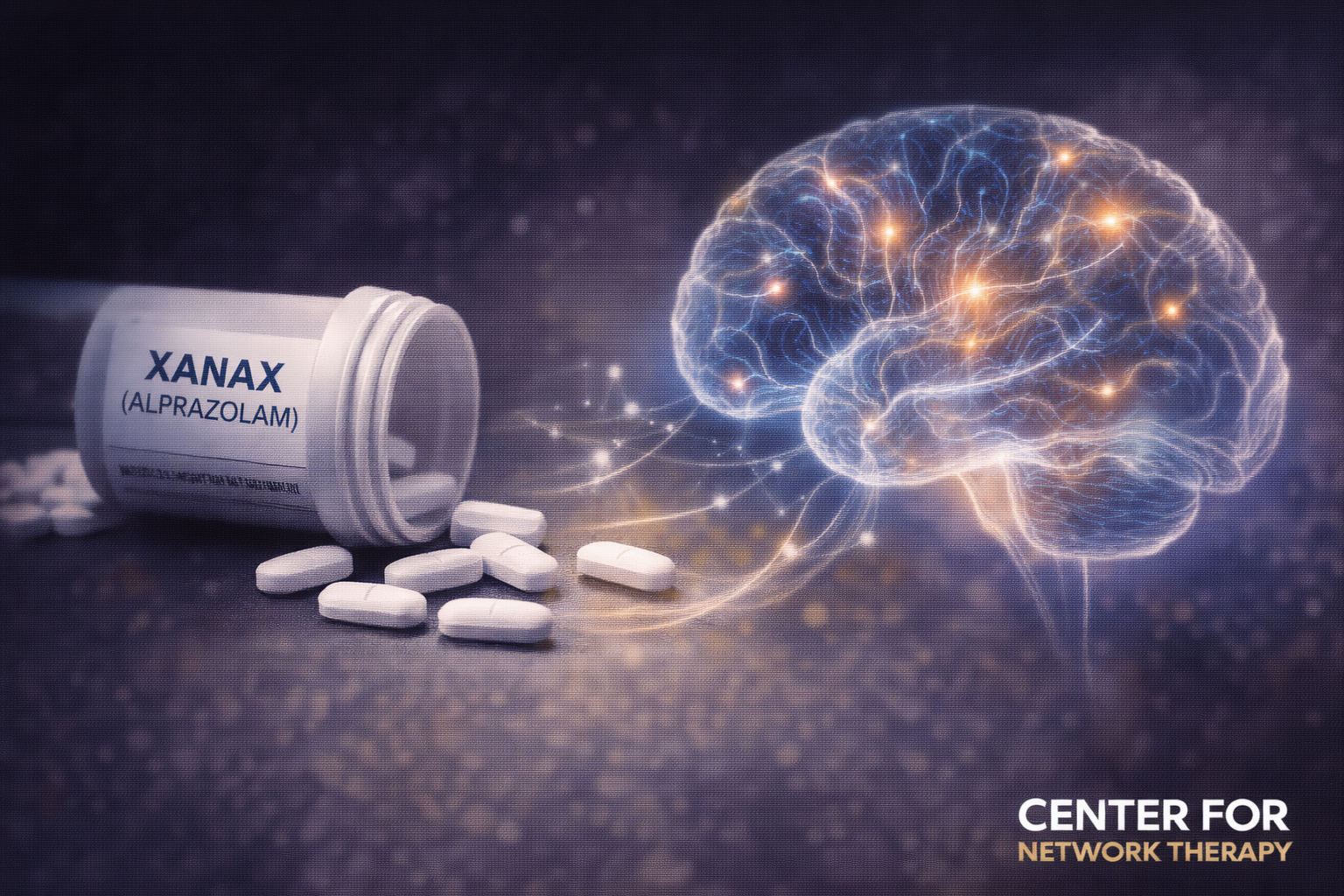
- Medications: Antidepressants such as selective serotonin reuptake inhibitors and serotonin-norepinephrine reuptake inhibitors are commonly used for anxiety and are often preferred when substance use is present. Benzodiazepines may pose misuse or safety risks for people with substance use disorders and are used with caution. Discuss all medication options with a qualified prescriber. (nimh.nih.gov)
- Medication for opioid use disorder: If opioid use disorder is present, medications such as buprenorphine or methadone reduce overdose risk and improve engagement. These treatments should be part of an integrated plan if applicable. National guidance supports using medication assisted treatment as appropriate. (nida.nih.gov)
- Case management and peer support: Practical assistance with appointments, benefits, housing, and peer recovery support improves follow through for both anxiety and addiction care. (nida.nih.gov)
| Setting | Who it may suit | Typical services | What it treats |
|---|---|---|---|
| Standard outpatient | Stable daily functioning, mild to moderate symptoms | Weekly therapy, medication management, case coordination | Chronic anxiety, mild to moderate substance use |
| Intensive outpatient program (IOP) | Greater risk of relapse, need more structure but not 24 hour care | Multiple weekly therapy groups, individual counseling, psychiatric visits | Moderate substance use disorder with co-occurring anxiety |
| Medical detox / inpatient | Severe withdrawal risk, unstable medical or psychiatric symptoms | 24 hour medical care, medically supervised withdrawal, stabilization | Acute withdrawal, seizures, severe intoxication, suicidality |
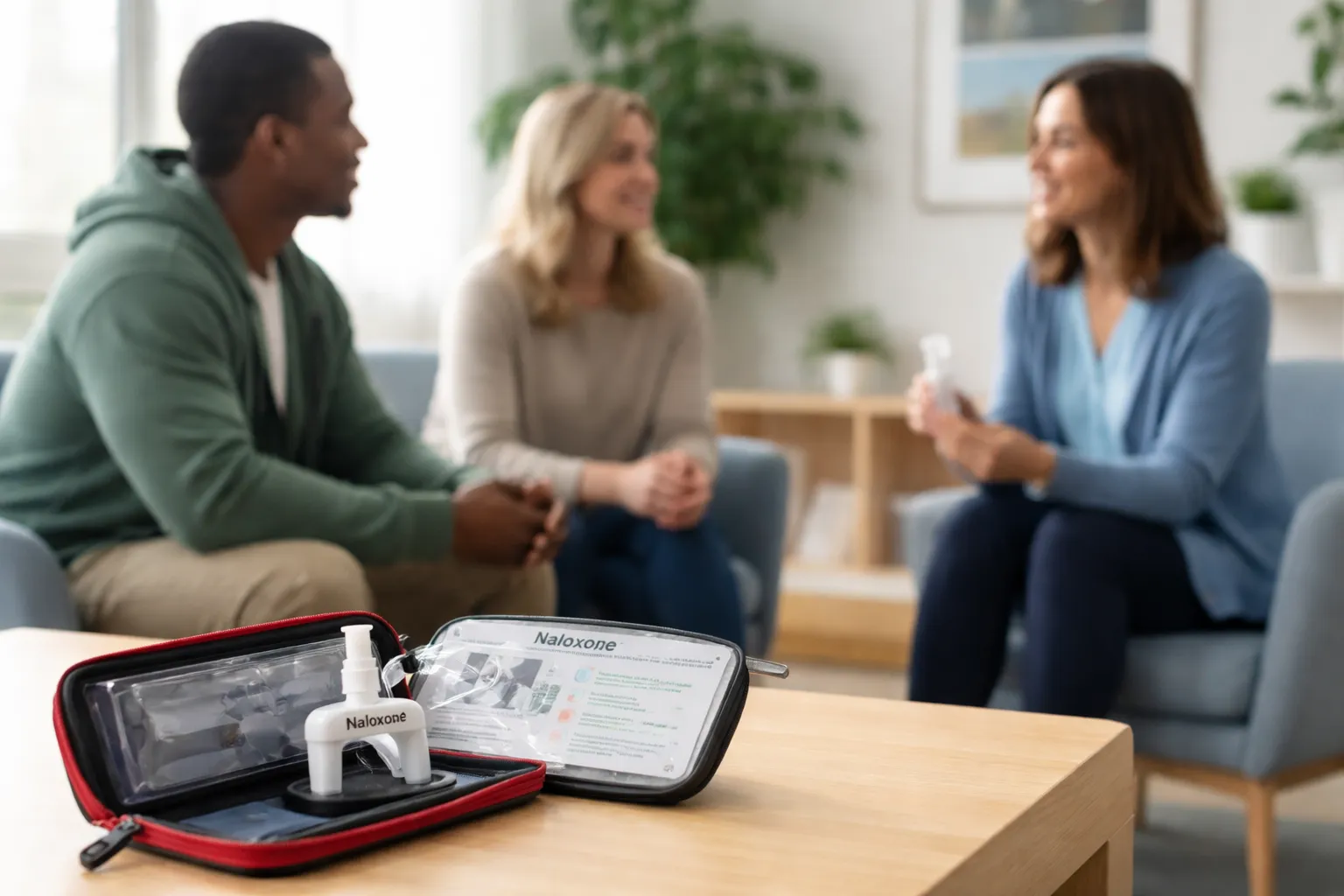
| Medication assisted treatment clinic | Opioid use disorder or alcohol use disorder requiring pharmacotherapy | MOUD, counseling, overdose prevention and naloxone distribution | Opioid use disorder, alcohol use disorder with co-occurring anxiety |
Medication safety and interactions
Medication choices require clinical assessment. Antidepressants are commonly used for anxiety, but some sedative medicines carry higher risks in people who use substances. The U.S. Food and Drug Administration requires strong warnings about the combined use of benzodiazepines and opioid medicines because of the risk of slowed breathing and death. Clinicians will weigh benefits and risks, consider alternatives, and monitor closely. (nimh.nih.gov)
Safety callout
If someone is experiencing a medical emergency such as overdose, uncontrolled withdrawal, seizures, severe psychosis, or loss of consciousness, call 911 now. For mental health or suicide crisis support, call or text 988 any time. If you are in New Jersey and need immediate help for substance use, call ReachNJ at 1-844-732-2465. These hotlines provide urgent support and can connect you with local services. (cdc.gov)
Special situations that need urgent or specialized care
Certain situations should prompt discussion of higher levels of care or specialty consultation:
- Pregnancy, because some medications and withdrawal carry risks for the mother and fetus. Management should involve obstetric and addiction specialists. (nida.nih.gov)
- Adolescents and young people, who often need family involved care and access through youth-specific entry points such as PerformCare in New Jersey. (nj.gov)
- Severe withdrawal, seizures, severe intoxication, or unstable medical conditions, which require medical detox or inpatient stabilization. (cdc.gov)
- Active suicidal thoughts, psychosis, or inability to care for oneself, which require urgent psychiatric evaluation or emergency services. Call 911 or 988. (nj.gov)
Questions families often ask
Can anxiety medications be used if someone has a substance use disorder?
Yes, many anxiety medications can be used safely, but the choice depends on the substances used, severity of use, medical history, and risk of misuse. Antidepressants such as SSRIs are commonly selected. Benzodiazepines require special caution because of dependence risk and potential for dangerous interactions with opioids. Discuss options with a prescriber who treats co-occurring disorders. (nimh.nih.gov)
Will treating anxiety make someone stop using substances?
Treating anxiety can reduce one driver of substance use, but addiction is influenced by many factors. Integrated care that addresses both problems, offers skills training, and connects to social supports gives the best chance of reducing use and improving functioning. No program can guarantee outcomes. (samhsa.gov)
Is outpatient treatment safe if someone uses opioids or drinks heavily?
Outpatient care can be safe for many people when it includes medical oversight, access to medications for opioid use disorder when appropriate, close monitoring, and overdose prevention tools such as naloxone. People at high risk of severe withdrawal or unstable medical or psychiatric symptoms may need inpatient or medical detox first. (nida.nih.gov)
How to find treatment in New Jersey
New Jersey offers state resources to find integrated behavioral health and addiction services. ReachNJ is the state addiction helpline at 1-844-732-2465, available 24 hours, and the Division of Mental Health and Addiction Services maintains directories and certified community behavioral health clinics. For youth up to age 20, PerformCare is a single point of access. If you prefer to contact a local provider directly, you can request a confidential assessment or learn about available outpatient programs and locations. (nj.gov)
For outpatient program options and locations offered by our organization, see available treatments and locations: treatments, locations, or contact us to request a confidential consultation.
Sources and further reading
- SAMHSA: What are co-occurring disorders. (SAMHSA explains why integrated care is important and offers resources.) (samhsa.gov)
- NIDA: Common comorbidities with substance use disorders. (Research summary on co-occurring mental health conditions and substance use.) (nida.nih.gov)
- NIMH: Treatment for anxiety disorders. (Overview of psychotherapy and medication options for anxiety.) (nimh.nih.gov)
- FDA: Safety measures for opioids and benzodiazepines. (Boxed warning and labeling changes on combined use risks.) (fda.gov)
- CDC: Naloxone and overdose response. (How naloxone works and when to use it.) (cdc.gov)
- New Jersey DMHAS: Hotlines and helplines. (ReachNJ information and state crisis resources.) (nj.gov)
Next steps
If you or a loved one is dealing with both anxiety and substance use, the next step is a confidential clinical assessment to determine the safest and most effective level of care. Placement and medication decisions require a qualified clinician who can review medical history, current substances used, and personal safety risks. If this is an emergency, call 911 now. For a mental health crisis, call or text 988.
To request a confidential assessment or speak with an admissions team member, please contact us through our online form or call. You can also visit our treatments, locations, or contact us pages to learn more. We will work with you to explain options and next steps without pressure.