
If you or a loved one is thinking about treatment for substance use, it helps to know that detox and rehab are different stages in care. This article explains what each stage does, who may need which type of care, safety considerations, and how outpatient detox connects to longer term treatment.
Table of Contents
ToggleWhat is detox (withdrawal management)?
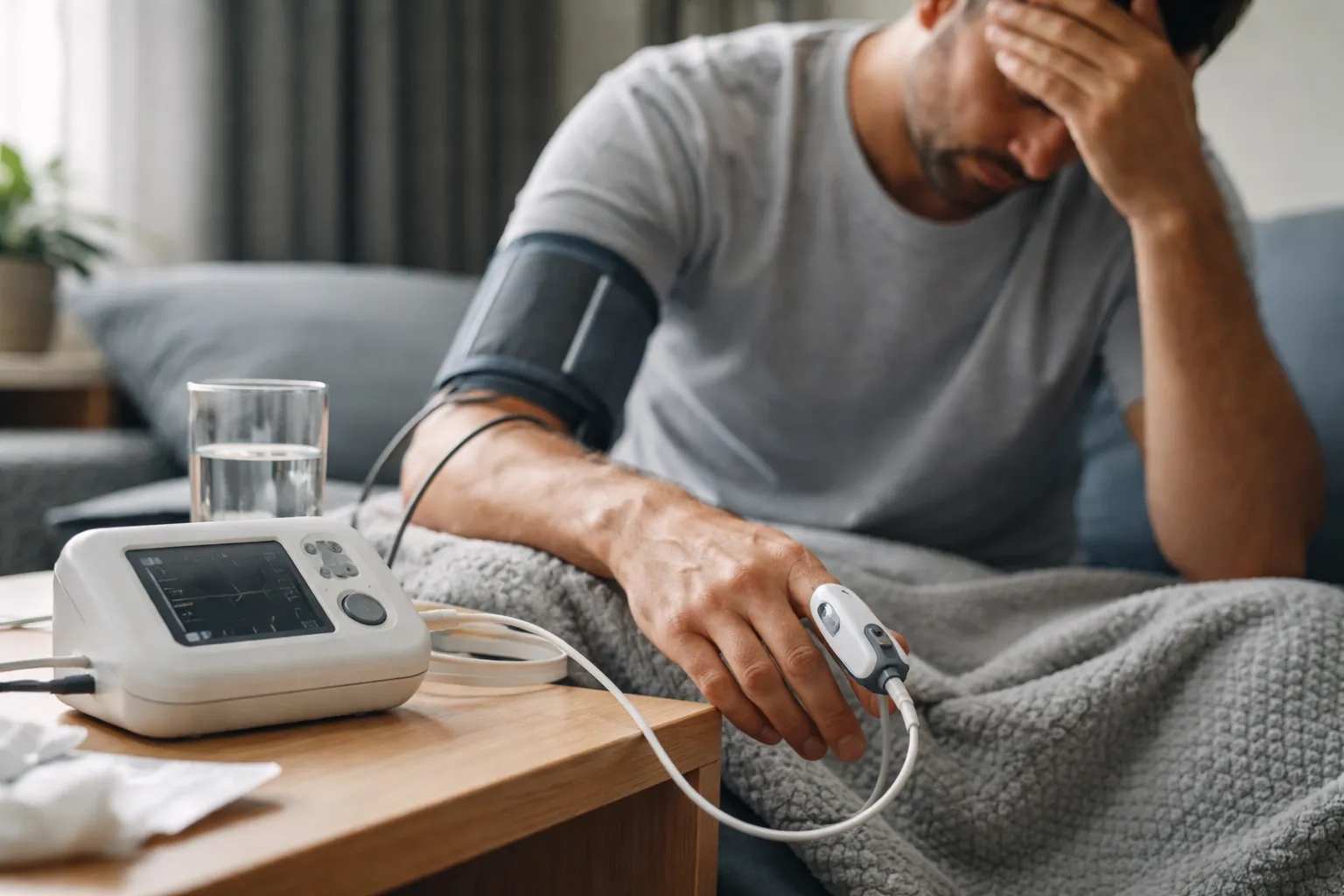
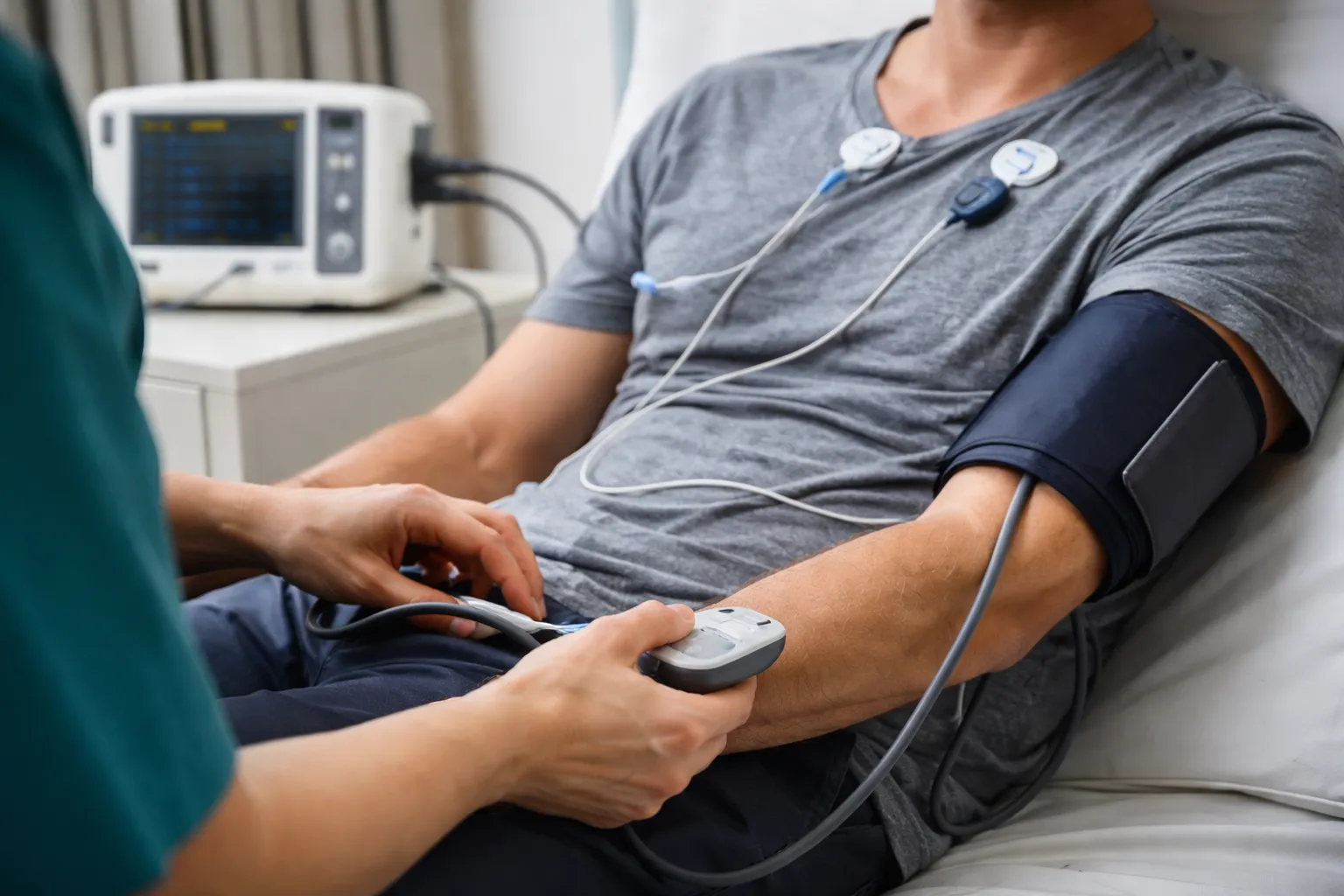
Detox, more often called withdrawal management by clinicians, is the medical and nursing process of safely helping someone through the acute physical effects of stopping or reducing use of a substance. The goal is to reduce medical risk, manage uncomfortable symptoms, and stabilize the person so they can begin ongoing care. This is described in clinical guidance from the Substance Abuse and Mental Health Services Administration and other federal sources. SAMHSA TIP 45 and the NIDA Principles of Drug Addiction Treatment both emphasize that medically supervised withdrawal management is an initial stage, not a complete treatment plan.
What happens during withdrawal management?
- Initial medical and psychiatric assessment to identify risks and co-occurring conditions.
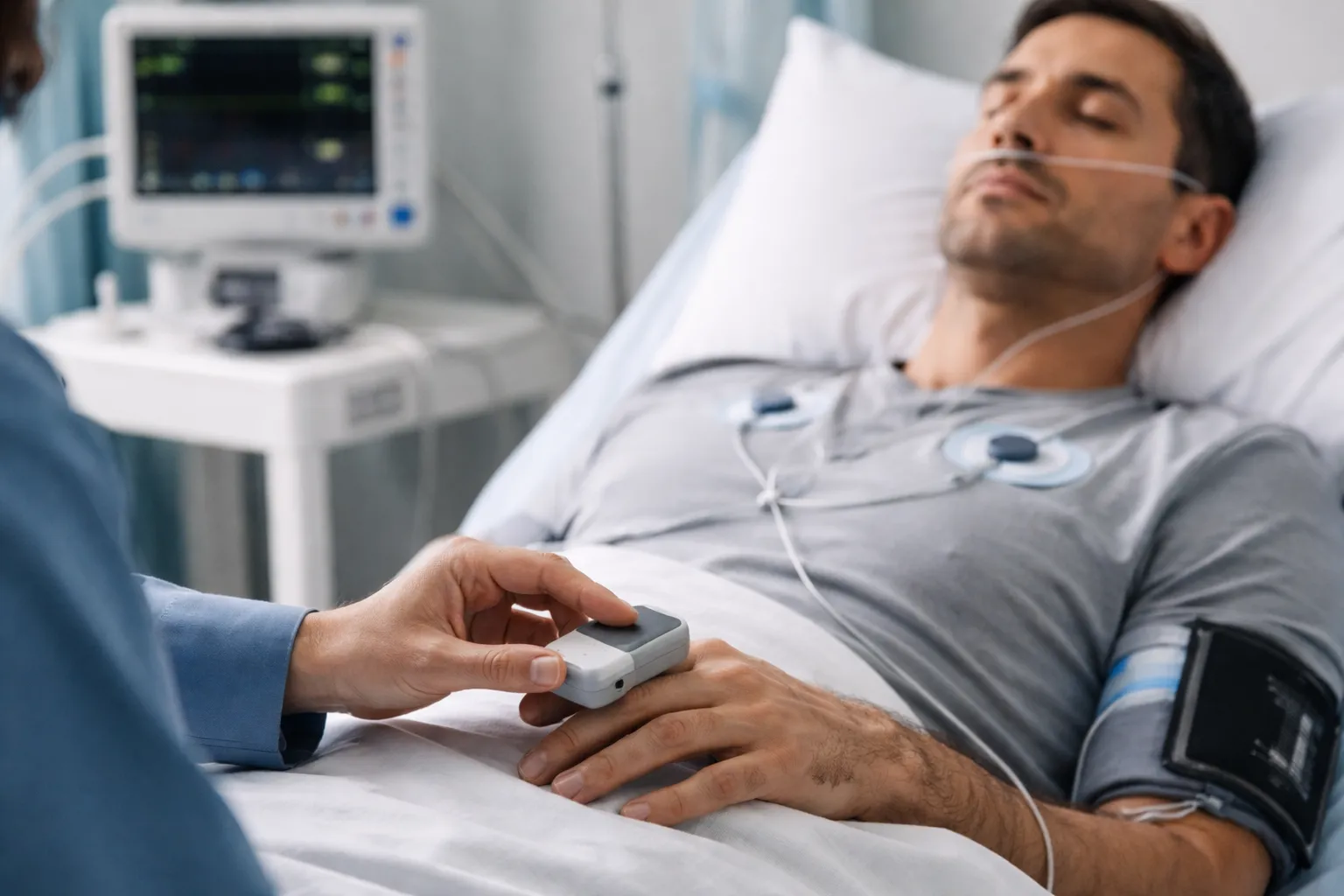
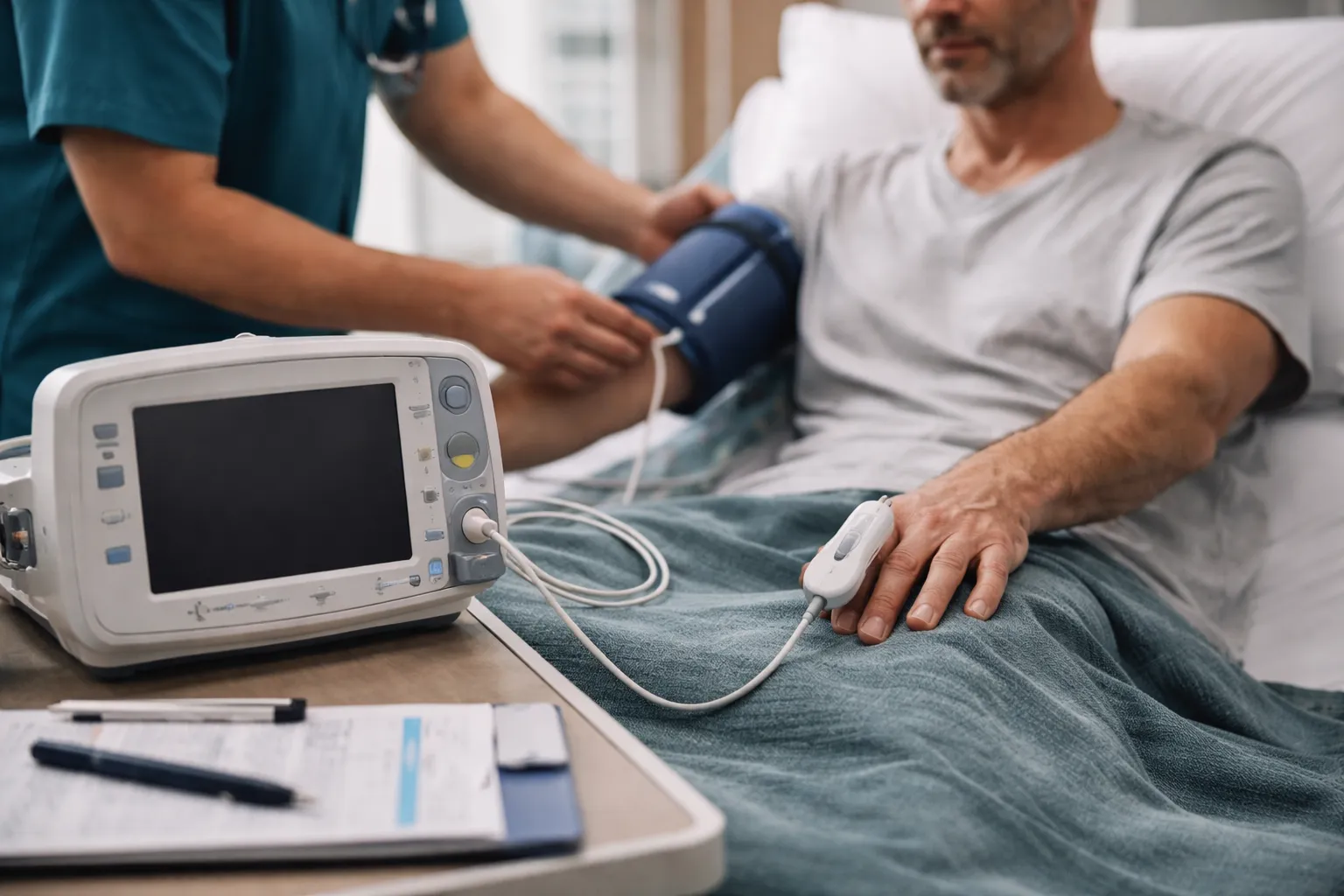
- Monitoring of vital signs and symptoms, with medication provided when indicated to reduce risk and discomfort.
- Education and planning to connect the person with appropriate next-step treatment.
Some substances have specific medical risks during withdrawal. For example, alcohol withdrawal can cause seizures and delirium tremens, which can be life threatening without timely treatment. Clinical guidelines recommend deciding between ambulatory and inpatient withdrawal management based on risk factors and the ASAM placement criteria. NIAAA, ASAM Clinical Practice Guideline on Alcohol Withdrawal Management
What is rehab (ongoing treatment)?
Rehab refers to the set of services that aim to treat the underlying substance use disorder over weeks to months. Rehab may include outpatient counseling, intensive outpatient programs, partial hospitalization, residential programs, and medication treatment where appropriate. The goal of rehab is to reduce use, improve functioning, prevent relapse, and address co-occurring mental and medical conditions. Federal guidance notes that detox alone is rarely sufficient, and continuing care should follow withdrawal management. NIDA Principles, SAMHSA TIP 45
Common components of ongoing treatment
- Behavioral therapies such as cognitive behavioral therapy and motivational interviewing.
- Medications for specific disorders when indicated, for example methadone, buprenorphine, or naltrexone for opioid use disorder. The United States Food and Drug Administration lists these medications as approved options for opioid use disorder. FDA: Medications for Opioid Use Disorder
- Help with housing, employment, family supports, and peer recovery coaching.
Who needs detox versus rehab, or both?
Placement decisions depend on the substance used, medical history, psychiatric history, social supports, and current level of functioning. Clinicians commonly use the ASAM Patient Placement Criteria to guide these decisions, assessing six clinical dimensions to match the person to the safest level of care. ASAM Criteria
Examples of factors that increase likelihood of inpatient withdrawal management include:
- History of severe withdrawal like alcohol seizures or delirium tremens. NIAAA
- Serious unstable medical or psychiatric conditions.
- No safe or supportive place to recover, or concurrent intoxication/overdose risk.
Many people can complete withdrawal management safely in an outpatient setting with close follow-up. Regardless of where withdrawal is managed, clinical guidance recommends prompt connection to longer term treatment, because withdrawal management on its own does not address the behaviors and circumstances that contribute to substance use. SAMHSA TIP 45, NIDA
Comparison table: Detox versus Rehab
| Feature | Detox (withdrawal management) | Rehab (ongoing treatment) |
|---|---|---|
| Primary purpose | Manage acute withdrawal and medical risk | Treat the substance use disorder and reduce relapse |
| Typical duration | Days to 1-2 weeks, depending on substance and severity | Weeks to months or longer, often with stepped care over time |
| Common locations | Hospital, residential withdrawal unit, or ambulatory clinic | Outpatient, intensive outpatient, partial hospitalization, residential |
| Medical care | Focus on vital sign monitoring and medications to prevent complications | May include medications for addiction, chronic disease management |
| Psychosocial care | Brief counseling and planning for next-step care | Structured therapy, group work, family services, case management |
| Goal | Safe physiological stabilization | Longer term recovery and improved functioning |
Safety callout
Medical emergency or overdose: Call 911 immediately for a life-threatening emergency. For a mental health or suicide crisis, call or text 988 to reach the 988 Suicide & Crisis Lifeline.
If you are stopping alcohol, benzodiazepines, or other sedative-hypnotics, be aware that withdrawal can be dangerous and requires clinical evaluation. NIAAA on alcohol withdrawal, ASAM guideline
Frequently asked questions
Is detox the same as treatment?
No. Detox or withdrawal management treats the immediate physical effects of stopping a substance. It does not by itself provide the behavioral therapies, relapse prevention, and supports that make up comprehensive treatment. Experts advise that detox be followed quickly by ongoing care. NIDA Principles
Can medications be used during detox or rehab?
Yes. Medications are often used to manage withdrawal symptoms and to treat specific substance use disorders. For opioid use disorder, methadone, buprenorphine, and naltrexone are FDA approved options. For alcohol withdrawal, benzodiazepines are commonly used to reduce seizure risk. Medication decisions should be made by a qualified clinician based on an individual assessment. FDA on medications for OUD, SAMHSA TIP 45, NIAAA
Is outpatient detox safe?
Outpatient withdrawal management can be safe for people with lower medical risk, good social supports, and reliable follow-up. Those with higher risk should receive inpatient or medically monitored care. Clinical placement should be made by trained clinicians using standardized criteria. ASAM Criteria, SAMHSA TIP 45
Sources
- SAMHSA TIP 45, Detoxification and Substance Abuse Treatment
- NIDA, Principles of Drug Addiction Treatment, 3rd edition
- ASAM Clinical Practice Guideline on Alcohol Withdrawal Management
- FDA: Medications for Opioid Use Disorder
- NIAAA: Alcohol withdrawal
- CDC: Naloxone and overdose reversal
- New Jersey Department of Human Services: resources for substance use treatment
Next steps, if you think you or a loved one needs help
If you are concerned about immediate medical risk, call 911. For nonemergency help, a clinician should evaluate medical risk, current substance use, and psychiatric needs to recommend appropriate placement and medications. Placement and medication decisions require an assessment by a qualified clinician and are individualized to each person.
If you are exploring outpatient options in New Jersey, read about available services and levels of care at our treatments page, or check locations near you on our locations page. If you want help arranging an assessment, please contact our admissions team through our contact page for a confidential conversation about options and next steps.
Final note: This article provides general education, not individualized medical advice. Treatment pathways vary by clinical needs, local resources, and clinician judgment. For emergencies call 911, for a mental health or suicide crisis call or text 988.