Medication management can be a key part of outpatient detox and ongoing addiction treatment. This article explains what medication management in addiction treatment means, which medications clinicians commonly use for opioids, alcohol, tobacco, and related conditions, how outpatient programs provide these medicines, and practical questions patients and families should ask before starting treatment.
Table of Contents
ToggleWhat is medication management in addiction treatment?
Medication management in addiction treatment means using FDA approved medicines together with counseling, behavioral therapies, and medical monitoring to reduce withdrawal, lower cravings, prevent overdose, and support recovery goals. Medication choices are individualized after a medical assessment, informed consent, and regular follow up with a qualified clinician. Medication is one component of care, not a stand alone solution. Evidence-based programs combine medicines with psychosocial supports and continuing medical evaluation. (samhsa.gov)
Why medications matter
Medications can: reduce the severity of withdrawal, lower the risk of relapse, decrease overdose risk, and improve retention in outpatient programs. For opioid use disorder, methadone and buprenorphine have strong evidence for reducing overdose and supporting continuity of care, and naltrexone is another FDA approved option for some patients. For alcohol use disorder, naltrexone, acamprosate, and disulfiram are the approved medications that may help people reduce drinking or maintain abstinence. For tobacco use, nicotine replacement, varenicline, and bupropion are effective tools when combined with counseling. Decisions about which medicine to use depend on medical history, substance use pattern, pregnancy status, and individual goals. (samhsa.gov)
How outpatient detox and treatment teams provide medication
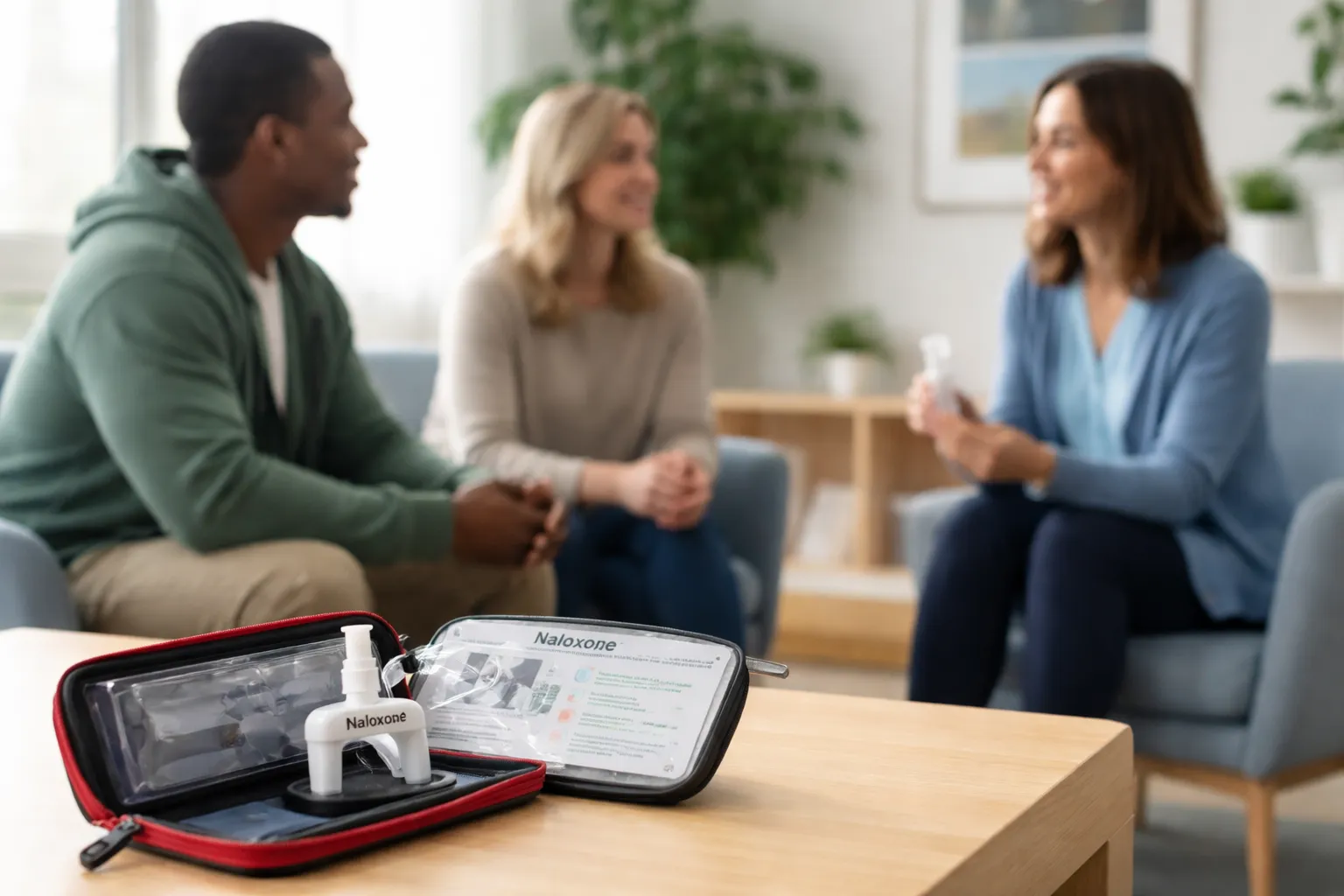
Outpatient programs commonly provide medication through an integrated clinic visit, pharmacy prescription, or referral to a specialized opioid treatment program. Some medicines must be dispensed in a licensed opioid treatment program such as methadone, while others can be prescribed in office-based settings. Regulatory changes in recent years removed the federal requirement for a special DATA 2000 waiver for clinicians to prescribe buprenorphine in many settings, expanding prescriber access where state law allows. Programs still use careful screening, medication monitoring, counseling, and urine drug testing as part of ongoing care. Local public health programs typically distribute naloxone and offer overdose prevention training. (samhsa.gov)
Common medications by substance
- Opioids: Methadone, buprenorphine (various formulations), and naltrexone are FDA approved to treat opioid use disorder. Buprenorphine can be provided in many outpatient settings. Methadone is generally dispensed at certified opioid treatment programs. Clinicians often offer naloxone for overdose reversal to patients and family members. (samhsa.gov)
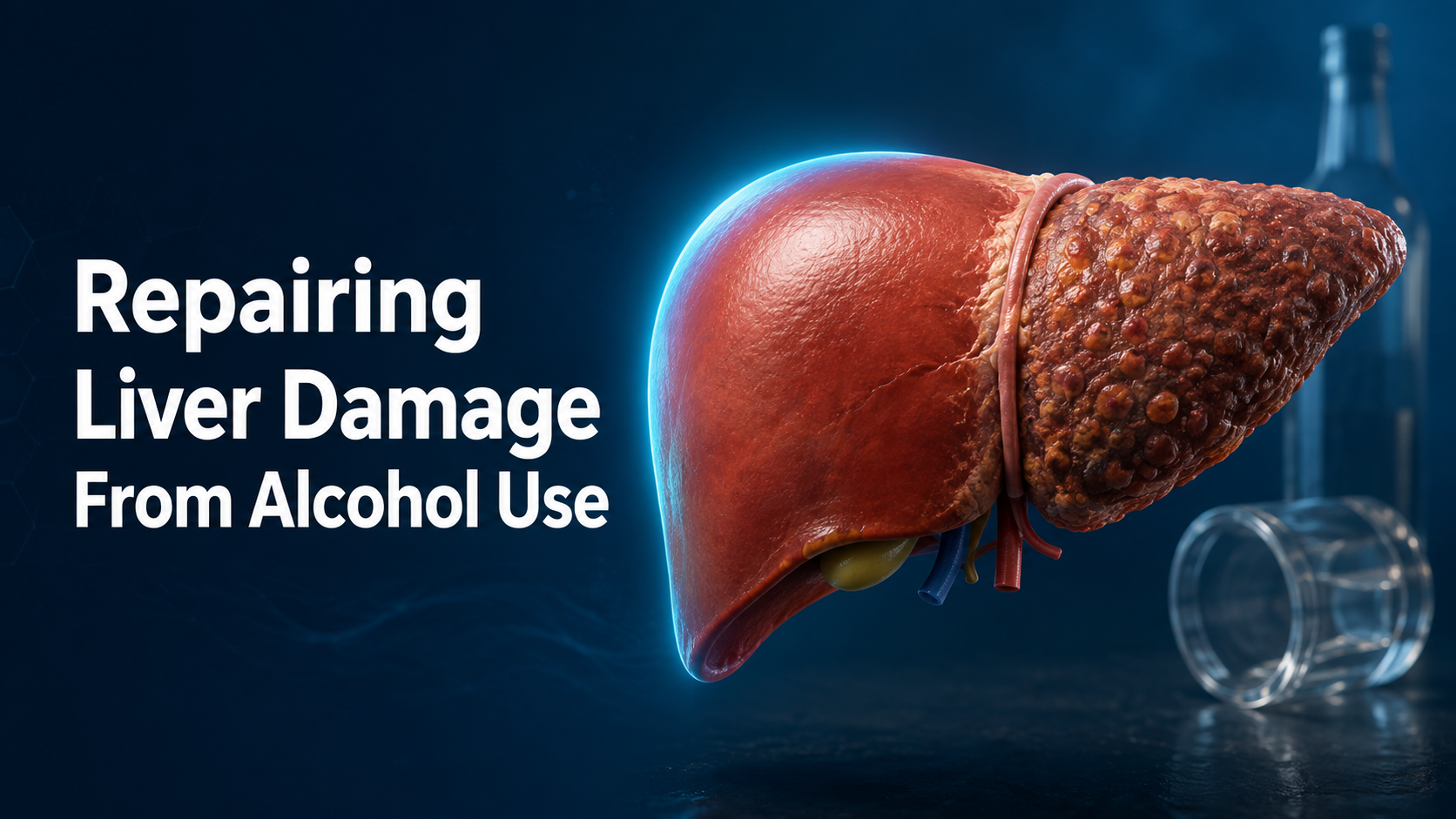
- Alcohol: Oral naltrexone or injectable extended release naltrexone, acamprosate, and disulfiram are approved medications that may help people reduce or stop drinking when part of a treatment plan. Treatment selection requires checking liver function and other medical issues. (niaaa.nih.gov)
- Tobacco: Nicotine replacement therapy, varenicline, and bupropion are options that work best with counseling and a quit plan. (nida.nih.gov)
| Medication | Usual route | Where given | Key considerations |
|---|---|---|---|
| Methadone | Oral | Opioid treatment program (OTP) | Effective for many patients with OUD, must be dispensed under OTP rules, requires daily visits early in treatment. Pregnancy-friendly option with specialized care. (store.samhsa.gov) |
| Buprenorphine | Sublingual, buccal, tablets, or extended release injection | Office-based, clinic, or OTP | Partial opioid agonist with lower overdose risk than full agonists, more accessible since waiver requirements changed; follow up and monitoring recommended. (fda.gov) |
| Naltrexone | Oral or extended release injection | Outpatient clinics | Opioid antagonist: requires a period free of opioids before starting to avoid precipitated withdrawal; also used for alcohol use disorder when appropriate. (accessdata.fda.gov) |
Questions to ask about medication management addiction treatment
Bring these questions to your first appointment or to a family meeting with the treatment team. Short answers from clinicians help you understand the plan and expectations.
- What is the medication you are recommending, and how does it work for my specific substance use? (Ask for brand and generic names.)
- What are the short term and long term risks and benefits of this medication for me?
- How will you decide the right dose and how often will I be seen for follow up?
- Are there medical tests needed before starting, such as liver tests, pregnancy test, or ECG?
- How will you coordinate care with my primary care provider, psychiatrist, or obstetrician if I am pregnant?
- What is the plan if the medication does not work, if I have side effects, or if I want to stop the medicine? How is stopping handled safely?
- Will I be prescribed naloxone and trained in how to use it? Where can family members get naloxone? (cdc.gov)
- How do you handle privacy and prescription monitoring checks, and how will insurance or payment be handled?
Red flags and situations that need urgent or specialized care
Certain circumstances require immediate or specialty care rather than routine outpatient medication management. These include severe alcohol withdrawal with seizures or delirium, active psychosis, uncontrolled medical illness, pregnancy requiring opioid therapy, severe or prolonged withdrawal, and recent overdose. In those cases, the team should arrange urgent medical evaluation, hospital care, or transfer to a specialized program. If someone is in immediate danger, call 911. For a mental health or suicide crisis, call or text 988. (ncbi.nlm.nih.gov)
What to expect during medication management visits
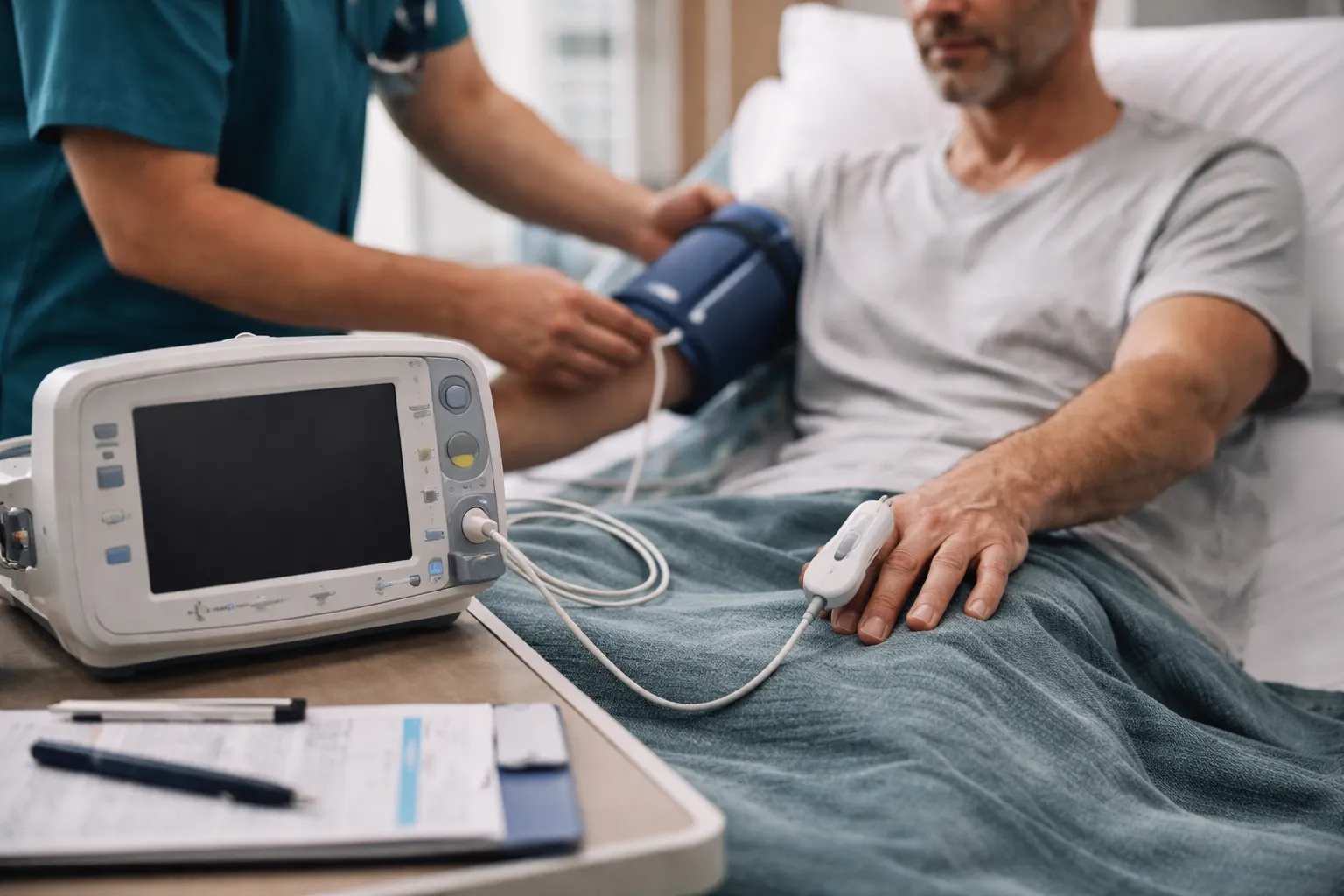
Outpatient medication management typically includes an initial medical evaluation, medication education, baseline tests as needed, a written treatment agreement, scheduled follow up visits, medication adjustments, and coordination of counseling. Monitoring may include urine or oral fluid drug testing and periodic medical labs. The clinician should discuss side effects, interactions with other medicines, and safe storage and disposal. Treatment teams should respect patient preferences, offer informed choice, and explain alternatives. (samhsa.gov)
Frequently asked questions
Will I have to take medication forever?
Some people use medication short term for withdrawal relief, while others use medication long term to reduce relapse risk. Duration depends on individual needs and clinical judgement. Decisions about stopping should be made with your clinician and include a safety plan. (samhsa.gov)
Can medications for addiction interact with other prescriptions?
Yes. Many addiction medications interact with other medicines and medical conditions. Clinicians should review all prescriptions, over the counter medicines, and supplements before starting any treatment. Testing and monitoring reduce risk. (fda.gov)
Is it safe to use medications during pregnancy?
Pregnancy is a high risk situation that requires specialized care. For opioid use disorder, methadone and buprenorphine are commonly recommended during pregnancy under expert supervision, because untreated opioid use and withdrawal can harm both mother and fetus. Pregnancy care should be coordinated among addiction specialists, obstetric clinicians, and pediatric teams. (store.samhsa.gov)
How do I learn about local services, medications, or naloxone availability in New Jersey?
New Jersey’s Division of Mental Health and Addiction Services and Department of Health maintain treatment directories, naloxone distribution information, and program oversight. Ask your local provider about state resources and community naloxone programs. (nj.gov)
Sources and where to learn more
- SAMHSA TIP 63: Medications for Opioid Use Disorder. Guidance on MOUD and integrated treatment. (samhsa.gov)
- National Institute on Drug Abuse: Treatment brochure. Overview of medications used for opioid, alcohol, and tobacco use disorders. (nida.nih.gov)
- NIAAA: Medications for Alcohol Use Disorder. Patient guidance on approved alcohol medications. (niaaa.nih.gov)
- CDC: Naloxone and overdose reversal. Information on naloxone use and overdose prevention. (cdc.gov)
- FDA: Information about medications for opioid use disorder (MOUD). Regulatory and labeling information for MOUD. (fda.gov)
- New Jersey Division of Mental Health and Addiction Services. State resources, program oversight, and treatment directories. (nj.gov)
Next steps
This article is general education, not individualized medical advice. Placement and medication decisions require assessment by a qualified clinician who can review your medical history, current medicines, pregnancy status, and treatment goals. If you or a family member are considering outpatient detox or medication management, request a confidential assessment or speak with the admissions team to learn how the program coordinates medications, counseling, and medical follow up. For more on available services, see our treatments page, locations, or contact us.
Emergency and crisis resources: Call 911 for a life threatening emergency. For a mental health or suicide crisis, call or text 988. If opioid overdose is possible, give naloxone if available and call 911. Do not stop or change medications without medical advice.