
Many people and families searching for co occurring disorders detox nj want straightforward information about safety, tests, and what comes next. This article explains how outpatient detoxification fits into treatment for people who have both a substance use disorder and a mental health disorder, what New Jersey requires of outpatient programs, and when a higher level of care may be needed.
Table of Contents
ToggleWhat are co-occurring disorders?
Co-occurring disorders means a person has both a substance use disorder and one or more mental health disorders at the same time. Commonly co-occurring conditions include anxiety, depression, post-traumatic stress disorder, bipolar disorder, and psychotic disorders. Accurate identification matters because symptoms overlap, and treatment that addresses only one condition often leaves the other untreated. For basic definitions and prevalence estimates, see federal public health resources. (samhsa.gov)
Why integrated care matters during detox
Detoxification, whether inpatient or outpatient, focuses on safely managing withdrawal symptoms and medical risk. For opioid use disorder, clinical guidance notes that detoxification alone, without offering or arranging ongoing medications for opioid use disorder, is not recommended because it increases the risk of relapse and overdose. Where possible, detoxification is best followed immediately by evidence-based treatment that treats both the substance use and the mental health condition together. (cdc.gov)
Outpatient detox in New Jersey: standards and services
New Jersey regulates outpatient detoxification services and requires programs to follow licensing standards that include medical evaluation, nursing oversight, daily medical monitoring of withdrawal, linkage to counseling, and 24-hour nurse availability. Programs must use recognized assessment tools and make efforts to engage clients in continued care after detox. Admission criteria reference the American Society of Addiction Medicine (ASAM) levels for outpatient detoxification. These rules aim to protect safety while allowing many people to complete withdrawal in a community setting when clinically appropriate. (nj.gov)
Outpatient programs in New Jersey commonly provide:
- Biopsychosocial assessment and a physical exam at admission. (nj.gov)
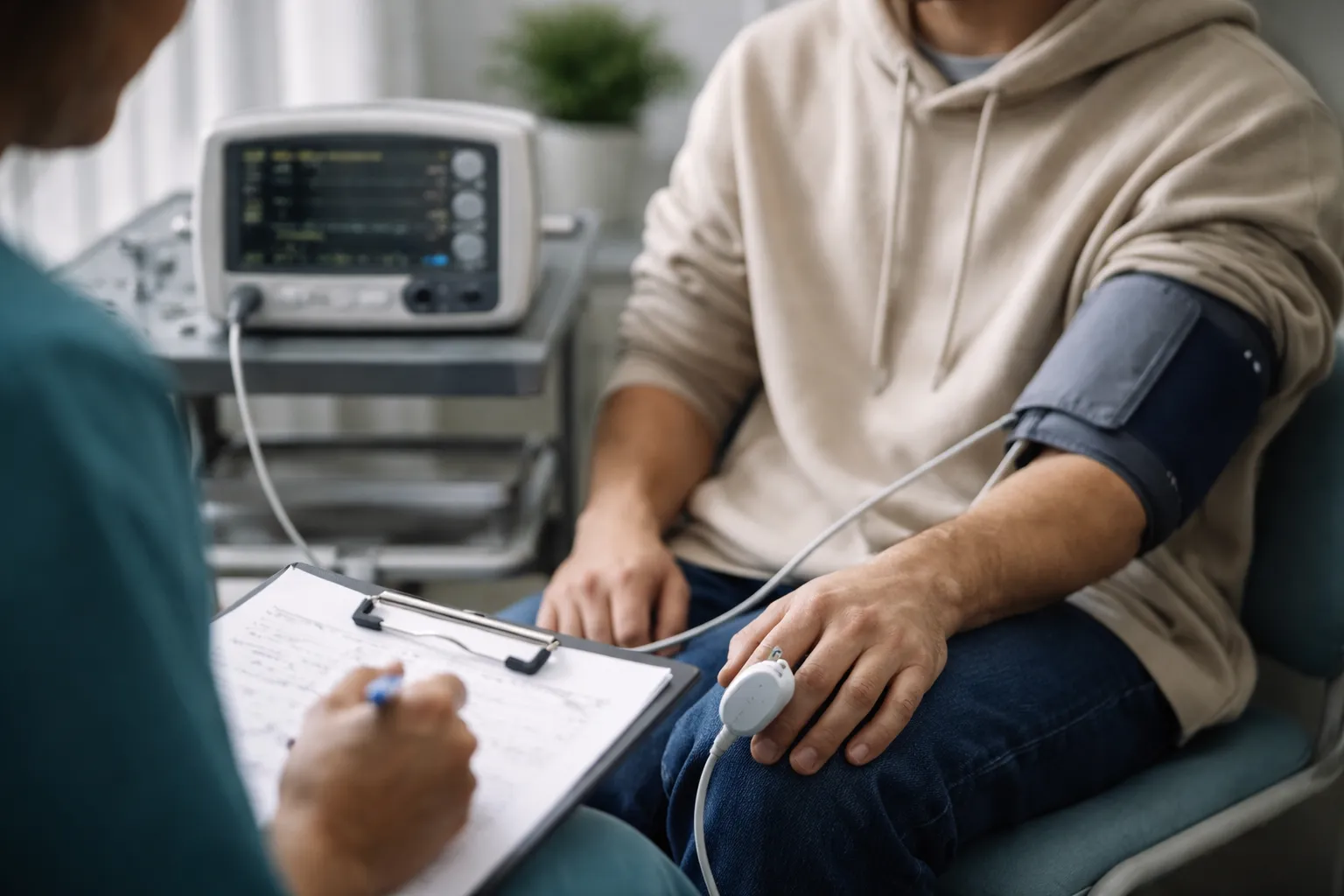
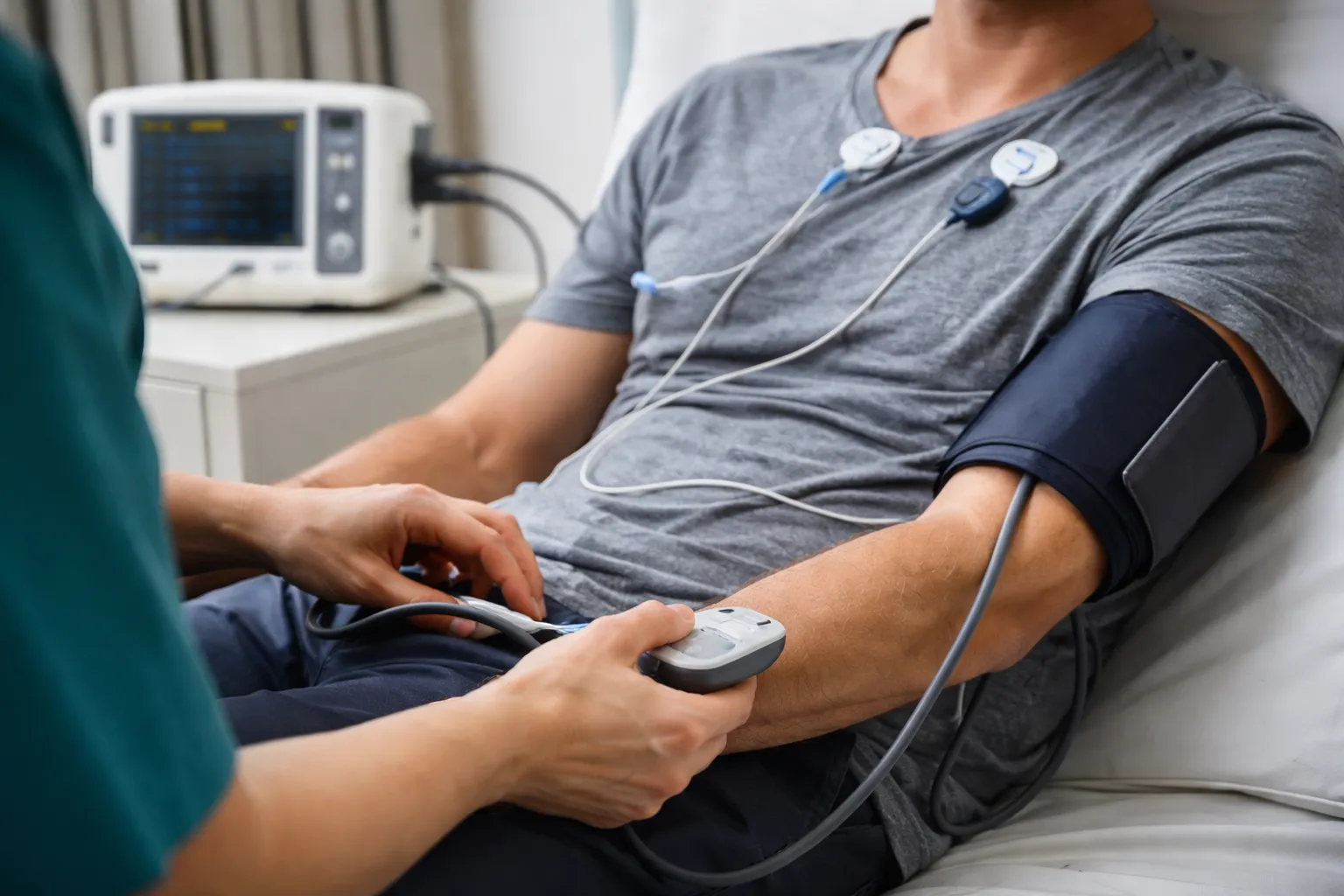
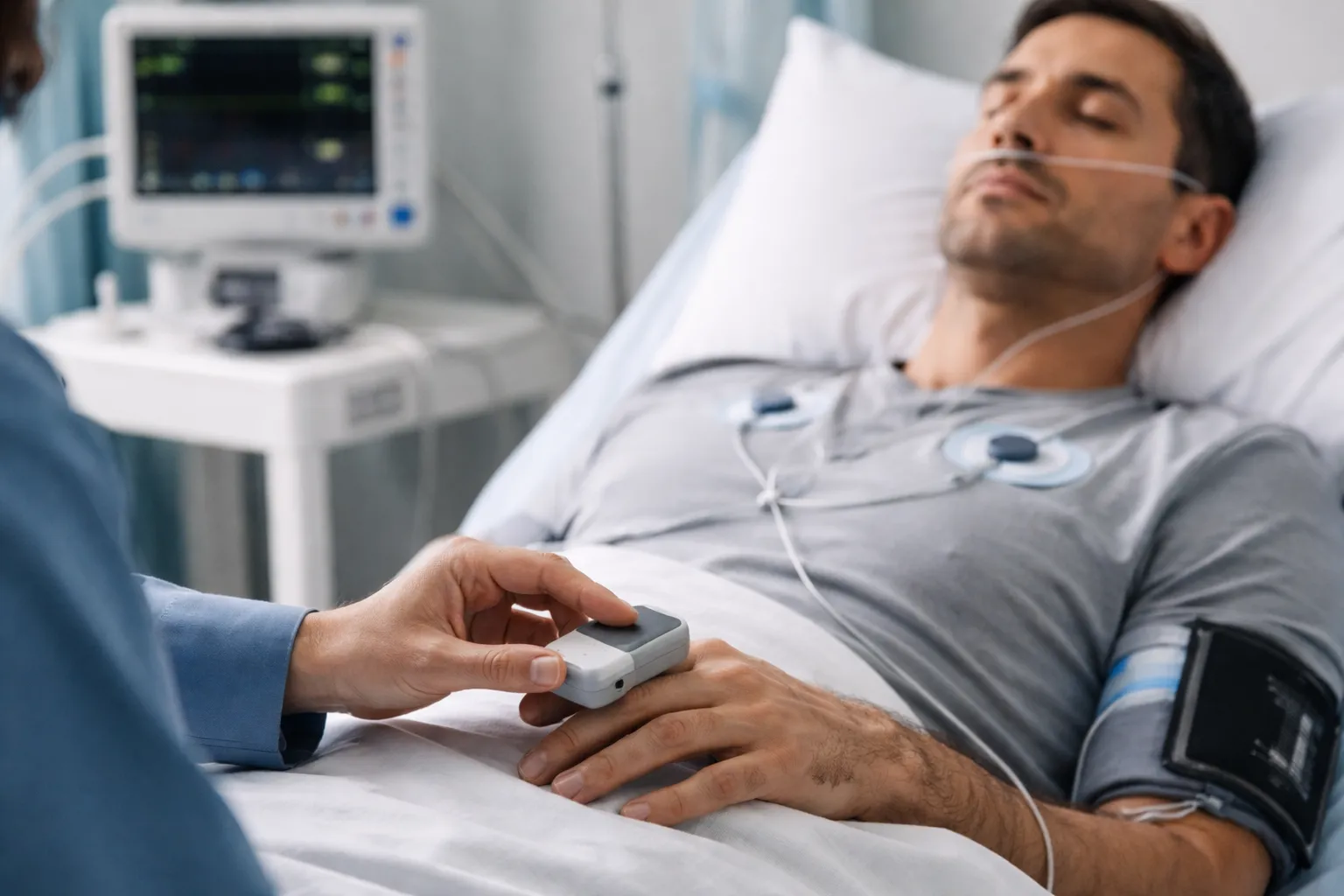
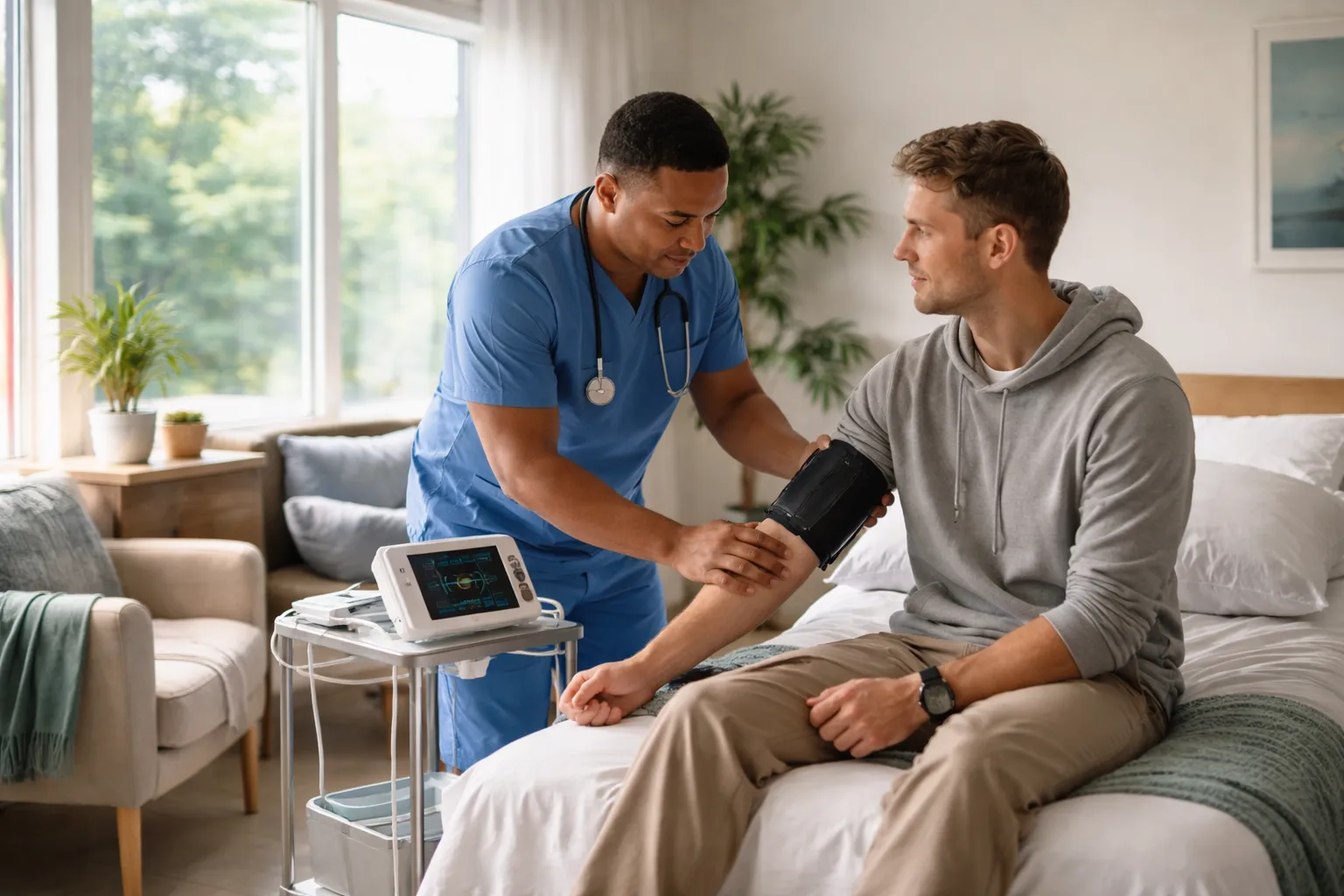
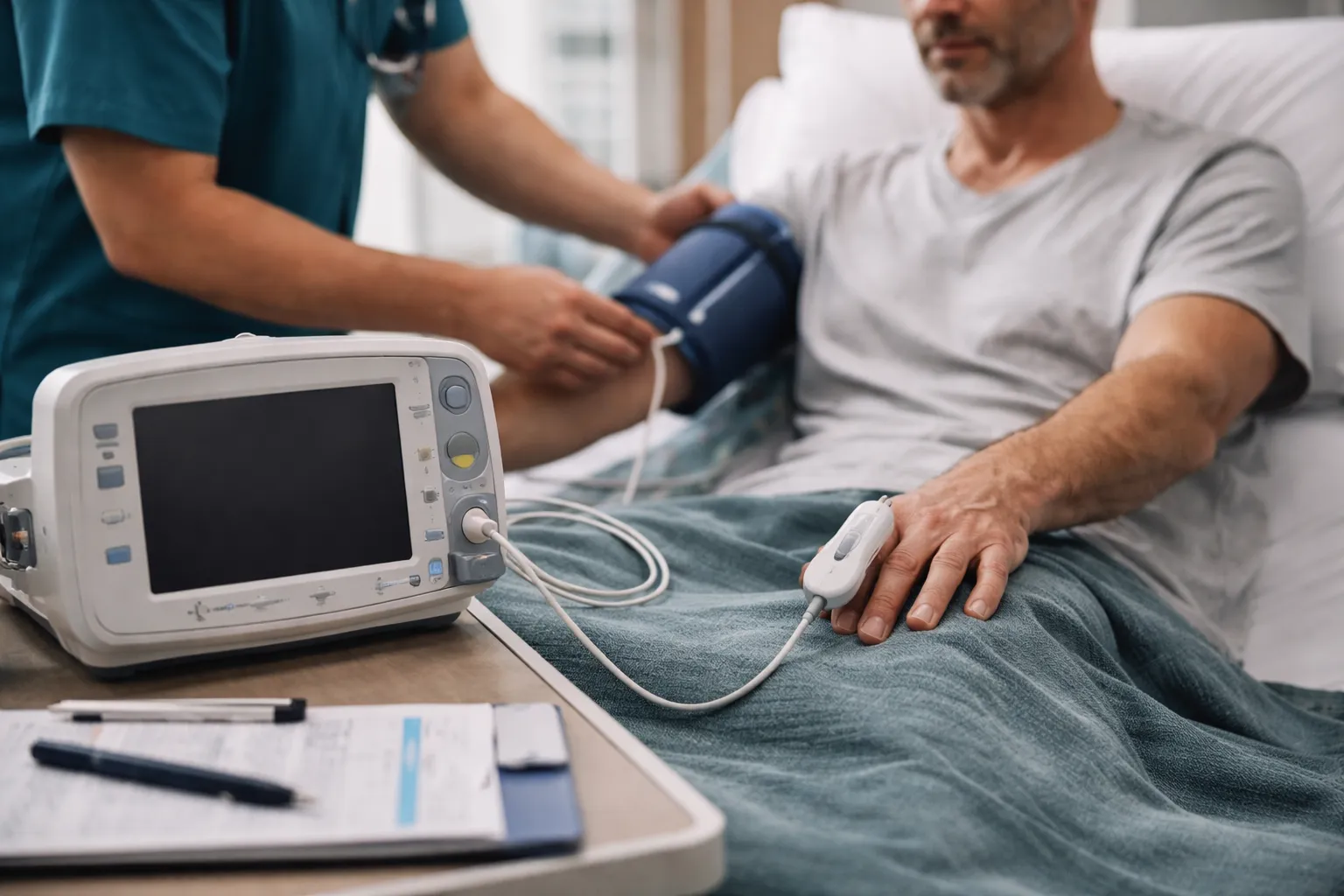
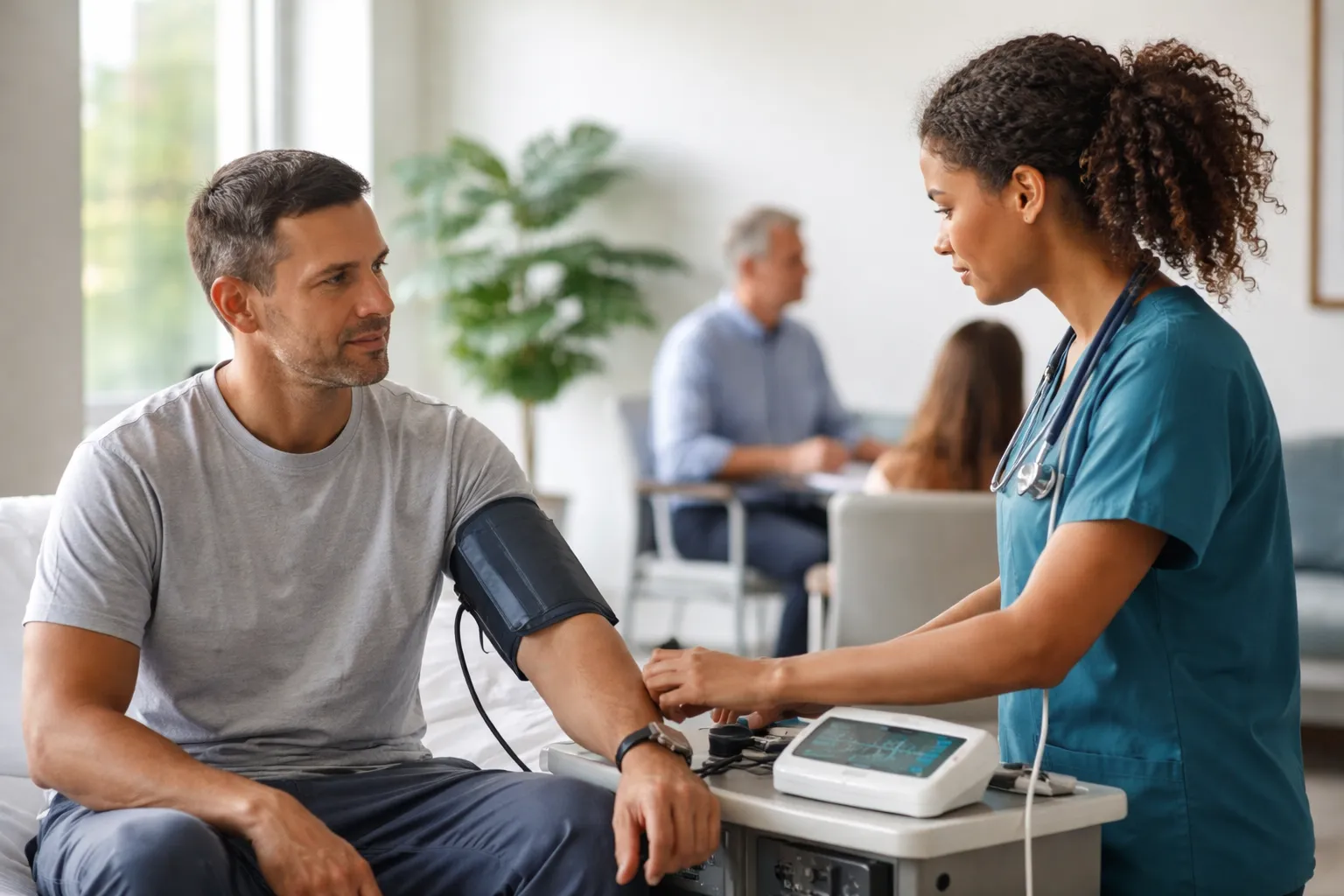
- Daily medical supervision of withdrawal, including vital sign checks by nursing or medical staff. (nj.gov)
- Links to individual and group counseling, intensive outpatient programs, or partial hospitalization as needed. (nj.gov)
- Referral and access to medications when indicated, including medications for opioid use disorder (buprenorphine, methadone, naltrexone) as appropriate. (cdc.gov)
Assessing placement: who should get outpatient detox and who may need inpatient care?
Placement decisions are clinical judgments that require an assessment by a qualified clinician. Factors clinicians consider include the severity of withdrawal, the type and amount of substance used, co-occurring medical or psychiatric conditions, home supports, pregnancy, and recent overdose or suicidal thinking. New Jersey rules explicitly incorporate ASAM criteria when determining whether a person is appropriate for outpatient detox without extended on-site monitoring or needs a higher level of care. Clinicians should evaluate risk of severe withdrawal complications, suicide risk, unstable housing or lack of a safe support network, and acute psychiatric symptoms such as active psychosis when deciding level of care. (nj.gov)
Who may be appropriate for outpatient detox?
- People with mild to moderate withdrawal risk from substances other than severe alcohol or sedative-hypnotic dependence, and who have stable housing and medical supports.
- Individuals willing to engage in daily monitoring, counseling, and follow-up care during detox. (nj.gov)
Who usually needs inpatient or medically supervised detox
- People with severe alcohol or benzodiazepine dependence because withdrawal can be medically dangerous.
- Individuals with uncontrolled psychiatric instability, recent suicide attempt, active psychosis, or no safe home environment. (library.samhsa.gov)
Quick comparison table: outpatient detox versus higher levels of care
| Clinical situation | Outpatient detox | Inpatient/Residential or Medical Detox | Notes |
|---|---|---|---|
| Mild withdrawal, stable home | Often appropriate | Not usually required | Needs daily monitoring, counseling linkages. See NJ outpatient standards. (nj.gov) |
| Severe alcohol or benzodiazepine dependence | Usually not appropriate | Recommended: risks of seizures and delirium tremens | Prefer medically supervised inpatient detox and psychiatry consult. (library.samhsa.gov) |
| Opioid use disorder | May be appropriate with MOUD initiation and close follow-up | Consider if unstable medical or psychiatric conditions | Detox without offering MOUD is not recommended; discuss buprenorphine, methadone, or naltrexone. (cdc.gov) |
| Active suicidal ideation or psychosis | Not appropriate | Inpatient psychiatric stabilization is indicated | Call 988 for mental health crisis or 911 for acute safety threat. (nj.gov) |
Common treatment components and supports during and after detox
Effective programs combine medical care, evidence-based psychosocial therapies, and practical supports. Typical elements include medication management when indicated, cognitive behavioral therapy or other evidence-based counseling, peer support and recovery planning, care coordination across mental health and addiction clinicians, and social supports such as housing and employment referrals. Integrated care models that treat both disorders together generally produce better outcomes than separate parallel services. (library.samhsa.gov)
- Medications: for opioid use disorder, buprenorphine, methadone, and naltrexone are FDA approved and are linked with reduced overdose risk; naloxone is used for emergency reversal of opioid overdose. (cdc.gov)
- Therapies: cognitive behavioral therapy, motivational interviewing, contingency management (when indicated), trauma-informed care, and family work. (nimh.nih.gov)
- Care coordination: programs should have clear referral pathways to psychiatric services, primary care, and social supports. New Jersey regulations require referral and linkage services as part of outpatient detox. (nj.gov)
Safety callout
If someone is in immediate danger, call 911. If someone is experiencing a mental health, substance use, or suicide crisis and does not need an immediate emergency response, call or text 988 for the 988 Suicide and Crisis Lifeline for 24/7 support. New Jersey maintains local crisis resources and a ReachNJ addiction helpline. In case of suspected opioid overdose, administer naloxone if available and call 911. These emergency and crisis resources are separate from decisions about detox placement and treatment planning. (nj.gov)
Frequently asked questions
Will detox treat my mental health condition?
Detox manages withdrawal symptoms and short term medical risk, it is not comprehensive treatment for a mental health disorder. Integrated mental health care should be started or continued during and after detox as clinically indicated. Decisions about psychiatric medications should be made by a licensed prescriber after assessment. (library.samhsa.gov)
Can I start medications for opioid use disorder in outpatient detox?
Yes, many outpatient settings can initiate buprenorphine, and opioid treatment programs provide methadone. Clinical guidance advises offering MOUD and arranging ongoing treatment rather than detox alone. (cdc.gov)
Will insurance cover outpatient detox in New Jersey?
Coverage varies by plan and clinical need. New Jersey regulation and federal parity laws influence coverage, but individuals should discuss benefits with their insurer and the program’s admissions team. The information here is general education, not a guarantee of coverage.
Sources
- SAMHSA, Co-Occurring Disorders overview. (samhsa.gov)
- SAMHSA, NSDUH 2025 summary. (samhsa.gov)
- CDC clinical guidance on treating opioid use disorder. (cdc.gov)
- FDA information on medications for opioid use disorder. (fda.gov)
- New Jersey Division of Mental Health and Addiction Services, crisis information. (nj.gov)
- New Jersey Administrative Code, standards for outpatient detoxification services. (nj.gov)
- NIDA, Co-Occurring Disorders and related research. (irp.cdn-website.com)
Next steps if you or a loved one needs help
This article is general education and not individualized medical advice. Placement and medication decisions require clinical assessment by a licensed clinician. If you are in New Jersey and want to learn whether outpatient detox is a clinically appropriate option, your next steps may include:
- Contacting an outpatient provider to request a confidential clinical assessment. See treatment options here: cntrecovery.com/treatments/.
- Checking local program locations and hours: cntrecovery.com/locations/.
- If you would like to speak with an admissions team to discuss a confidential assessment, request contact here: cntrecovery.com/contact-us/.
If someone is in immediate danger, call 911. For an urgent mental health or suicide crisis, call or text 988. If you have additional questions about how outpatient detox, medications, and psychiatric care are coordinated, request a confidential assessment or speak with an admissions clinician to review clinical options for your situation.
Note: This article was not clinically reviewed. For individualized care planning, seek a licensed clinician who can perform a direct assessment.