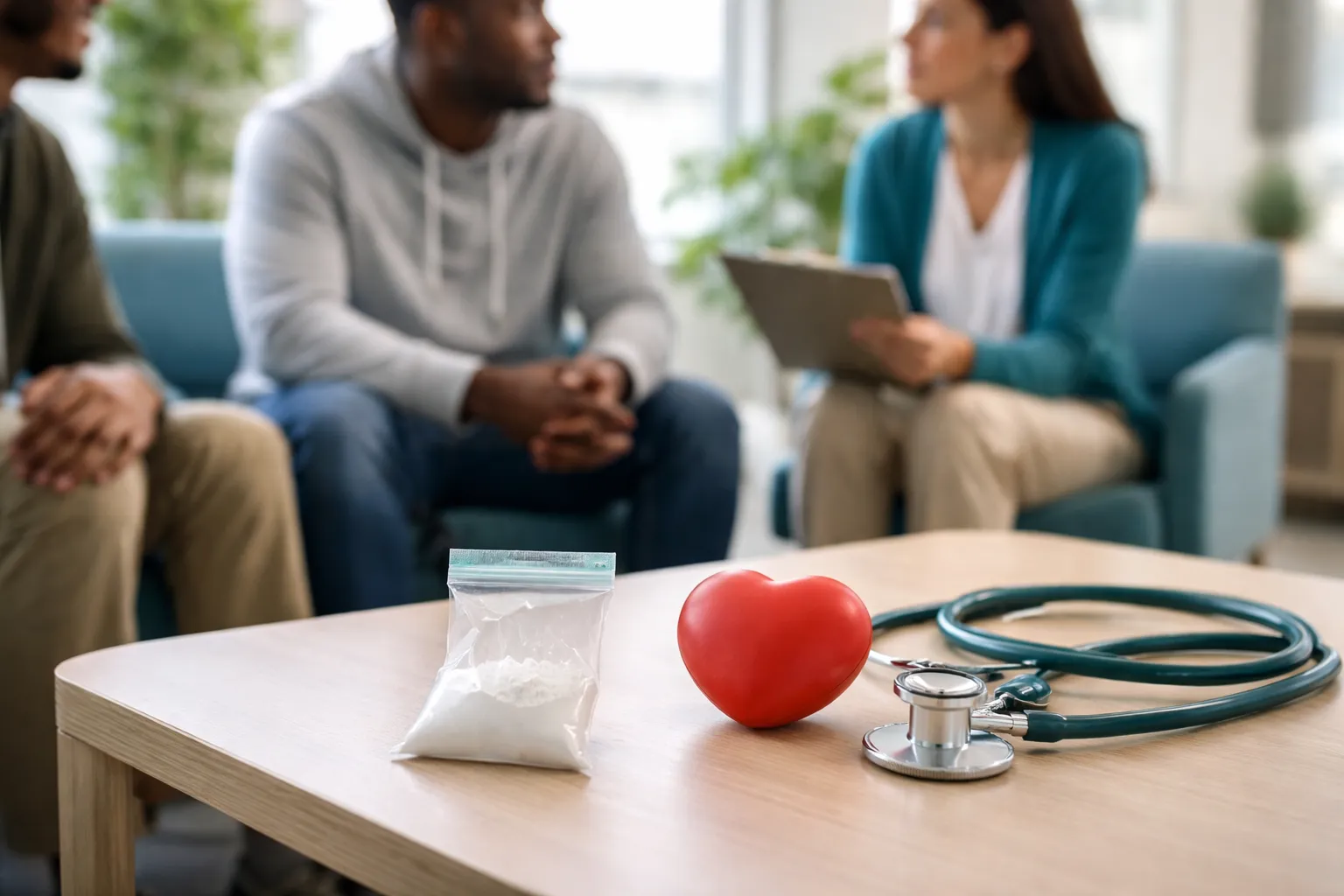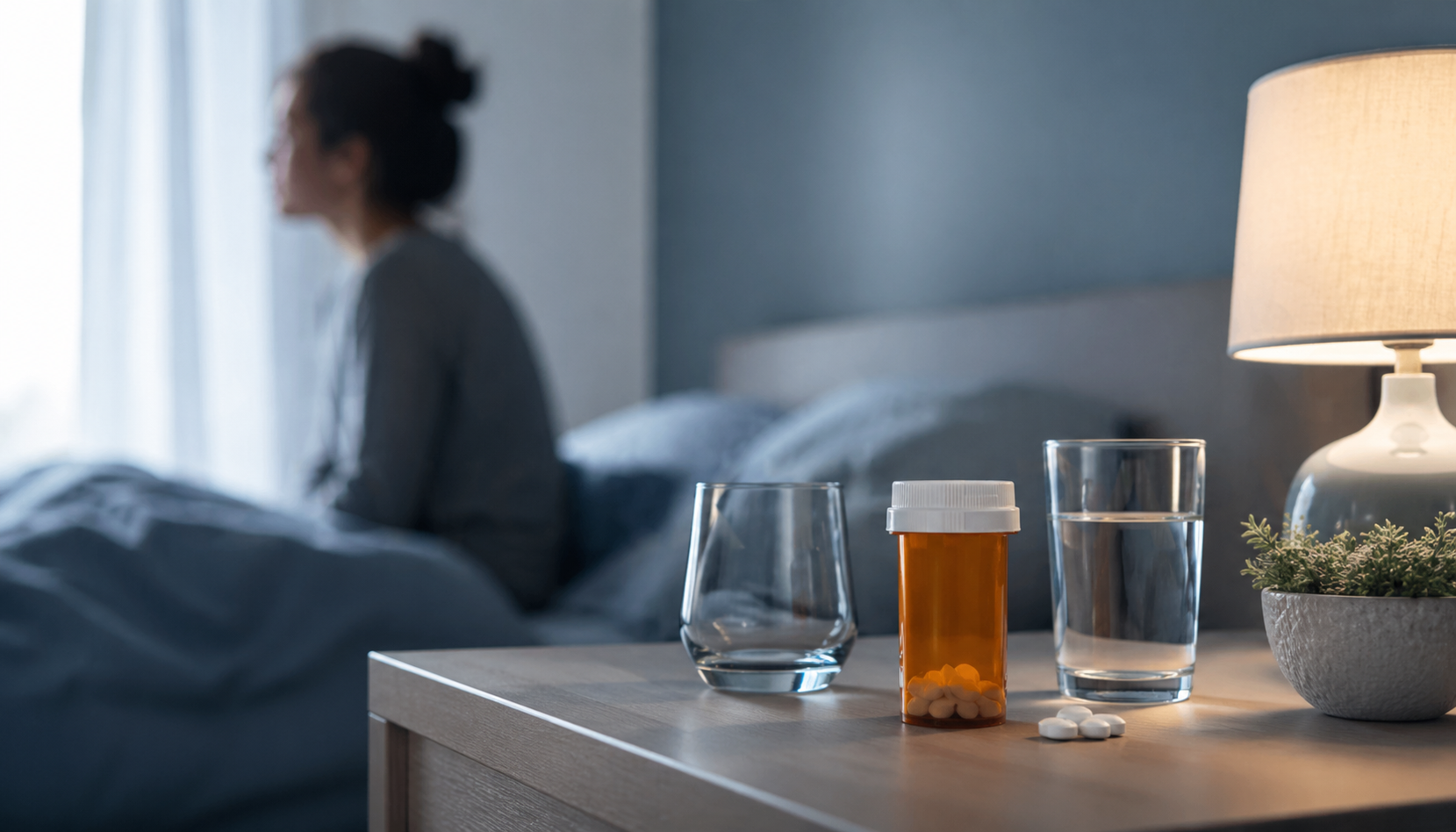
Counterfeit pills-tablets or capsules made to look like prescription medicines but produced illegally-are increasingly likely to contain fentanyl, a powerful synthetic opioid. This raises the risk that a single pill, or even part of a pill, can cause a fatal overdose. The information below explains the risks, how fentanyl behaves in the drug supply, and practical, evidence informed steps patients and families can take to reduce harm.
Table of Contents
ToggleWhat are counterfeit pills and why is fentanyl involved?
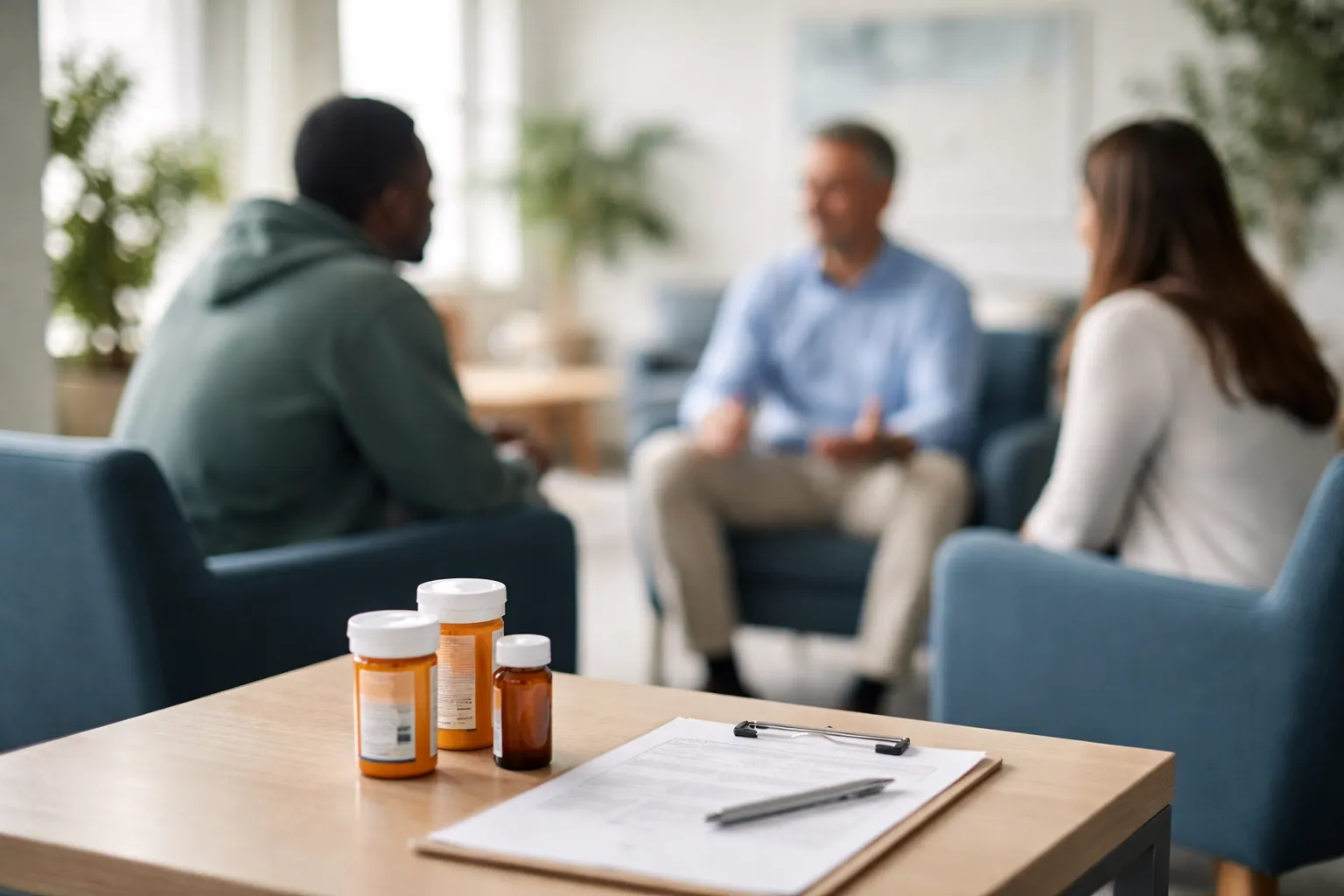
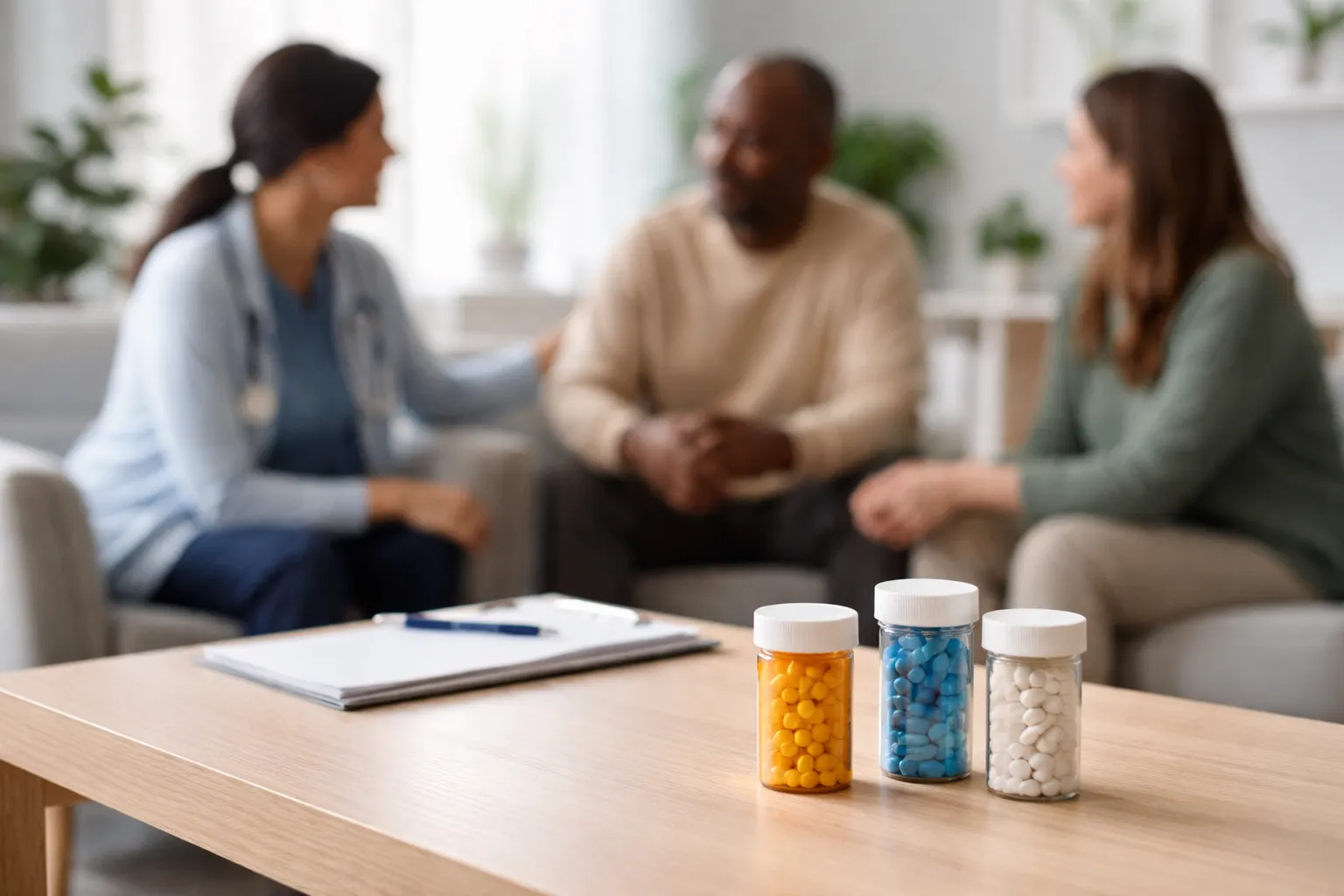
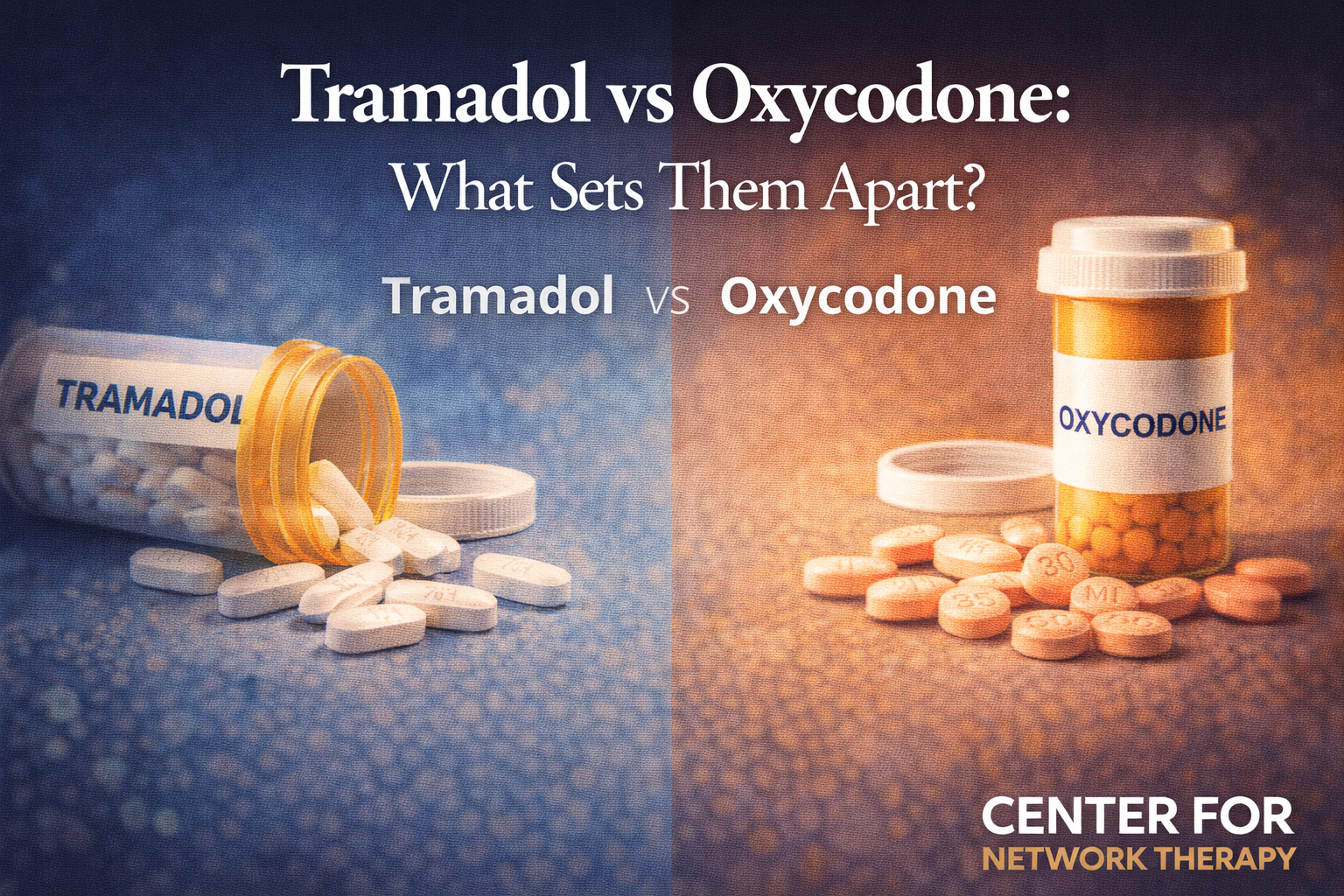
Counterfeit pills are made to resemble prescription drugs such as oxycodone, hydrocodone, or alprazolam. They are produced without quality control, and illicitly manufactured fentanyl is commonly pressed into pills to increase potency or to mimic opioids. Law enforcement and public health agencies report large increases in seizures of fentanyl-laced pills and in laboratory testing showing that many pills sold on the street contain fentanyl. For background and national data, see the Drug Enforcement Administration One Pill Can Kill resources and the Centers for Disease Control and Prevention discussion of fentanyl. DEA One Pill Can Kill, CDC: About Fentanyl.
How counterfeit pills increase overdose risk
There are several reasons counterfeit pills are especially dangerous:
- Fentanyl is extremely potent: it is many times more potent than morphine, which means small amounts can cause life threatening respiratory depression. The Centers for Disease Control and Prevention describe fentanyl as far more potent than many other opioids. CDC: About Fentanyl.
- Dose variability: pills sold as a single branded dose can contain widely varying amounts of fentanyl. Drug enforcement laboratory testing has found some counterfeit pills contain potentially lethal amounts. DEA One Pill Can Kill.
- Unawareness: people who have used prescription opioids safely in the past may not realize a pill bought outside a pharmacy is counterfeit and contains fentanyl. CDC MMWR surveillance has shown increasing numbers of hospital visits and deaths associated with counterfeit pills. CDC MMWR: Suspected Counterfeit M-30 Pill Exposures.
- Polysubstance risk: fentanyl is sometimes mixed with stimulants or sedative agents that complicate overdose recognition and response. The CDC highlights polysubstance involvement as a growing concern. CDC: Polysubstance Overdose.
A few key national and state facts
- Illicit fentanyl is a leading driver of overdose deaths nationally: a substantial share of recent overdose deaths involved synthetic opioids. See CDC resources for year by year counts and trends. CDC fentanyl overview.
- Law enforcement seizures of fentanyl-laced pills rose sharply in recent years, documented in DEA public reports and the One Pill Can Kill campaign. These seizures reflect higher production and distribution of counterfeit pills. DEA One Pill Can Kill.
- In New Jersey the state health department reports recent reductions in overdose deaths overall, while emphasizing that fentanyl remains the dominant drug in fatal events and that harm reduction services such as fentanyl test strip distribution and naloxone remain priorities. For state data and resources see the New Jersey Department of Health overdose dashboard and recent updates. NJDOH Opioid and Overdose Resources.
Practical steps to reduce overdose risk with counterfeit pills
The single most effective way to avoid fentanyl in a pill is to take only medication prescribed to you and dispensed by a licensed pharmacy. If you or someone you care for is in a situation where pills of unknown origin are present, the following harm reduction steps can reduce the chance of a fatal overdose.
Immediate precautions
- Never assume a pill is safe because of its color or markings: counterfeit pills can closely mimic real pharmacy medications. DEA One Pill Can Kill.
- Do not use alone: using with another person present who can call 911 or administer naloxone improves chances of survival.
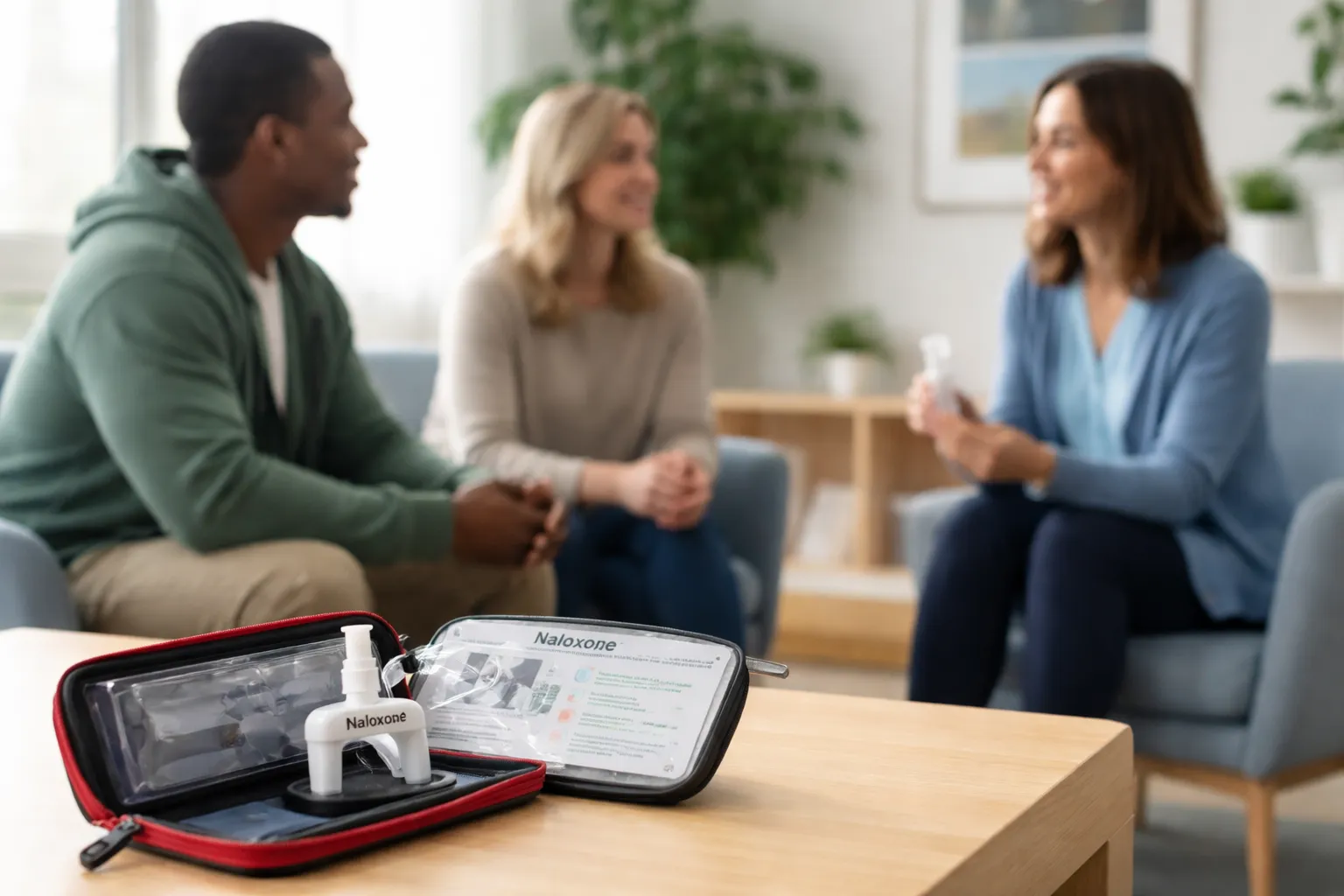
- Carry naloxone and know how to use it: naloxone reverses opioid overdose and is available through pharmacies, community programs, and public health distribution. SAMHSA provides guidance on naloxone access and use. SAMHSA: Opioid Overdose Reversal.
- Consider testing: many communities distribute fentanyl test strips or offer drug checking services. Test strips detect fentanyl in many samples but have limitations and may not detect all fentanyl analogs. Consult CDC and FDA information on testing availability and limits. CDC: Drug Checking and Fentanyl Test Strips, FDA: Counterfeit Medicine.
- If you suspect an overdose, call 911 immediately and use naloxone if available: rapid intervention can save a life.
| Situation | Recommended immediate action |
|---|---|
| I have a pill not from a pharmacy | Do not take it. If someone insists, have naloxone available and do not use alone. |
| I used a pill and feel unusually sleepy or breathing is slow | Call 911 now, administer naloxone if available, place the person on their side in recovery position until help arrives. |
| Testing is available in my area | Use fentanyl test strips or local drug checking services, understand limits, and plan to reduce dose or avoid use if fentanyl is detected. |
Understanding limitations and special situations
Fentanyl test strips, when used correctly, can detect many fentanyl compounds. They are an important harm reduction tool, but they are not perfect. Test strips may not detect every fentanyl analog and a negative test does not guarantee safety. FDA cleared some over the counter tests for detecting fentanyl in urine samples, while public health programs commonly distribute adapted test strips for checking drug samples. Read product instructions carefully and combine testing with other safety steps. FDA: Drugs of Abuse Tests, CDC: Drug Checking.
High risk situations require urgent or specialized care. If someone is pregnant, an adolescent, or experiencing severe withdrawal, seizures, psychosis, or suspected overdose, contact emergency services immediately. Decisions about starting or changing medications for opioid use disorder or medically managed withdrawal require assessment by a qualified clinician and cannot be made from general information alone.
Frequently asked questions
Does one pill really have the potential to kill?
Yes. Because fentanyl is highly potent and some counterfeit pills have contained potentially lethal amounts, a single pill can cause fatal respiratory depression. Law enforcement laboratory testing and public health alerts have repeatedly made this point. DEA One Pill Can Kill.
Can I rely on drug appearance to tell if a pill is fake?
No. Counterfeit pills are often made to look very similar to real prescription pills. Appearance alone cannot reliably identify a counterfeit product. When in doubt, do not take the pill. DEA guidance.
Where can I get naloxone or a fentanyl test strip in New Jersey?
Naloxone is widely available through pharmacies, community distribution programs, and state harm reduction centers. New Jersey’s health department lists local harm reduction services and ways to request naloxone kits. Community programs may also distribute fentanyl test strips and offer drug checking. Check the New Jersey Department of Health resources for local options. NJDOH Opioid and Overdose Resources.
Sources and further reading
- CDC: About Fentanyl and why it is dangerous
- CDC MMWR: Suspected Counterfeit M-30 Oxycodone Pill Exposures
- DEA: One Pill Can Kill public awareness and data
- SAMHSA: Opioid Overdose Reversal and naloxone access
- FDA: Counterfeit Medicine and drug checking information
- New Jersey Department of Health: Opioid and overdose resources
Compassionate next steps
If you or a family member is concerned about past pill use, recent exposure, or dependence, a confidential clinical assessment is the first step to safer care. Treatment options include outpatient detox and medication assisted treatment, which should be planned with a qualified clinician who can evaluate medical history, pregnancy status, other medications, and co-occurring mental health conditions. For information about treatment options, locations, and how to get help in New Jersey, see our treatment and contact pages: Treatments, Locations, Contact us.
To request a confidential assessment or to speak with an admissions specialist about outpatient detox and addiction treatment options, please contact us. We can explain services, scheduling, and what to expect without pressure. If you are in immediate danger or someone is unresponsive, call 911 now. If you or someone is in a mental health or suicide crisis, call or text 988.