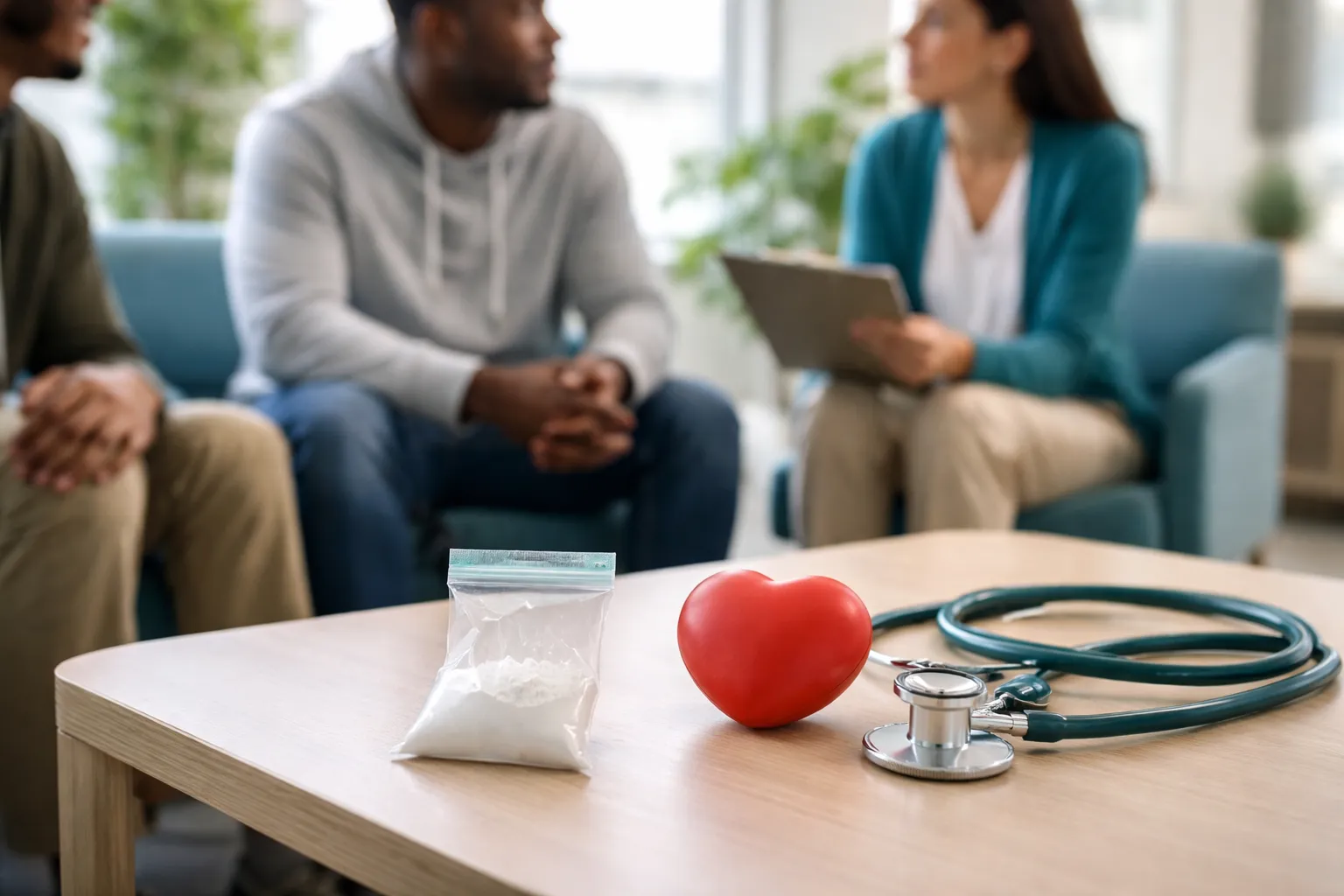
Many people with substance use disorders have experienced trauma, including childhood adversity, violence, or sudden loss. Trauma-informed addiction treatment recognizes those experiences, reduces the risk of re-traumatization, and combines medical, behavioral, and social supports to help people engage in care. This article explains what trauma-informed treatment means in practice, how programs apply it in New Jersey, when higher-level care is needed, and how to take the next steps for assessment or admission.
Table of Contents
ToggleWhat is trauma-informed addiction treatment?
Trauma-informed treatment is not a single therapy. It is a program-level approach that assumes many clients have lived through trauma, and that services should prioritize safety, trustworthiness, choice, collaboration, empowerment, and cultural responsiveness. Programs trained in this approach adapt policies, staff behavior, the physical setting, screening, and treatment planning so that care avoids retraumatizing people and supports recovery. National guidance on trauma-informed approaches is available from the Substance Abuse and Mental Health Services Administration (SAMHSA).
SAMHSA, Trauma-Informed Approaches and Programs
Why trauma matters for addiction
Research shows a strong link between traumatic experiences and later substance use. Adverse childhood experiences, including household substance use, abuse, or violence, are common and increase odds of substance misuse and mental health problems in adulthood. Clinicians use this knowledge to screen for trauma histories, understand relapse risk, and match treatments that address both symptoms and safety.
CDC, About Adverse Childhood Experiences
Clinical reviews and systematic studies report frequent co-occurrence of post-traumatic stress disorder and substance use disorders, and they support integrated treatment that addresses both conditions rather than treating them in isolation. Integrated care can improve engagement and make therapy safer and more effective for people with both conditions.
Systematic review: Treatment of PTSD and substance use disorder
How trauma-informed care looks in outpatient detox and addiction programs
Trauma-informed programs vary by setting, but common features in outpatient detox and addiction treatment include:
- Routine staff training in trauma awareness, de-escalation, and cultural humility.
- Trauma-informed screening and assessment tools to identify current risk and past trauma, used with consent and sensitivity.
- Safety-focused intake and care planning that offers choices and explains what to expect.
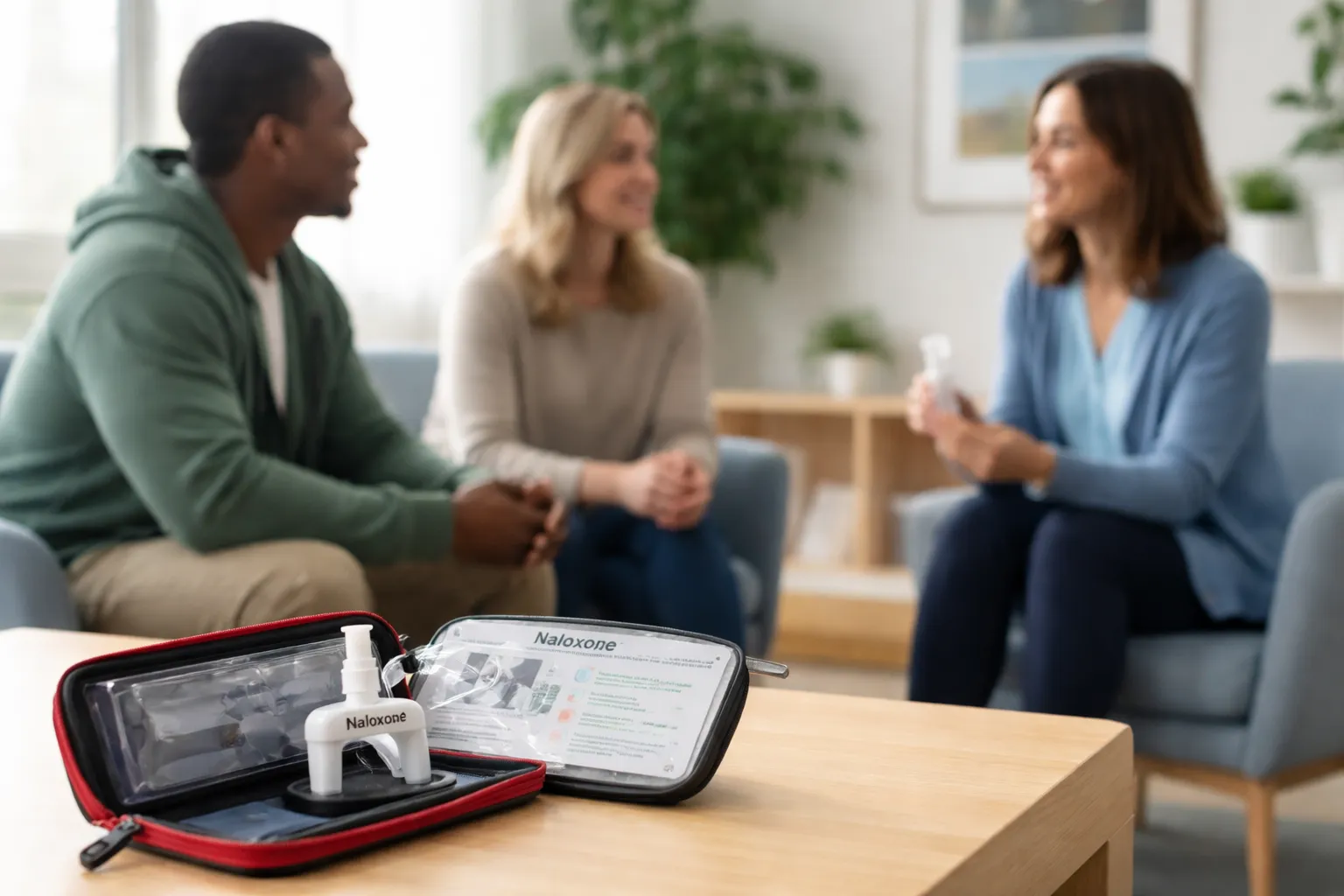
- Integrated medical care including evidence-based medications for opioid use disorder when appropriate, coordinated with counseling and social supports.
- Access to trauma-specific psychotherapies when indicated, or referrals to specialists for trauma-focused work after stabilization.
- Attention to environmental factors that can be triggering, for example private intake spaces, predictable schedules, and clear boundaries.
National treatment resources and medication guidance are used to design safe protocols in outpatient settings, including recommendations for medications for opioid use disorder and precautions for medically supervised withdrawal when needed.
SAMHSA, TIP 63: Medications for Opioid Use Disorder
Trauma-specific therapies often available or recommended
When trauma symptoms are identified, clinicians may offer or refer to evidence-based therapies such as cognitive processing therapy, prolonged exposure, trauma-informed cognitive behavioral therapy, or other integrated models designed for people with co-occurring PTSD and substance use disorder. Some programs begin with safety, coping skills, and relapse prevention before moving to trauma memory processing, depending on the person’s stability and preferences.
Systematic review: PTSD and SUD therapies
Practical comparison: outpatient detox versus higher-level care
| Level of care | Who it may suit | Typical advantages | When to consider higher-level care |
|---|---|---|---|
| Outpatient detox with trauma-informed supports | People with mild to moderate withdrawal risk, stable housing, and strong outpatient support | Lower disruption to daily life, ongoing therapy options, coordination with community services | If withdrawal intensifies, if housing is unstable, or if there is active suicidal ideation, severe psychiatric symptoms, or uncontrolled intoxication |
| Intensive outpatient or day programs | People needing structured daily therapy while living at home | Structured groups, medication management, frequent clinical contact | When outpatient engagement is not sufficient for safety or stabilization |
| Inpatient/residential care | People with high medical withdrawal risk, unstable living conditions, or severe co-occurring psychiatric disorders | 24-hour monitoring, medical management, stabilized environment for trauma-focused work | History of withdrawal seizures, delirium tremens, recent overdose, pregnancy with high-risk use, or uncontrolled psychosis |
Safety and high-risk situations: a clear callout
If you or someone else is in immediate danger or having a medical emergency, call 911 now. If you or someone is having a mental health or suicide crisis, call or text 988 for the Suicide & Crisis Lifeline.
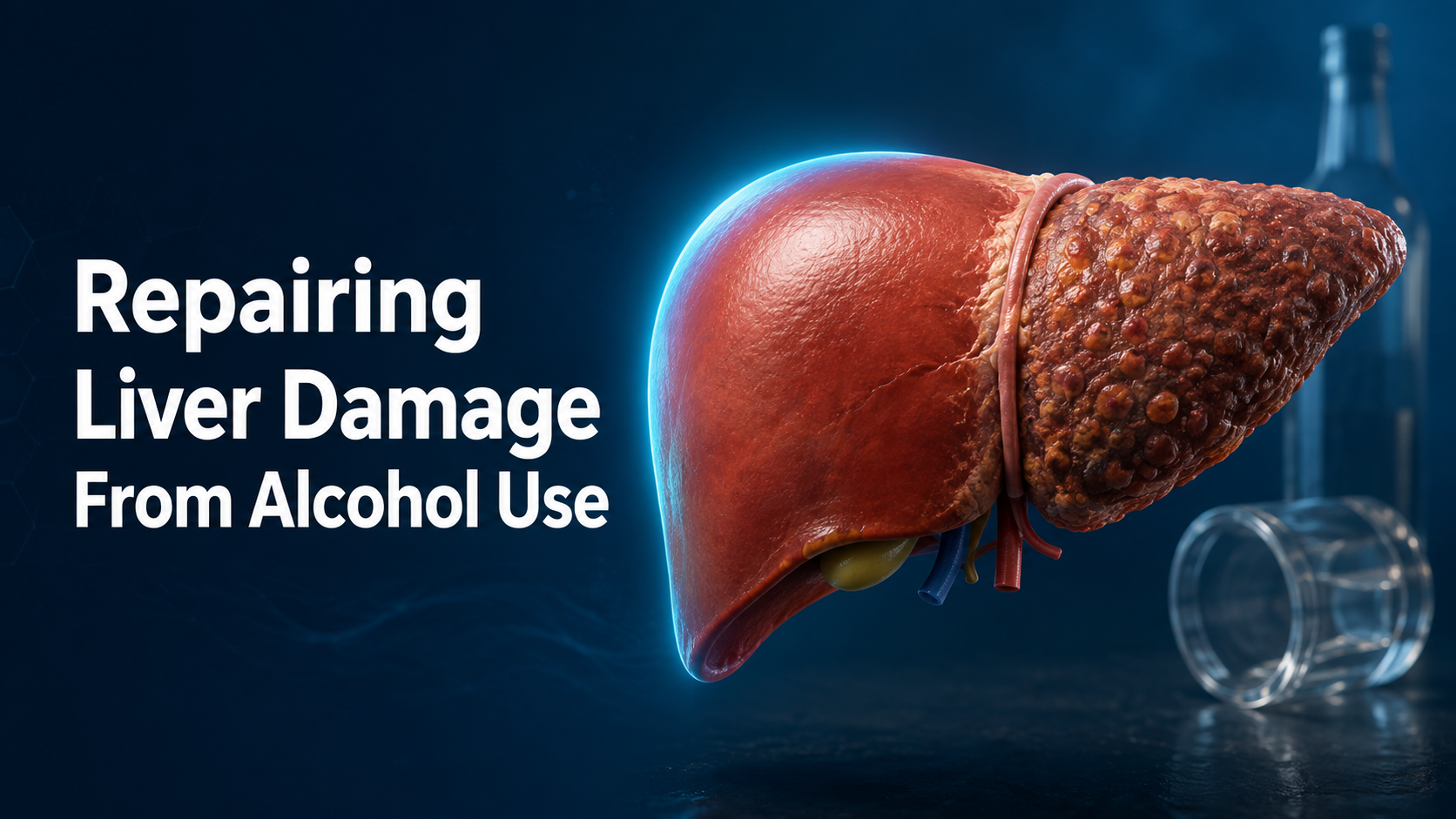
Certain situations require urgent or specialized care: severe alcohol withdrawal, withdrawal with seizures or delirium, active psychosis, overdose, pregnancy, and acute suicidal risk. Alcohol withdrawal can cause seizures and delirium tremens, which can be life threatening; these conditions often require inpatient medical management. Pregnant people with opioid use disorder should be evaluated for opioid agonist therapy rather than unmanaged detox because withdrawal in pregnancy is associated with high relapse risk and obstetric complications. For clinical specifics, see NIAAA and ACOG guidance.
NIAAA, Alcohol Use Disorder guidance
ACOG, Opioid Use and Opioid Use Disorder in Pregnancy
How programs in New Jersey are supporting trauma-informed practice
New Jersey state agencies and initiatives have emphasized trauma-informed and healing-centered approaches across schools, crisis teams, and behavioral health services. State-level efforts include training, technical assistance, and community-based crisis response models that use trauma-informed practices. When evaluating local programs, look for evidence of staff training, trauma-informed policies, and clear protocols for medical and psychiatric escalation.
New Jersey Department of Children and Families, Healing & Resilient NJ
Questions to ask a program
- Do staff receive routine training in trauma-informed care and de-escalation?
- How do you screen for trauma and co-occurring PTSD or mental health disorders?
- Does the program provide or coordinate evidence-based therapies for trauma and substance use?
- How do you manage medical withdrawal risks and medication options for opioid use disorder?
- How are privacy and consent handled, especially for sensitive trauma histories?
Frequently asked questions
Can trauma therapy make substance use worse?
Some clinicians and programs pace trauma-focused memory work until the person has coping skills and medical stability. The evidence base supports carefully delivered trauma-focused therapies in people with co-occurring substance use disorder when clinical judgment and safety planning guide timing and delivery. Talk with a qualified clinician about sequencing therapy during detox or stabilization. For research reviews, see the systematic review cited above.
Is medication for opioid use disorder compatible with trauma-informed care?
Yes. Medications such as buprenorphine and methadone are evidence-based treatments for opioid use disorder and are commonly offered alongside trauma-informed counseling and social supports. Medication decisions require individualized assessment by a clinician trained in addiction medicine.
Will a trauma-informed program judge me for my trauma or substance use?
Trauma-informed programs aim to reduce stigma by recognizing trauma as a common contributor to health concerns. If you feel judged by a provider, you have the right to ask about their training, request a different clinician, or shop for a program that better matches your needs and identity.
Sources and further reading
- SAMHSA: Trauma-Informed Approaches and Programs
- SAMHSA: TIP 63, Medications for Opioid Use Disorder
- CDC: About Adverse Childhood Experiences
- PMC: Systematic review of psychological interventions for comorbid PTSD and SUD
- NIAAA: Alcohol Use Disorder guidance
- New Jersey DCF: Healing & Resilient NJ launch
Compassionate next steps
This information is general education, not individualized medical advice. Placement and medication decisions require assessment by a qualified clinician. If you are in New Jersey and want help finding a trauma-informed program, consider contacting local providers, asking the questions listed above, or using state resources. You can review common treatment options on our page, explore locations that may offer trauma-informed services, or reach out for help with next steps on the admissions line.
Useful links: treatment options, locations, contact us.
If you are experiencing severe withdrawal, active suicidal thoughts, recent overdose, seizures, psychosis, or other medical emergencies, call 911 or go to the nearest emergency department immediately. For an emotional or suicidal crisis, call or text 988 for the Suicide & Crisis Lifeline.
When you are ready, request a confidential assessment or speak with the admissions team to discuss trauma-informed options and clinical next steps. Our staff can explain what to expect from outpatient detox, what safety measures are in place, and how care is coordinated with medical and mental health specialists. There is no pressure, only confidential information to help you choose the right path forward.
Note: This article was prepared using public guidance and peer-reviewed literature. It has not been clinically reviewed by a named clinician. For individual clinical decisions, consult a qualified health professional.