Heroin withdrawal can be intensely uncomfortable and carries medical risks for some people. This guide explains common, evidence-based medication options, safety steps, and how New Jersey outpatient programs typically approach care. It is general education and not individualized medical advice. Placement and medication decisions require assessment by a qualified clinician.
Table of Contents
ToggleWhat is heroin withdrawal and why treatment matters
Withdrawal occurs after someone who is physically dependent on opioids stops or reduces use. Typical symptoms include muscle aches, sweating, nausea, diarrhea, yawning, anxiety, and strong drug craving. For most adults these symptoms are not life threatening, but severe withdrawal can lead to dehydration, injury, or complications. People with complicated medical conditions, pregnancy, or a history of seizures or psychosis need urgent specialty evaluation. For immediate danger call 911.
Medications for opioid withdrawal and opioid use disorder reduce symptoms, lower craving, and decrease the risk of return to use and overdose when combined with counseling and ongoing care. National treatment guidance and clinical reviews list methadone, buprenorphine, and naltrexone as the FDA approved medications used in management of opioid use disorder, and recommend using medications as part of a comprehensive plan. These medications and other symptom-targeted drugs are described below. (samhsa.gov)
How New Jersey outpatient programs commonly approach heroin withdrawal
Outpatient providers in New Jersey evaluate medical history, current substance use, physical exam, and social supports to decide appropriate care setting. Options include same-day office induction on buprenorphine, referral to a licensed opioid treatment program for methadone, symptom management with non-opioid agents, or inpatient/medical detox when withdrawal is severe or medical risks are present. The New Jersey Division of Mental Health and Addiction Services provides state resources and treatment directories for local programs. (nj.gov)
When outpatient treatment may not be appropriate
- Severe medical instability, uncontrolled vomiting, or dehydration.
- Seizures, severe psychiatric symptoms such as psychosis, or acute overdose risk.
- Pregnant people should receive specialized prenatal addiction care and not be offered elective opioid withdrawal without consulting pregnancy specialists. (acog.org)
- Lack of safe housing, inability to attend follow up, or concern for diversion may prompt referral to higher level care.
| Medication or option | What it does | Where it is delivered | Notes |
|---|---|---|---|
| Methadone | Full opioid agonist that reduces withdrawal and craving | Certified opioid treatment programs (OTPs) | Effective for many people; available only at licensed OTPs. Requires daily dosing early in treatment. (samhsa.gov) |
| Buprenorphine (sublingual or long acting) | Partial opioid agonist that eases withdrawal, lowers cravings, and blocks other opioids | Office-based prescribers, clinics, and some OTPs | Can be started in outpatient settings when induction is managed correctly; clinicians follow safety guidance. (samhsa.gov) |
| Naltrexone (extended-release injection) | Opioid antagonist that blocks opioid effects after detox | Clinics and prescribers, given after a period of opioid abstinence | Requires the patient be opioid free to avoid precipitated withdrawal; initiation timing is important. (samhsa.gov) |
| Lofexidine or clonidine | Non-opioid medications that reduce autonomic withdrawal symptoms | Prescribed in outpatient or inpatient settings | Lofexidine is FDA approved for mitigation of opioid withdrawal symptoms in adults; it does not treat opioid use disorder by itself and should be part of a treatment plan. Monitor blood pressure and pulse. (dailymed.nlm.nih.gov) |
Choosing a medication – practical considerations
There is no single right medication for everyone. Clinicians consider the following when recommending heroin withdrawal treatment in NJ:
- Severity of dependence and tolerance.
- Previous treatment history and response.
- Medical conditions, pregnancy status, and medication interactions.
- Access to an opioid treatment program versus office-based care.
- Patient preference and ability to attend follow up.
National guidance emphasizes offering medications for opioid use disorder as first line care because they reduce overdose risk and improve retention in treatment when combined with counseling and supports. Discuss options with an experienced clinician who can assess and recommend the safest pathway. (samhsa.gov)
Safety callout
If someone is unresponsive, has slowed or stopped breathing, or you suspect an overdose, call 911 immediately and administer naloxone if available. For mental health or suicide crisis, call or text 988 to reach the Suicide and Crisis Lifeline. These services are available 24 hours. Do not delay seeking emergency care for seizures, severe dehydration, or severe psychiatric symptoms.
Harm reduction and overdose prevention
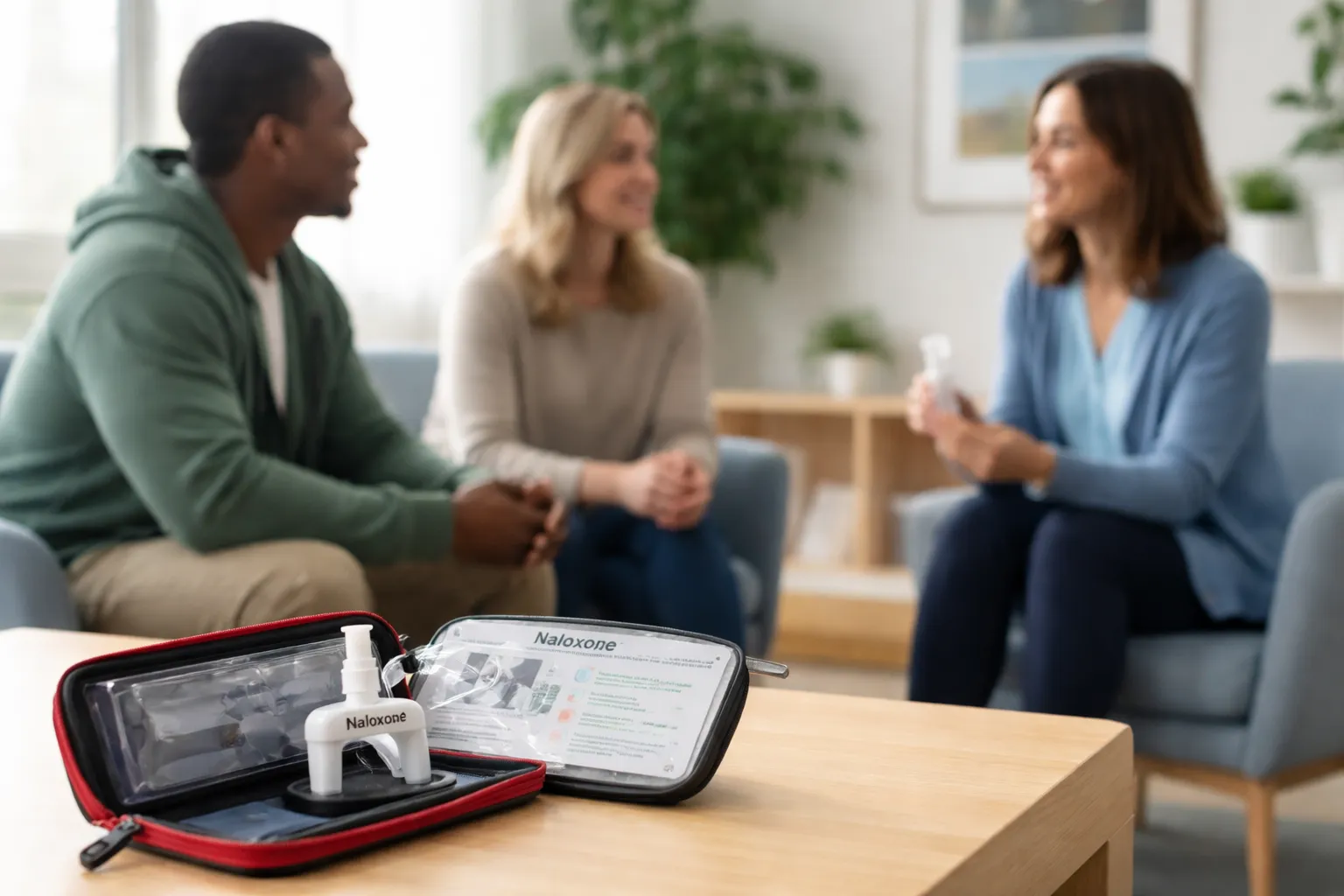
Carrying or having naloxone available is a standard safety step for anyone who uses heroin or lives with someone who does. Naloxone reverses opioid overdose and is available without a prescription in many places; clinicians and family members should be trained in how to use it. Community distribution and pharmacy access expand availability. (cdc.gov)
What to expect during outpatient induction on buprenorphine
- Assessment by a clinician including substance use history and brief physical exam.
- Timing the first dose: patients usually need to be in early withdrawal to avoid precipitated withdrawal; providers use standardized tools and protocols.
- Initial observed dosing and scheduled follow up visits, with counseling and support services offered.
For some people, a brief, supervised inpatient or intensive outpatient induction may be safer. Discuss risks and benefits with your provider. (ncbi.nlm.nih.gov)
Special situations
Pregnancy
Guidelines recommend treatment with methadone or buprenorphine rather than elective opioid withdrawal during pregnancy. Medication-assisted treatment during pregnancy reduces risks of relapse and overdose and supports prenatal care. Neonates born to opioid-exposed mothers should be monitored for neonatal abstinence syndrome. Consult obstetric and addiction specialists for pregnant people. (acog.org)
Adolescents and young adults
Adolescents with opioid use disorder should be offered medications when indicated and referred to providers experienced in adolescent addiction medicine. Family involvement and age-appropriate counseling are important.
Severe withdrawal, seizures, or psychosis
These signs require urgent medical evaluation and usually inpatient medical stabilization. Do not attempt outpatient tapering at home for people with these complications.
Frequently asked questions
Can I be started on medication the same day I seek help?
Many outpatient programs can start buprenorphine the same day when clinically appropriate, and some clinics offer rapid referral to methadone programs. Availability varies by location and clinic capacity. Contact local providers or your state treatment directory for options. (nj.gov)
Will medication for withdrawal mean I have to stay on it forever?
Medication can be short term or part of longer term treatment. Clinicians and patients discuss goals, risks, and supports when deciding treatment duration. There is no one-size-fits-all timeframe.
Is lofexidine the same as buprenorphine?
No, lofexidine is a non-opioid medication approved to reduce symptoms of opioid withdrawal. It does not treat opioid use disorder by itself and is used as part of a broader treatment plan. (dailymed.nlm.nih.gov)
How to find care in New Jersey
Start by contacting licensed outpatient addiction treatment programs, your primary care clinician, or the New Jersey Division of Mental Health and Addiction Services treatment directory. If you are considering a specific outpatient provider, ask about their experience with buprenorphine and methadone, availability for same-day starts, integrated counseling, and how they handle emergencies. You can also explore treatment services and locations online through local directories and program listings. (nj.gov)
If you would like to learn more about evidence-based treatments offered at outpatient programs, see treatments information and locations for providers. For direct assistance, contact the provider or program to request an assessment. Visit our treatments page, locations page, or contact us page for help with next steps: treatments, locations, contact us.
Compassionate next steps
If you or a loved one is experiencing heroin withdrawal, seek an evaluation from a qualified clinician who can recommend a safe plan. For medical emergencies call 911. For immediate mental health or suicide crisis support call or text 988. If you are ready to talk about outpatient assessment, you can request a confidential assessment or speak with an admissions team to discuss options and next steps. There is help available and clinicians can work with you to match care to your needs.
Sources
- SAMHSA, TIP 63: Medications for Opioid Use Disorder. (Medication options and program guidance).
- National Institute on Drug Abuse, Opioids. (Overview of opioid use disorder and medications).
- U.S. Food and Drug Administration, Information about Medications for Opioid Use Disorder. (Regulatory and prescribing information).
- CDC Naloxone Toolkit. (Overdose prevention and naloxone resources).
- New Jersey Division of Mental Health and Addiction Services. (State treatment resources and directories).
- ACOG Committee Opinion: Opioid Use and Opioid Use Disorder in Pregnancy. (Pregnancy guidance).
- DailyMed / FDA label for LUCEMYRA (lofexidine). (Lofexidine prescribing information).
Note: This article is educational and not a substitute for professional medical assessment. It was not clinically reviewed by a named clinician. For personalized advice, speak with a qualified addiction medicine clinician or your primary care provider.