
If you or a family member is starting medication for opioid use disorder, understanding buprenorphine induction in an outpatient setting can reduce worry and help you prepare. This page explains typical steps, common reactions, and safety measures used by clinicians in New Jersey and elsewhere.
Table of Contents
ToggleWhat is outpatient buprenorphine induction?
Buprenorphine induction is the process of starting buprenorphine, a medication that reduces withdrawal and opioid craving, so a person can begin treatment for opioid use disorder. Induction commonly happens in outpatient clinics, primary care offices, or by remote telehealth when clinically appropriate. National guidance and practice resources describe outpatient induction as a standard, evidence-based pathway for many patients when performed by trained clinicians. SAMHSA explains the role of buprenorphine in outpatient treatment.
Before induction: assessment and safety checks
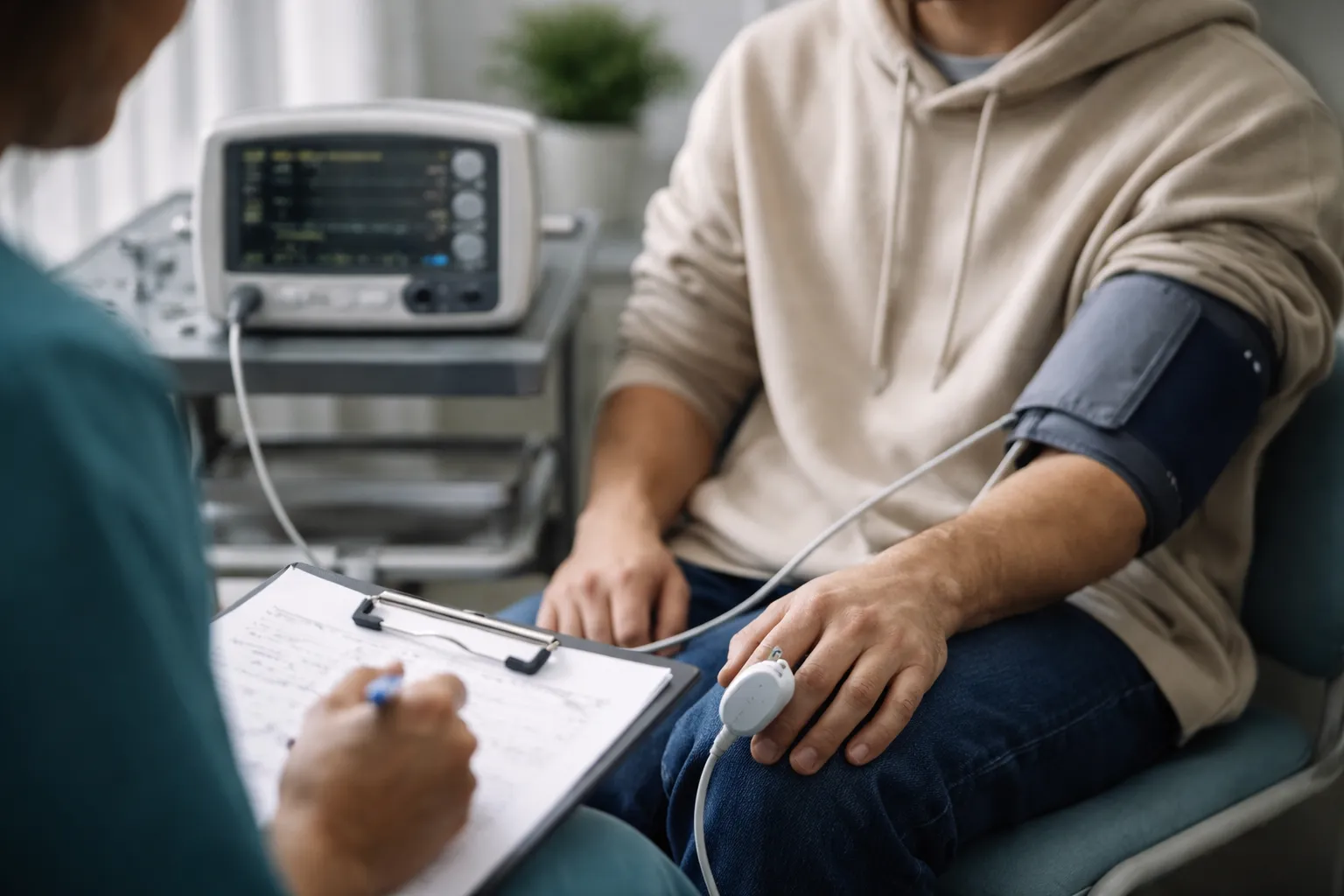
Clinicians will evaluate medical history, substance use history, current medicines, and social supports before induction. Key elements include:
- Confirming opioid use and timing of last use, to reduce risk of precipitated withdrawal. Product information emphasizes waiting until clear withdrawal is present.
- Measuring withdrawal severity with a validated tool such as the Clinical Opiate Withdrawal Scale COWS. Many clinics use COWS to time the first dose. NIDA provides the COWS form and instructions.
- Reviewing other substances and medicines that increase risk, for example benzodiazepines or other sedatives, because they can increase respiratory risk when combined with opioids or opioid agonists.
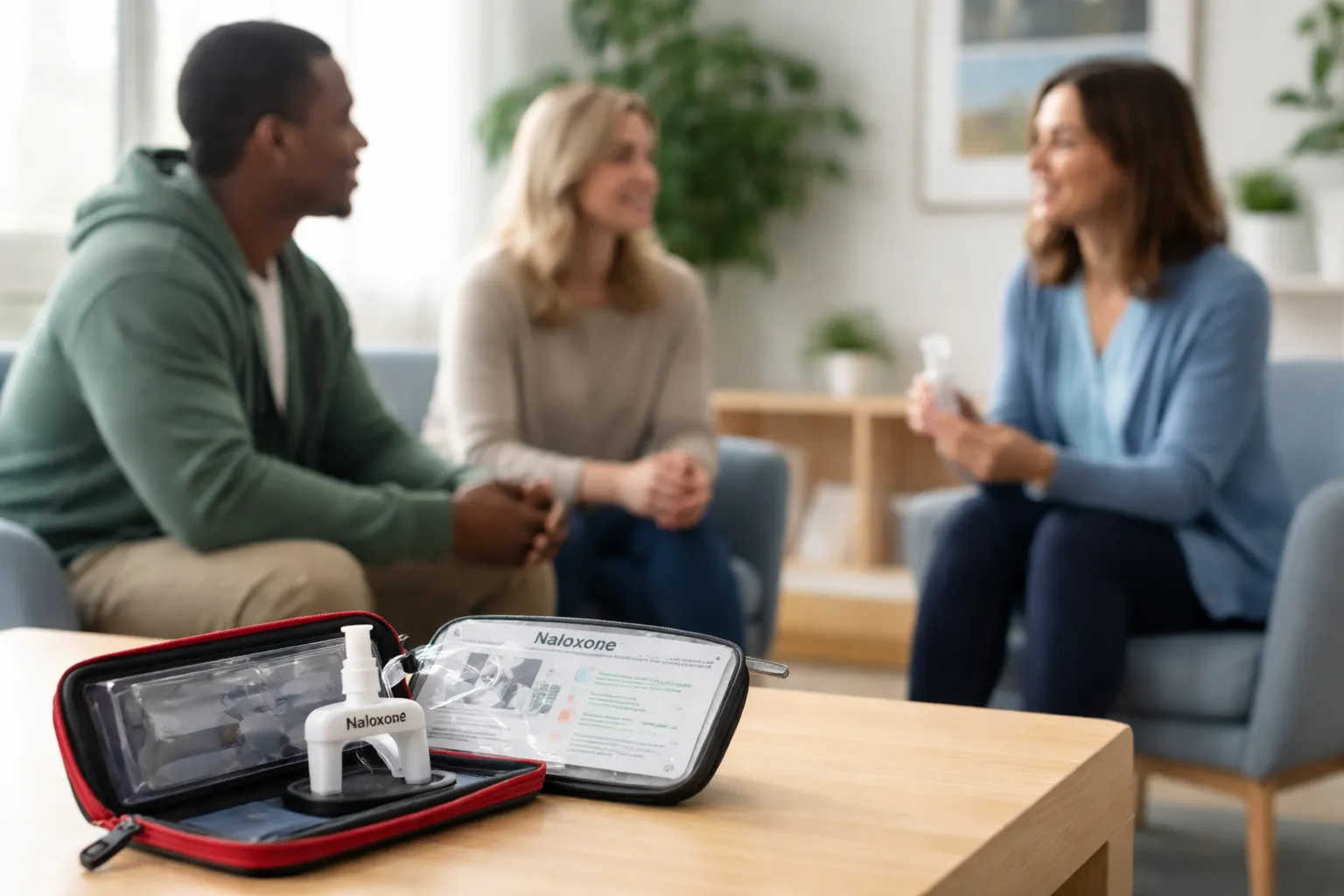
- Providing or prescribing naloxone and overdose education at the time of induction. Public health guidance recommends offering naloxone to most patients at risk for opioid overdose. SAMHSA practical tools recommend naloxone distribution.
Placement and medication decisions, including whether outpatient induction is appropriate, require assessment by a qualified clinician and cannot be made from general information alone.
The first days: what to expect
Each clinic varies in routine, but many outpatient inductions follow a similar pattern over the first 72 hours:
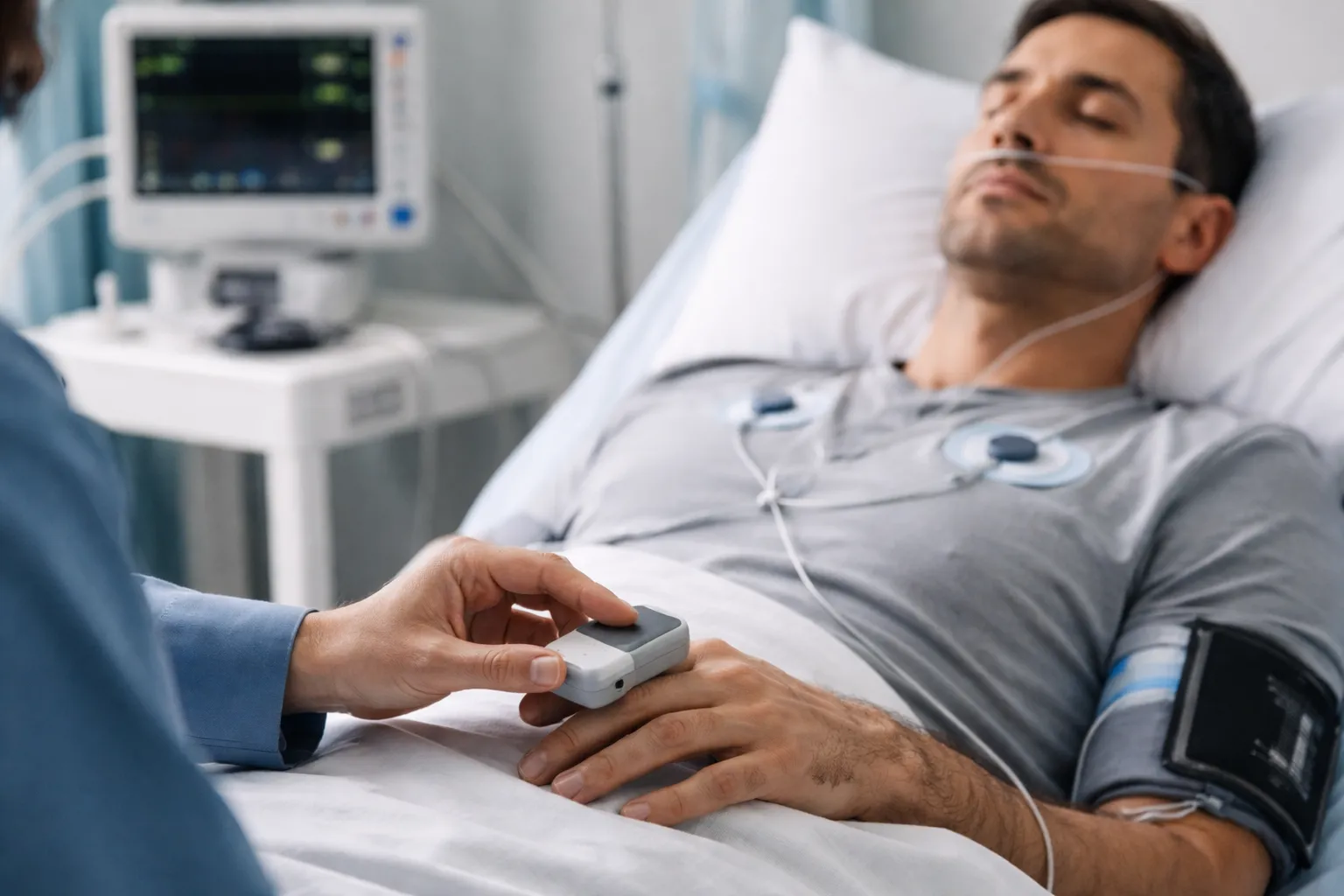
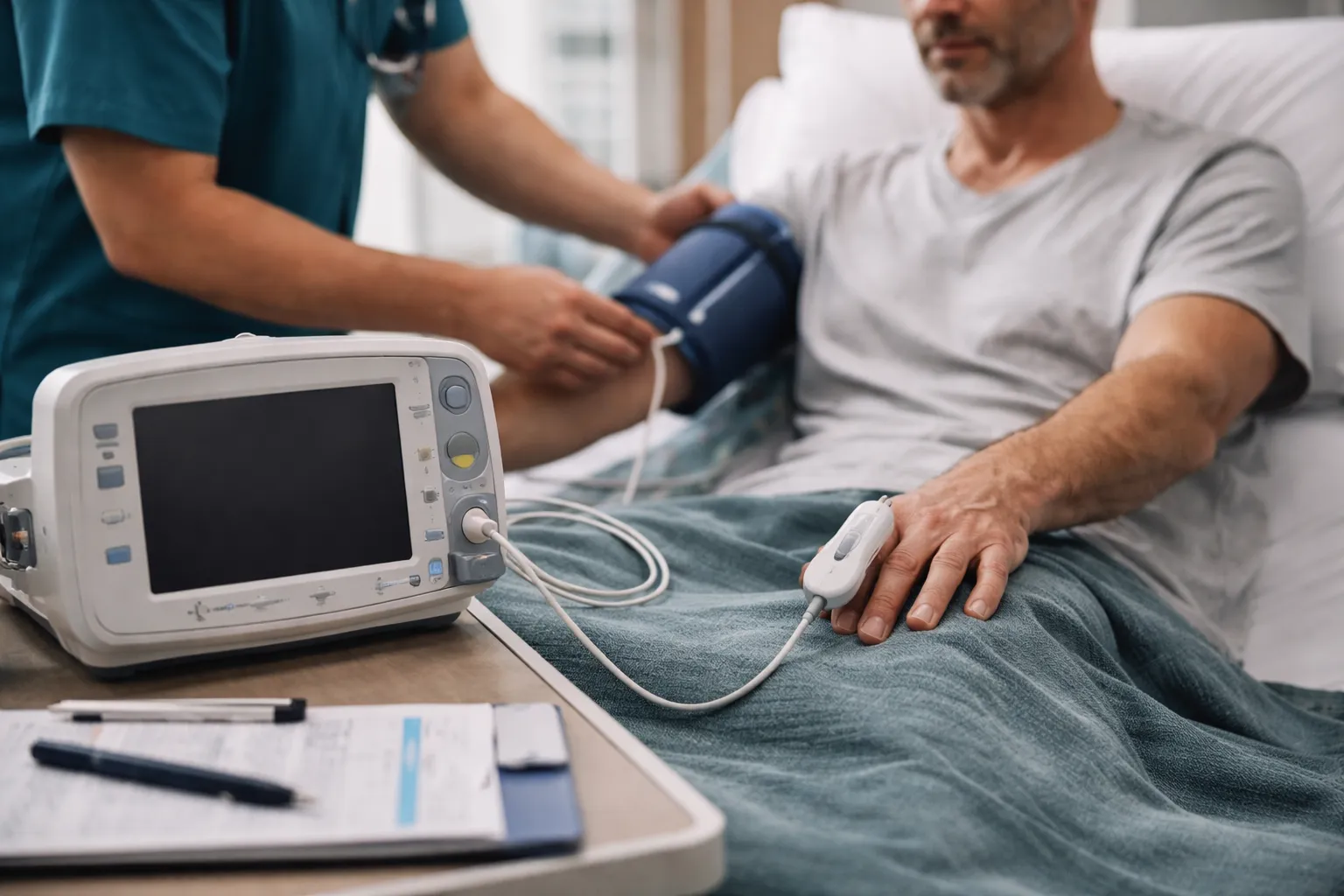
- Day 0, intake: medical assessment, baseline vitals, urine drug screen if used by the clinic, education about the process, and arranging supports such as a friend, transport, or pharmacy pickup.
- Day 1, induction: the clinician confirms moderate opioid withdrawal (often a COWS score in a range where withdrawal is evident), then gives or prescribes an initial buprenorphine dose. Traditional product labeling commonly guides a first-day dosing ceiling (for combination buprenorphine/naloxone products the FDA label notes typical first-day limits), though clinicians may individualize dosing. See the buprenorphine product information for dosing guidance.
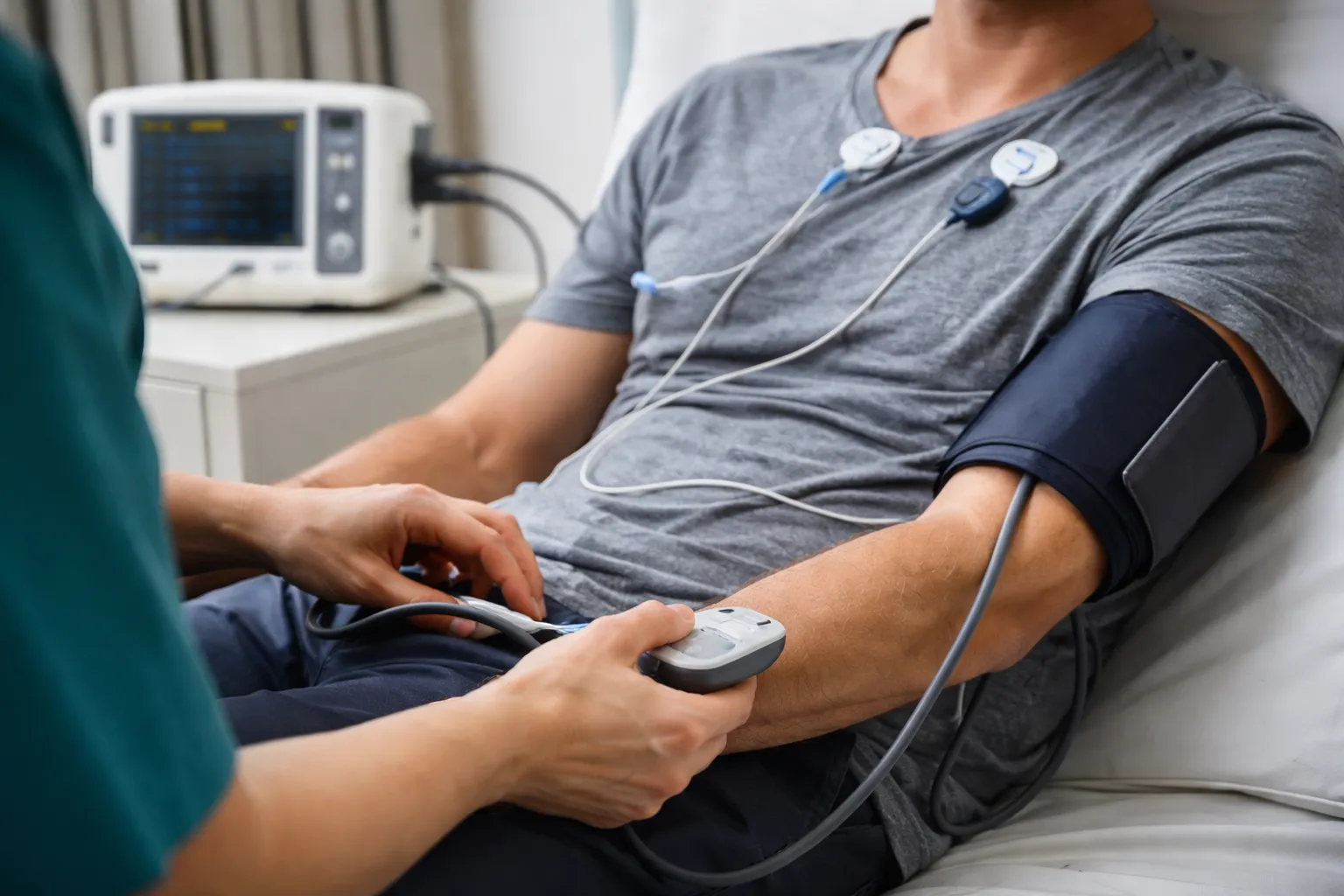
- Hours after first dose: clinicians reassess withdrawal and tolerability. Some patients feel substantial relief within one to several hours, while others need dose adjustments. If severe or unexpected symptoms occur, clinicians treat supportively and may refer for higher level care.
- Days 2 to 3: dose adjustment and stabilization visits are common. Many programs schedule frequent contact, such as daily or several times in the first week, to monitor response, side effects, and safety. ASAM practice guidance recommends close follow-up early in treatment.
What about telehealth or home starts?
Unobserved or home induction is used by some experienced prescribers and can be safe when patients receive clear instructions, have stable supports, and clinicians judge this appropriate. When patients have complex medical issues, high-dose methadone history, active heavy benzodiazepine use, or unstable housing, office-based or higher level care may be safer. Telehealth options have expanded, and federal guidance supports access to treatment in outpatient settings when clinically safe. SAMHSA discusses office and telehealth access.
Induction methods and decision table
There are three common outpatient induction approaches: traditional office induction, home (unobserved) induction, and low-dose or microinduction. Each has advantages and limitations. The table below compares them.
| Approach | Typical use | Pros | Cons and when to avoid |
|---|---|---|---|
| Office-based induction | Most new starts, patients with medical complexity, first-time buprenorphine users | Clinician can assess withdrawal, observe response, treat complications | Requires in-person visit, may be harder for patients with transport or work barriers |
| Home (unobserved) induction | Experienced prescribers and patients with stable supports | Convenient, preserves privacy, scalable | Less immediate clinician control, not ideal for high medical risk |
| Low-dose microinduction | Patients using high-potency synthetic opioids such as illicit fentanyl, or those at risk for precipitated withdrawal | May reduce risk of precipitated withdrawal, allows overlap with ongoing opioid use | Longer induction timeline, requires clinician experience and close follow-up |
Emerging guidance recognizes microinduction as an option for some patients, particularly in areas with fentanyl prevalence, but clinicians individualize strategy based on experience and patient factors. ASAM clinical considerations address high-potency synthetic opioid induction and federal opioid treatment guidance discusses low-dose strategies.
Common side effects and warning signs
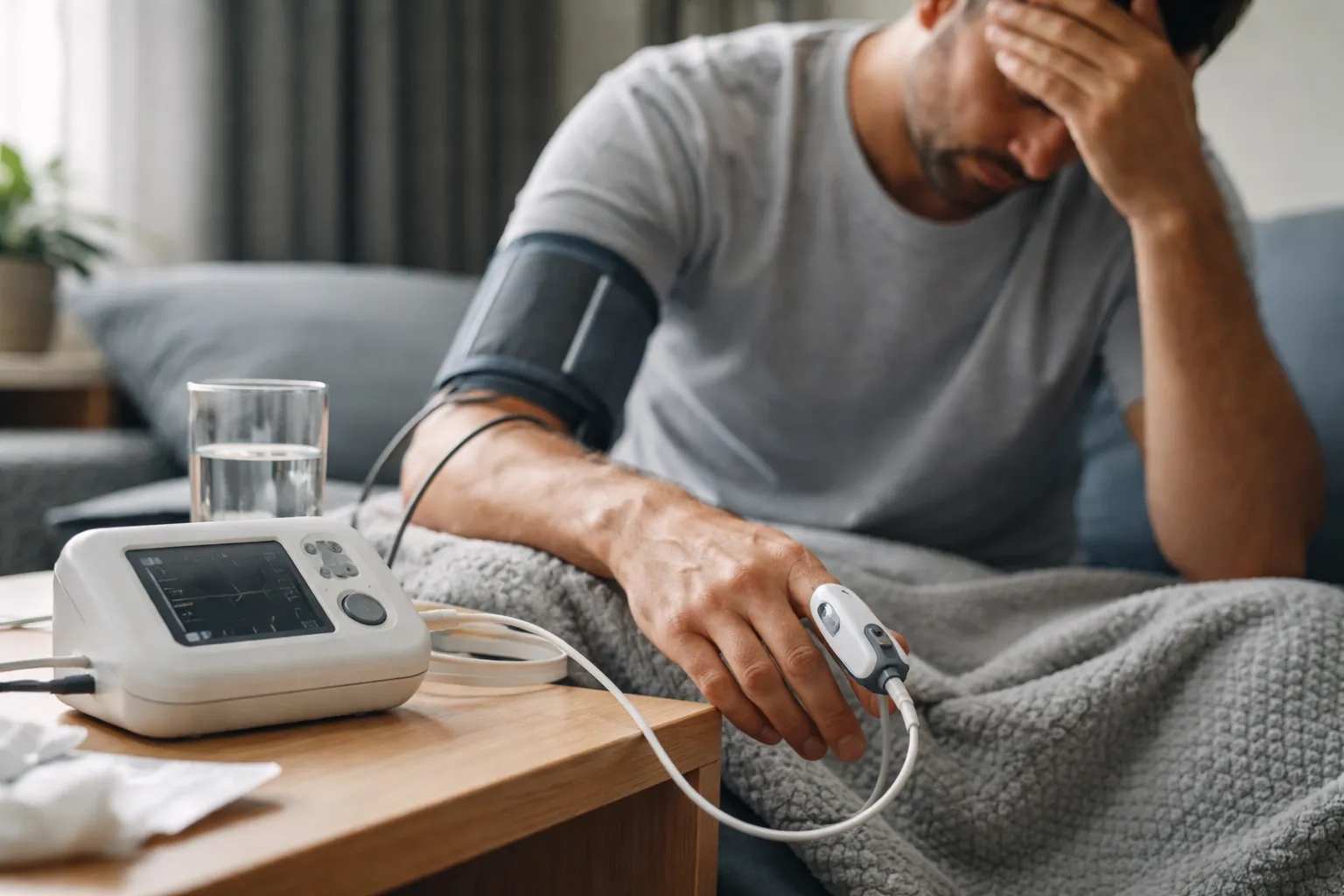
Common early effects include: mild nausea, headache, light sedation, constipation, and sweating. Most symptoms improve as the dose is adjusted and the body stabilizes. Clinicians advise avoiding alcohol and other sedatives during induction. If you experience any breathing difficulty, prolonged loss of consciousness, or severe allergic reaction, seek emergency care immediately.
Safety callout: For a medical emergency, call 911. If you are in a mental health or suicide crisis, call or text 988. If you suspect an overdose, use naloxone if available and call 911.
FAQs
Will buprenorphine cause withdrawal if I take it too soon? If buprenorphine is taken while a full agonist opioid is still active, it can precipitate withdrawal. That is why clinicians wait until withdrawal is present before dosing, commonly using COWS to guide timing. NIDA COWS form, product information.
How long before I feel better? Many people notice reduced withdrawal and craving within hours of the first effective buprenorphine dose, but it can take several days to reach a comfortable dose and routine of care. Early follow-up is standard practice. ASAM guidance on early treatment contact.
Will my insurance cover outpatient induction? Coverage varies by plan and state. New Jersey has enacted policies to expand access to medications for opioid use disorder through Medicaid and certain state-funded programs; specific coverage and prior authorization rules depend on the payer and clinical circumstances. Check with your insurer and treatment provider. New Jersey statute language about medication coverage.
Sources and next steps
Sources used on this page include SAMHSA, ASAM, NIDA, the FDA product information, and New Jersey state resources. If you want to read the original guidance, see these pages: SAMHSA on buprenorphine, ASAM national practice guideline, ASAM clinical considerations for fentanyl, NIDA COWS form, and FDA product information for buprenorphine. For New Jersey treatment listings, see the NJ Division of Mental Health and Addiction Services page.
Next steps if you are considering outpatient buprenorphine induction: contact a qualified clinician for a confidential assessment. If you are located in New Jersey and want to learn about local programs and treatments, visit our locations page, review available treatments, or contact us to request a confidential assessment. Our admissions team can explain intake steps, scheduling, and what to bring to your first visit without pressure.
Remember, this article provides general education only and is not individualized medical advice. Placement and medication decisions require an assessment by a qualified clinician. If you are in immediate danger, call 911. For a mental health or suicide crisis, call or text 988.
Sources
- SAMHSA: Buprenorphine treatment information.
- ASAM National Practice Guideline for the Treatment of Opioid Use Disorder, 2020 update.
- ASAM Clinical Considerations: Buprenorphine and high-potency synthetic opioids.
- NIDA: Clinical Opiate Withdrawal Scale (COWS).
- FDA/Product information: buprenorphine formulations.
- New Jersey statute on access to medications for opioid use disorder, 2025.
Compassionate next step: If you want a confidential assessment to determine whether outpatient buprenorphine induction is appropriate for you or a loved one, please request a confidential assessment or speak with our admissions team through our contact page. There is no pressure, only information to help you decide on care that matches your needs.