Cravings are a normal, though often frightening, part of recovery from substance use. With practical skills, supportive care, and when appropriate, medications, most people can reduce the power of cravings and lower their risk of return to use. This article describes evidence-based approaches to coping with cravings in recovery, safety steps for high-risk situations, and how to get a confidential assessment.
Table of Contents
ToggleWhat cravings are and how they behave
Cravings are strong urges to use a substance that come from conditioned cues, stress, mood changes, or withdrawal. Cravings are real brain and body responses, not moral failures. Many people notice that cravings rise, peak, and then fall within minutes to hours when managed with coping skills rather than immediate use. Structured relapse prevention and coping skills training teach people to recognize triggers and make a plan for urges. (niaaa.nih.gov)
Core, evidence-based ways to cope with cravings
1. Behavioral skills and therapy
Cognitive behavioral therapy, relapse prevention methods, motivational interviewing, and contingency management are proven therapies that teach practical skills for coping with cravings: identifying triggers, changing routine, problem solving, and rehearsing refusal skills. These approaches reduce use and help maintain longer term recovery when delivered by trained providers. (pmc.ncbi.nlm.nih.gov)
2. Mindfulness and grounding techniques
Mindfulness practices, breathing, and brief grounding exercises can reduce the intensity of an urge by shifting attention to the present moment and the body. Clinical guidance and treatment manuals encourage using these practices as part of a written craving plan. (library.samhsa.gov)
3. Medication where appropriate
For many substance use disorders medications reduce withdrawal and cravings and improve outcomes. For example, methadone, buprenorphine, and naltrexone are FDA approved options for opioid use disorder and can reduce opioid craving and overdose risk when provided with counseling. There are also approved medicines and nicotine replacement therapies for alcohol and tobacco use disorders. Decisions about medication type, dose, and setting require assessment by a qualified clinician. (samhsa.gov)
4. Practical, short term tactics for an urge
- Delay: remind yourself cravings peak and pass, and wait 10 to 15 minutes before acting. Use a timer if that helps. (niaaa.nih.gov)
- Distract: change location, call a supportive person, do a brief walk or chore.
- Soothing routines: cold shower, hot drink, or progressive muscle relaxation may reduce physiological intensity.
- Use a written coping plan: list triggers, safe people to contact, and short tasks to interrupt the urge. (store.samhsa.gov)
When to use professional or urgent care
Some situations require urgent or specialized professional care rather than self-management. Seek immediate medical attention if you or someone else has severe withdrawal, repeated seizures, acute psychosis, loss of consciousness, or signs of overdose. In a medical emergency call 911. If you or someone is in a mental health or suicide crisis, call or text 988 for immediate support. These resources can also help during intense substance use crises. (who.int)
Comparing common craving response options
| Option | When it helps | How it reduces craving | Who should discuss it with you |
|---|---|---|---|
| Behavioral therapies (CBT, MI, contingency management) | When cravings are cue or stress triggered, or to build long term skills | Teaches recognition of triggers, coping scripts, and alternate rewards | Therapist or addiction counselor |
| Medications (MOUD, naltrexone, disulfiram, NRT, varenicline) | When physiological withdrawal or high relapse risk exists | Blunts withdrawal, reduces reward from the substance, or decreases urge intensity | Prescribing clinician, primary care, or specialized program |
| Short term coping tactics | Immediate urges in daily life | Interrupts the urge and buys time for decisions | Peer supporters, recovery coach, self-help plan |
| Inpatient or medically supervised care | Severe withdrawal, repeated relapse, or instability | Provides medical monitoring, withdrawal treatment, and structured supports | Emergency department, hospital, or treatment program clinician |
How to make a practical craving plan
Write a short plan you can use when urges come. A simple template can include:
- Trigger list: places, people, mood states that often precede urges
- Immediate tactics: 10 minute delay plan, list of distractions, breathing exercise
- Support contacts: one peer, one family member, one clinician or helpline
- Medication steps: whether you have standing prescriptions for cravings or withdrawal
- Safety steps: when to call 911 or 988, or when to go to the emergency room
Special topics
Opioid use disorder
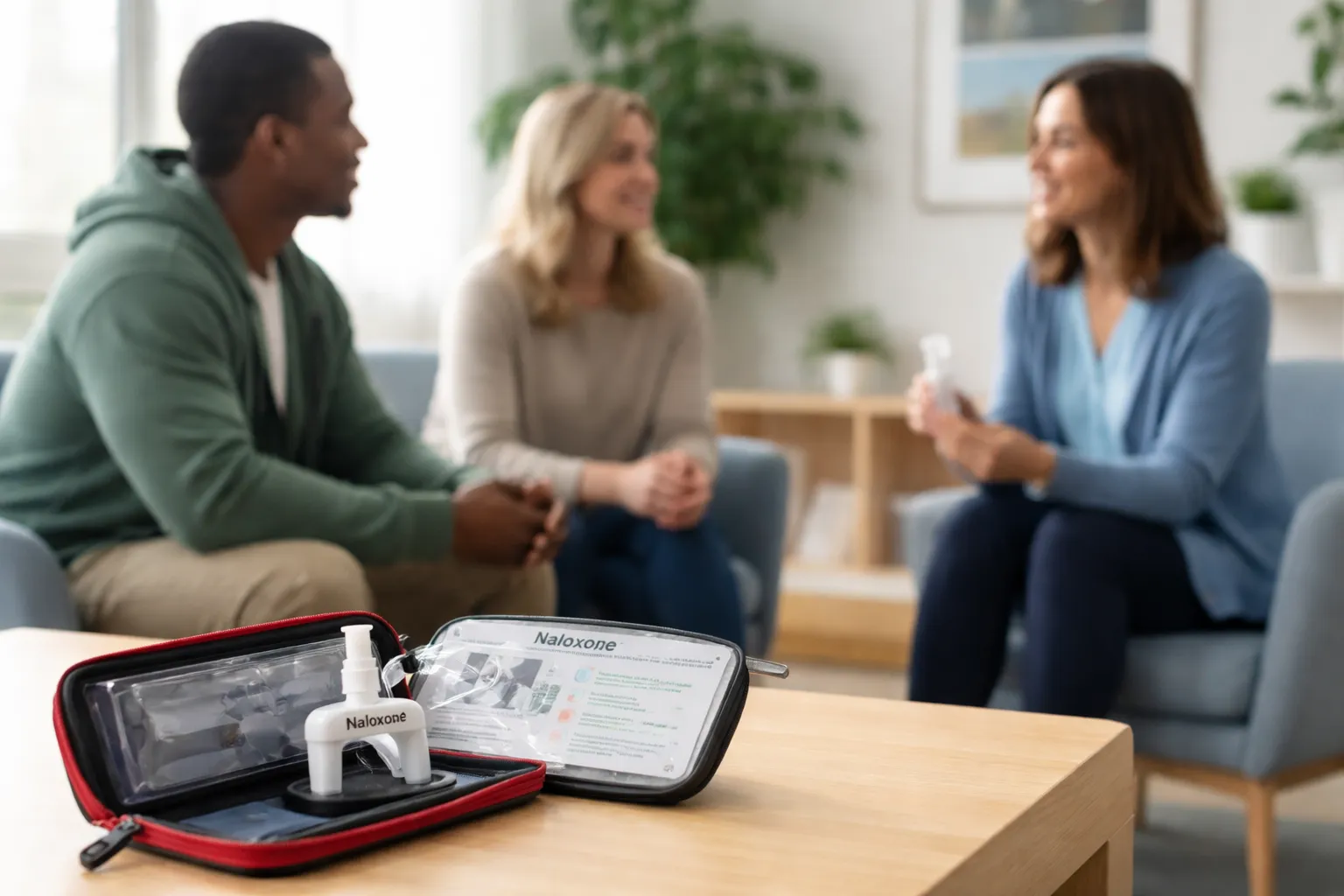
Medication for opioid use disorder, including methadone or buprenorphine, reduces craving and lowers the risk of overdose and death compared with no medication. Providers should offer medication combined with counseling and overdose education including naloxone. Discuss options with a licensed clinician. (samhsa.gov)
Alcohol
Some medications can support abstinence or reduce heavy drinking, and medically supervised detoxification may be required for people with moderate to severe withdrawal risk. For alcohol withdrawal specifically, benzodiazepines are commonly recommended to prevent seizures and delirium during acute withdrawal and should be managed by clinicians. Pregnant people and adolescents need specialized care. (samhsa.gov)
Tobacco and nicotine
Nicotine replacement therapies, varenicline, and bupropion help reduce cravings during quitting and are more effective when combined with behavioral support. Short term tactics such as deep breathing and substitution behaviors can help during peaks. (health.nih.gov)
Frequently asked questions
Will cravings ever go away?
Some people experience occasional urges for years, especially around powerful reminders of past use. Cravings typically become less frequent and less intense over time with continued use of skills and supports, and many people report they no longer drive behavior once managed. (pmc.ncbi.nlm.nih.gov)
Is medication a sign of failure?
No. Medications are effective medical tools for reducing craving and restoring brain function affected by substances. Many clinical guidelines recommend combining medication with counseling. Whether medication is right for you should be decided with a clinician. (samhsa.gov)
What if I slip or relapse?
A slip is important information, not proof that change is impossible. Talk with your treatment provider to revise your plan. If you use after a period of abstinence, seek medical advice because overdose risk may be higher. If you or someone is in immediate danger, call 911. For crisis support call or text 988. (cdc.gov)
Sources and further reading
- SAMHSA: Treatment Options for Substance Use Disorder. (samhsa.gov)
- SAMHSA TIP 63: Medications for Opioid Use Disorder. (samhsa.gov)
- CDC: Treating Opioid Use Disorder. (cdc.gov)
- Cognitive Behavioral Therapy for Substance Use Disorders, review article. (pmc.ncbi.nlm.nih.gov)
- SAMHSA TIP 35: Enhancing Motivation and Mindfulness Guidance. (library.samhsa.gov)
- WHO: Management of Alcohol Withdrawal. (who.int)
- NIAAA Project MATCH: Coping With Cravings and Urges. (niaaa.nih.gov)
Next steps and how we can help
This information is educational and not a substitute for a clinical assessment. Placement decisions and medication choices require a qualified clinician to evaluate your medical and psychiatric history. If you are in New Jersey and want a confidential evaluation, you may request information about treatment options and programs, including evidence-based medications and counseling, through our treatments page or find nearby locations. To speak with the admissions team and request a confidential assessment use our contact page.
See treatments we offer | Find a location | Contact us for a confidential assessment.
If you are facing a life threatening emergency call 911 now. If you are in a mental health or suicide crisis call or text 988 for immediate support. If you have questions about placement or medications, a licensed clinician can assess risks and recommend safe, evidence-based care.