This article explains how outpatient detoxification works in New Jersey, who may be an appropriate candidate, what clinical steps are involved, and how families can make safer next steps. This is general education only, not individualized medical advice. Placement and medication decisions require assessment by a qualified clinician.
Table of Contents
ToggleWhat is outpatient detox?
Outpatient detox, sometimes called medically supervised withdrawal on an ambulatory basis, is a clinician-led program that manages the physical and psychological symptoms that can occur when someone stops or reduces use of alcohol, benzodiazepines, opioids, or other drugs, while that person continues to live at home. Outpatient detox includes medical assessment, symptom management, counseling or brief behavioral supports, and a plan for continuing treatment after withdrawal. The Substance Abuse and Mental Health Services Administration describes detoxification as a process with three linked components: evaluation, stabilization, and transition to ongoing treatment. (library.samhsa.gov)
Who may be an appropriate candidate for outpatient detox?
Outpatient detox is not for everyone. Clinicians use standardized placement criteria, medical history, current health, pattern and severity of substance use, and psychosocial supports to decide where detox should happen. People who may be considered for outpatient detox typically have:
- mild to moderate withdrawal risk, not severe or life threatening
- stable housing and reliable caregivers or supports
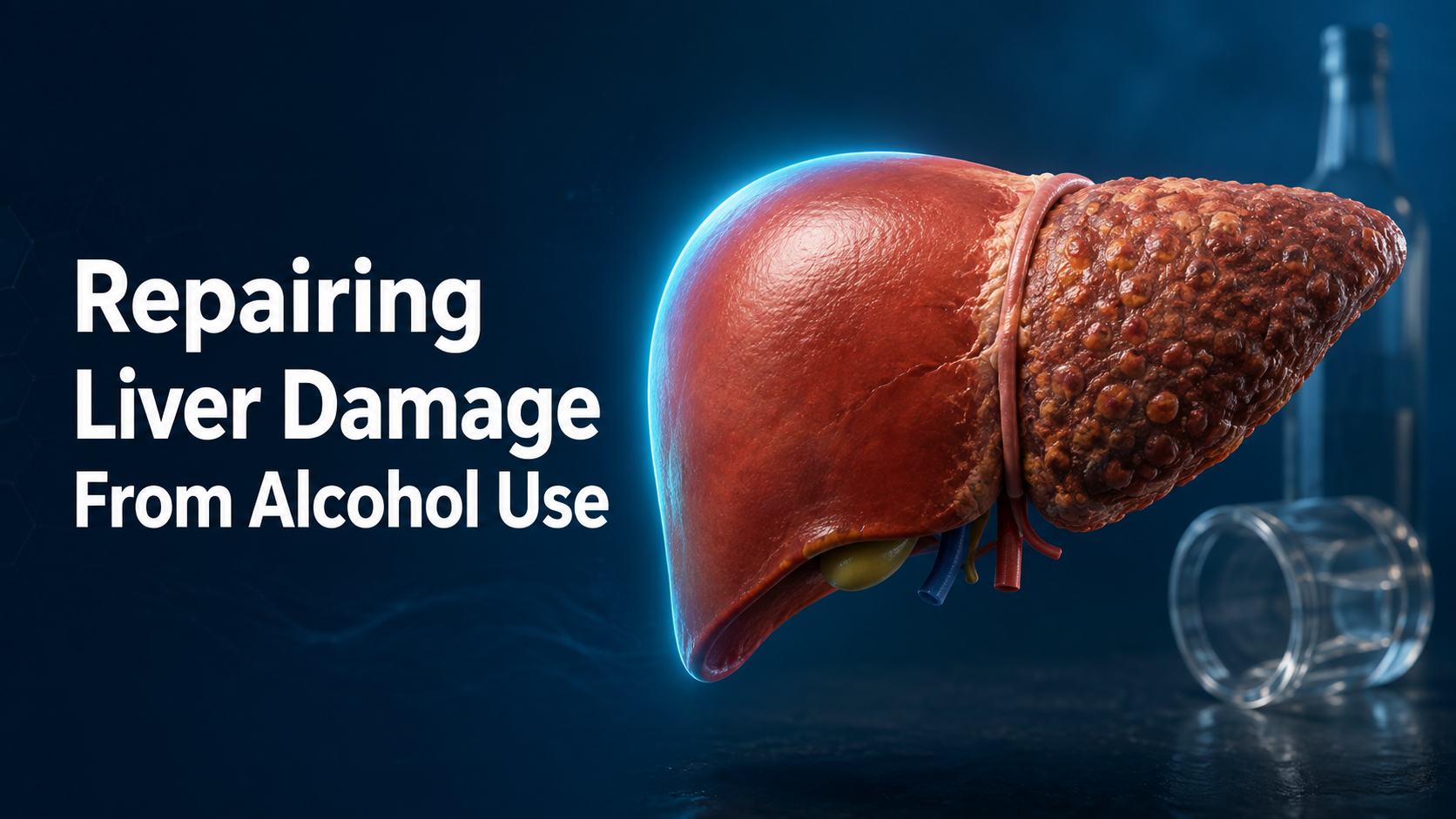
- no medical conditions that increase risk for complications, for example uncontrolled heart disease or severe liver failure
- no high immediate risk of suicide or severe psychiatric instability
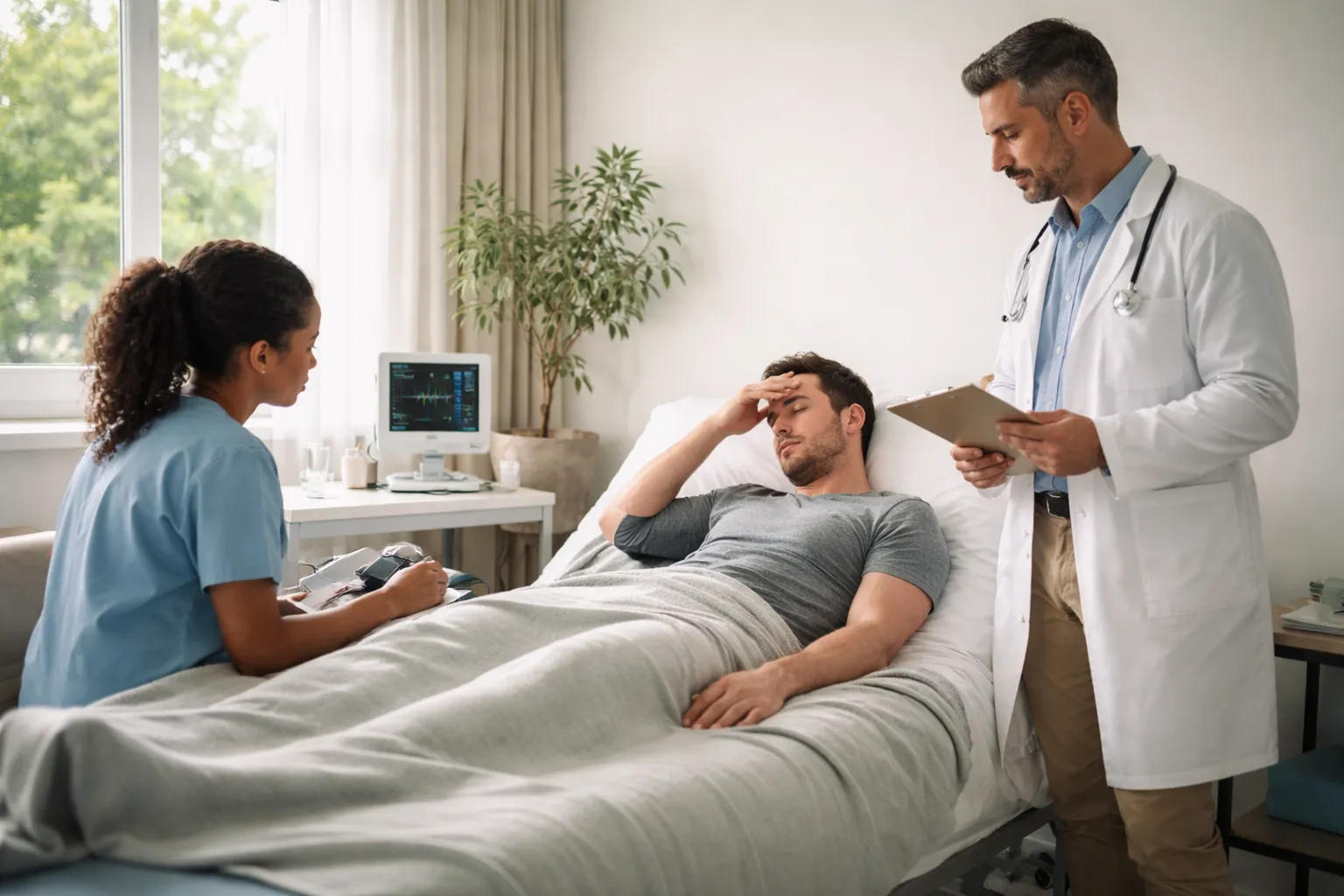
For some substances, such as long-term heavy alcohol or benzodiazepine use, the risk of seizures or delirium tremens may require inpatient monitoring. Clinical guidelines emphasize matching level of care to individual risk, and arranging rapid transfer to higher-intensity care if symptoms worsen. (library.samhsa.gov)
What to expect during outpatient detox
Initial evaluation
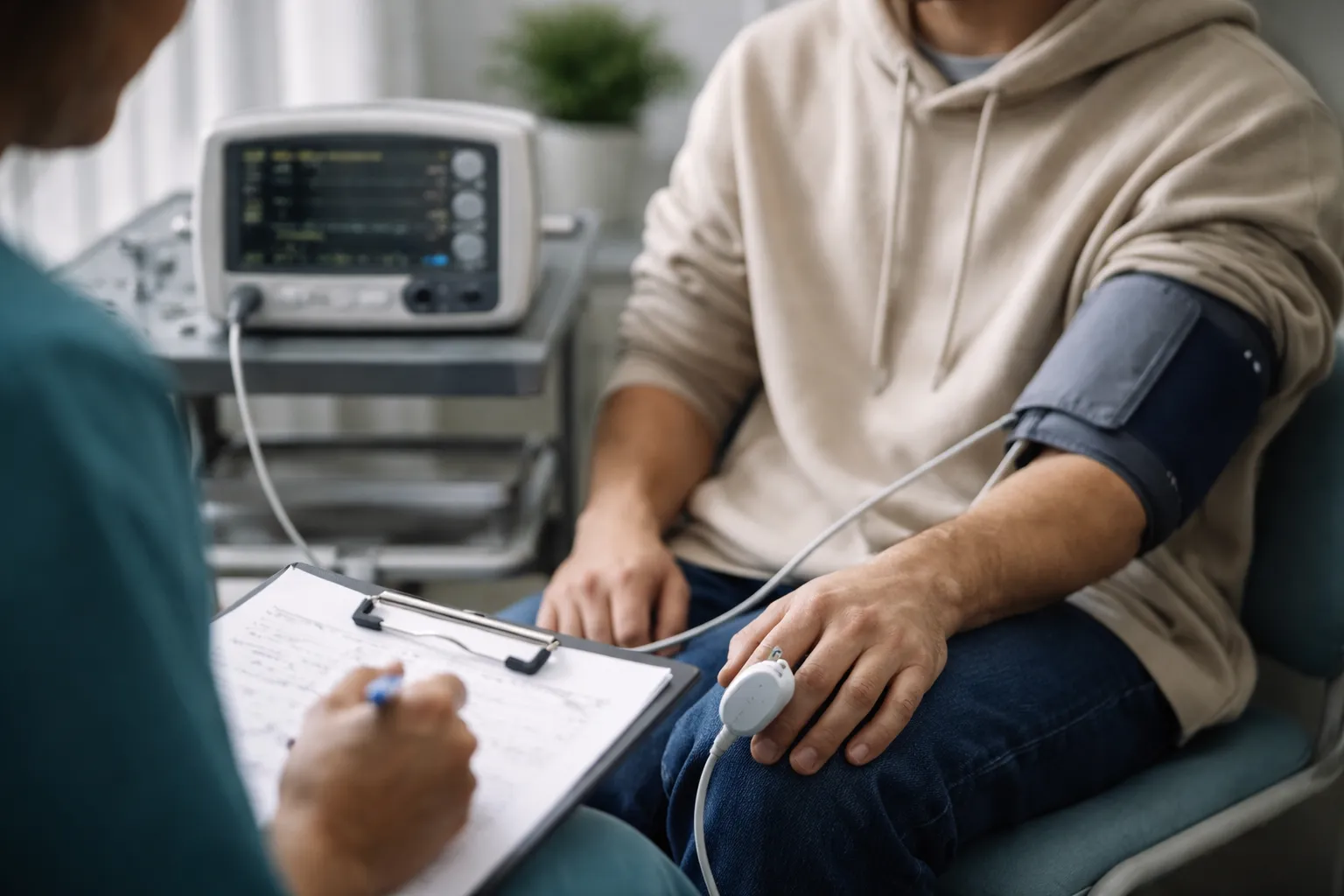
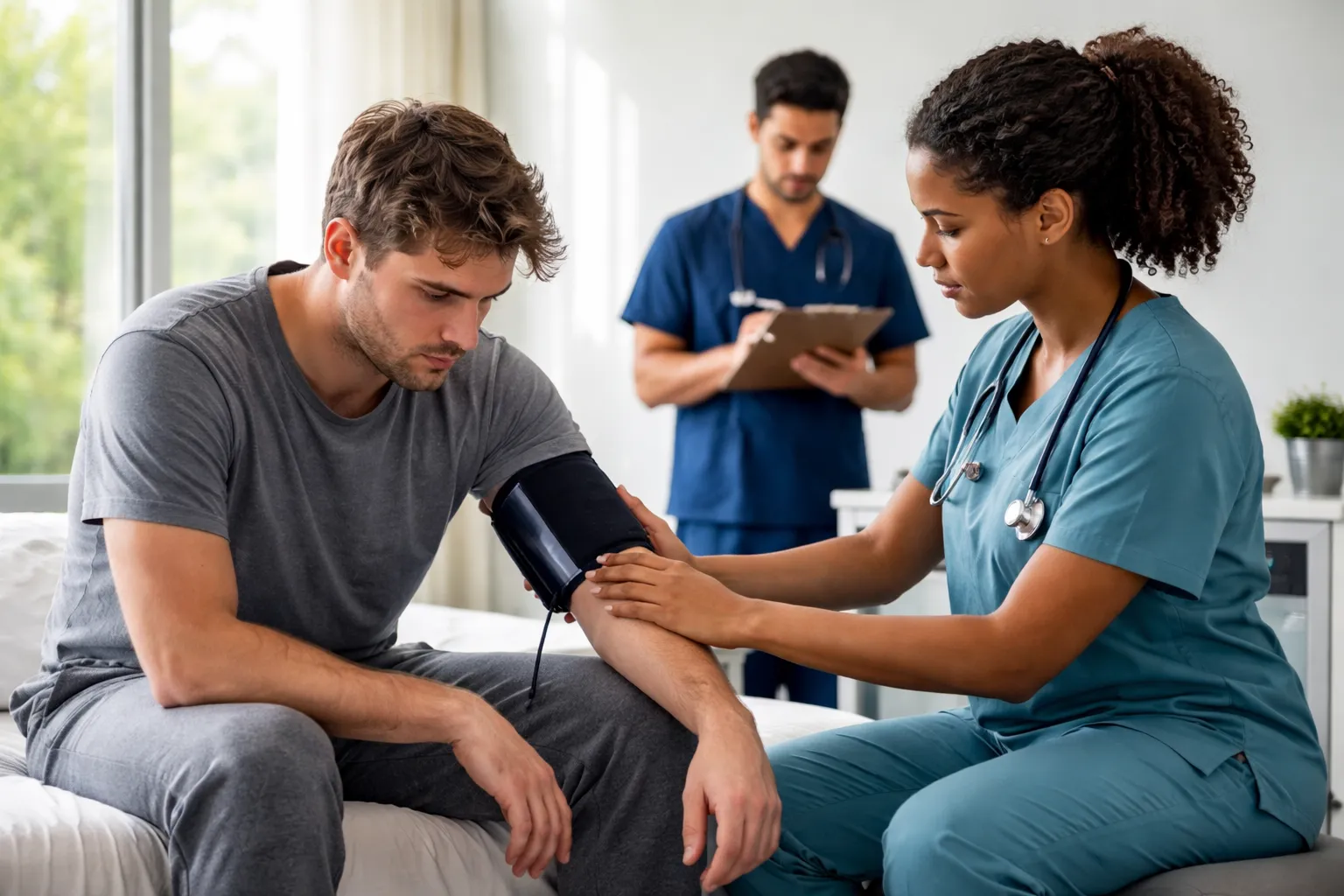
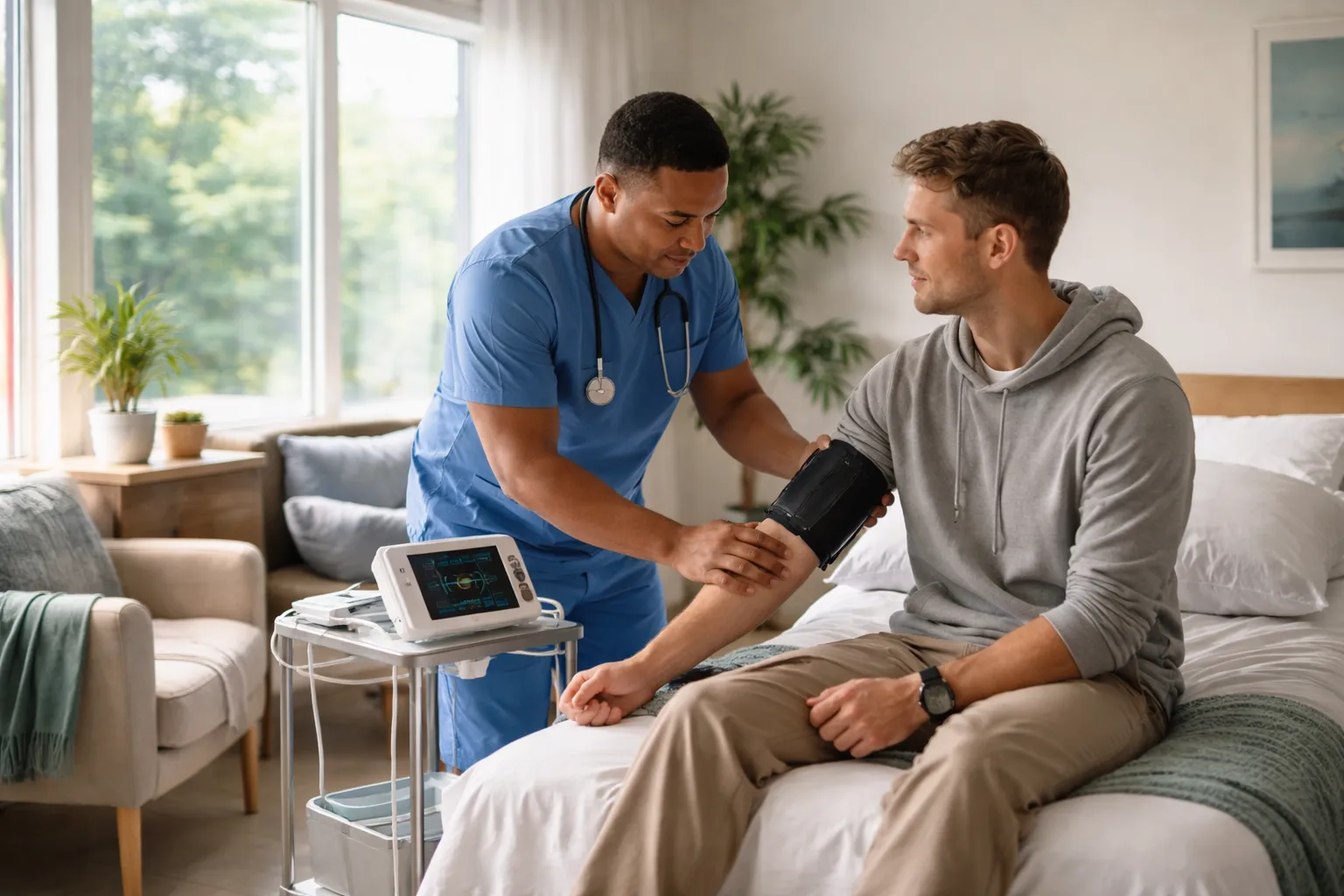
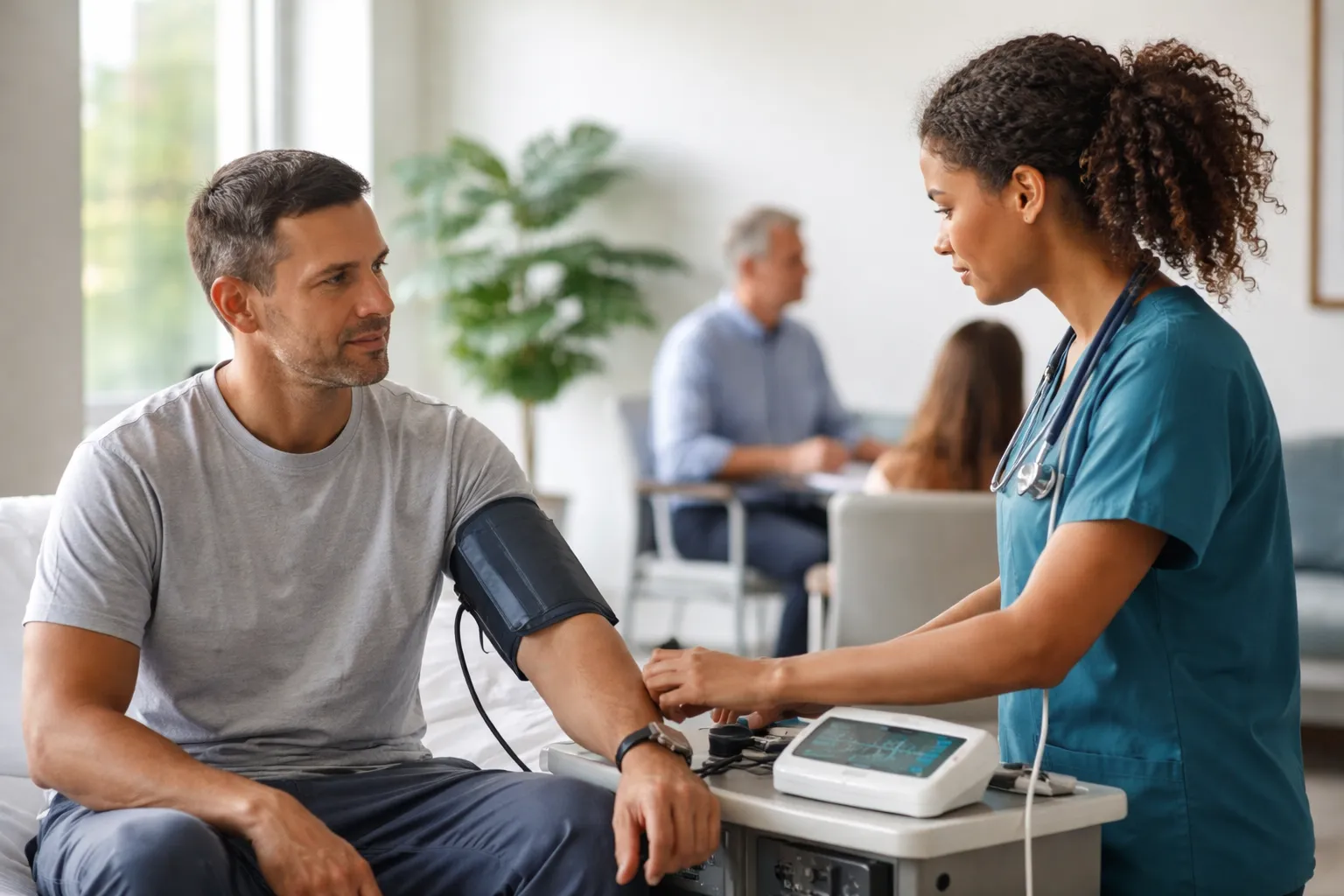
A clinician will perform a medical and substance use history, physical exam, medication review, and screening for co-occurring mental health conditions. Labs, pregnancy test when relevant, and baseline vital signs are common. The team will explain the expected withdrawal course for the substance involved and obtain informed consent for treatment. (library.samhsa.gov)
Ongoing visits and monitoring
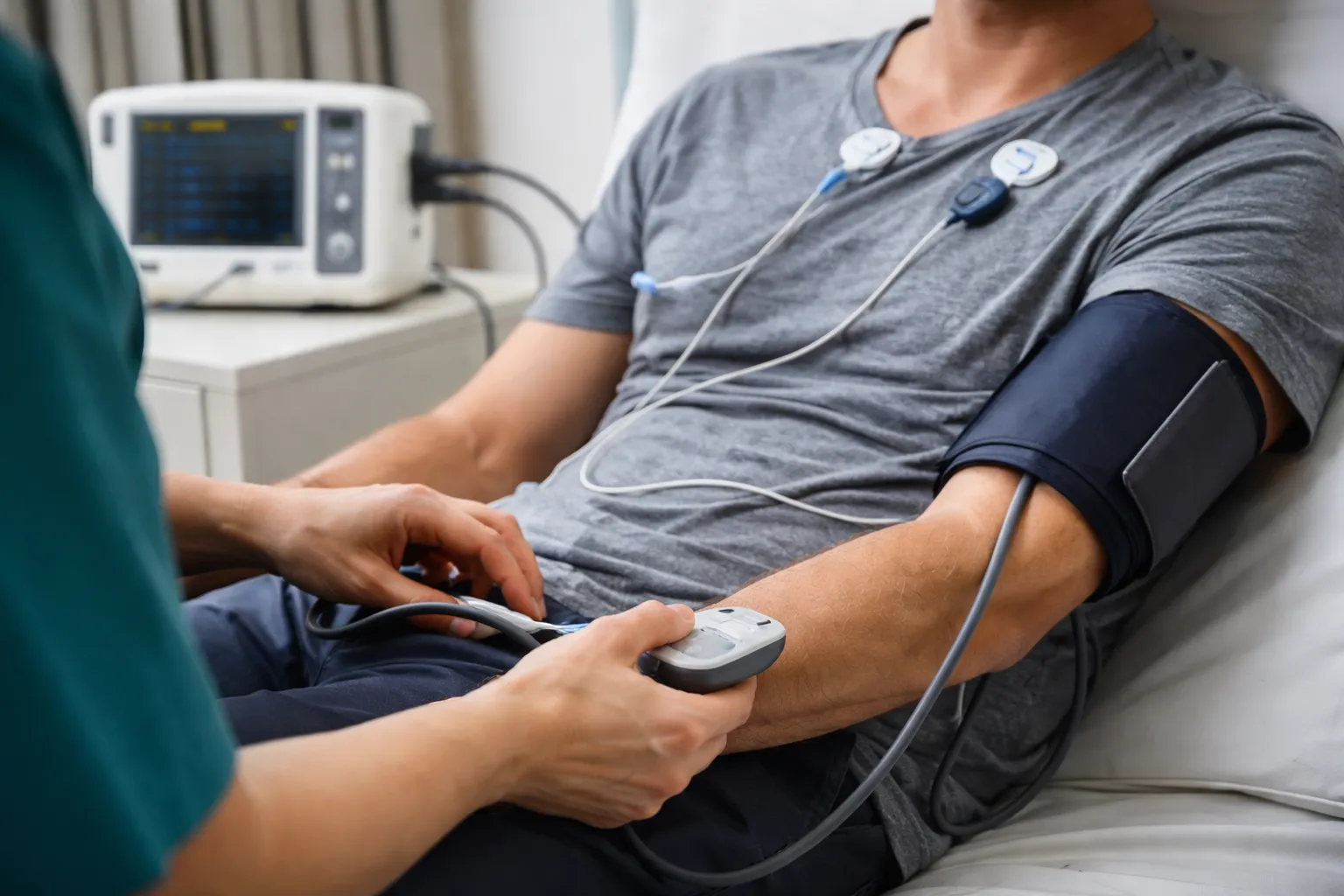
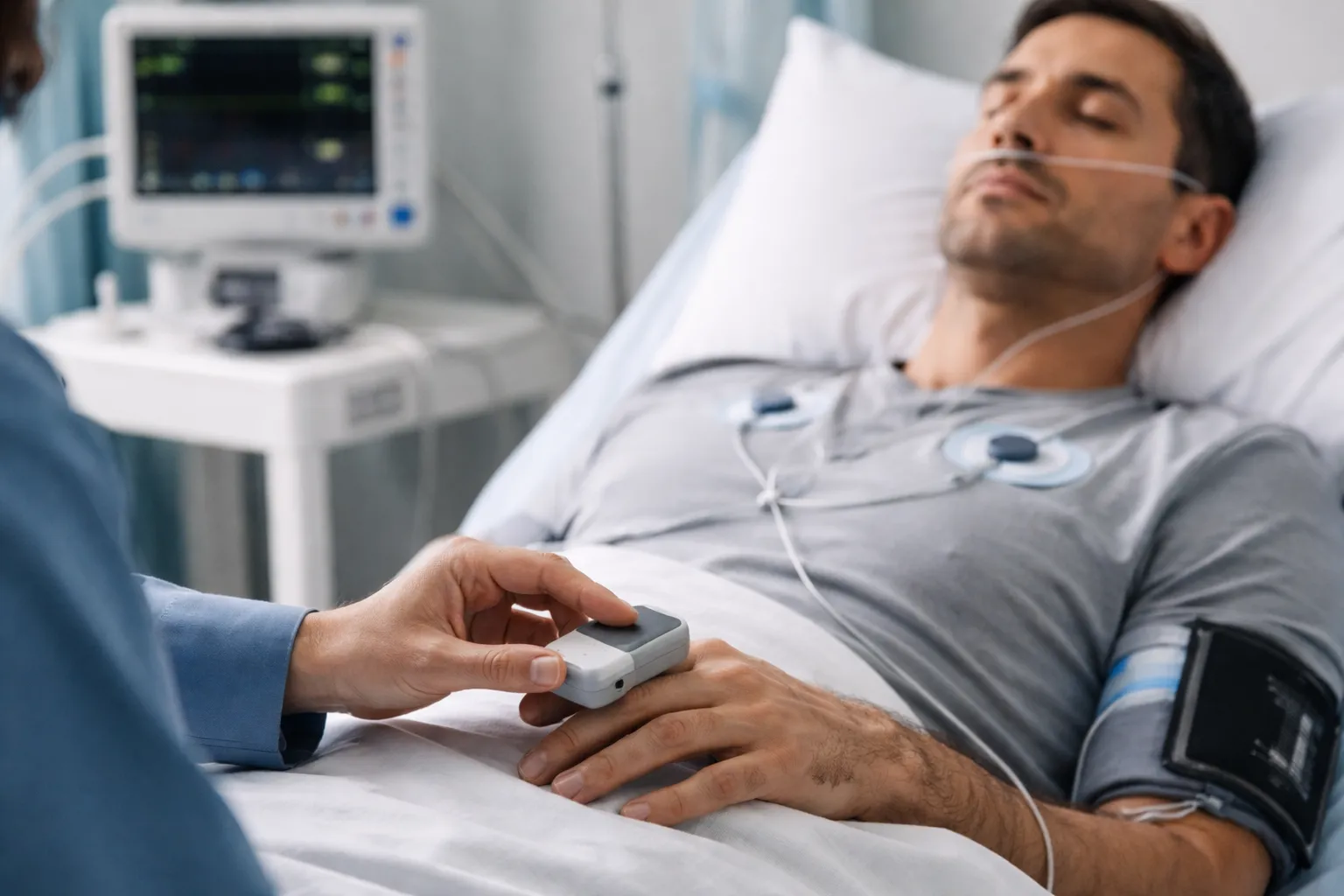
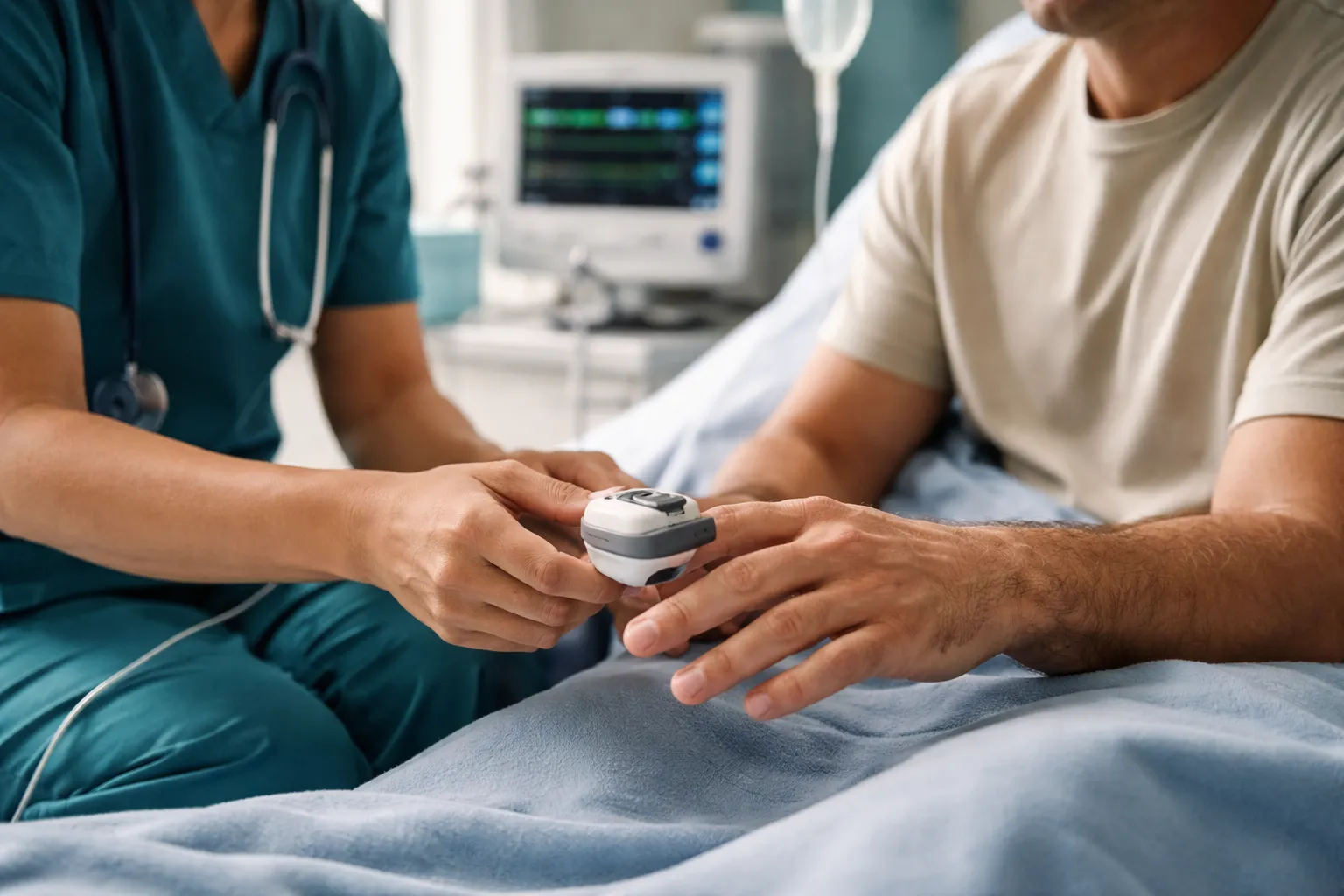
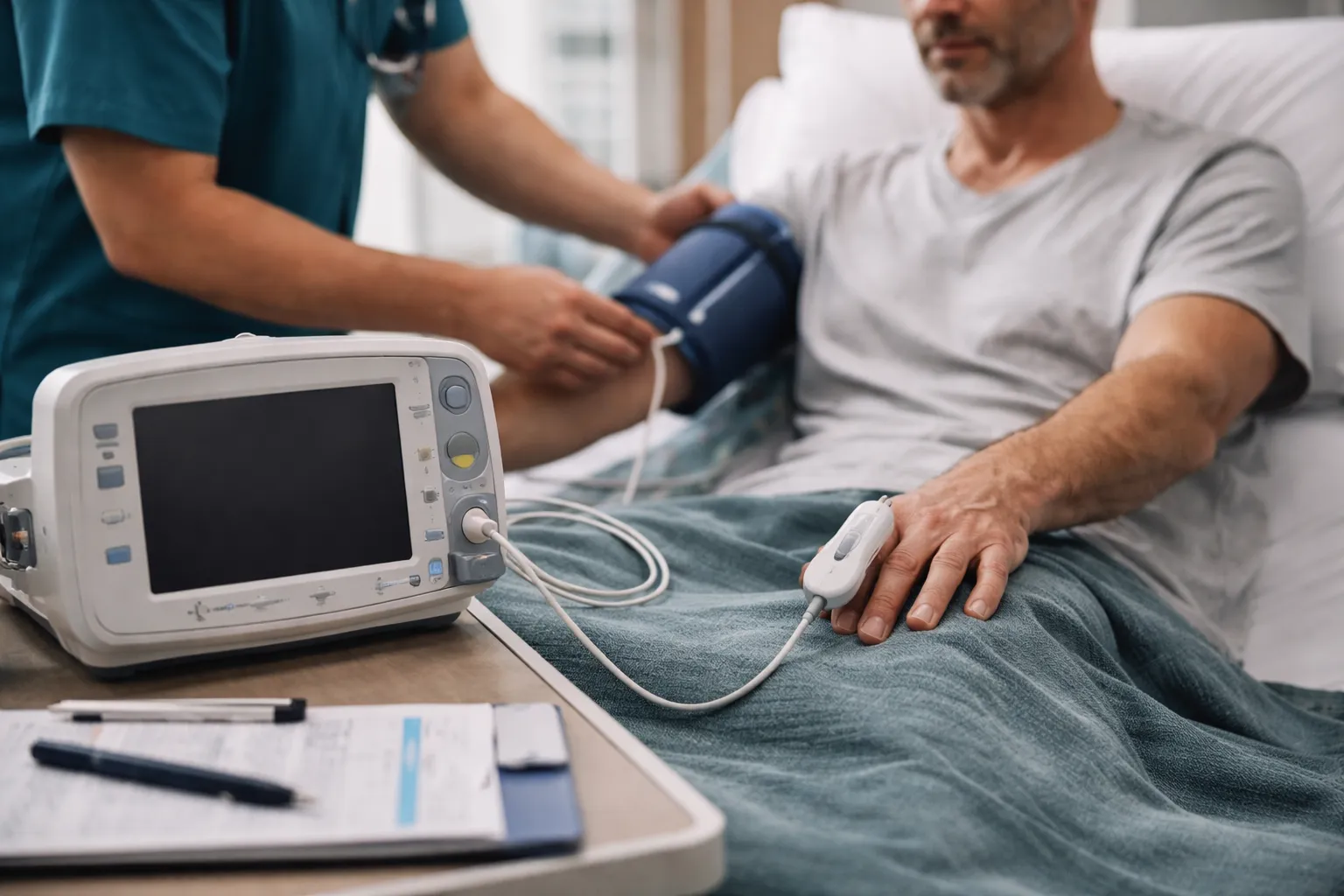
In outpatient detox, visits may be daily or several times per week at first, tapering as symptoms stabilize. Clinicians monitor withdrawal scores, vitals, medication response, and safety. New Jersey regulations set minimum service standards for outpatient detox programs licensed in the state, including requirements for clinical assessment, nursing and medical oversight, and monitoring during the detoxification period. Programs must also provide links to treatment continuing care. (regulations.justia.com)
Transition to ongoing treatment
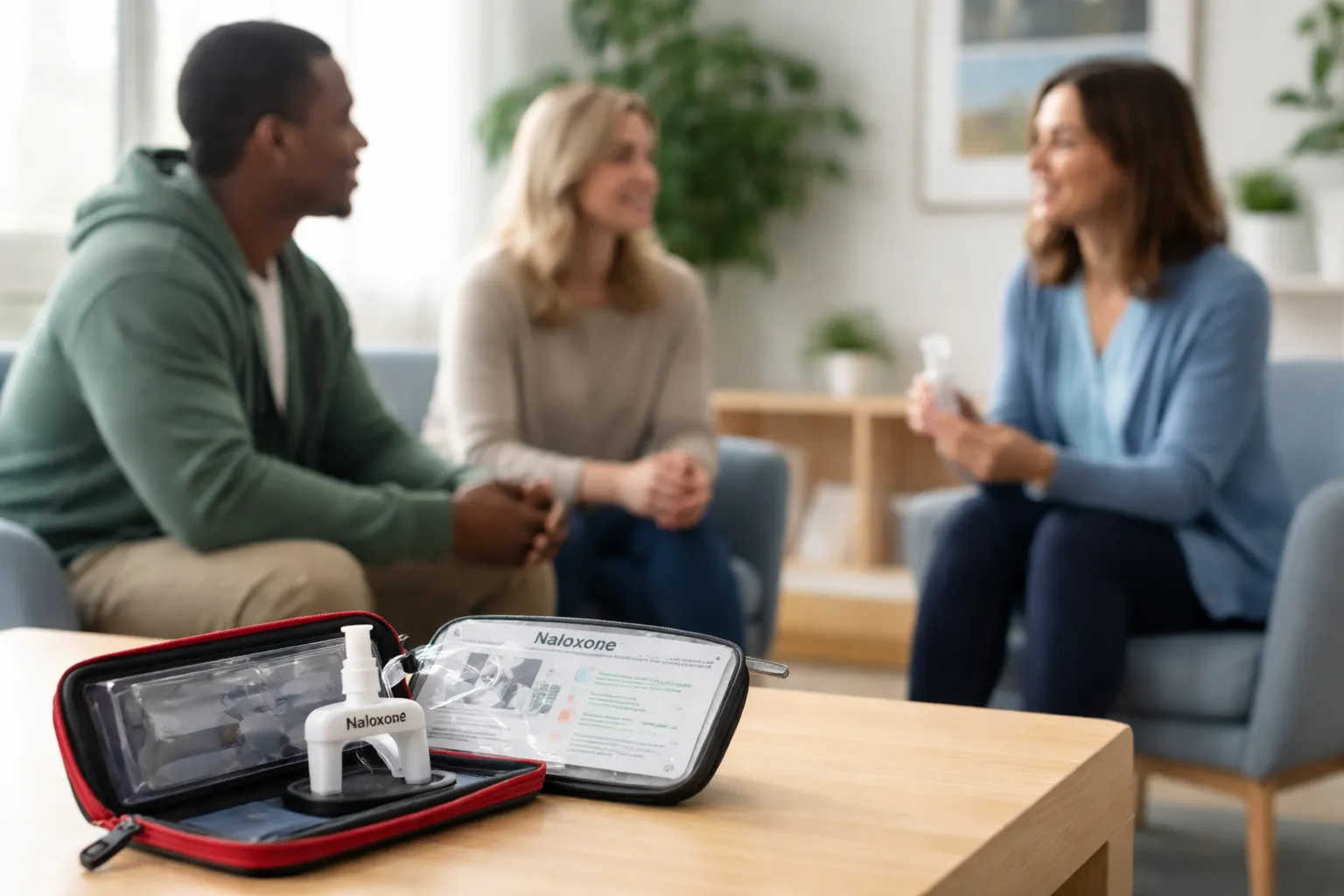
Detox alone is not treatment for addiction. National guidance stresses that detox should connect patients immediately to longer term treatment or recovery supports, because continuing care reduces relapse and other harms. Programs should give a written plan, make appointments with prescribers or counselors, and provide overdose education and naloxone when opioid use is involved. (library.samhsa.gov)
Medications commonly used during outpatient detox
Medications depend on the substance and the clinical goal: symptom relief, prevention of dangerous complications, or initiation of ongoing medication-based treatment. Examples include:
- For opioid-related withdrawal: buprenorphine or methadone may be used to reduce withdrawal and cravings, or clonidine or lofexidine for symptom control when opioid agonist therapy is not started. FDA-approved medications for opioid use disorder include buprenorphine, methadone, and naltrexone. Decisions about which medication is appropriate require clinical assessment and access considerations. (cdc.gov)
- For alcohol withdrawal: benzodiazepines remain the main evidence-based medications to prevent seizures and delirium in moderate to severe cases; outpatient management is limited to lower-risk situations. (niaaa.nih.gov)
- For benzodiazepine withdrawal: slow tapering and close medical oversight are standard, and some patients require inpatient care. (library.samhsa.gov)
It is important to note medication choices should be made by qualified clinicians who can evaluate risks and follow local rules for prescribing and dispensing. For example methadone for opioid use disorder is normally provided through federally certified opioid treatment programs, while buprenorphine can be prescribed in office-based settings. (cdc.gov)
How outpatient detox compares to other levels of care
| Level of care | Typical setting | Best for | Limitations |
|---|---|---|---|
| Outpatient detox | Clinic visits, telehealth check-ins, home recovery | Mild-moderate withdrawal risk, stable supports | Not suitable for high medical or psychiatric risk |
| Intensive outpatient (IOP) | Daily or several-times-week clinic groups, some medical visits | Needs structured therapy plus medical oversight, still lives at home | Requires reliable transportation, more time commitment |
| Inpatient/residential detox | 24-hour medical unit or residential program | Severe withdrawal risk, unstable housing, high medical comorbidity | Higher cost, temporary removal from home environment |
Use clinical placement criteria and a clinician assessment to choose the safest level of care. SAMHSA and ASAM guidance emphasize individualized placement and linkage to ongoing treatment. (library.samhsa.gov)
Safety callout: emergencies, overdose risk, and crisis help
If there is a medical emergency, call 911 immediately. If you or someone is in a mental health or suicide crisis, call or text 988 for the 988 Suicide and Crisis Lifeline. For people who stop using opioids, tolerance falls quickly and using the same dose afterward greatly increases the risk of fatal overdose, so programs should provide naloxone and overdose education. Always tell your clinical team about any worsening symptoms, fainting, chest pain, breathing trouble, severe confusion, seizures, or suicidal thoughts. (samhsa.gov)
Frequently asked questions
Will detox get insurance to pay?
Coverage depends on your insurer and the clinical level of care determined to be medically necessary. State rules and program licensure can affect reimbursement. Ask the program and your insurer for specifics. New Jersey requires licensure and minimum standards for outpatient detox programs, which can affect payment pathways. (regulations.justia.com)
How long does outpatient detox usually take?
Duration depends on the substance and individual medical factors. Some opioid withdrawal phases resolve in days with medication support, while alcohol or benzodiazepine withdrawal may require longer tapering and careful monitoring. The detoxification process should always be followed by a plan for ongoing treatment. (library.samhsa.gov)
Is it safe to stop medications like buprenorphine or methadone during detox?
Stopping medications used for opioid use disorder can increase relapse and overdose risk. Clinical guidance generally favors continuing medication for OUD rather than routine medically supervised withdrawal, except in carefully selected situations and when followed by a robust treatment plan. These decisions must be made with a qualified clinician. (doi.org)
Sources
- CDC, Treatment for Opioid Use Disorder. (cdc.gov)
- SAMHSA, TIP 45 Detoxification and Substance Abuse Treatment (Quick Guide and TIP). (library.samhsa.gov)
- NIAAA, Alcohol Use Disorder: Risk to Recovery. (niaaa.nih.gov)
- New Jersey Administrative Code, Standards for licensure of outpatient substance use disorder treatment facilities. (regulations.justia.com)
- SAMHSA, Crisis help and 988 information. (samhsa.gov)
- ASAM, National Practice Guideline for Opioid Use Disorder (pocket guide and practice guideline). (doi.org)
Compassionate next steps
If you or a loved one are considering outpatient detox in New Jersey, start with a confidential clinical assessment. A qualified clinician will review medical history, current medications, mental health status, and supports to recommend the safest level of care and any needed medications. For information on treatment options we offer, see our treatments page, or to find a nearby program, see our locations. If you are ready to talk confidentially now, request a confidential assessment or speak with our admissions team via our contact page. No single paragraph here replaces a medical evaluation tailored to you.
Remember: if someone is in immediate danger call 911. For mental health or suicide crisis call or text 988. This article provides general education and does not substitute for clinical advice. Placement and medication choices require an assessment by a qualified clinician.