College students who are worried about alcohol, marijuana, prescription medicines, or other drug use often need care that fits around classes, housing, and campus life. Outpatient addiction treatment can be a flexible option for many students, but decisions about placement, medications, and safety require a careful clinical assessment by a qualified clinician.
Table of Contents
ToggleWhat outpatient addiction treatment means for college students
Outpatient care means treatment you attend and then leave the same day rather than staying overnight. Outpatient programs range from weekly individual counseling to more structured intensive outpatient programs sometimes called IOPs. These services typically include individual therapy, group therapy, case management, family or academic support, and, when needed, medications for addiction or withdrawal management. Clinical teams match level of care to medical risk, withdrawal risk, psychiatric needs, and the student’s support system and academic schedule. (samhsa.gov)
Why outpatient care is often chosen for students
- Flexibility: students can usually keep attending classes and live on campus while participating in treatment.
- Continuity: outpatient programs focus on skills for day to day recovery, relapse prevention, and managing academic stress.
- Access to medication and counseling: many outpatient clinics provide medications for opioid use disorder, medication monitoring, and counseling that may reduce risk and support recovery planning. (fda.gov)
How clinicians decide whether outpatient care fits a student
Placement decisions use structured clinical judgment, such as the ASAM criteria for level of care. Students who are medically stable, without severe withdrawal risk or uncontrolled medical or psychiatric problems, may be appropriate for outpatient or intensive outpatient services. Students with severe withdrawal symptoms, ongoing seizures, recent overdose, acute psychosis, unstable medical illness, or pregnancy often need urgent or higher intensity care, including inpatient detoxification or medically monitored withdrawal. Placement should be decided by a qualified clinician after assessment. (asam.org)
When outpatient is NOT appropriate
- Severe alcohol withdrawal or history of withdrawal seizures or delirium tremens.
- Active suicidal ideation with plan, uncontrolled psychosis, or severe uncontrolled medical problems.
- Pregnancy with substance use requiring detoxification or specialized prenatal addiction care.
- Recent nonfatal opioid overdose without stable follow up, or inability to keep safe housing and supports.
Medications and outpatient care
For opioid use disorder, three medications are approved by the FDA: buprenorphine, methadone, and naltrexone. These medications are often delivered in outpatient settings with counseling and case management, but which medication is right depends on the individual patient, treatment history, and medical assessment. A clinician will review benefits and risks, and make a shared decision about medication options. (fda.gov)
How medication fits with campus life
- Office-based buprenorphine can often be prescribed with follow up visits that are scheduled around classes.
- Methadone for opioid use disorder is provided at certified opioid treatment programs and often requires daily dosing early in care; this may affect scheduling and housing plans.
- Extended-release naltrexone is an injection that can be given monthly, which some students prefer for its simplicity.
| Setting | What it looks like | Best for | Impact on school |
|---|---|---|---|
| Standard outpatient | Periodic individual and group therapy, medication visits as needed | Mild to moderate SUD, stable supports, low withdrawal risk | Minimal disruption, can often be scheduled around classes |
| Intensive outpatient program (IOP) | More frequent therapy sessions and structured groups, often several times per week | Moderate SUD, need for higher engagement without residential stay | Requires planning, may need reduced course load or flexible class schedule |
| Residential/inpatient | 24 hour care, medically supervised withdrawal if needed, structured living | Severe withdrawal risk, unstable psychiatric or medical issues, unsafe housing | Significant academic disruption, but sometimes medically necessary |
Planning care around school
Students and families should discuss academic timing, housing, and confidentiality with clinicians and university health services. Useful planning steps include:
- Ask about scheduling flexibility for appointments during the semester, telehealth options, and coordination with campus counseling or health services.
- Discuss academic accommodations early with disability services if needed; many schools have procedures to support students in treatment.
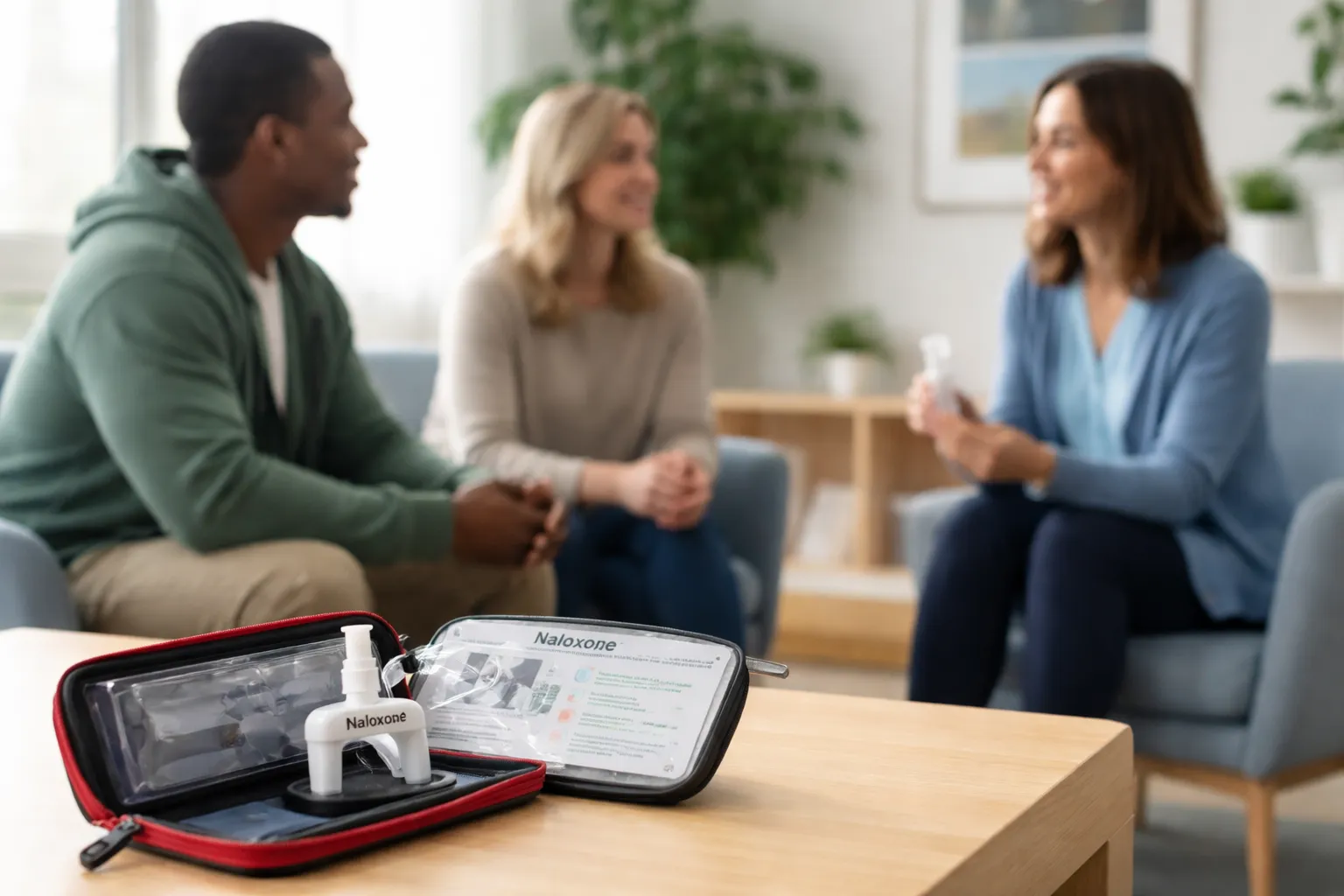
- Create a safety plan for nights, parties, and social situations, including naloxone if opioid use is present and a trusted contact who can help in an emergency. (cdc.gov)
- Plan medication logistics: where injections or daily dosing will occur, and how refills and monitoring will be managed while on break or study abroad.
Safety callout
If there is a medical emergency, call 911 immediately. For any mental health, suicide, or substance use related crisis, call or text 988 or use the online chat to reach the 988 Suicide and Crisis Lifeline. These resources are available 24 hours a day. For suspected opioid overdose, give naloxone if available and call 911. (samhsa.gov)
New Jersey resources
New Jersey maintains a statewide connection line that helps residents find local addiction treatment and supports. Students and families in New Jersey can start by contacting ReachNJ, a central line that connects callers to treatment referrals and local services. You can also find county and state behavioral health resources through the New Jersey Division of Mental Health and Addiction Services. Contacting these resources can help identify outpatient programs that work around a student’s schedule. (nj.gov)
Frequently asked questions
Can a student stay enrolled while in outpatient treatment?
Many students remain enrolled while attending outpatient care. The feasibility depends on program intensity, medication logistics, and academic flexibility. Discuss scheduling, telehealth, and possible reduced course load with both the treatment team and the school’s academic or disability office.
Will treatment be confidential from my school or parents?
Treatment confidentiality is protected by federal and state privacy laws, but there are exceptions for imminent safety risks and depending on age. Discuss confidentiality limits with the treatment provider before sharing detailed information with others.
What if I need medication for opioid use disorder?
Medications such as buprenorphine, methadone, and naltrexone can be part of outpatient care. Which medication is appropriate depends on clinical assessment, treatment history, and patient preference. A qualified clinician will review options and develop a monitoring plan. (fda.gov)
How do I know if outpatient is safe for me?
Only a clinician can determine the appropriate level of care. If you have severe withdrawal symptoms, recent overdose, uncontrolled mental health symptoms, or pregnancy, you should seek urgent or higher level care right away. The ASAM criteria and clinical practice guidance describe when ambulatory management is or is not appropriate. (asam.org)
Sources and further reading
- SAMHSA: Types of treatment and outpatient definitions. (samhsa.gov)
- NIH / NIDA: Monitoring the Future findings on college-aged substance use. (nih.gov)
- FDA: Information about medications for opioid use disorder. (fda.gov)
- ASAM: Clinical practice guidance on alcohol withdrawal management and levels of care. (asam.org)
- ReachNJ: New Jersey connection line for substance use help. (nj.gov)
- SAMHSA: 988 Suicide & Crisis Lifeline information. (samhsa.gov)
- CDC: What to do if you suspect an overdose. (cdc.gov)
Next steps and how we can help
If you are a college student in New Jersey or a family member and want to explore outpatient options that fit around school, a confidential clinical assessment is the first step. A qualified clinician will assess medical and psychiatric risk, discuss medication options if appropriate, and help match the student to outpatient, intensive outpatient, or higher level care as required. For information about therapies and programs, see our treatments page. For local programs and locations, see our locations page. If you want to speak with someone about next steps, you may request a confidential assessment or contact our admissions team through our contact page.
This article is general educational information and is not individualized medical advice. Placement decisions and medication choices require assessment and prescription by a licensed clinician. This article has not been clinically reviewed by a named clinician.
If someone is in immediate danger call 911, and for mental health or suicide-related crisis support, call or text 988 now. (samhsa.gov)
Confidential next step: Request a confidential assessment or speak with our admissions team via Contact Us. Learn about treatment options at Treatments and view local program locations at Locations.