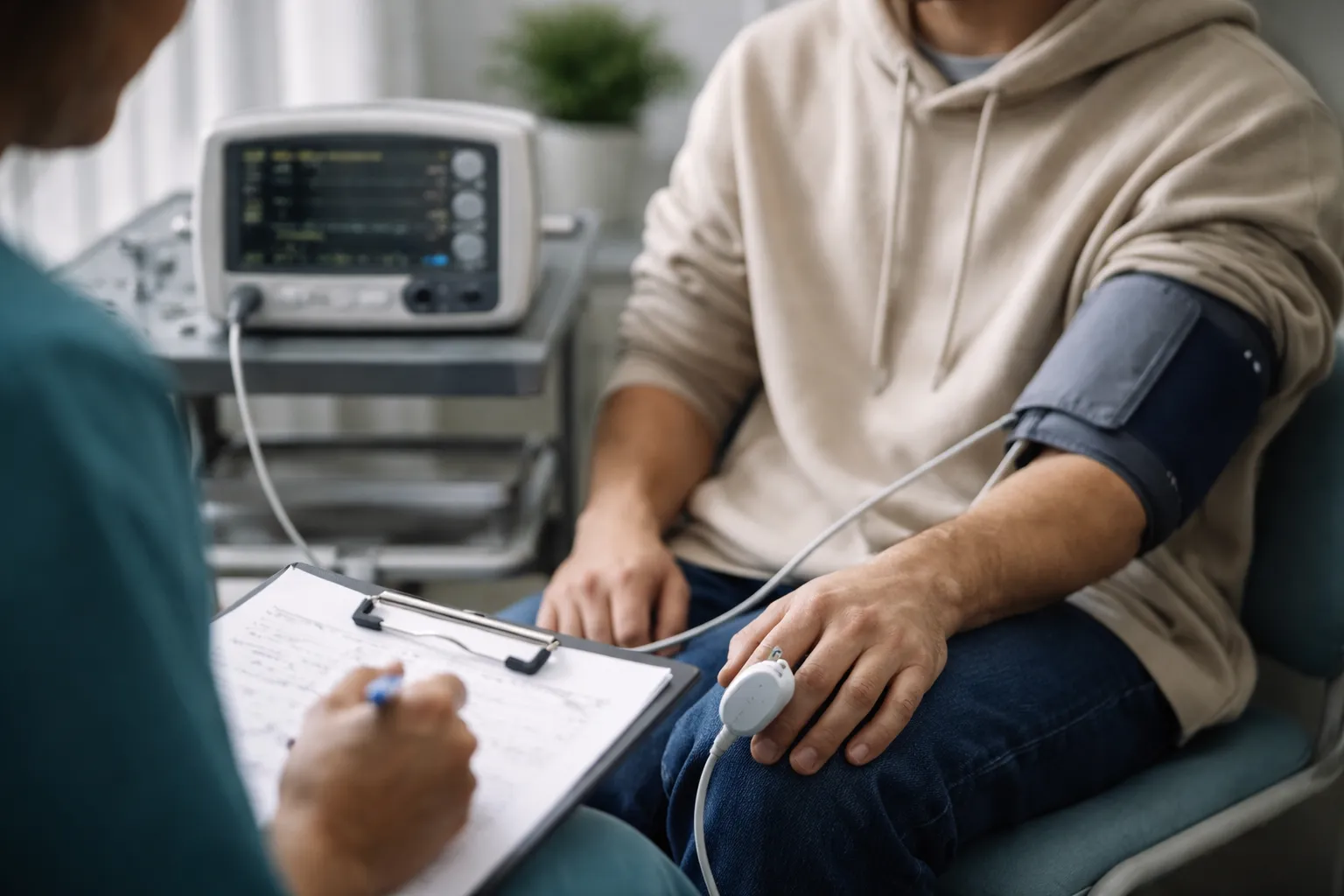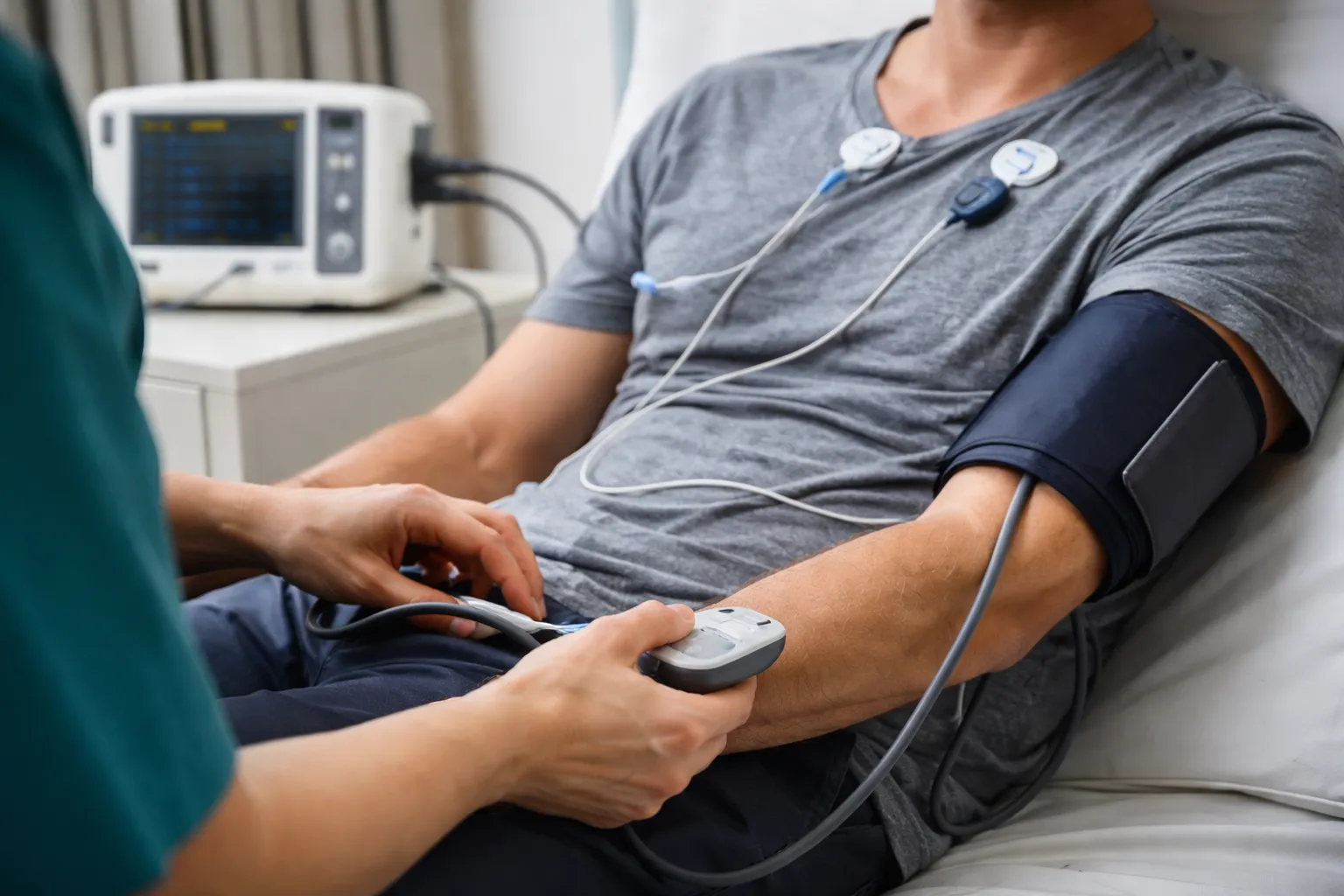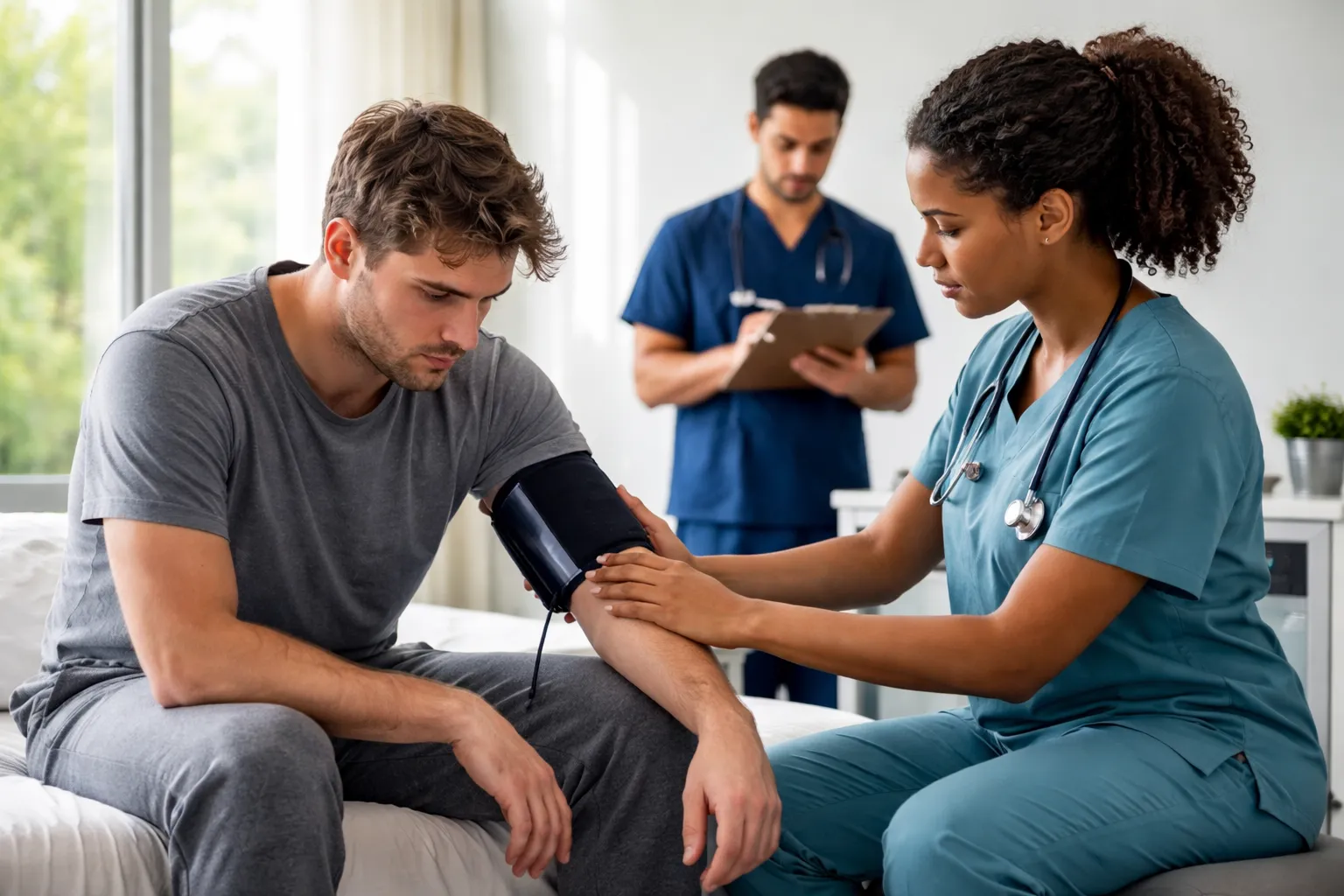
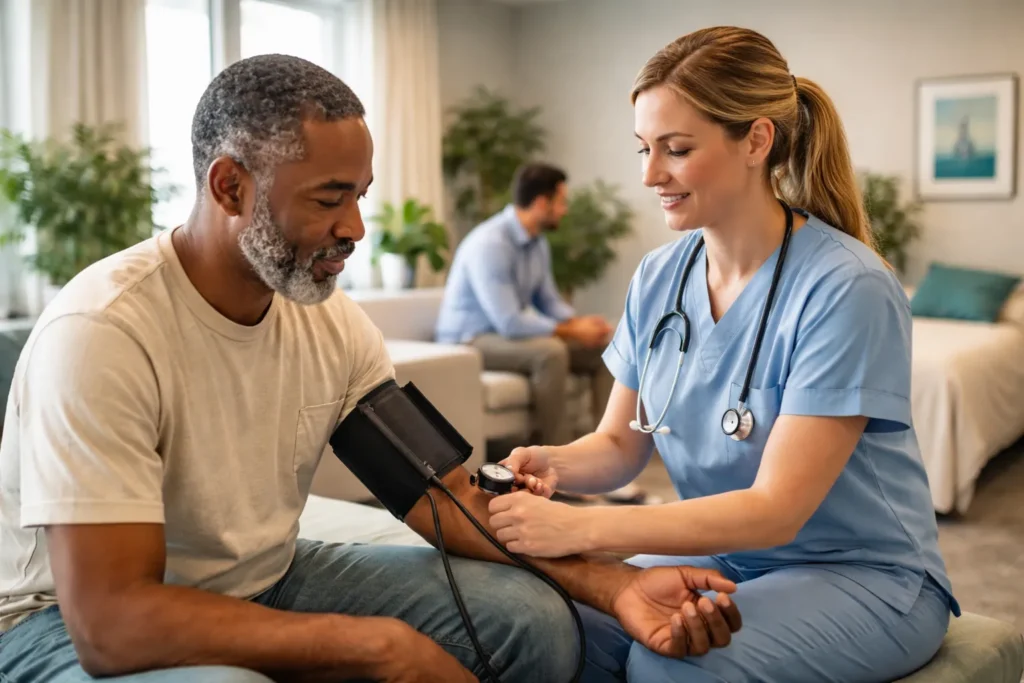
This article explains how to compare detox centers in New Jersey, what questions to ask, and how to choose a program that matches medical needs and safety goals. This is general education only. Placement and medication decisions require assessment by a qualified clinician. Call 911 for any medical emergency, and call or text 988 for a mental health or suicide crisis.
Table of contents: What is detox and what it does, Key questions to ask, Comparison table, Clinical considerations by substance, Safety callout, FAQs, Next steps, Sources.
Table of Contents
ToggleWhat is detox, and what does it do?
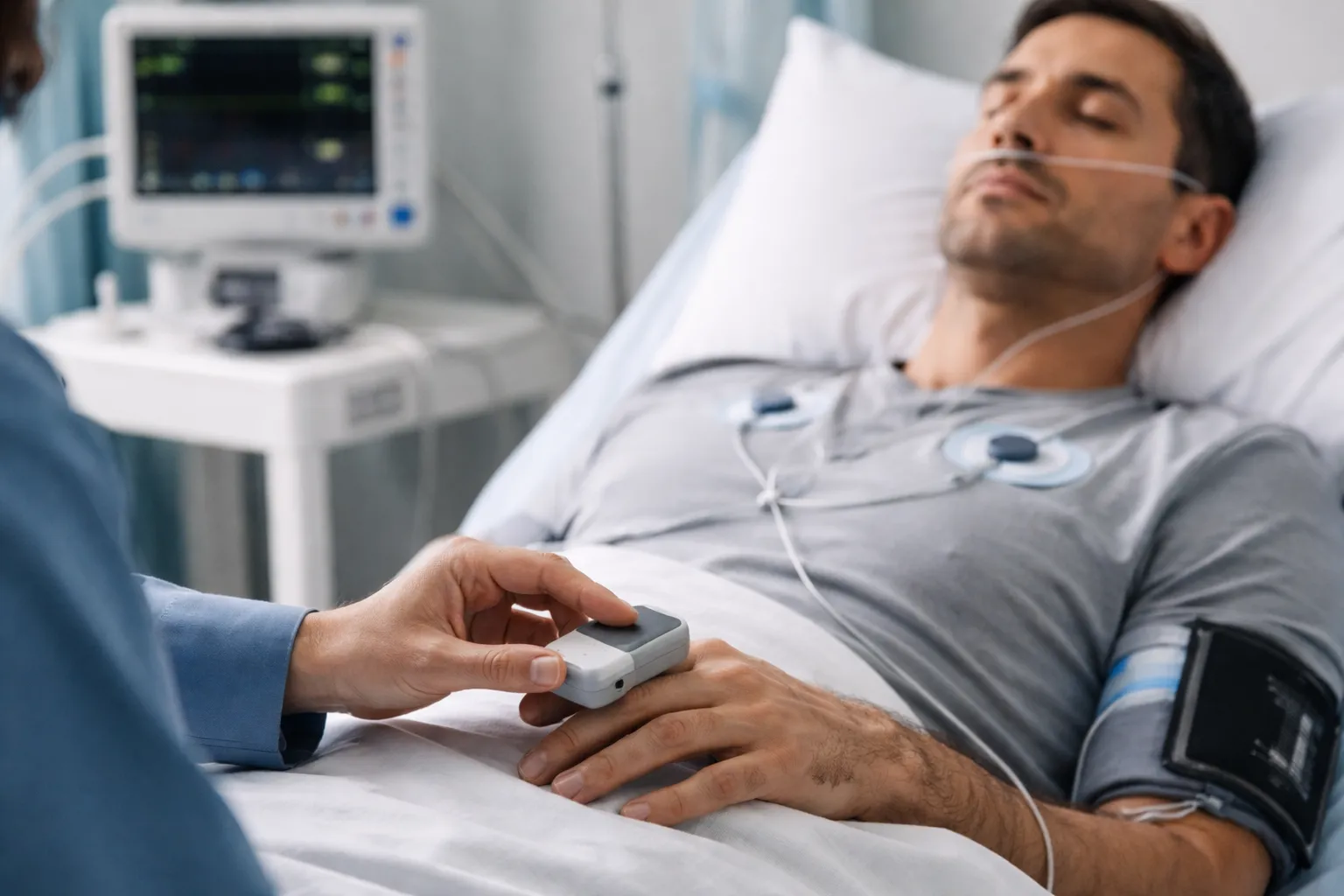
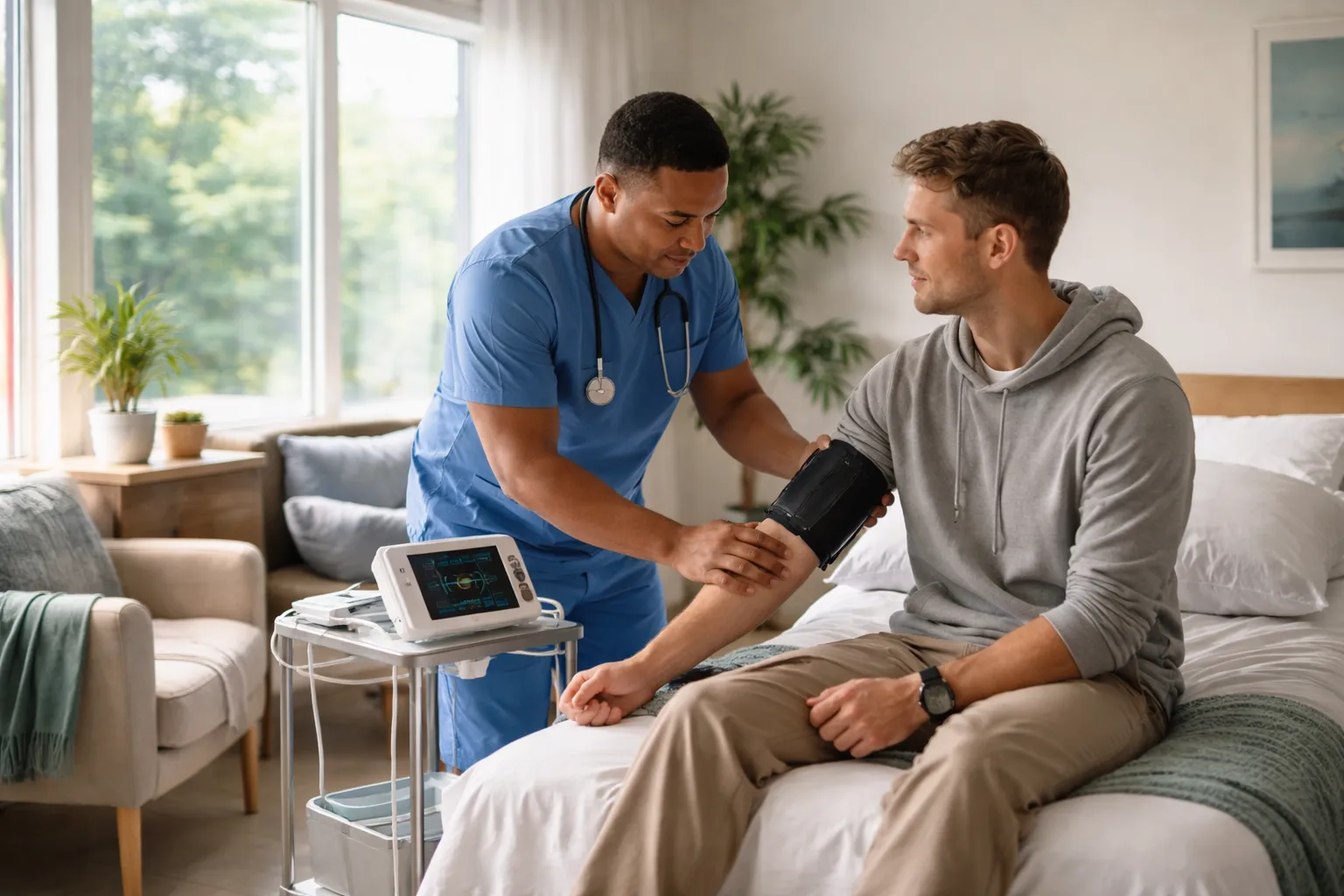
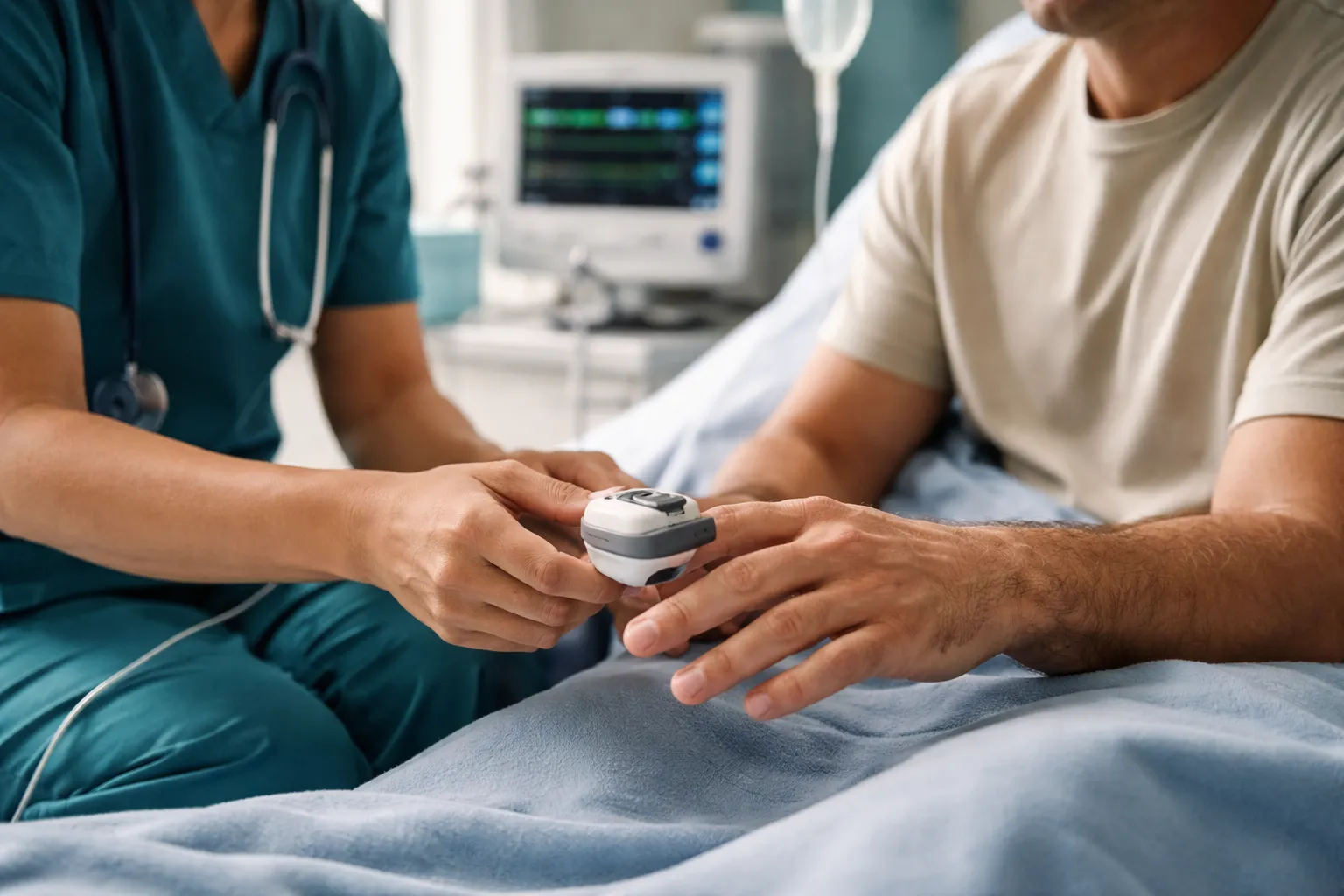
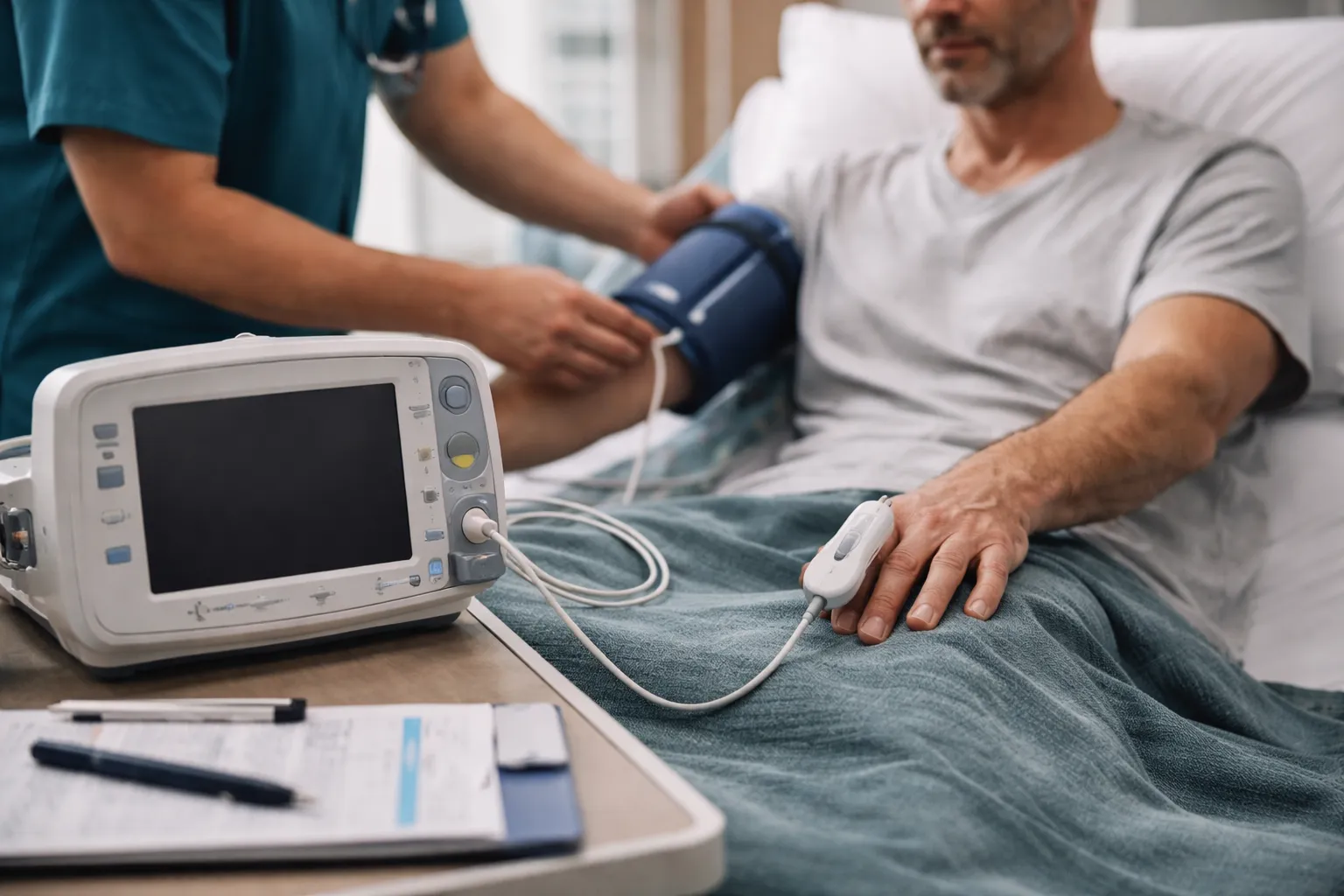
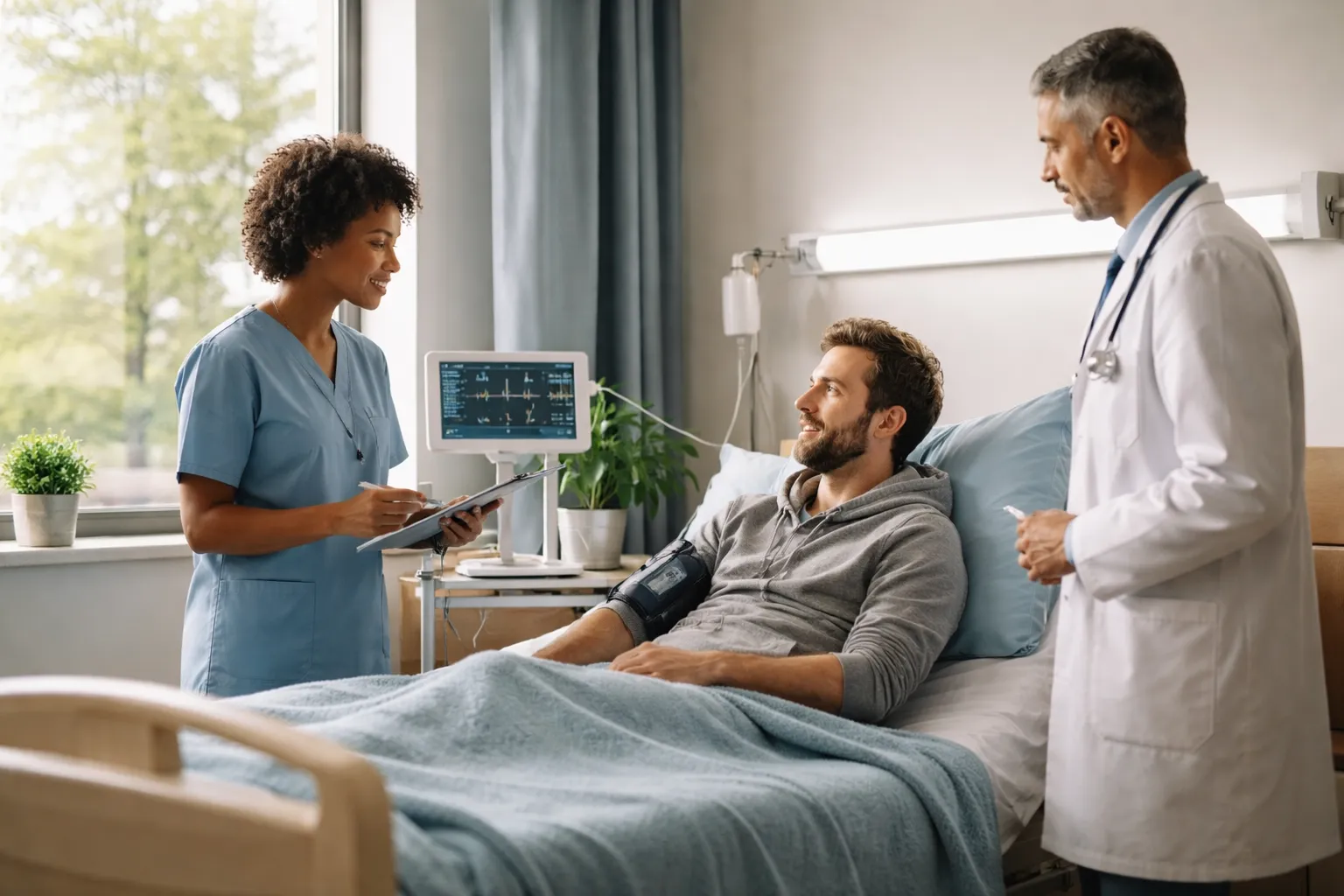
Detox, also called withdrawal management, is short-term medical and clinical care to manage acute intoxication and withdrawal symptoms. Detox is a first step, not comprehensive addiction treatment: it stabilizes medical problems, reduces immediate withdrawal risk, and prepares a person for follow-up care. After detox, most people need ongoing treatment and supports to address substance use patterns and relapse risk. (findtreatment.gov)
Key questions to ask when comparing detox centers in New Jersey
Use these questions when you call or visit a program. Keep answers in writing when possible, and involve a clinician or trusted advocate in decisions.
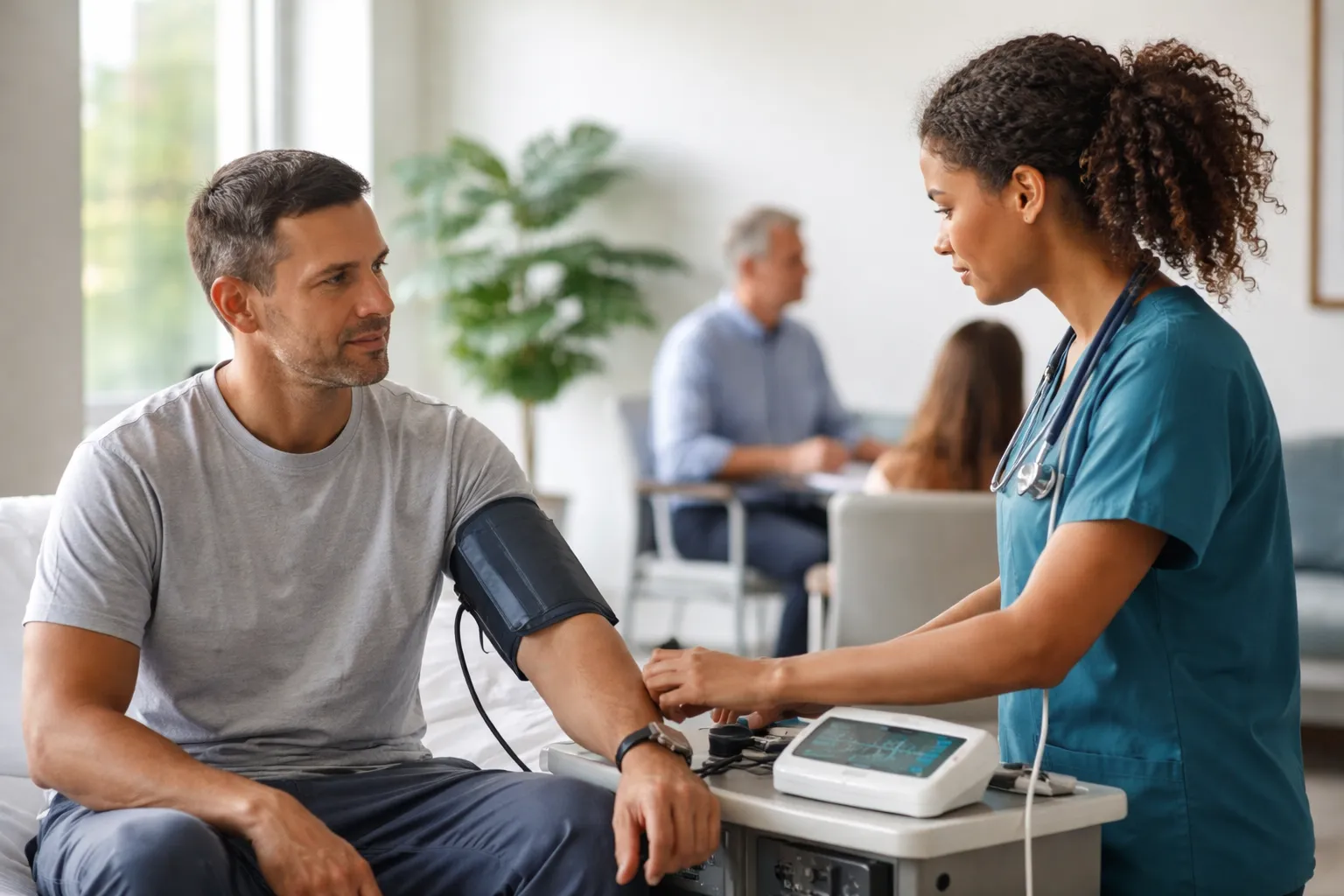
- What level of medical staffing is available 24 hours: Is there a physician available or on-call, registered nurses, and staff trained in withdrawal protocols?
- Can the program provide medication-assisted treatment when indicated, including buprenorphine, methadone, or naltrexone for opioid use disorder?
- How does the program manage alcohol withdrawal: Do they use validated assessment scales, and can they escalate care if delirium tremens or seizures develop?
- Does the program follow ASAM placement criteria for matching intensity of care to clinical needs, and do they have hospital transfer agreements?
- Discharge and continuing care planning: Do they arrange immediate transitions into counseling, medication treatment, or residential care?
- Licensure, accreditation, and NJ reporting: Are they licensed by New Jersey and accredited by recognized bodies?
- Insurance and billing: Do they accept the patient’s insurance, Medicaid, or offer sliding-fee arrangements?
- Family involvement and privacy: How are family supports handled, and what privacy protections are in place?
Programs that answer these questions clearly and provide written policies are generally easier to evaluate and coordinate with outpatient treatment. For New Jersey-specific licensing and treatment directories, contact the Division of Mental Health and Addiction Services for referrals and county-level resources. (nj.gov)
A concise comparison table: how programs commonly differ
| Feature to compare | What to expect | Why it matters |
|---|---|---|
| 24-hour medical staff | Onsite RN, physician on-call or onsite | Needed for severe withdrawal, medical complications, and safe medication use |
| Medication options | Buprenorphine, methadone access, naltrexone as appropriate | Medications reduce overdose risk and support continued treatment for opioid use disorder |
| Alcohol withdrawal care | CIWA monitoring, benzodiazepine protocols, ability to transfer to hospital | Alcohol withdrawal can be life threatening without proper monitoring and treatment |
| Level of care | Outpatient, residential detox, medically managed inpatient | Intensity should match medical and psychiatric risk |
| Aftercare planning | Onsite referrals, warm handoffs to outpatient programs or OTPs | Detox alone is not sufficient; linkage to ongoing care improves safety and outcomes |
| Licensure and accreditation | State license, JCAHO or CARF accreditation when possible | Independent review suggests adherence to safety and quality processes |
Clinical considerations by substance
Opioids
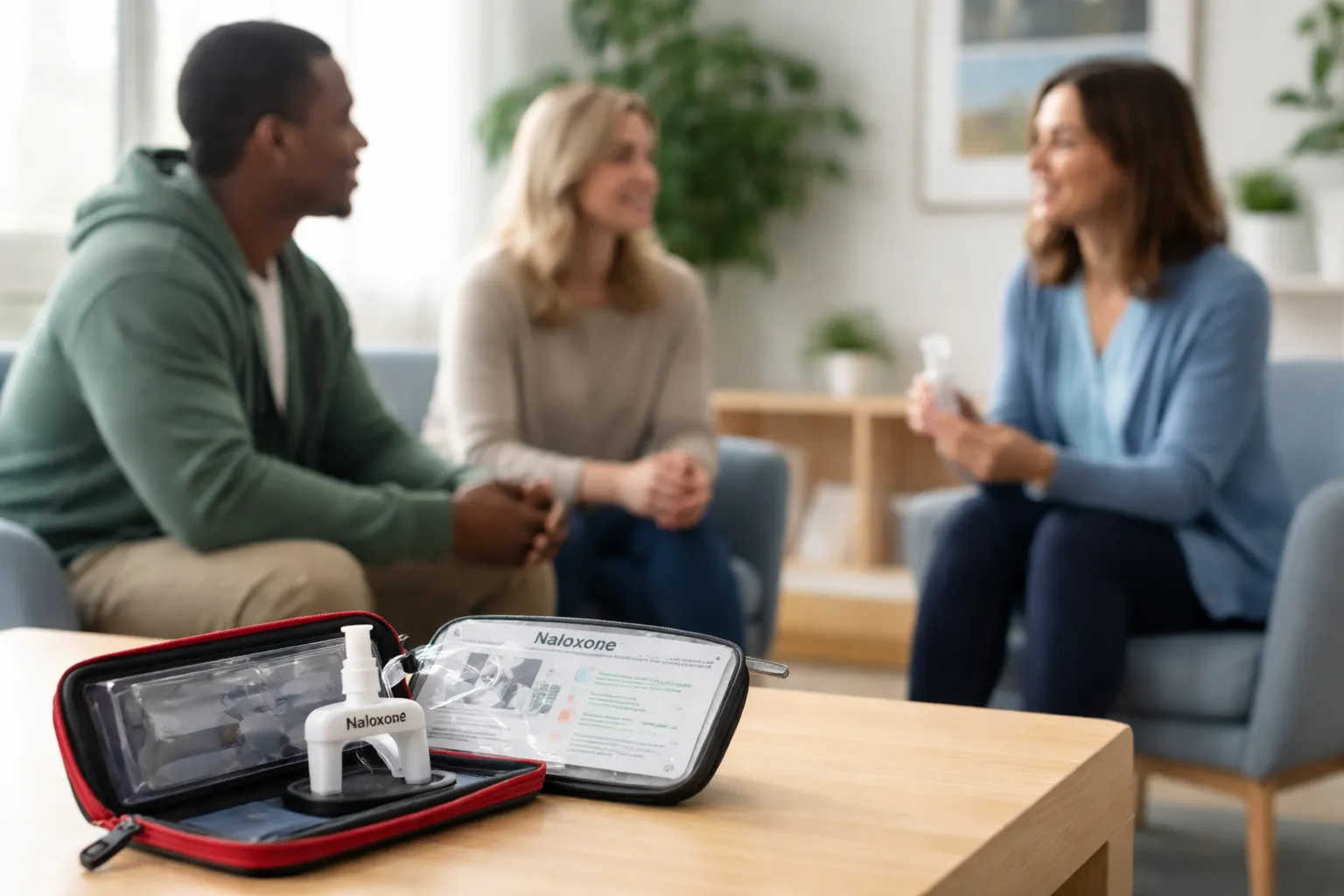
For opioid use disorder, medication treatment is the standard of care. Programs should offer or directly link patients to methadone, buprenorphine, or naltrexone when clinically appropriate. Detoxification without starting medication for opioid use disorder is associated with increased risk of return to opioid use and overdose, therefore ask whether the program provides medication-assisted treatment or rapid referral to an opioid treatment program. (cdc.gov)
Alcohol
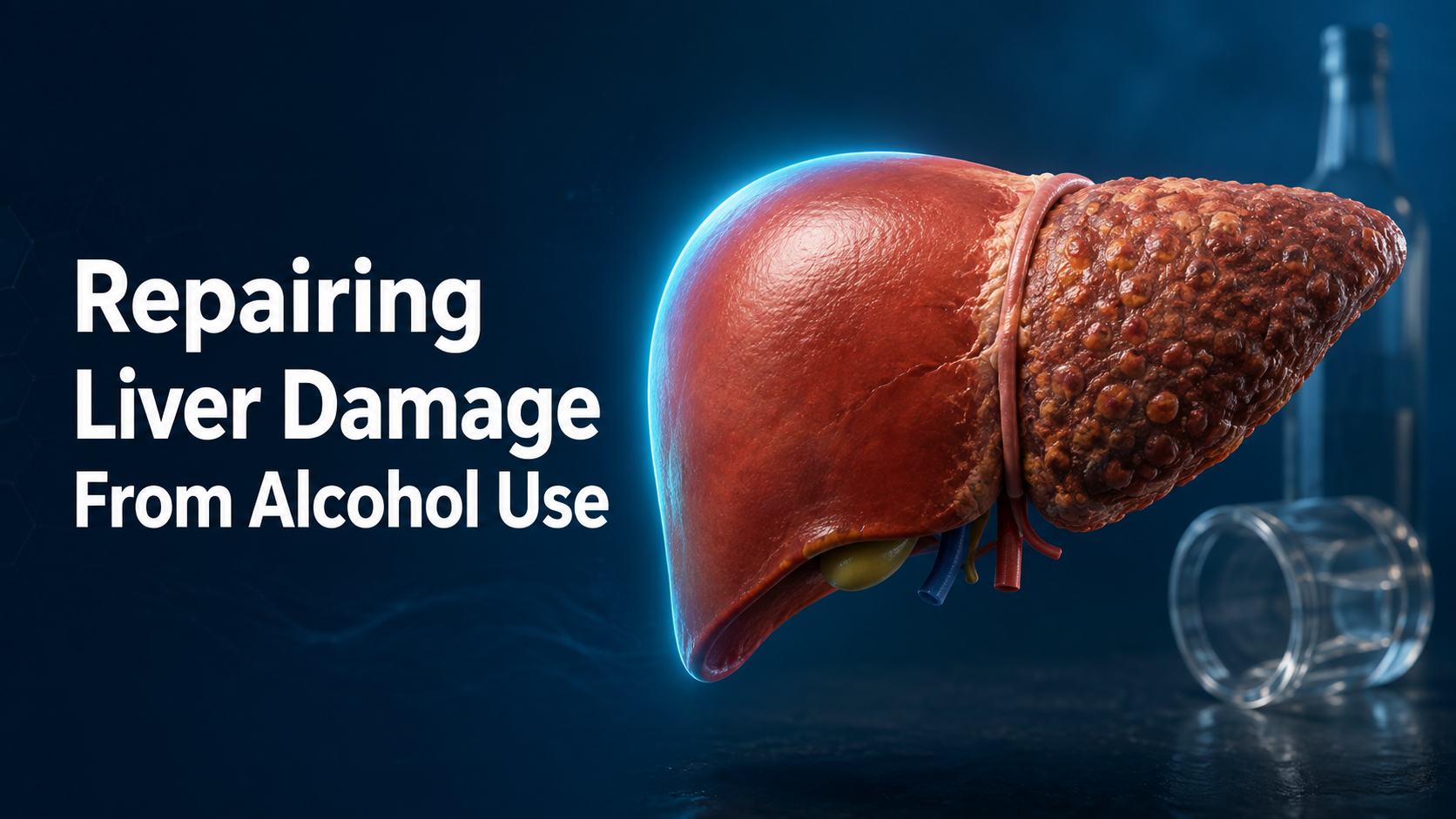
Alcohol withdrawal ranges from mild symptoms to seizures or delirium tremens, which can be life threatening. Safe alcohol detoxification includes regular monitoring with validated tools, medication when indicated (commonly benzodiazepines), and clear plans to escalate care or transfer to a hospital if severe complications appear. Ask if the center uses a validated assessment like CIWA and whether they have protocols for escalation. (medlineplus.gov)
Benzodiazepines, stimulants, and other substances
Benzodiazepine withdrawal can also cause serious symptoms including seizures; tapering or medically supervised withdrawal is often required. Stimulant withdrawal tends to cause depression and craving, with different medical needs. Ask how the program tailors protocols by substance and manages co-occurring psychiatric conditions. SAMHSA guidance and TIP manuals describe staffing and transfer expectations for these situations. (diringerassociates.com)
Safety callout
If someone is in immediate danger or has severe medical symptoms, call 911. If a person is having a mental health crisis or is considering suicide, call or text 988 for 24/7 confidential support. These resources connect you with trained crisis counselors who can provide immediate help and information about local services. (samhsa.gov)
Frequently asked questions
Is detox the same as treatment?
No. Detox or withdrawal management addresses immediate medical stabilization and withdrawal symptoms. It is usually the first step, followed by counseling, medication-assisted treatment when needed, and ongoing recovery supports. (findtreatment.gov)
Can I go home after detox?
That depends on medical and psychosocial risk. Some people are appropriate for outpatient detox, others need residential or hospital-level care. Good programs use ASAM criteria to match patient needs to level of care and plan safe transitions. (downloads.asam.org)
Will insurance cover detox in New Jersey?
Coverage varies by plan and by level of care. Ask each program to verify benefits for your policy, including Medicaid coverage. The New Jersey Division of Mental Health and Addiction Services can help identify licensed programs in your county. (nj.gov)
Compassionate next steps
1) If there is immediate medical danger, call 911. For mental health crisis, call or text 988. 2) If it is safe to wait, call programs and use the questions above to compare options. 3) Ask the program to describe how they will coordinate with ongoing treatment and whether they will help schedule follow-up care. 4) If you would like professional help arranging next steps, request a confidential assessment or speak with an admissions team to discuss clinical fit, services, and the intake process.
For more information about treatment options and services offered by CNT, see our pages on treatments, locations, or contact us to request a confidential assessment.
Sources
- What To Expect: FindTreatment.gov (SAMHSA), overview of detox and treatment steps. (findtreatment.gov)
- Opioid Use Disorder: Treating, CDC, evidence on medication treatment and risks of detox alone for OUD. (cdc.gov)
- Opioids: NIDA, medications for opioid use disorder and role of behavioral therapy. (drugabuse.gov)
- Alcohol withdrawal: MedlinePlus, medical risks and when hospital care is needed. (medlineplus.gov)
- The ASAM Criteria: Overview, matching level of care to patient needs. (downloads.asam.org)
- New Jersey Division of Mental Health and Addiction Services: Substance Use Disorder, state resources and treatment directory information. (nj.gov)
- 988 Suicide & Crisis Lifeline: SAMHSA, call or text 988 for crisis support. (samhsa.gov)
Note: This is general health information, not individualized medical advice. Clinicians must assess each person before placement or prescribing medications. The article was not clinically reviewed by a named clinician. If you have clinical questions about a specific case, ask your treating clinician or contact a licensed treatment provider.
Final invitation: If you would like help selecting a safe, clinically appropriate detox option, request a confidential assessment or speak with our admissions team to discuss clinical fit and next steps. There is no obligation, and we can help coordinate care and referrals.