Short introduction: If you or a family member is stopping heavy or prolonged alcohol use, alcohol withdrawal can be uncomfortable and sometimes dangerous. This page explains common withdrawal symptoms, how clinicians assess risk, the main treatment settings and medications used, and how to find care in New Jersey. This is general education, not individualized medical advice. Placement and medication decisions require assessment by a qualified clinician.
Table of Contents
ToggleWhat is alcohol withdrawal
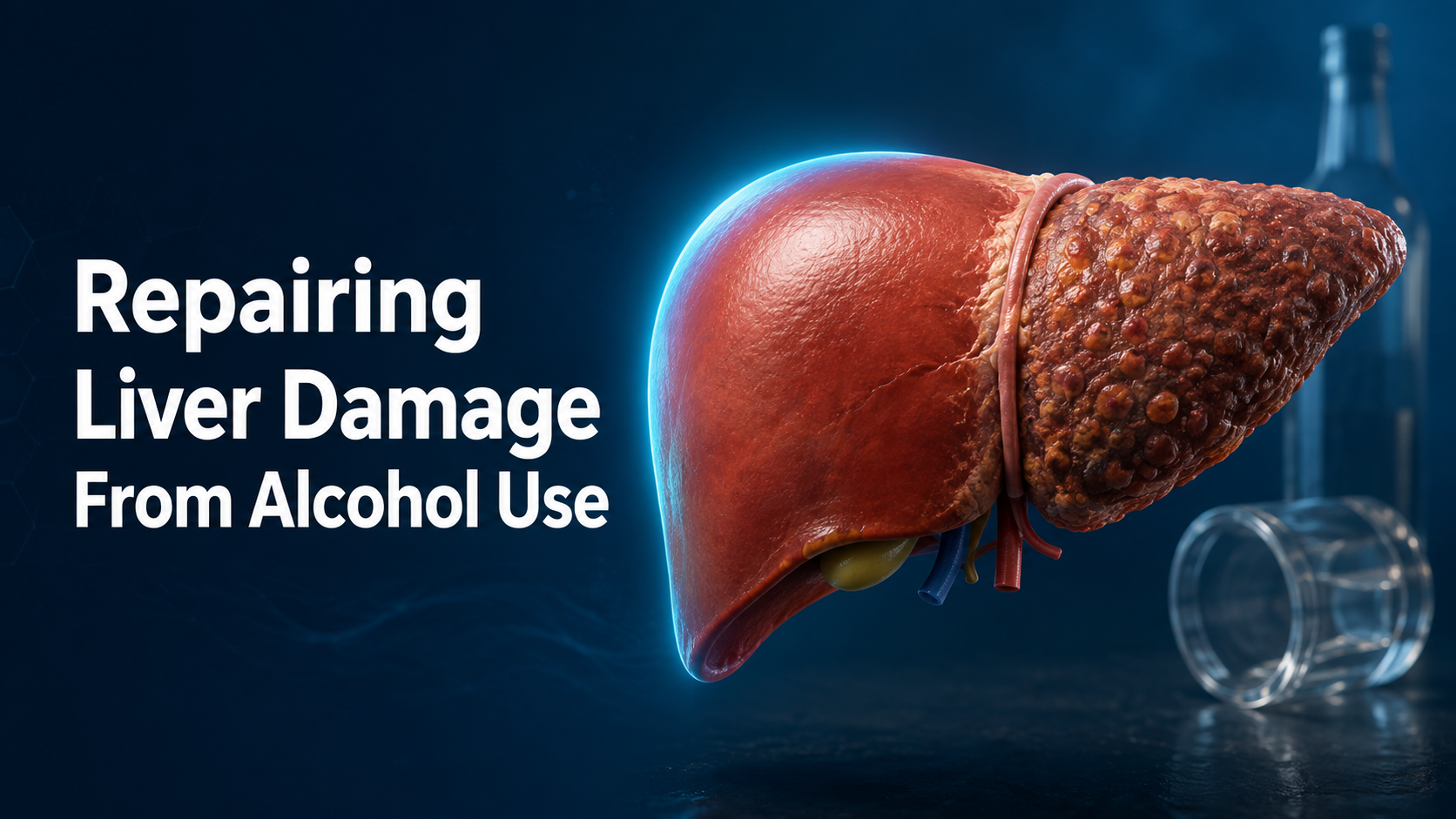
Alcohol withdrawal happens when the brain and body adjust to the absence of alcohol after prolonged or heavy use. The nervous system becomes hyperactive as acute effects of alcohol wear off, producing symptoms that range from mild anxiety and tremor to severe complications including seizures and delirium. About two thirds of alcohol-attributable deaths are related to chronic causes such as liver disease and other organ damage, illustrating the medical seriousness of problematic alcohol use. For national data on alcohol harm and deaths, see CDC resources cited below. (cdc.gov)
Symptoms and danger signs
Common early withdrawal symptoms usually begin within 6 to 24 hours after the last drink. They often include:
- Shaking, tremor
- Sweating
- Nausea or vomiting
- Insomnia
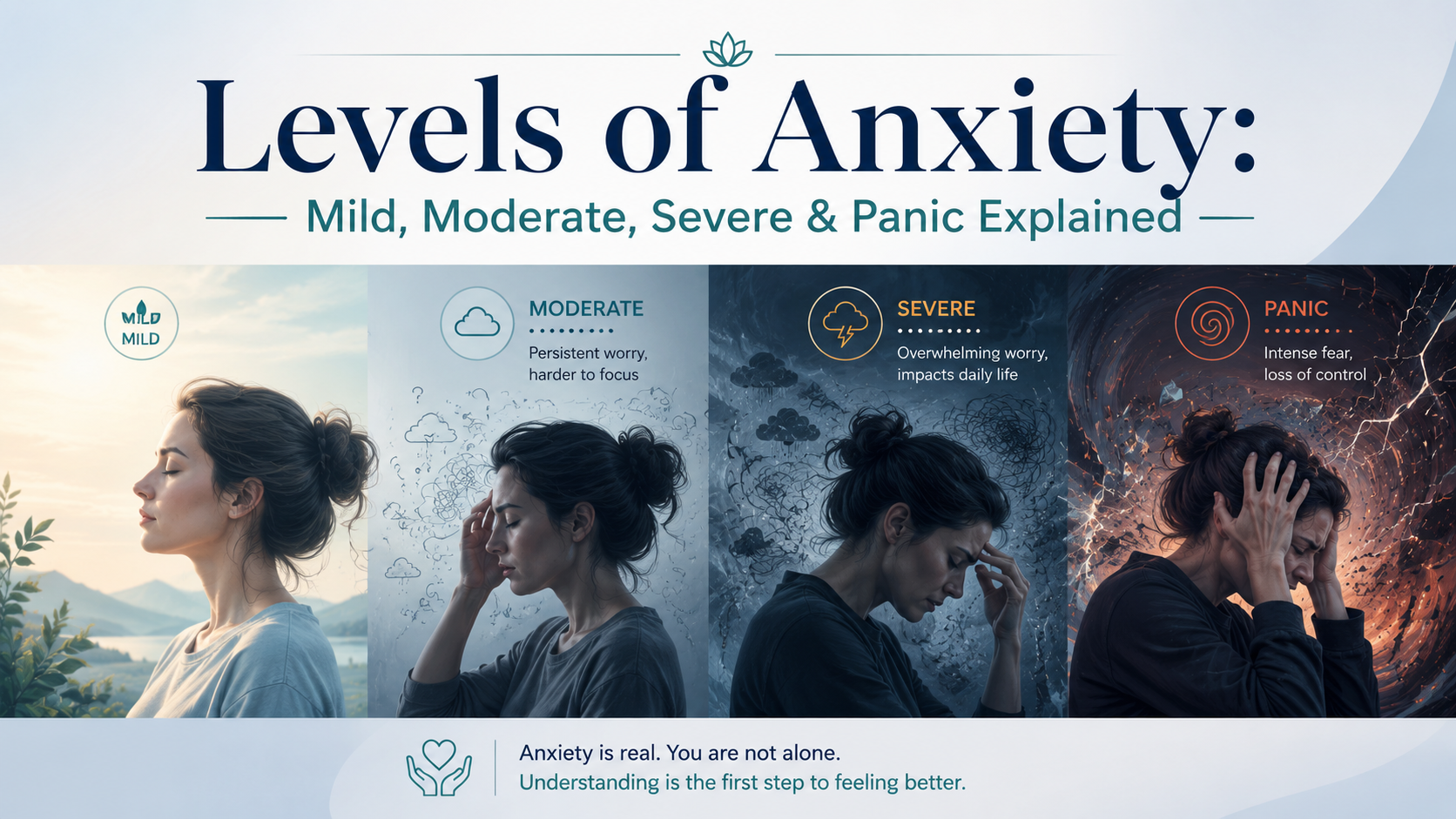
- Anxiety, agitation
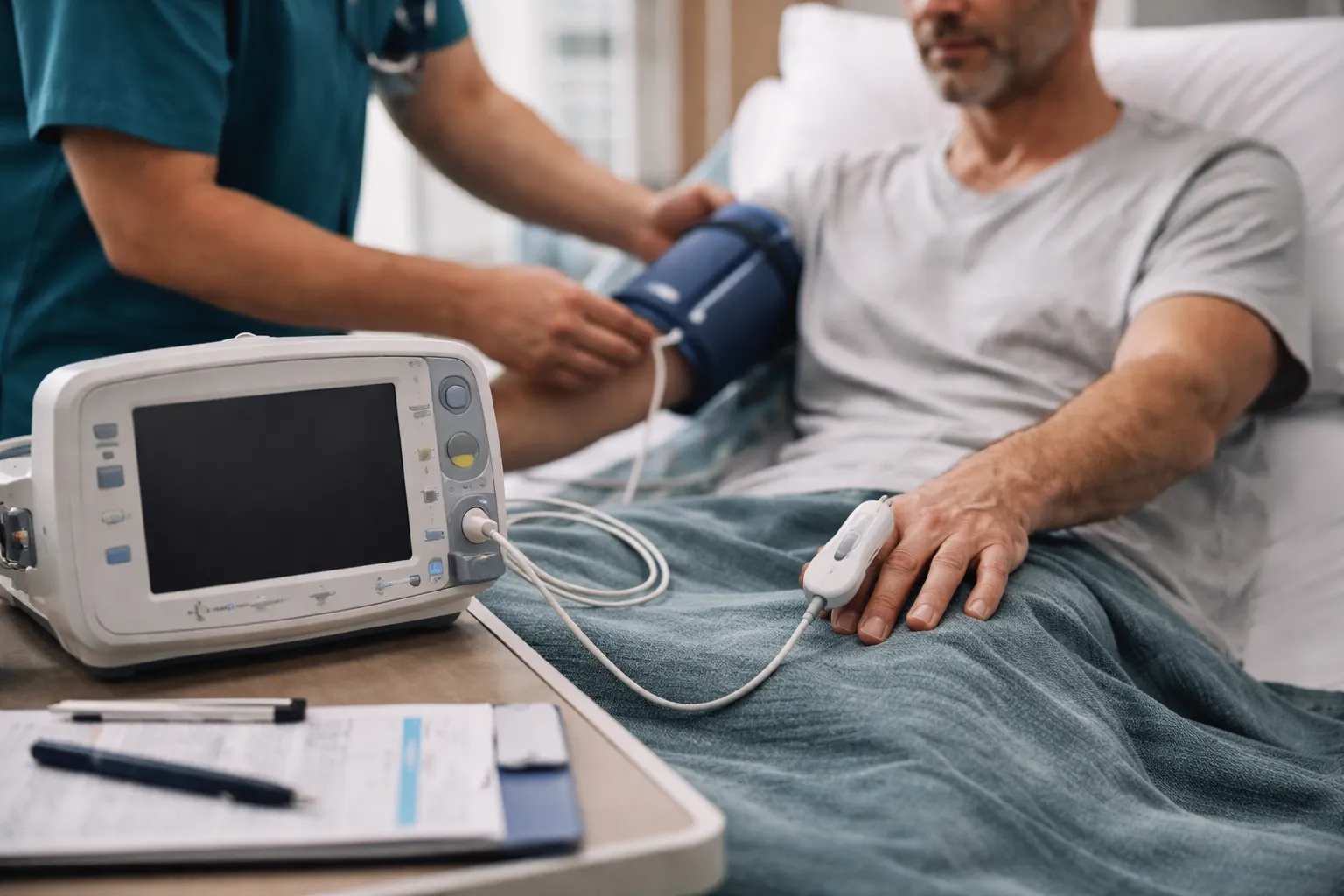
- Increased heart rate and blood pressure
More severe withdrawal can include:
- Generalized tonic-clonic seizures
- Delirium, confusion, and altered awareness often called delirium tremens
- Very high blood pressure and fever
If any of these severe signs appear, seek urgent medical care. Seizures and delirium tremens can be life threatening and need immediate medical management. Clinical guidance on recognizing and managing serious alcohol withdrawal is provided by addiction medicine organizations. (pubmed.ncbi.nlm.nih.gov)
How clinicians assess risk
Clinicians use a combination of history, physical exam, vital signs, and validated tools to estimate withdrawal severity and to decide where detox should occur. One commonly used instrument is the Clinical Institute Withdrawal Assessment for Alcohol, revised version (CIWA-Ar), a symptom scale that helps guide symptom-triggered treatment with medications in many settings. Scales like CIWA-Ar are tools for monitoring symptoms, not stand-alone diagnostic tests. Guidelines from the American Society of Addiction Medicine summarize placement and monitoring recommendations that clinicians use to decide whether outpatient or inpatient detox is safer. (pubmed.ncbi.nlm.nih.gov)
Treatment settings and medicines
Key principles
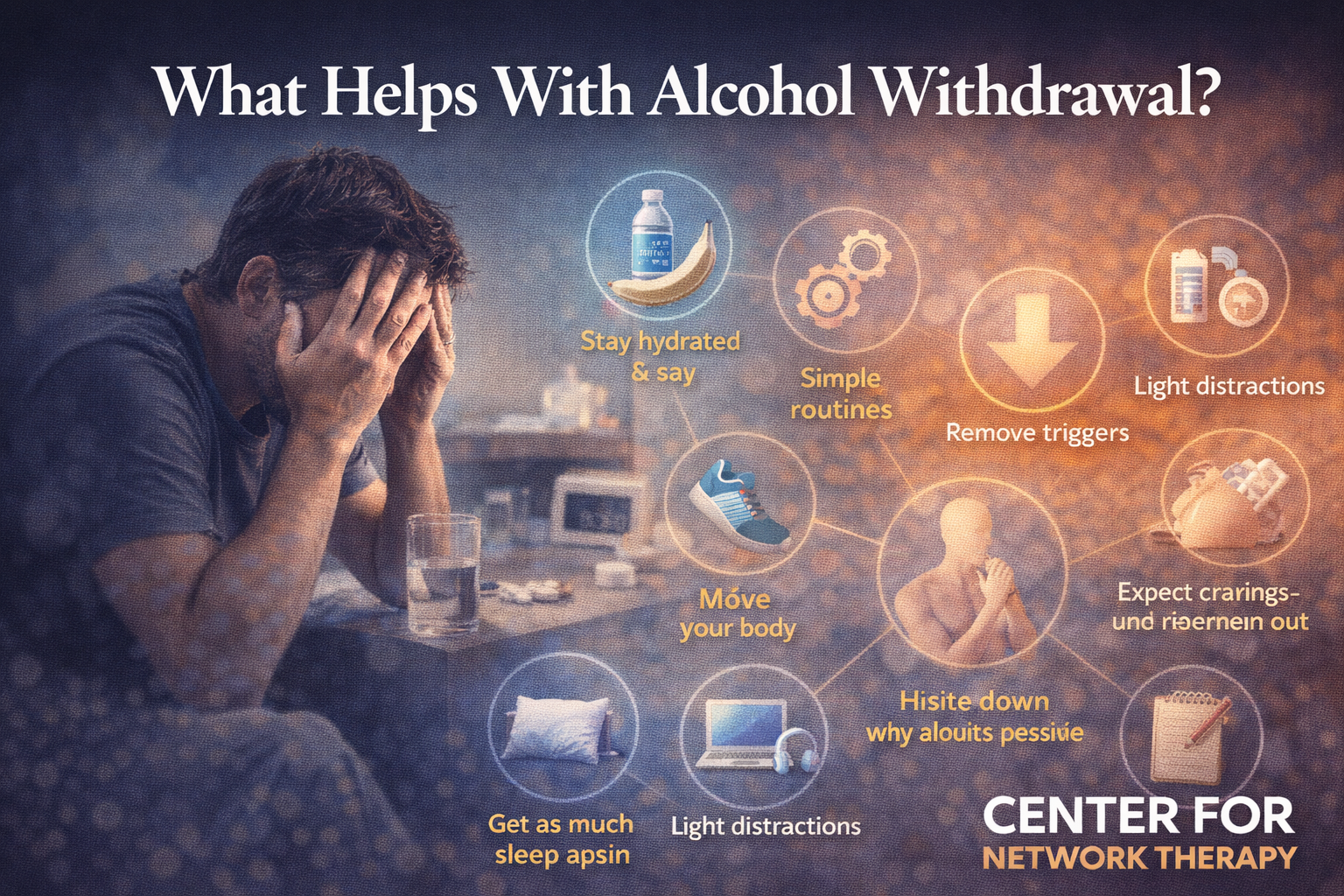
Treatment goals during detox are to prevent and treat dangerous complications, manage symptoms, and link the person to ongoing care for alcohol use disorder. Decisions about setting and medications depend on medical history, past withdrawal severity, co-occurring conditions, home safety, and clinical monitoring capacity. Medication choices and placement should be made by a clinician after an evaluation. (pubmed.ncbi.nlm.nih.gov)
Medications commonly used
- Benzodiazepines, given symptom-triggered or fixed dosing, are the mainstay for preventing seizures and delirium in moderate to severe withdrawal. Their use for acute withdrawal is guided by clinical protocols and the patient’s medical status. (pubmed.ncbi.nlm.nih.gov)
- After detox, medications that can help reduce drinking or support abstinence include naltrexone, acamprosate, and disulfiram. These drugs are approved by the Food and Drug Administration for alcohol use disorder, and a clinician can discuss benefits, risks, and suitability. (niaaa.nih.gov)
- Adjunctive medicines for specific symptoms such as insomnia, nausea, or autonomic hyperactivity may be used by clinicians when appropriate.
Comparison of common care settings
| Care setting | Who it may suit | Pros | Cons |
|---|---|---|---|
| Outpatient detox (clinic visits with monitoring) | People with mild withdrawal history, stable home, reliable support, and no major medical issues | Lower cost, stays at home, flexible scheduling | Requires reliable caregiver and rapid access to higher care if condition worsens |
| Ambulatory medical detox (daily medical monitoring, sometimes nurse home visits) | People with moderate symptoms that can be monitored closely without overnight hospital stay | Medical oversight without inpatient stay | May not be suitable for those at high seizure risk or with unstable medical issues |
| Inpatient or hospital medical detox | Severe past withdrawal, seizures, delirium tremens, unstable medical or psychiatric conditions | Continuous monitoring, immediate access to intensive medical care | More intensive and expensive, requires inpatient stay |
Use this table as a general guide only. A clinician must assess individual risk factors to recommend an appropriate setting. The ASAM guideline offers detailed placement criteria clinicians rely on. (pubmed.ncbi.nlm.nih.gov)
Safety callout
Emergency and crisis help: If someone is having seizures, is confused and not waking, has chest pain, difficulty breathing, or other life threatening problems, call 911 immediately. For a mental health or suicide crisis, call or text 988 for 24/7 support through the 988 Suicide and Crisis Lifeline. For substance use or withdrawal concerns that are not emergencies, your county or state treatment directory can provide local resources. (samhsa.gov)
Frequently asked questions
Q: Can I detox safely at home?
A: Some people with mild past withdrawal, stable medical status, and strong supports may be candidates for outpatient or home-based detox with close monitoring. However, anyone with a history of seizures or delirium tremens, unstable medical conditions, heavy daily drinking with long duration, or poor home supports usually needs medical detox in an environment that offers continuous monitoring. The ASAM guideline and state resources can help clinicians decide placement. (pubmed.ncbi.nlm.nih.gov)
Q: What medicines will be used during detox?
A: Benzodiazepines are commonly used to prevent seizures and treat moderate to severe withdrawal. After detox, medications approved for alcohol use disorder such as naltrexone, acamprosate, and disulfiram may be offered to reduce drinking or support abstinence. Medication decisions are individualized and require clinician evaluation. (pubmed.ncbi.nlm.nih.gov)
Q: Will my insurance cover detox?
A: Coverage varies by insurer and plan. Do not assume coverage. Confirm benefits with your insurer and speak with the treatment provider about financial or insurance questions during intake. The New Jersey treatment directory and provider support staff can often help you check coverage and options. (nj.gov)
Sources and further reading
- ASAM Clinical Practice Guideline on Alcohol Withdrawal Management, executive summary. (pubmed.ncbi.nlm.nih.gov)
- NIAAA: Treatment for Alcohol Problems, finding and getting help. (niaaa.nih.gov)
- CDC: Facts About U.S. Deaths from Excessive Alcohol Use and related data. (cdc.gov)
- State of New Jersey: Counseling and Addiction Services, treatment directory and hotlines. (nj.gov)
- SAMHSA: 988 Suicide and Crisis Lifeline information. (samhsa.gov)
- SAMHSA: Considerations for managing alcohol or benzodiazepine withdrawal. (samhsa.gov)
Compassionate next steps
If you think detox is needed, consider these steps:
- Call your primary care clinician, an addiction specialist, or the treatment provider to arrange a confidential assessment. Placement and medication decisions require an evaluation by a qualified clinician.
- Use the New Jersey treatment directory to find licensed programs near you, or contact the county alcohol and drug administrator for local referrals. (nj.gov)
- If you prefer to speak with a local provider now, request a confidential assessment or call the admissions team through the treatment center contact page. For program information see our treatments page, locations page, or contact page: treatments, locations, contact us.
- For immediate danger call 911. For mental health or suicide crisis call or text 988. (samhsa.gov)
We can help you learn about care options and request a confidential assessment. If you are ready, please request a confidential assessment or speak with the admissions team to discuss next steps and local resources, without pressure.