Many people use prescription stimulants safely for attention deficit hyperactivity disorder, narcolepsy, or other conditions. At the same time, stimulants can be misused, diverted, or cause harms that need clinical attention. This article explains what misuse looks like, when to seek an assessment, and the kinds of treatment and support an outpatient detox and addiction program may offer.
Table of Contents
ToggleWhat are prescription stimulants and why are they prescribed
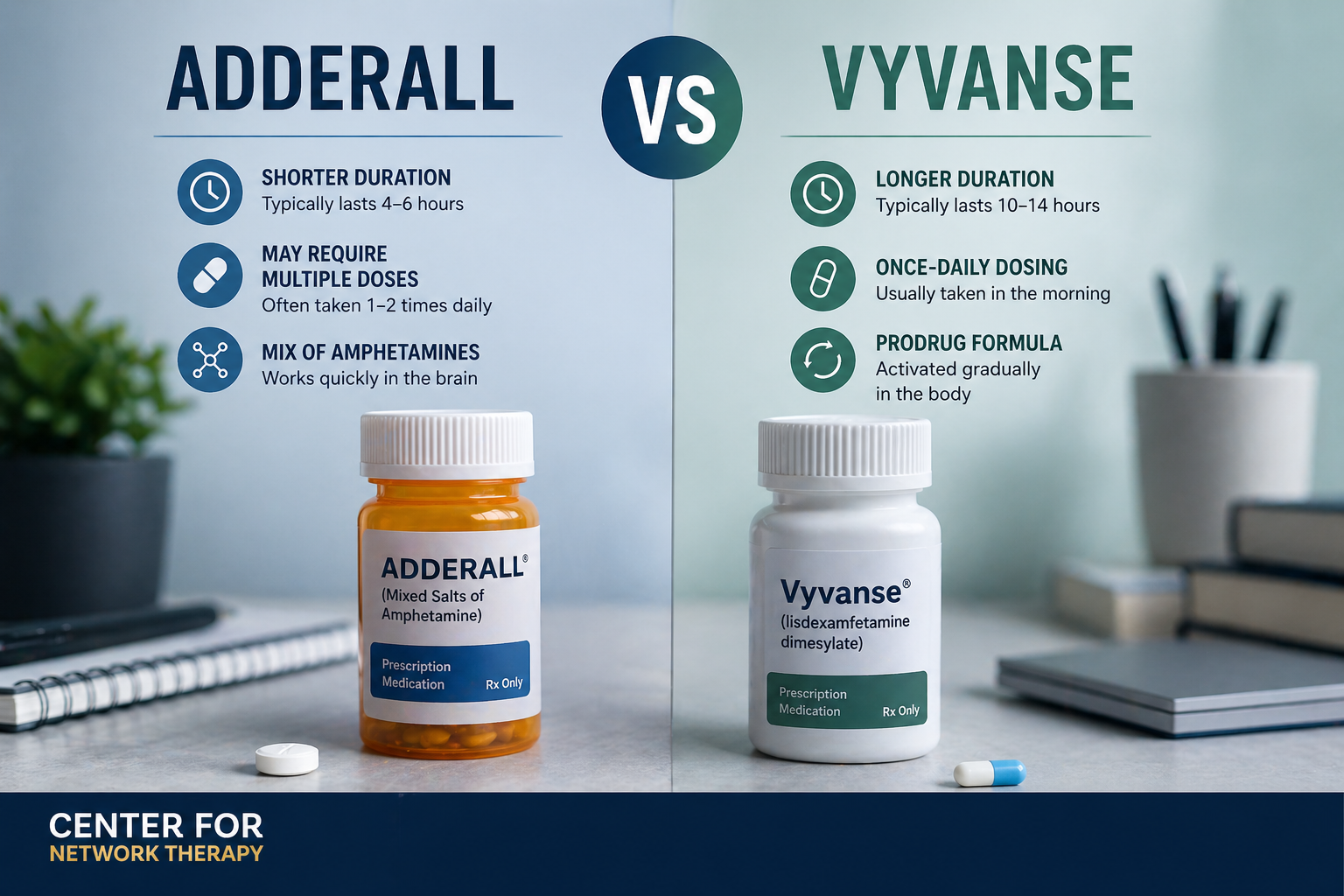
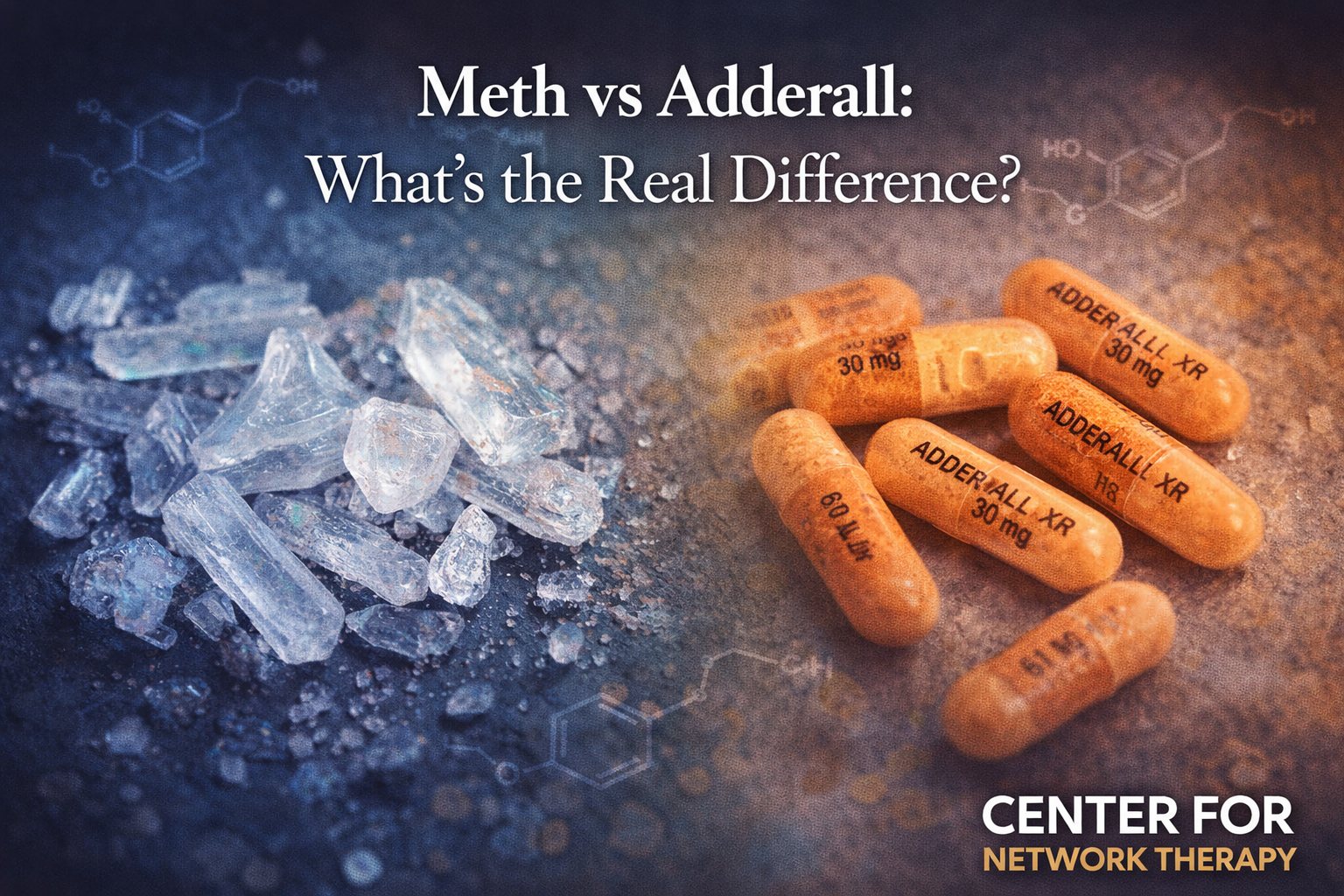
Common prescription stimulants include amphetamine products such as Adderall and dextroamphetamine, and methylphenidate products such as Ritalin and Concerta. These medicines are approved to treat ADHD and narcolepsy and, when used as prescribed and monitored, help many people function better. The U.S. Food and Drug Administration provides safety information and updated warnings about risks such as misuse, diversion, and rare but serious adverse effects. (fda.gov)
What is stimulant misuse
Misuse means taking a medication in a manner or dose other than prescribed, taking someone else’s prescription, or taking a medication to get high. This definition is used by major research and public health agencies and helps distinguish appropriate clinical use from behaviors that increase risk. (ncbi.nlm.nih.gov)
How common is misuse
National data show that prescription stimulant misuse remains a public health concern. For example, survey estimates indicate millions of people report past-year stimulant misuse, and certain groups such as college students report higher rates of nonmedical use. These patterns are tracked by federal public health agencies. (cdc.gov)
Why misuse can be harmful
Misuse increases the risk of acute harms such as elevated blood pressure, rapid heart rate, agitation, psychosis with high doses or nonstandard routes of use, and overdose when combined with other substances. The FDA and CDC note that unapproved routes of administration – for example snorting or injecting tablets – raise overdose and serious adverse event risk. For people who stop heavy stimulant use suddenly, withdrawal can include profound fatigue and low mood, and in some cases severe depression or suicidal thoughts, so monitoring and professional care are important. (fda.gov)
Signs and symptoms that suggest you should seek an assessment
Consider a confidential clinical assessment if you or a loved one has any of the following:
- Taking more medication than prescribed, or taking it more often than prescribed.
- Using someone else’s prescription or sharing your medication with others.
- Using stimulants to get high, to study beyond normal limits, or to offset other drugs or alcohol.
- Changes in sleep, appetite, mood, or worsening anxiety or paranoia after starting or increasing stimulants.
- Cravings for stimulants, or difficulty cutting down despite trying to stop.
- Periods of very low mood, hopelessness, or suicidal thoughts when stimulant use decreases or stops.
These signs do not by themselves mean a person has a substance use disorder, but they are reasons to seek a comprehensive medical and behavioral assessment from a qualified clinician. For adolescents, pregnancy, or people with serious medical problems, seek specialized evaluation promptly. (ncbi.nlm.nih.gov)
What to expect from a clinical assessment
A careful assessment usually includes:
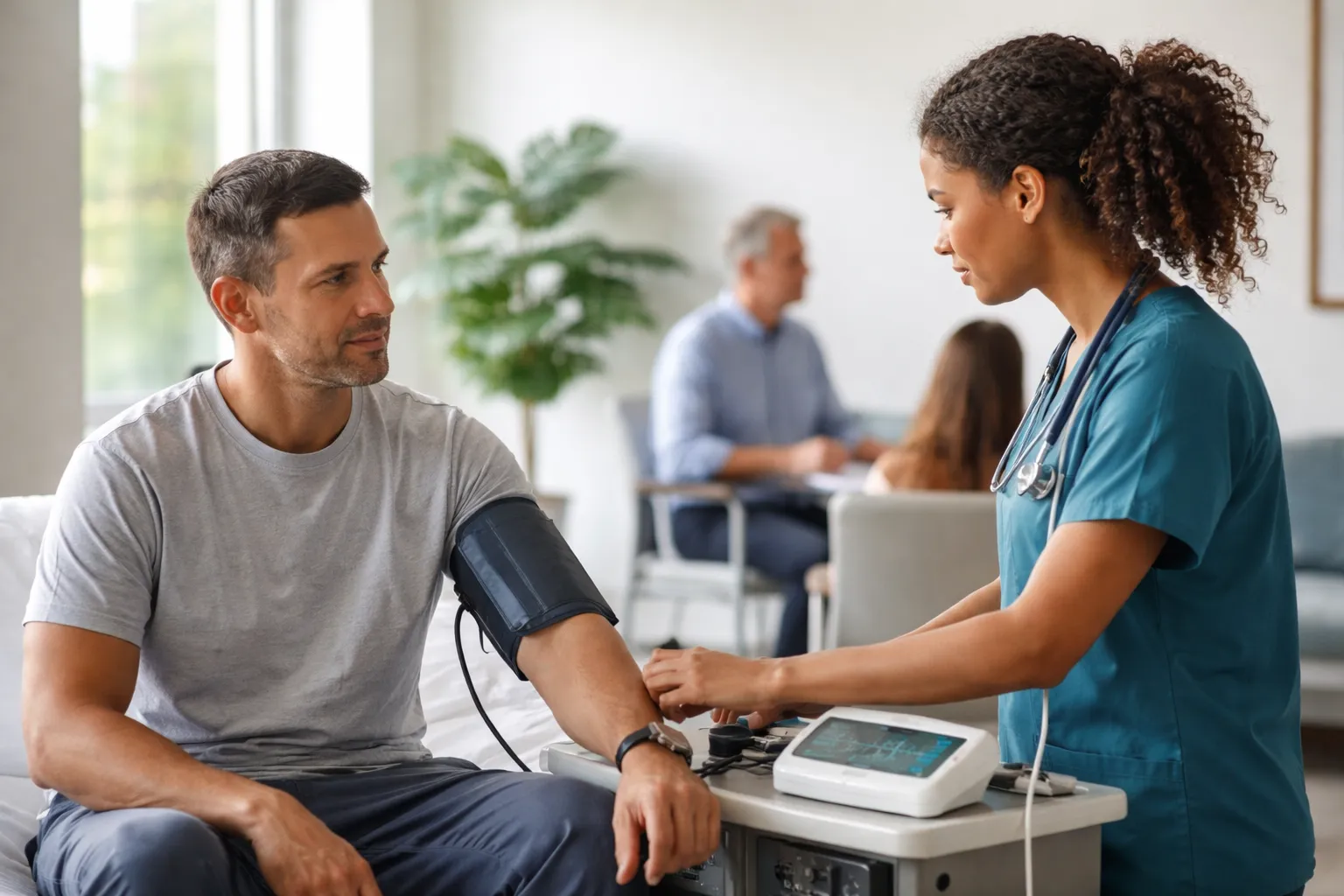
- A medical history and physical exam, including cardiovascular risk review and current medications.
- A structured review of use patterns, motives, and related problems such as sleep disruption, mood changes, or legal or academic issues.
- Screening for co-occurring conditions such as depression, anxiety, or other substance use disorders.
- Brief cognitive or ADHD-specific testing when appropriate, to confirm or reassess the ADHD diagnosis.
- Discussion of treatment options, risks and benefits of continuing, stopping, or changing stimulant medication, and safety planning.
Placement and medication decisions require an individualized clinical assessment. This article is general education, not individualized medical advice. A qualified prescriber or addiction specialist should make specific medication changes. If you are in New Jersey and need help finding treatment, the state offers a centralized referral line and treatment directories. (nj.gov)
Common treatment components for stimulant misuse and stimulant use disorder
Treatment is tailored to severity, medical needs, and personal goals. Evidence-based approaches include behavioral therapies, medical monitoring, and coordination with primary care and mental health care. Unlike opioid use disorder, there are currently no FDA-approved medications specifically for stimulant use disorder, but research and clinical programs use a combination of behavioral interventions and medication management for co-occurring conditions. For stimulant withdrawal, structured support and monitoring are important because mood symptoms can be severe. (store.samhsa.gov)
| Level of care | Typical features | When it may be appropriate |
|---|---|---|
| Outpatient detox and counseling | Medical check-ins, counseling, medication review, weekly visits | Mild to moderate misuse, stable housing, low medical risk |
| Intensive outpatient program (IOP) | Multiple weekly therapy sessions, group and individual care | Functional impairment at work or school, greater cravings, co-occurring disorders |
| Residential treatment | 24 hour support, structured therapies, medical oversight | Severe stimulant use disorder, unsafe home environment, need for close monitoring |
| Emergency department or medical detox | Immediate stabilization, treatment for acute medical or psychiatric risk | Severe agitation, psychosis, overdose, seizures, suicidal intent |
Safety callout
If you are experiencing a medical emergency such as chest pain, breathing problems, severe agitation, seizures, or loss of consciousness, call 911 immediately. If you or someone is having thoughts of suicide or is in a mental health crisis, call or text 988 for the Suicide and Crisis Lifeline. If you believe an overdose or life-threatening reaction has occurred, seek emergency care right away. Medication changes and withdrawal can cause serious mood changes; do not stop prescribed medications without medical supervision. (fda.gov)
Frequently asked questions
Will a clinician take away my stimulant if I admit misuse?
Clinical teams should discuss risks and benefits with you. Decisions about continuing, stopping, or changing medications depend on the assessment, your medical history, and available alternatives. A transparent, shared decision approach is standard; immediate removal of medication without a plan is rarely helpful and may increase risk. Talk openly with the prescriber about goals and safety concerns. (fda.gov)
Are there medicines that treat stimulant use disorder?
As of now, there are no widely accepted FDA-approved medications specifically for stimulant use disorder. Treatment focuses on behavioral therapies, contingency management, and treating co-occurring psychiatric conditions. Research into medication options continues. Your treatment team can discuss options that match your situation. (store.samhsa.gov)
Is withdrawal dangerous?
Stimulant withdrawal is not usually life threatening, but it can cause severe fatigue, sleep disturbance, and depressive symptoms, sometimes including suicidal thoughts. For people at risk, accessing supervised care and safety planning is essential. Do not attempt abrupt changes without medical guidance. (store.samhsa.gov)
Sources and further reading
- NIDA: ADHD and Misuse of Prescription Stimulants. (nida.nih.gov)
- CDC: Stimulants and Overdose Prevention. (cdc.gov)
- FDA: Updated Warnings for Prescription Stimulants. (fda.gov)
- SAMHSA: Treatment for Stimulant Use Disorders. (store.samhsa.gov)
- New Jersey ReachNJ: Help Finding Substance Use Treatment. (nj.gov)
Compassionate next steps
If you are concerned about a pattern of stimulant misuse, an initial confidential assessment can clarify diagnosis, medical risk, and treatment options. Our outpatient detox and addiction treatment teams typically offer medical monitoring, counseling, and care coordination with primary care and behavioral health providers. Learn about common program options on our treatments page, check local sites on our locations page, or request an appointment through our contact page. These links are for your convenience and do not guarantee admission or coverage: treatments, locations, contact us.
If you are in immediate danger, call 911. For a mental health or suicide crisis, call or text 988. To arrange a confidential assessment or to speak with an admissions specialist about outpatient options, please request an assessment or contact our admissions team. We will help you identify safe, evidence-informed next steps without pressure.