Short-acting and potent, cocaine can cause immediate and delayed harm to the heart and blood vessels. People seeking help for stimulant use often worry about ‘cocaine heart risks’ and what that means for detox, ongoing treatment, and safety. This article explains the ways cocaine damages the cardiovascular system, common warning signs, how emergency care evaluates these problems, and what outpatient programs should consider before and during detox. It is general education and not individualized medical advice. Placement and medication decisions require assessment by a qualified clinician.
Table of Contents
ToggleHow cocaine affects the heart: basic mechanisms
Cocaine is a sympathomimetic stimulant. It raises heart rate and blood pressure, narrows blood vessels, increases blood clotting activity, and can directly affect heart muscle cells and electrical conduction. These combined effects can trigger coronary artery spasm, acute myocardial infarction, arrhythmias, stroke, aortic dissection, and cardiomyopathy after repeated use. The biologic features responsible for these risks include alpha and beta adrenergic stimulation, platelet activation, endothelial dysfunction, and sodium channel blockade at high doses. These mechanisms are well documented in clinical reviews and public health summaries. (archives.nida.nih.gov)
Common cardiac and vascular problems linked to cocaine
- Acute chest pain and myocardial ischemia or infarction, often caused by coronary vasospasm or thrombosis. (ahajournals.org)
- Arrhythmias, including fast or abnormal rhythms and sudden cardiac arrest, sometimes related to sodium channel effects or electrolyte disturbances. (pubmed.ncbi.nlm.nih.gov)
- Acute rises in blood pressure that can lead to stroke or aortic dissection. (archives.nida.nih.gov)
- Chronic heart muscle damage, including dilated cardiomyopathy with prolonged heavy use. (medline-plus.org)
Warning signs that require immediate medical attention
Call 911 right away for any of these symptoms: chest pain or pressure, new shortness of breath, fainting or near fainting, sudden severe headache, sudden weakness or numbness of face or limbs, sudden severe back pain (which can indicate aortic dissection), or collapse. For a mental health or suicide crisis, call or text 988. These are medical emergencies and need emergency evaluation. (See safety callout below.)
| Situation | Typical features | Recommended action |
|---|---|---|
| Acute chest pain after recent cocaine use | Chest pressure, pain radiating to arm/jaw, sweating, nausea, fast heart rate | Emergency department evaluation with ECG, cardiac enzymes, oxygen, nitrates as indicated; do not wait for outpatient intake. (ahajournals.org) |
| Palpitations without severe symptoms | Intermittent racing heart, mild lightheadedness, no chest pain | Urgent outpatient or ED assessment depending on severity; ECG and monitoring may be needed. (pubmed.ncbi.nlm.nih.gov) |
| Stable mild symptoms and motivation for treatment | No chest pain, normal vitals, motivated for detox and counseling | Outpatient medically supervised detox may be possible after clinician cardiac assessment. Consider baseline ECG and cardiology clearance when risk factors exist. (govinfo.gov) |
Emergency evaluation and early treatment
Emergency departments evaluate people who use cocaine with a cardiac history, ECG, and blood tests for cardiac enzymes when indicated. Initial management focuses on stabilizing airway and breathing, treating severe agitation or seizures (often with benzodiazepines), lowering dangerously high blood pressure, and treating myocardial ischemia with vasodilators when appropriate. Nitroglycerin and calcium channel blockers can relieve cocaine induced coronary vasospasm, and benzodiazepines help reduce sympathetic overdrive. Beta blockers in the immediate setting are controversial, and many guidelines advise caution or avoidance during acute intoxication because of possible unopposed alpha adrenergic effects; decisions about beta blockade should be made by clinicians familiar with acute coronary management and substance use context. (doi.org)
Why beta blockers are controversial
Cocaine stimulates both alpha and beta adrenergic receptors. Giving a pure beta blocker in the setting of active cocaine effects could theoretically leave alpha vasoconstriction unopposed, worsening coronary spasm. Clinical studies have produced mixed results, and some observational reports show no harm when beta blockers are used after the acute phase. Current expert guidance favors avoiding intravenous beta blockers during signs of intoxication, and considering long term beta blockade only after careful assessment and when cocaine use is not ongoing. (pubmed.ncbi.nlm.nih.gov)
Outpatient detox and treatment considerations
Outpatient detox and addiction treatment programs can help people reduce or stop cocaine use, but cardiac safety must be assessed first. Key considerations for outpatient care include:
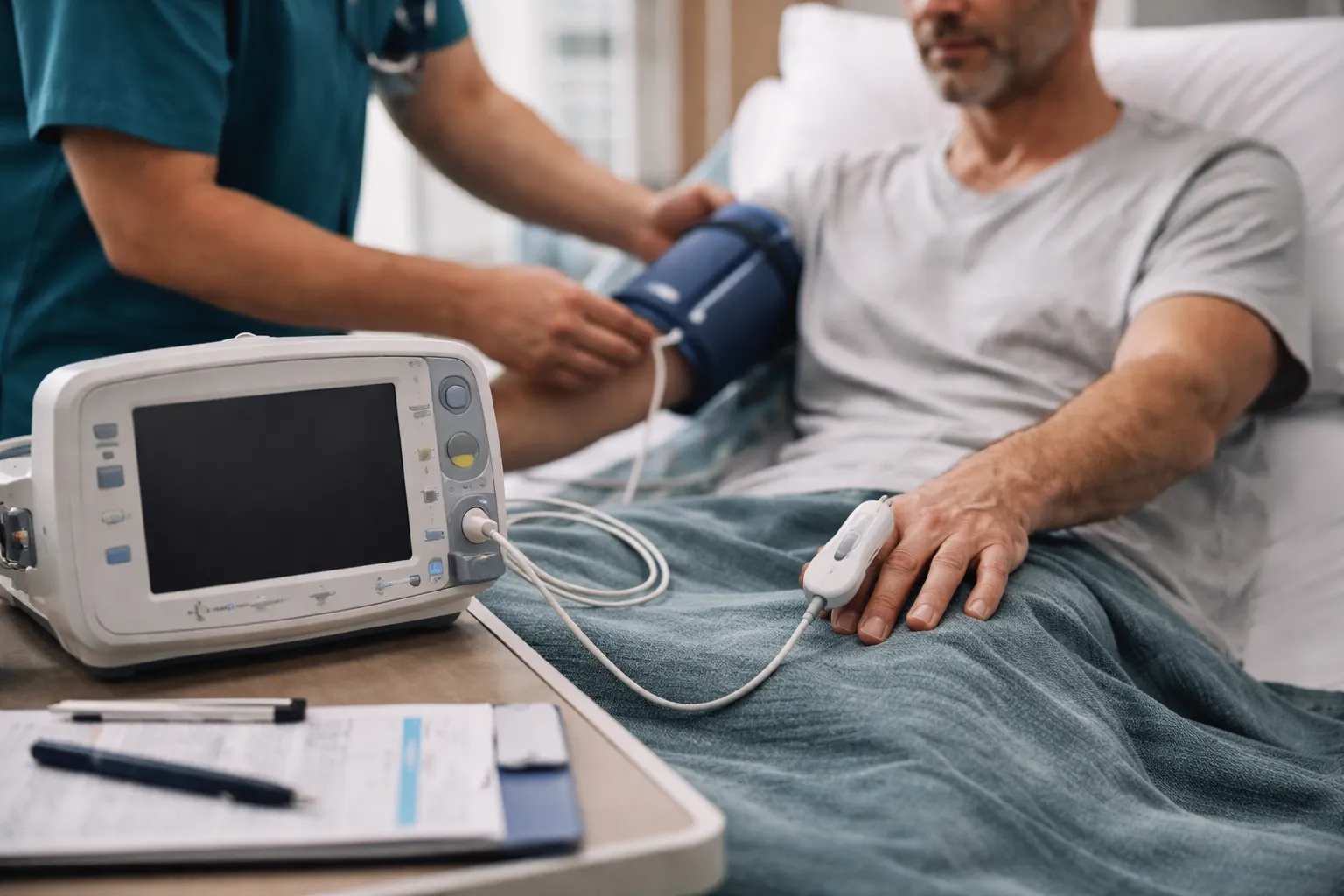
- Medical screening: baseline vital signs, focused cardiac history, medication review, ECG when indicated, and assessment for prior cardiac events. People with recent chest pain, documented myocardial infarction, heart failure symptoms, or unstable arrhythmias need urgent or inpatient medical care before outpatient detox. (library.samhsa.gov)
- Coexisting conditions: tobacco use, hypertension, high cholesterol, diabetes, and infectious risks can increase cardiac vulnerability and should be addressed as part of comprehensive care. (archives.nida.nih.gov)
- Medication interactions and safety: benzodiazepines are commonly used for stimulant agitation in acute settings, and some patients may require cardiac monitoring when sedating medications are used. Dose decisions and medication choices require clinician evaluation. (govinfo.gov)
- Monitoring and escalation plan: outpatient programs should have clear protocols for when to transfer to emergency care, and when to seek cardiology consultation. (library.samhsa.gov)
High risk groups and special situations
Certain situations need urgent or specialized care rather than routine outpatient detox: pregnancy, adolescents, signs of severe withdrawal or delirium, ongoing seizures, psychosis, suspected overdose, significant arrhythmias, unstable heart failure, or recent myocardial infarction. Pregnant people with cocaine exposure need obstetric and maternal-fetal medicine involvement because of risks to both mother and fetus. In these high risk cases, immediate transfer to appropriate emergency or specialist care is required. (govinfo.gov)
If you or someone else has chest pain, sudden shortness of breath, fainting, sudden severe headache or weakness, call 911 immediately. For a mental health or suicide crisis, call or text 988. If you are in a treatment program and experience worrying cardiac symptoms, notify staff right away so you can be evaluated or sent to emergency care.
What outpatient programs can reasonably offer
Outpatient addiction services typically provide medical screening, regular monitoring, behavioral therapies, relapse prevention, linkage to primary care and cardiology when needed, and assistance with social supports. For stimulant use disorders, counseling, contingency management, cognitive behavioral therapy, and coordinated medical care form the backbone of effective programs. Detoxification for stimulants usually focuses on supportive care, management of psychiatric symptoms, and linkage to ongoing treatment. Programs should coordinate with emergency services and arrange expedited medical assessment for any new cardiac symptoms. (govinfo.gov)
Frequently asked questions
Can cocaine cause a heart attack in a young person with no other risk factors?
Yes. Cocaine can cause coronary vasospasm and increased clotting, which sometimes produces myocardial infarction even in people without traditional cardiac risk factors. (archives.nida.nih.gov)
Is it safe to start blood pressure or heart medicines during outpatient detox?
Medication decisions should follow a medical evaluation. Some medicines used for acute hypertension or ischemia are safer in the short term than others; a treating clinician should assess timing relative to recent cocaine use, symptoms, and ECG findings before initiating therapy. (ahajournals.org)
How will a program check my heart before allowing outpatient detox?
Common steps include a focused history, measuring blood pressure and pulse, an ECG if indicated, and in some cases blood tests. If there are concerning findings, programs will seek cardiology input or recommend ED evaluation first. (medlineplus.gov)
Sources and further reading
- NIDA, biological and clinical effects of cocaine. (archives.nida.nih.gov)
- MedlinePlus, cocaine health effects. (medlineplus.gov)
- AHA/ACC guidance on cocaine-associated acute coronary syndromes. (ahajournals.org)
- SAMHSA TIP 33, Treatment for Stimulant Use Disorders. (govinfo.gov)
- Clinical review: beta blockers in cocaine-associated ACS. (pubmed.ncbi.nlm.nih.gov)
Compassionate next steps
If you are worried about cocaine heart risks and considering outpatient detox, start with a medical screening so clinicians can assess cardiac risk and decide whether outpatient care is appropriate. If you have had recent chest pain, fainting, or severe shortness of breath, seek emergency care first. If you are ready to explore treatment options, request a confidential assessment or speak with an admissions team to discuss medical screening, program services, and next steps. For a list of treatments we offer see our treatments page, for locations see our locations page, or to reach us directly use our contact page.
Note: This information is educational and not a substitute for an individualized medical evaluation. Placement, monitoring, and medication choices must be tailored by a qualified clinician based on the person’s health status, testing results, and local resources. We do not guarantee admission, coverage, or outcomes.