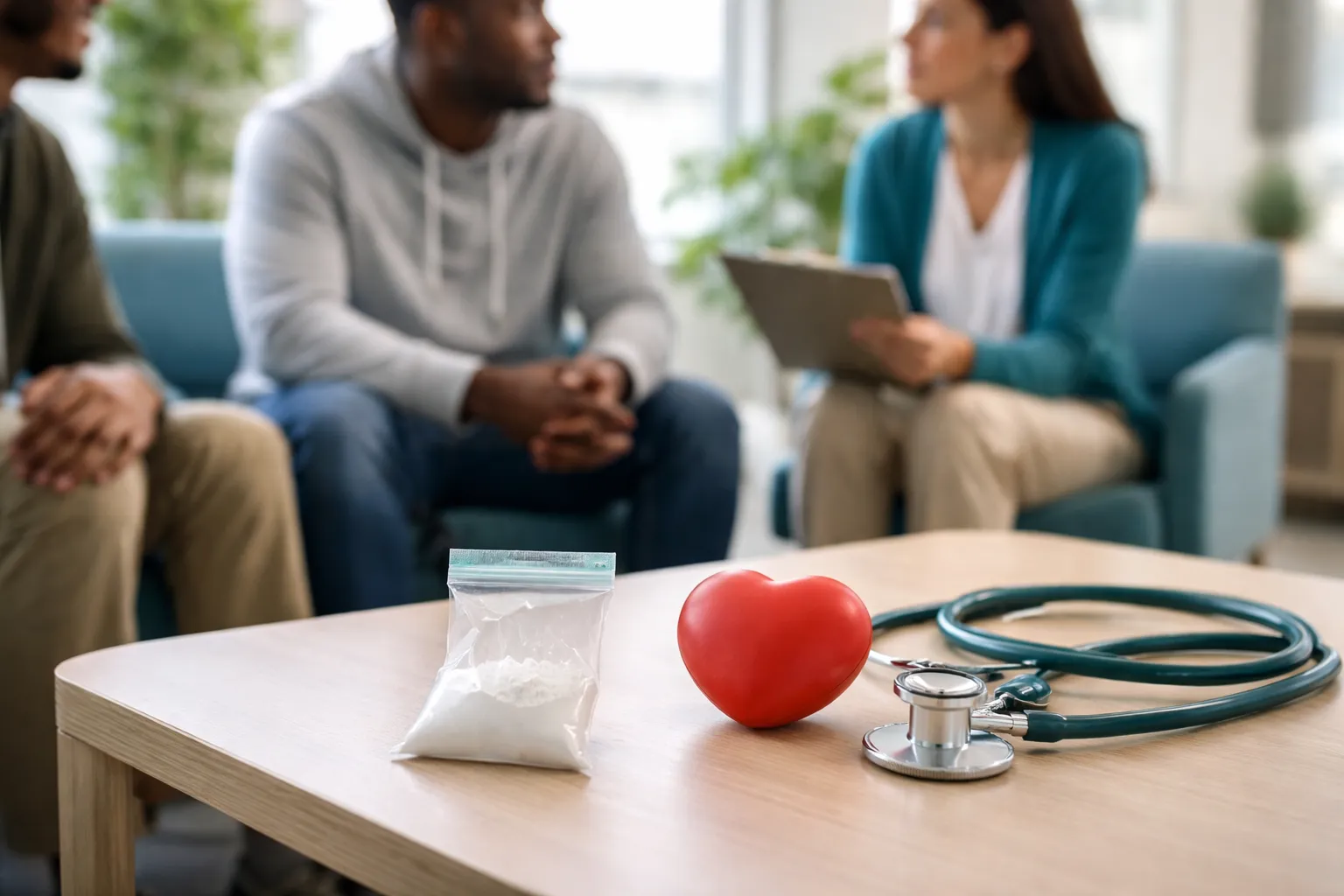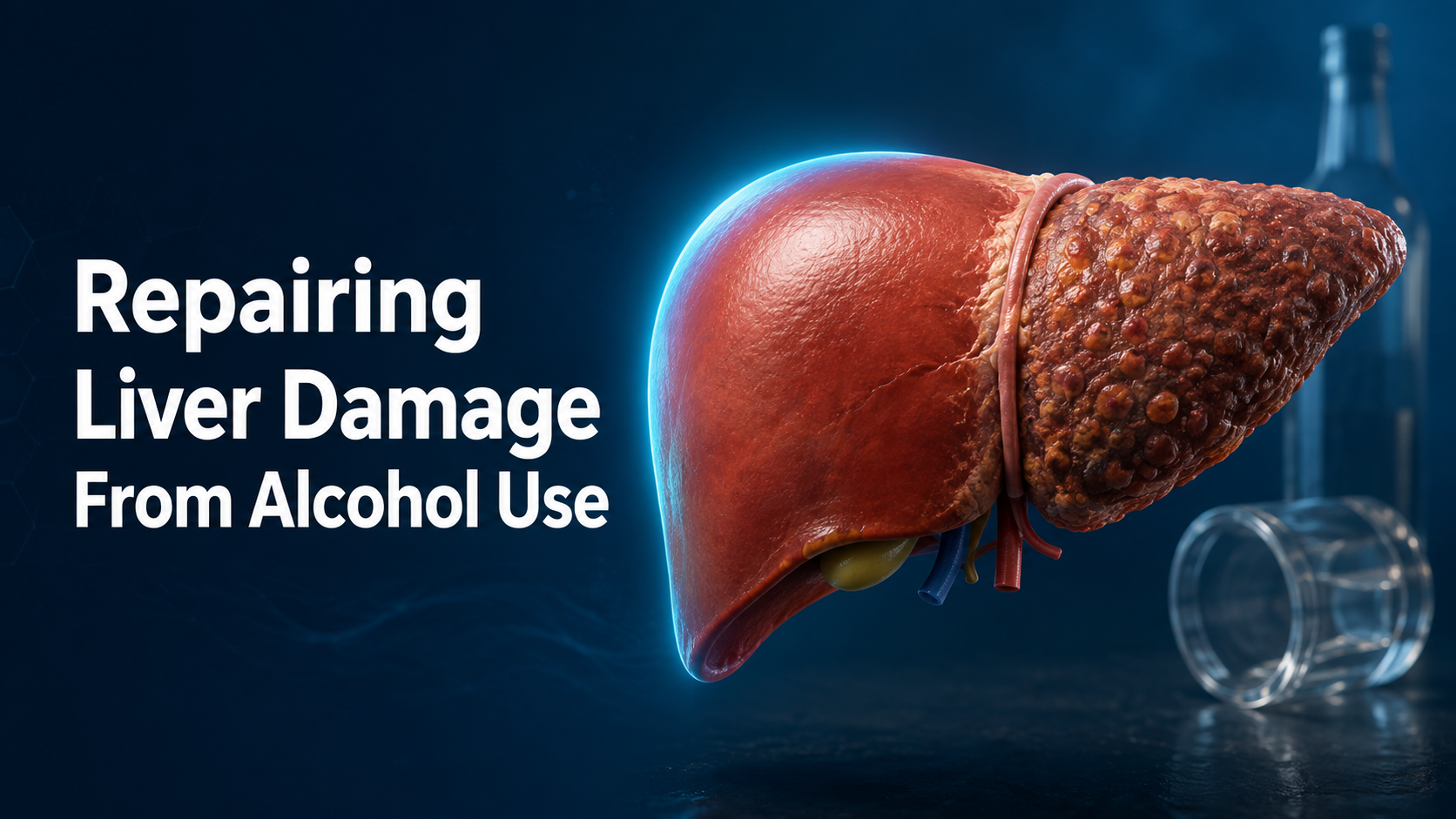
Stopping drug use, entering detox, or spending time in a controlled setting can save lives and be an important step toward recovery. However, a period of abstinence can also change how the body responds to drugs, and returning to a dose that was once tolerated may cause an overdose. This article explains the biology and common situations that raise risk, practical prevention steps, and when to seek clinical care.
Table of Contents
ToggleHow stopping drugs changes risk: the science of tolerance
With repeated use, the body and brain adapt to many substances, including opioids and depressant drugs, so that larger doses are needed to produce the same effect. That adaptation is called tolerance. Tolerance starts to fall after drug use stops, often fairly quickly, which means a dose that once seemed safe can overwhelm breathing and cause fatal respiratory depression if the person returns to the same dose. Clinical guidelines and research describe this mechanism as a major reason people face elevated overdose risk after abstinence. (cdc.gov)
Why the first days and weeks are higher risk
Evidence shows specific transition periods have particularly high overdose risk: the first days after release from jail or prison, the period right after discharge from abstinence-based treatment, and shortly after stopping medications for opioid use disorder. During these transitions, reduced tolerance combined with stress, changed environment, and sometimes limited access to support can lead to a return to drug use at a dangerous dose. Public health advisories emphasize prioritizing opioid overdose prevention during these times. (archive.cdc.gov)
Common situations that raise overdose risk after abstinence
- Release from incarceration, hospital, or residential treatment, when tolerance has dropped and access to high-potency street opioids is possible. (archive.cdc.gov)
- Completion of a brief medically supervised detox without ongoing treatment or medications for opioid use disorder. Detox reduces withdrawal but does not restore tolerance or protect against relapse. (cdc.gov)
- Stopping medications used to treat opioid use disorder, including buprenorphine or methadone, without medical supervision or follow up. Observational studies link periods off treatment to higher overdose risk. (pubmed.ncbi.nlm.nih.gov)
- Starting or returning to use of opioids after long abstinence, which lowers respiratory tolerance. Even a lower dose than previously used can be lethal. (pmc.ncbi.nlm.nih.gov)
- Mixing drugs, especially opioids with benzodiazepines, alcohol, or other sedatives, which further depress breathing. (cdc.gov)
What families and patients can do now: practical prevention steps
These steps reduce the chance of a life threatening overdose after a period of abstinence. They are general recommendations and do not replace an individualized clinical assessment.
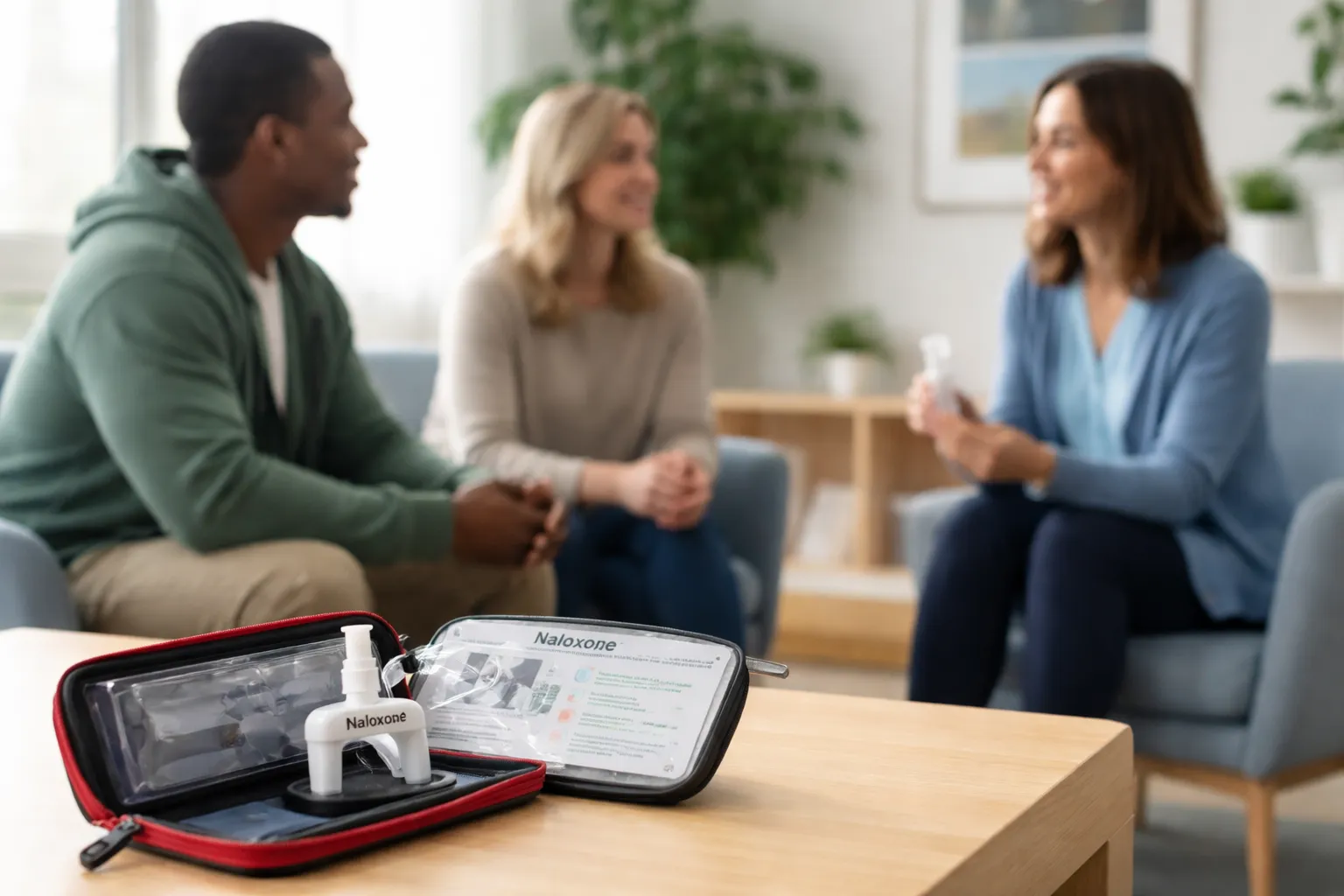
- Carry and learn to use naloxone, the opioid reversal medication, and make sure family and friends know where it is. Naloxone saves lives when used quickly. Recent public health actions have expanded naloxone availability. (samhsa.gov)
- If possible, keep treatment in place during transitions. Medications for opioid use disorder, including buprenorphine and methadone, are associated with lower risk of overdose than periods without treatment. Discuss options with a qualified clinician. (pubmed.ncbi.nlm.nih.gov)
- Avoid using alone, and if someone does use, have a trusted person nearby who knows how to recognize an overdose and administer naloxone. (cdc.gov)
- Test substances when possible, avoid mixing sedatives and alcohol, and start with a much lower amount than previously used if someone relapses. Unknown potency in unregulated supplies is a major risk factor. (cdc.gov)
- Get a clinical assessment before stopping medications or after a detention or treatment stay. Placement and medication decisions require evaluation by a qualified clinician who can explain risks and options.
| Situation | Why risk rises | Practical actions |
|---|---|---|
| Release from jail or prison | Tolerance reduced, stressors, limited supports | Provide naloxone, link to MOUD or outpatient care, avoid using alone. (archive.cdc.gov) |
| Completed detox or short residential stay | Detox removes physical dependence but not relapse risk | Arrange follow up care, consider MOUD, give naloxone and overdose education. (cdc.gov) |
| Stopped buprenorphine or methadone | Loss of medication protection and reduced tolerance | Discuss restart options, close monitoring, naloxone and contingency planning. (pubmed.ncbi.nlm.nih.gov) |
Medications and clinical approaches that reduce overdose risk
Medications for opioid use disorder lower the chance of fatal and nonfatal overdose when people remain in treatment. Buprenorphine and methadone have the strongest evidence, and starting buprenorphine in emergency and transitional settings can reduce deaths and return to illicit use. Treatment choice, dosing, and placement should be determined by a clinician familiar with the person’s medical history. (nida.nih.gov)
Naltrexone, an opioid blocker, is another option for some patients but requires a full period of opioid abstinence before initiation, and reduced tolerance while on naltrexone means that returning to opioids can rapidly cause overdose. Clinicians must weigh benefits and risks when recommending any medication. (datashare.nida.nih.gov)
Special situations requiring urgent or specialized care
- Pregnancy: pregnant people who use opioids need specialized obstetric and addiction care. Decisions about medications and detox require coordination with maternal fetal medicine and addiction specialists.
- Adolescents: youth require age appropriate evaluation and family involved care; medications and settings differ by age.
- Severe withdrawal, seizures, psychosis, or suspected overdose are medical emergencies and require immediate treatment. Call 911 for any life threatening condition.
For mental health or suicide crises, call or text 988 to reach the Suicide and Crisis Lifeline in the United States.
Frequently asked questions
Does stopping drugs reduce overdose risk long term?
Stopping use reduces many health harms, and sustained treatment reduces long term overdose risk. However, short term abstinence without ongoing support or treatment can increase the risk of a fatal overdose if a person returns to use at a previous dose. That is why planning for aftercare and overdose prevention is essential. (cdc.gov)
Is naloxone appropriate for everyone at risk?
Yes. Naloxone is safe, easy to use, and appropriate for anyone who might witness or experience an opioid overdose. Public health agencies recommend making naloxone widely available to people who use opioids, their families, and service providers. (samhsa.gov)
Should I avoid offering help if someone relapses after treatment?
No. Relapse does not mean failure. Re-engagement, nonjudgmental support, rapid access to treatment, and overdose prevention (naloxone distribution) are critical after relapse. Clinical reassessment can identify the appropriate next steps. (cdc.gov)
Sources and further reading
- CDC: Assess risks and potential harms of opioid use. (cdc.gov)
- SAMHSA: Opioid overdose prevention and response. (samhsa.gov)
- Conceptual model of post-release opioid-related overdose risk, PubMed Central. (pmc.ncbi.nlm.nih.gov)
- Non-fatal overdose risk during and after opioid agonist treatment, PubMed. (pubmed.ncbi.nlm.nih.gov)
- NIDA: Initiating buprenorphine treatment in the emergency department. (nida.nih.gov)
- CDC Health Alert Network: Prioritize naloxone for people after periods of abstinence. (archive.cdc.gov)
Next steps and getting help
If you or a family member are leaving a controlled setting, finishing detox, considering stopping medication, or concerned about relapse, plan for follow up care before the transition. A qualified clinician can assess medical history, recommend appropriate medications or supports, and arrange timely outpatient care.
Our outpatient teams can help arrange assessments, provide education about naloxone and overdose prevention, and discuss medication options when appropriate. For more information about treatment options, locations, or to request an assessment, see our treatments page, find a location, or contact us directly for confidential assistance: treatments, locations, contact us.
Remember, this article is general education and not individualized medical advice. Placement and medication decisions always require assessment by a qualified clinician. If someone is unconscious, not breathing, or in immediate danger, call 911 right away. For urgent mental health or suicide crisis support, call or text 988.
To request a confidential assessment or speak with our admissions team about next steps, please contact us. We are here to help without pressure, and can connect you to clinical services and community supports.