Introduction
This article explains how outpatient alcohol rehab works in New Jersey: how clinicians assess patients, how outpatient withdrawal management may be delivered, which medications and therapies are commonly used, and how to find local outpatient programs. This is general education, not individualized medical advice. Placement, medication, and safety decisions require assessment by a qualified clinician.
Table of contents
- Who outpatient alcohol rehab is for
- Initial assessment and placement
- Outpatient withdrawal management: what to expect
- Medications and clinical supports
- Psychosocial therapies and group supports
- Comparing levels of care
- Safety callout: emergencies and crisis
- FAQs
- Sources
- Next steps
Table of Contents
ToggleWho outpatient alcohol rehab is for
Outpatient programs are appropriate for many adults with alcohol use disorder who have stable medical and social supports, do not have severe or complicated withdrawal histories, and can safely attend scheduled clinic or therapy visits. Outpatient care ranges from standard weekly visits to more intensive programs such as intensive outpatient programs, IOPs, and partial hospitalization when more structure is needed. Clinicians use nationally accepted criteria to decide the right level of care for each person. (en.wikipedia.org)
Initial assessment and placement
Before treatment begins, a clinician will take a focused medical and psychosocial history, review current drinking patterns, screen for co-occurring medical or mental health conditions, and ask about prior withdrawal episodes. This evaluation informs whether outpatient care is safe, or whether inpatient medical detox or hospitalization is required. The American Society of Addiction Medicine criteria and state treatment standards guide placement decisions. (asam.org)
Key assessment elements
- Quantity and pattern of alcohol use, recent heavy drinking days.
- History of alcohol withdrawal seizures, delirium tremens, or complicated withdrawal.
- Medical conditions that increase risk during withdrawal, for example uncontrolled seizures, severe liver disease, or pregnancy.
- Current medications, especially benzodiazepines, opioids, or other sedatives.
- Social supports, housing stability, and ability to attend clinic appointments.
Outpatient withdrawal management: what to expect
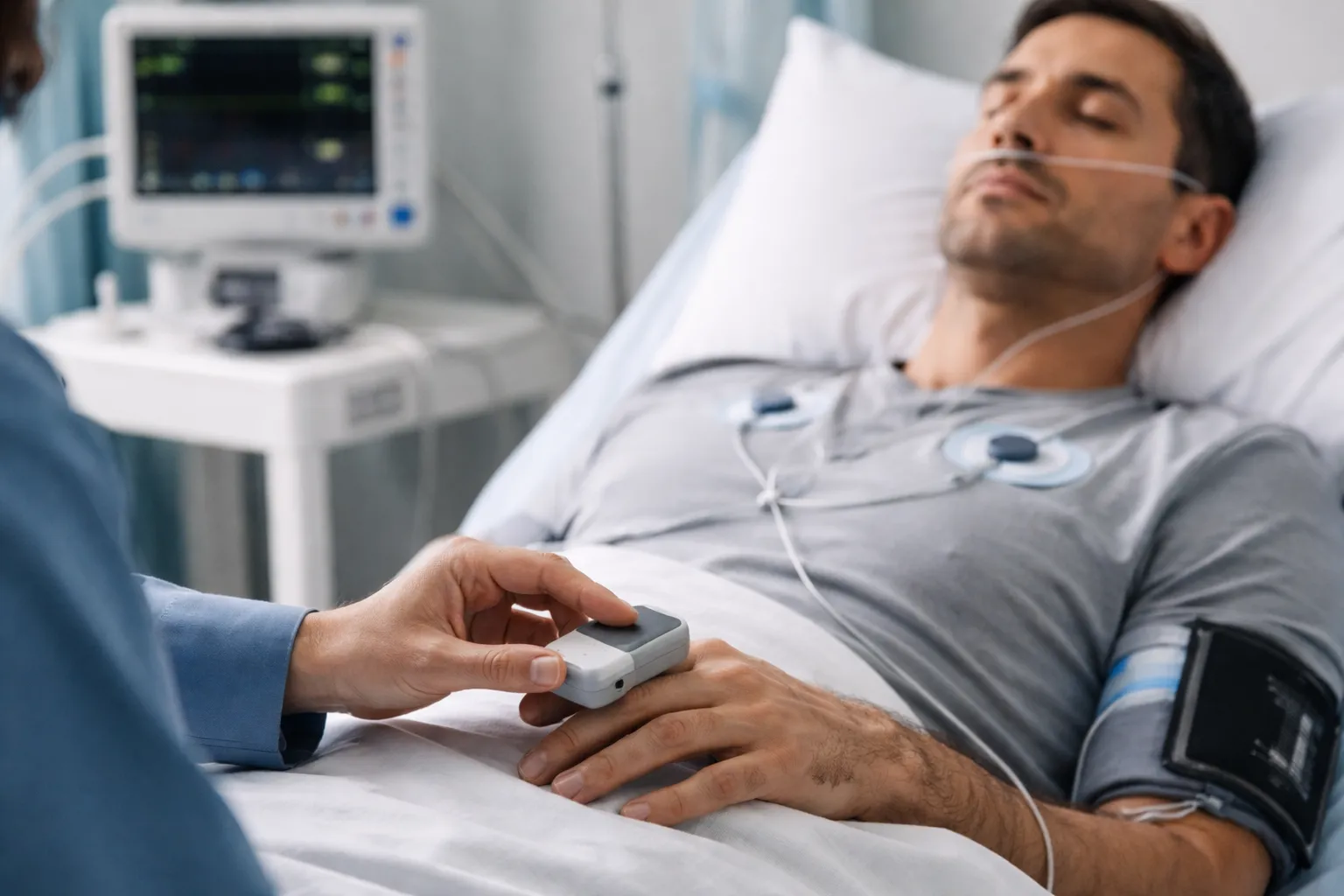
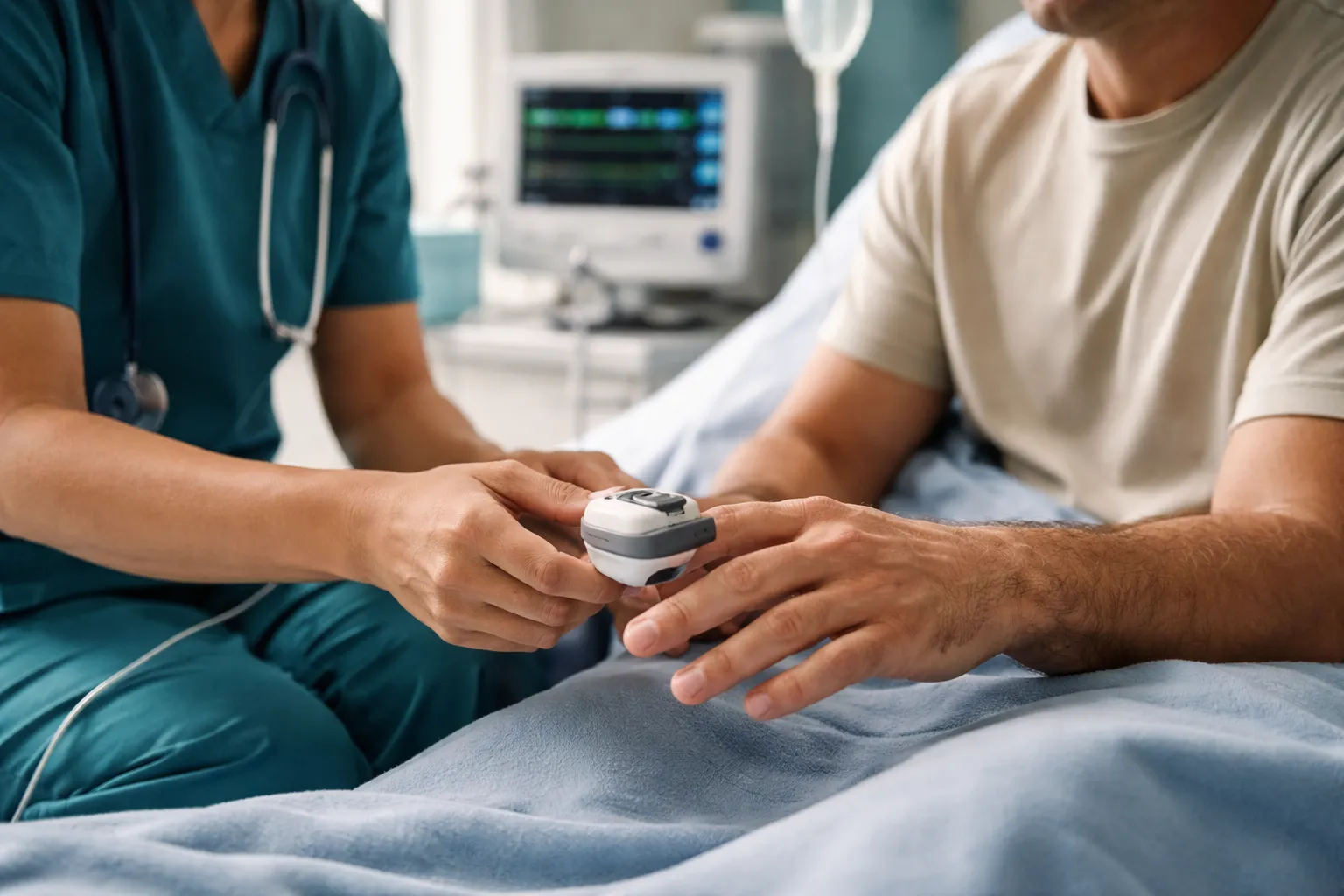
Outpatient withdrawal management can be offered for people with mild to moderate alcohol withdrawal who are medically stable and have appropriate supports. Treatment is structured: frequent clinical check-ins, symptom monitoring, and access to medications when indicated. Not everyone is a candidate for outpatient withdrawal management, and a history of severe or complicated withdrawal commonly requires inpatient care. (asam.org)
Typical outpatient withdrawal elements include:
- Frequent visits early in withdrawal, often daily or every other day during the highest-risk period.
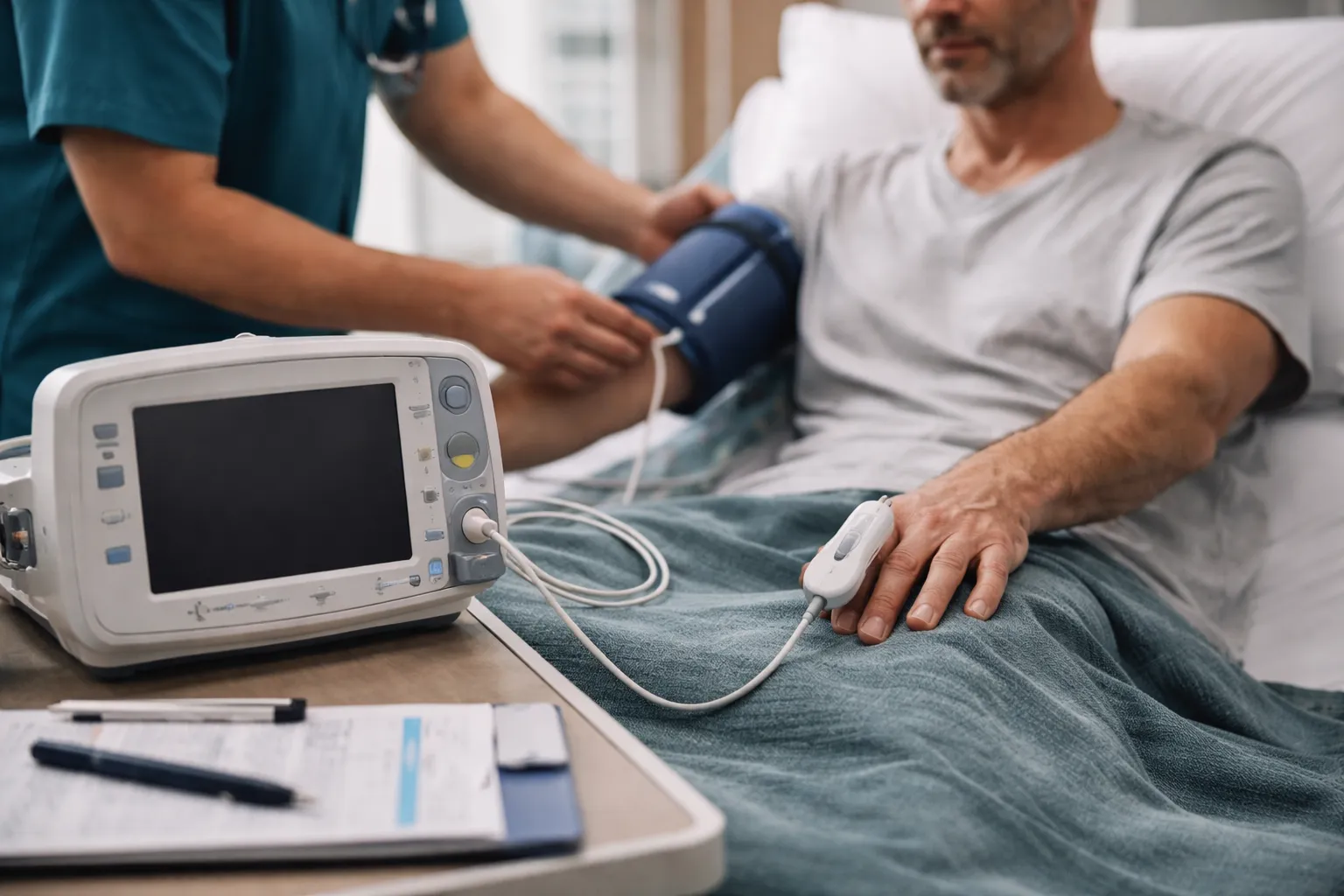
- Standardized symptom scales and clinical observation for worsening signs.
- Medications to ease withdrawal symptoms when clinically indicated, prescribed and monitored by a clinician.
- A written safety plan and quick escalation path to emergency or inpatient care if symptoms worsen.
Medications and clinical supports
Meds can play two separate roles: short-term medications to manage acute withdrawal, and longer-term medications to reduce craving and risk of relapse. Several medications are approved by the U.S. Food and Drug Administration for treating alcohol use disorder. Choice of medication depends on the patient, medical conditions, and treatment goals, and must be decided by a prescriber after evaluation. (samhsa.gov)
FDA approved medications commonly used in outpatient care
- Naltrexone, oral or monthly injectable, reduces rewarding effects of alcohol and can lower heavy drinking days. Injectable extended release naltrexone requires that the patient be opioid-free and typically not actively drinking at the moment of first injection. Prescribers review the FDA label for safety details. (dailymed.nlm.nih.gov)
- Acamprosate, often used to support abstinence during early recovery, may be contraindicated in severe renal impairment; prescribers review dosing and renal function. (dailymed.nlm.nih.gov)
- Disulfiram, less commonly used, causes unpleasant physical reactions if alcohol is consumed and is usually chosen when supervised adherence is feasible. (ncbi.nlm.nih.gov)
Other medications may be used off-label to address sleep, anxiety, or cravings, but those choices require careful clinician oversight. Decisions about starting, stopping, or changing medication should be made by a qualified prescriber with access to the patient’s full medical history.
Psychosocial therapies and group supports
Medication is most effective when combined with counseling and behavioral therapies. Common outpatient interventions include cognitive-behavioral therapy, motivational interviewing, contingency management, family therapy, and structured group programs. Peer support groups, such as mutual-help meetings, are also commonly recommended as an adjunct. Evidence supports the combination of behavioral therapies with medications for better outcomes for many patients. (niaaa.nih.gov)
Comparing levels of care
| Level of care | Typical intensity | When used | Example services |
|---|---|---|---|
| Outpatient – Level 1 | Weekly to biweekly visits | Mild-moderate AUD, stable supports | Medication management, individual counseling |
| Intensive Outpatient Program (IOP) | 9+ hours per week | Higher need for structure, early recovery | Group therapy, skills training, med management |
| Partial Hospitalization (PHP) | ~20 hours per week | Needs daily structure but can return home | Day program with medical and behavioral care |
| Residential / Inpatient | 24 hour care | Severe withdrawal risk, medical complications | Medical detox, around-the-clock monitoring |
New Jersey state agencies and licensing rules reference these levels and define program standards for outpatient, IOP, and partial hospitalization services. Check program licensing and the state treatment directory when choosing care. (nj.gov)
Safety callout
If you or someone else is in immediate medical danger, call 911 now.
If you or someone is thinking about suicide or in a mental health crisis, call or text 988 for the Suicide & Crisis Lifeline now.
If withdrawal includes high fever, severe confusion, hallucinations, persistent vomiting, seizures, or inability to stay hydrated, seek emergency care or hospitalization immediately. Placement and medication decisions should be made by a qualified clinician after assessment. (asam.org)
Frequently asked questions
Can outpatient programs manage alcohol withdrawal safely?
Yes, outpatient withdrawal management can be safe for people with mild to moderate withdrawal and adequate supports, when delivered by experienced clinicians following recognized guidelines. Those with prior seizures, delirium tremens, or severe medical illness usually require inpatient care. (asam.org)
Are there medications that help with alcohol use disorder?
Yes. The FDA has approved naltrexone, acamprosate, and disulfiram for alcohol use disorder. These medications are more effective when combined with counseling and must be prescribed and monitored by a clinician. Read the medication labeling and discuss risks and benefits with your prescriber. (dailymed.nlm.nih.gov)
How common is excessive drinking in New Jersey?
Public health surveillance reports provide data on excessive alcohol use by state. Use the CDC and state health department reports to understand local patterns and program planning. (cdc.gov)
Sources
- ASAM Clinical Practice Guideline on Alcohol Withdrawal Management. American Society of Addiction Medicine. (asam.org)
- TIP 49, Incorporating Alcohol Pharmacotherapies Into Medical Practice. SAMHSA. (samhsa.gov)
- Types of Alcohol Treatment. National Institute on Alcohol Abuse and Alcoholism. (alcoholtreatment.niaaa.nih.gov)
- Data on Excessive Alcohol Use, by State. Centers for Disease Control and Prevention. (cdc.gov)
- New Jersey Division of Mental Health and Addiction Services – Substance Use Disorder Resources. New Jersey Dept of Human Services. (nj.gov)
- VIVITROL Prescribing Information. FDA / DailyMed. (dailymed.nlm.nih.gov)
- CAMPRAL (acamprosate) Prescribing Information. FDA / DailyMed. (dailymed.nlm.nih.gov)
Next steps
If you think outpatient care might be appropriate, start by contacting a licensed outpatient program for a confidential assessment. New Jersey maintains treatment directories and program standards through the Division of Mental Health and Addiction Services. If you are exploring treatment options, you may find it useful to review local treatment types and services on the provider website, and to check program locations. For information about available treatments, visit our treatments page, find a nearby outpatient site on our locations page, or reach out on our contact page to request a confidential assessment or speak with an admissions representative.
Explore treatment options | Find a location | Contact us for a confidential assessment
Final note: this page is for general education and does not replace a clinical evaluation. If you have questions about medical management, withdrawal risk, medications, or placement, speak with a qualified clinician who can review your situation in person.