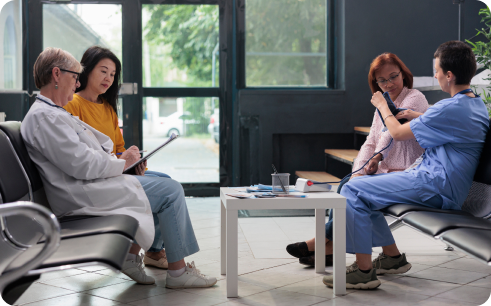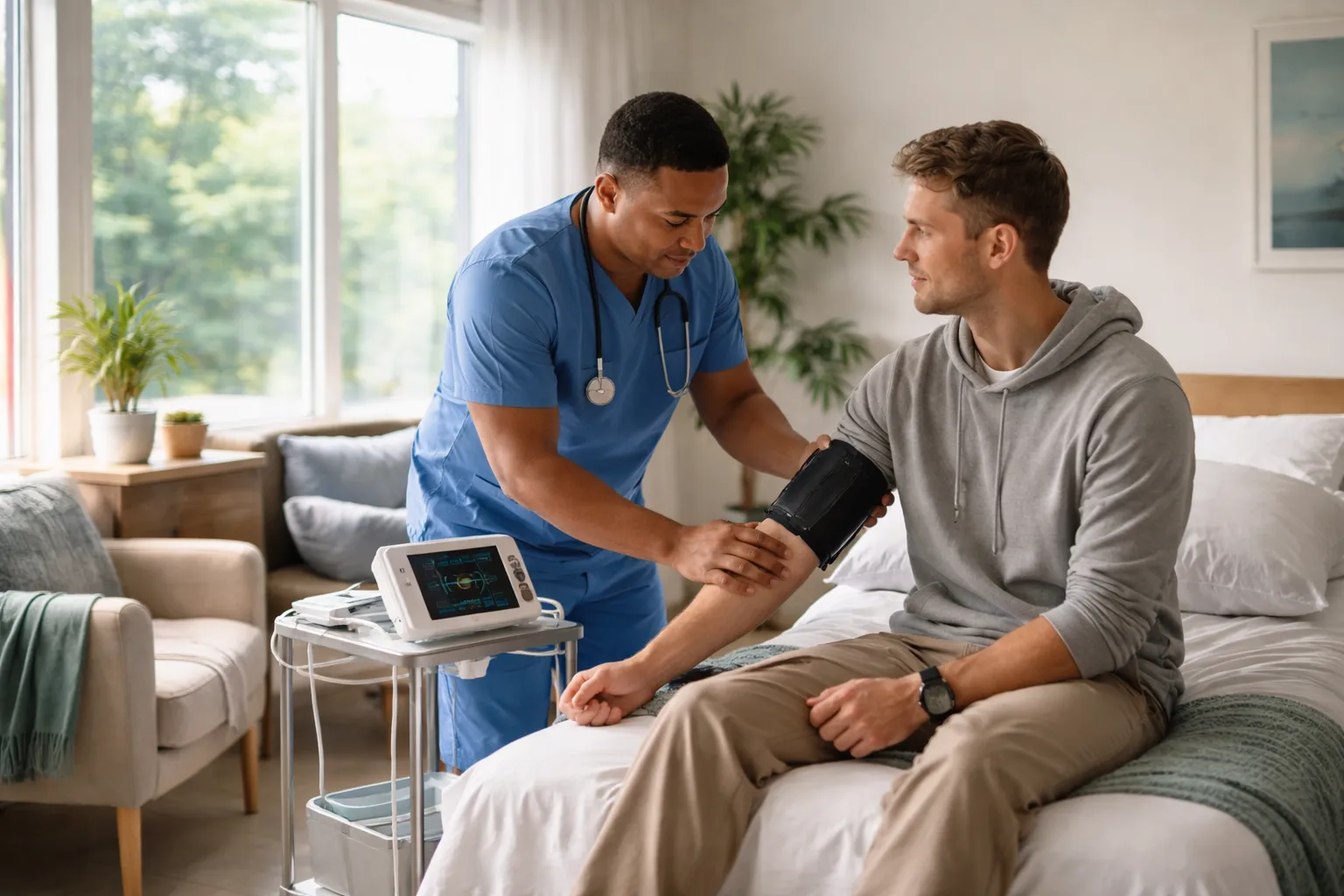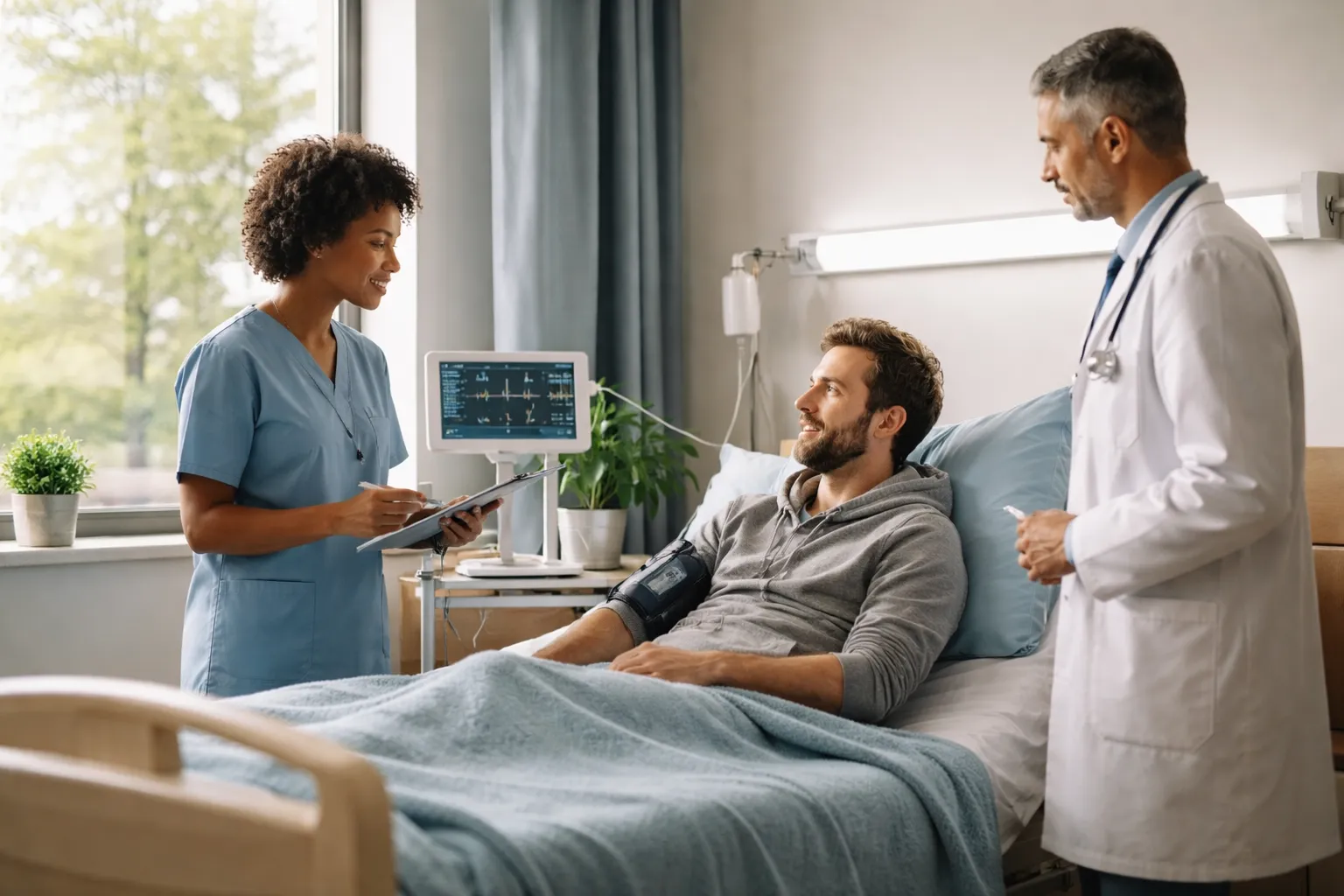
This article explains the main levels of care offered by New Jersey detox centers, what to expect at admission, and the practical questions patients and families should ask. It is intended as general education, not individualized medical advice. Placement and medication decisions require assessment by a qualified clinician.
Table of Contents
ToggleLevels of care you may find at New Jersey detox centers
Detox, short for withdrawal management, is the medical and nursing care given while a person stops or reduces substance use. Centers in New Jersey use standard levels of care to match clinical need, ranging from ambulatory outpatient services to 24-hour medically managed settings. The American Society of Addiction Medicine 4th Edition defines these levels and the kinds of services each provides. (asam.org)
Medically managed inpatient detox (high intensity)
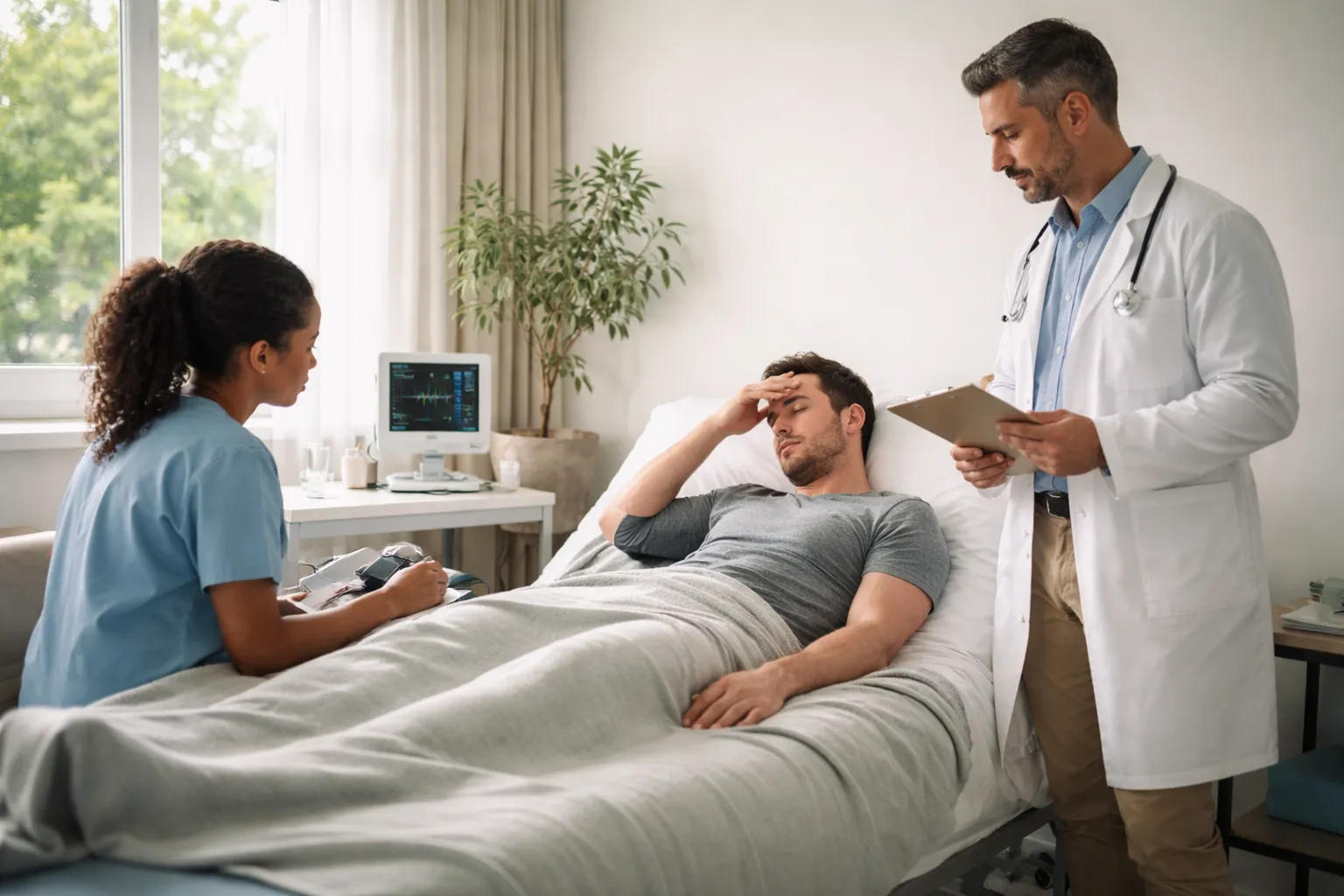
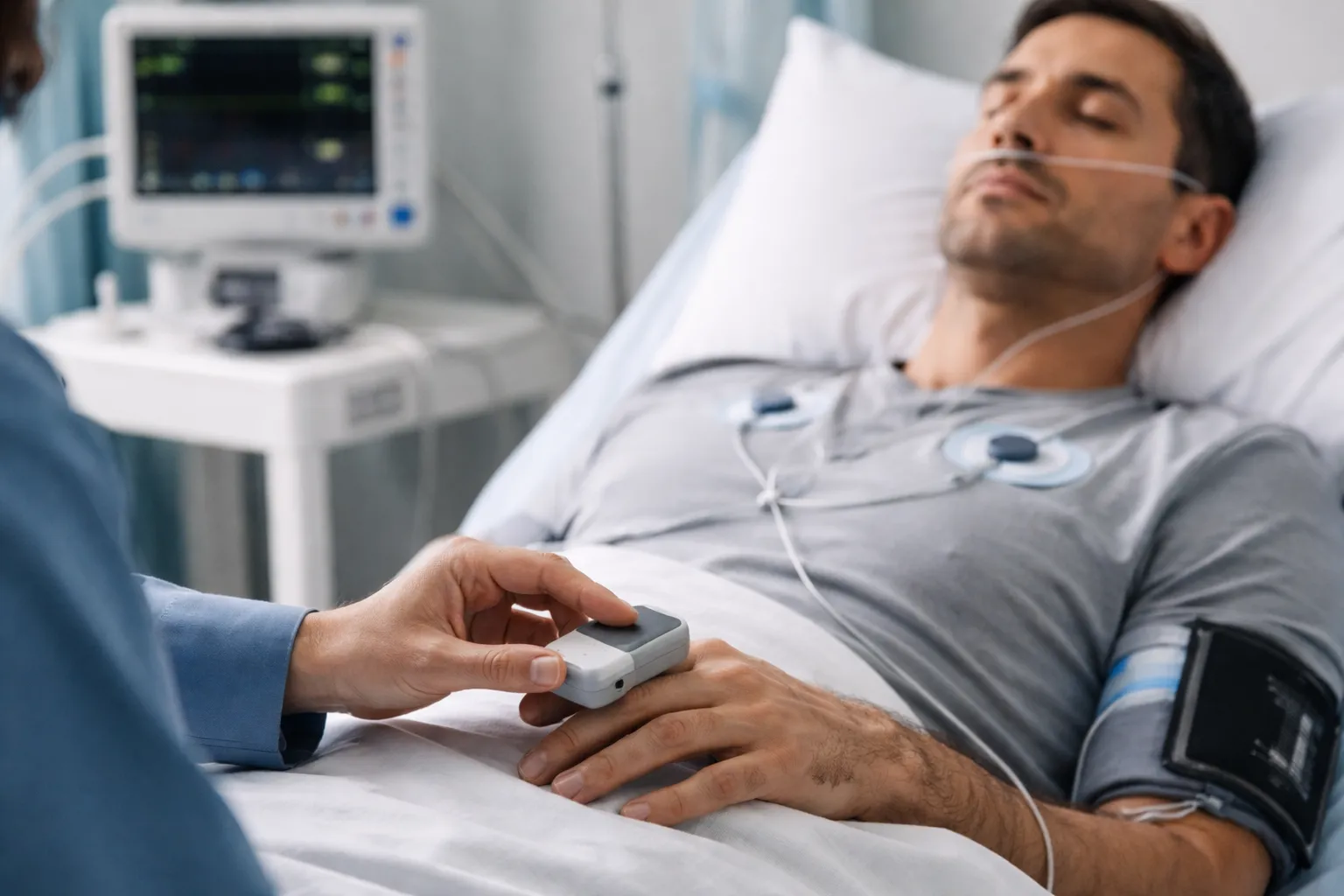
What it is: 24-hour medically directed care in a hospital or specialty unit for people with severe withdrawal, unstable medical problems, or complicated psychiatric needs. These programs have nursing and physician coverage and can manage medical complications that can arise during withdrawal. (asam.org)
Medically monitored residential detox
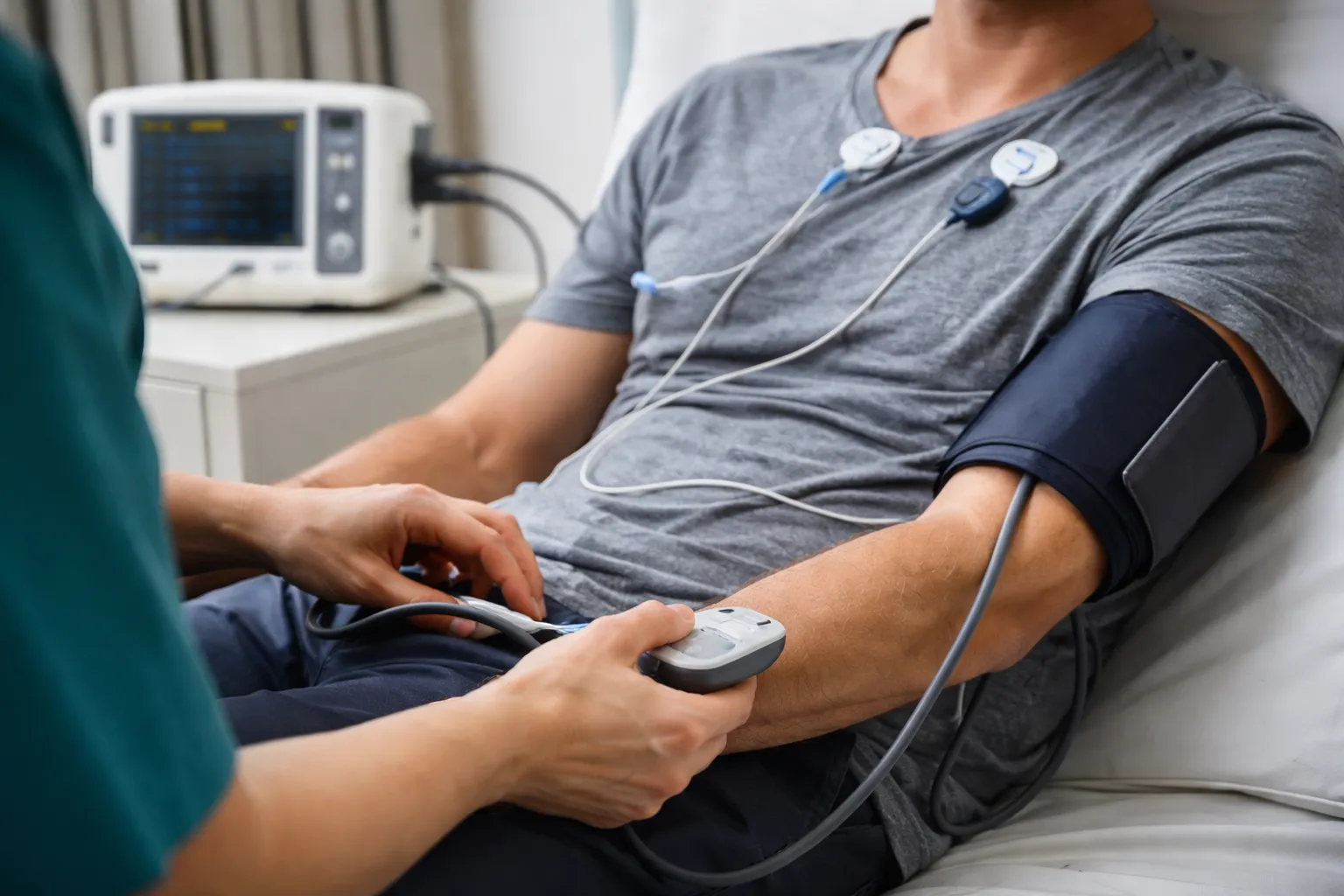
What it is: Residential settings that provide structured support and medical oversight, but not full hospital services. Typical patients are those who need close observation and support but do not require hospital-level care. Services usually include nursing assessments, medication to ease withdrawal when clinically indicated, and counseling. (asam.org)
Ambulatory outpatient and office-based detox
What it is: Daytime or weekly outpatient visits for people with milder, predictable withdrawal and stable home supports. Outpatient detox often includes medication, counseling, and regular clinical monitoring. Many outpatient settings can prescribe medications used for opioid withdrawal and long-term treatment, when appropriate. For opioid use disorder, public health guidance warns that detoxification without continuing medication for opioid use disorder is associated with higher risks of return to use and overdose, so linkage to ongoing medication-based treatment should be discussed. (cdc.gov)
Medication-based treatment and ongoing care
What it is: Medications for opioid use disorder such as buprenorphine, methadone, and extended-release naltrexone are approved and recommended options that reduce overdose risk and support engagement in care. These medications are most effective when offered along with counseling and psychosocial supports. Whether medication is appropriate depends on a clinical assessment. (fda.gov)
Admission questions patients and families should ask
When you call a New Jersey detox center, having a short list of clear questions will help you compare options and prepare for admission. These questions are practical and focus on safety, clinical services, and logistics.
- What level of care do you offer: inpatient, residential, or outpatient? Ask them to describe what that looks like day to day. (asam.org)
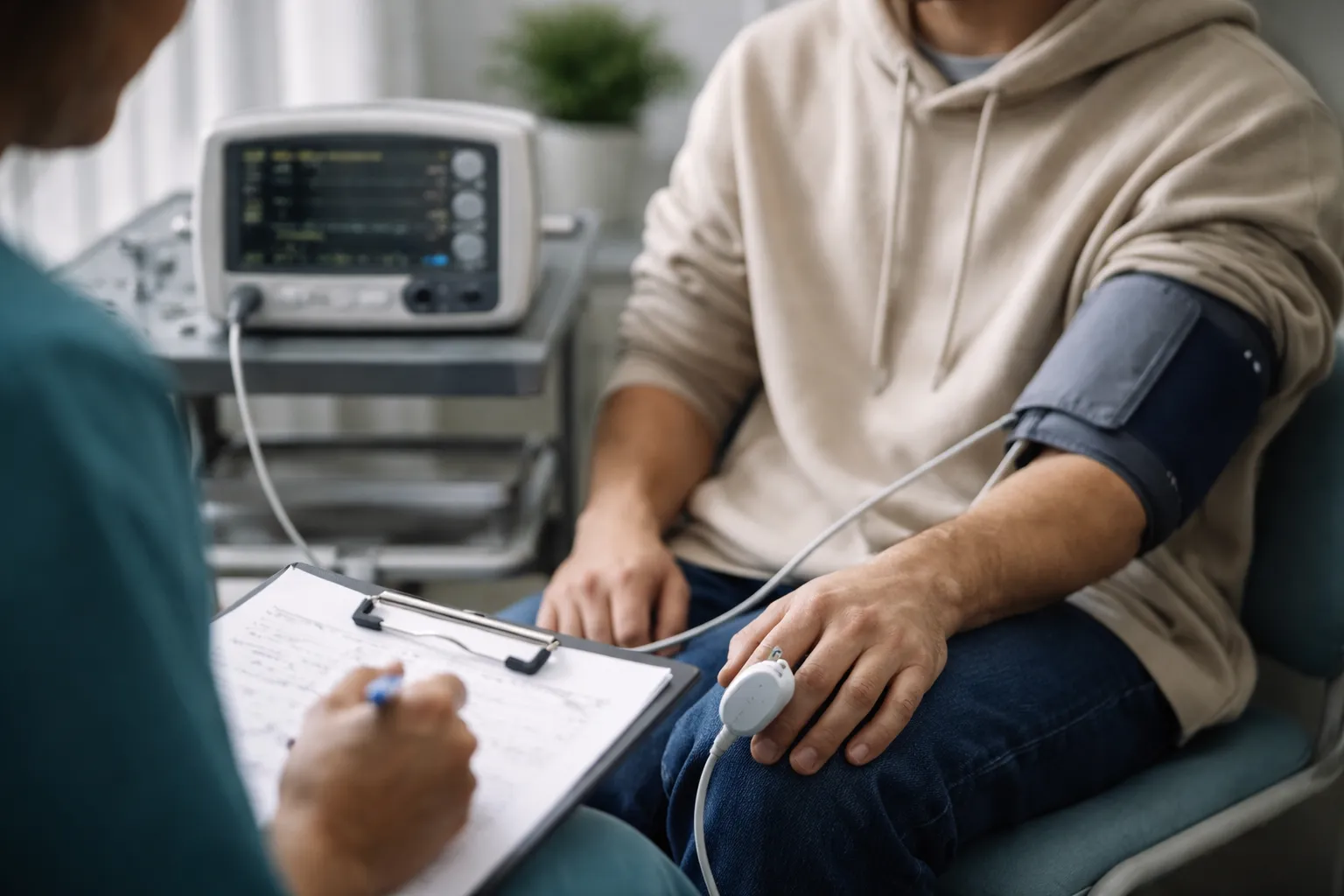
- Do you provide medical or nursing monitoring 24 hours a day? If not, how often is clinical staff available? (asam.org)
- Do you offer medications for withdrawal and for ongoing opioid treatment? Which medications do you provide, and how do you link to continuing medication treatment after detox? (fda.gov)
- How do you manage co-occurring mental health conditions? Is psychiatric consultation available? (asam.org)
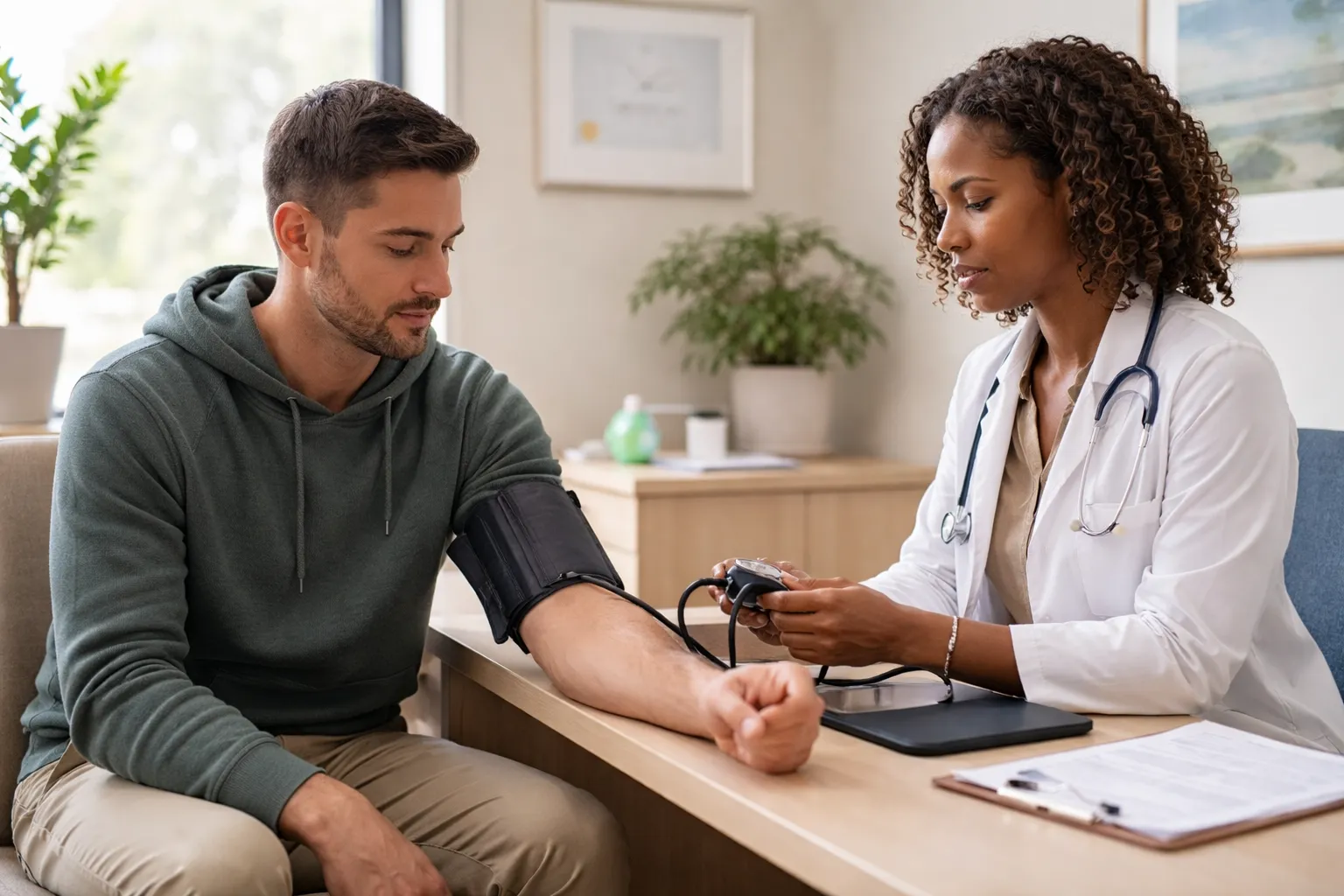
- How will you assess my or my loved one’s medical risk prior to admission? Will you accept my current medications?
- What is the expected length of stay and what determines readiness to step down to a lower level of care? (asam.org)
- Do you accept my insurance or self-pay? What financial counseling or sliding scale options are available? (Do not assume coverage until verified.)
- How do you handle aftercare planning, outpatient follow-up, and referrals within New Jersey? Can you help me find programs using state directories? (See New Jersey resources below.) (nj.gov)
Quick comparison: at-a-glance decision table
| Level of care | Typical setting | Who it may suit | Typical services |
|---|---|---|---|
| Medically managed inpatient | Hospital or specialized unit, 24-hour care | Severe withdrawal, unstable medical or psychiatric conditions | Continuous nursing and physician oversight, emergency care |
| Medically monitored residential | Residential facility with medical staff | Moderate withdrawal, needs structure and observation | Nursing checks, medications as needed, counseling |
| Outpatient / ambulatory | Clinic or office visits, daytime care | Mild withdrawal, stable home supports | Scheduled assessments, medication management, counseling |
Note: The American Society of Addiction Medicine criteria help clinicians match patient needs to the right level of care. Individual placement should always follow a clinician assessment. (asam.org)
Safety callout
If someone is in immediate danger from medical complications or an overdose, call 911. For a mental health or suicide crisis, call or text 988 for the 988 Suicide and Crisis Lifeline. For non-emergency help locating treatment in New Jersey, state helplines and online treatment directories can assist. (samhsa.gov)
Frequently asked questions
Will detox alone fix an addiction?
No. Detox manages acute withdrawal symptoms, but detox alone is generally not sufficient to treat a substance use disorder. For opioid use disorder, public health guidance cautions that detoxification without continued medication-based treatment increases the risk of return to use and overdose, so planning for ongoing care is important. (cdc.gov)
What medications might be used during detox?
Medications depend on the substance and clinical needs. For opioid use disorder, approved medications include buprenorphine, methadone, and extended-release naltrexone. These are prescribed according to clinical guidelines and regulatory rules and are more effective when combined with counseling. For alcohol or benzodiazepine withdrawal, specific medications and close monitoring may be required. Final decisions are made by the treating clinician. (fda.gov)
How do I find a legitimate New Jersey detox program?
Use official treatment locators and state resources, such as the SAMHSA treatment locators and New Jersey Division of Mental Health and Addiction Services directories. If you are unsure which level of care is appropriate, call your state helpline or a treatment provider for a clinical pre-screening. (samhsa.gov)
Compassionate next steps
If you are ready to take the next step, call a detox or treatment center and ask the admission questions above. You can also use New Jersey state resources and national directories to locate programs near you. If you are a family member, consider asking whether the program offers family education or family meetings.
For clinical treatment options at the same provider network as this article, see treatments and locations pages, or contact admissions directly to request a confidential assessment. These pages can help you understand available services and how to connect with an admissions clinician: treatments, locations, contact us.
Remember, this article provides general information. Final placement, medication choices, and safety planning must be determined by a qualified clinician after assessment. If you or someone is experiencing a medical emergency, call 911. For a mental health or suicide crisis, call or text 988. (samhsa.gov)
Sources
- American Society of Addiction Medicine, The ASAM Criteria 4th Edition. (asam.org)
- CDC clinical guidance on treating opioid use disorder. (cdc.gov)
- FDA information about medications for opioid use disorder. (fda.gov)
- NIDA information on opioids and treatments. (drugabuse.gov)
- SAMHSA treatment locators. (samhsa.gov)
- New Jersey Division of Mental Health and Addiction Services, ReachNJ and treatment directories. (nj.gov)
- SAMHSA information about 988 and crisis support. (samhsa.gov)