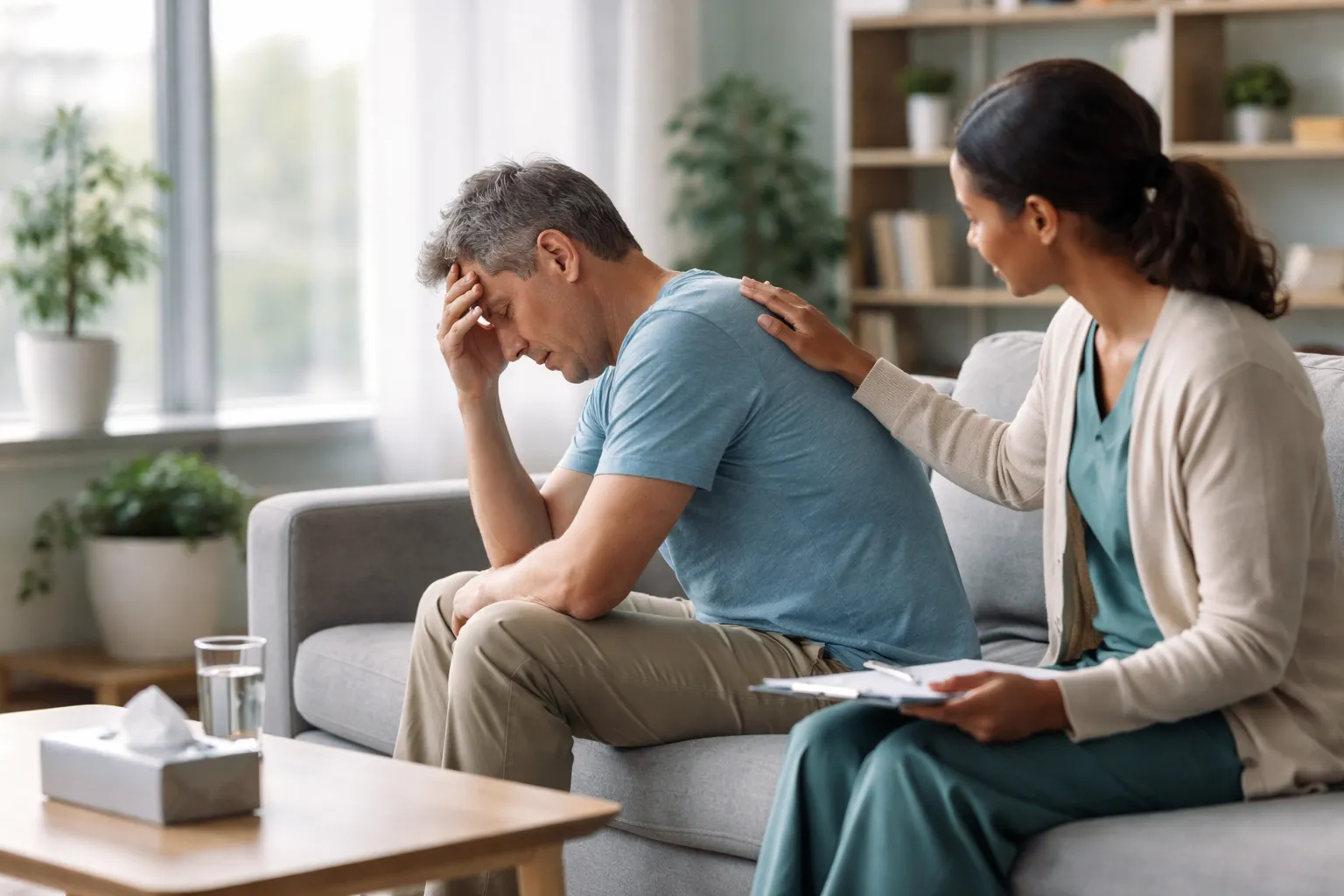
Brief introduction: Detox, short for withdrawal management, helps a person stop using a substance safely. It does not by itself treat the behaviors, medical needs, or social supports that cause or maintain a substance use disorder. Planning what happens after detox is essential to reduce relapse and overdose risk, and to begin evidence based treatment for long term recovery. (library.samhsa.gov)
Contents: Why detox is not enough | Common next levels of care | How clinicians decide placement | Medications and evidence | Planning a safe transition | New Jersey resources | FAQs | Next steps and contact
Table of Contents
ToggleWhy detox is not enough
Detox treats acute withdrawal. It is a time limited medical intervention to make stopping use safer, not a substitute for treatment of the underlying disorder. For opioid use disorder, public health authorities specifically warn that detoxification without follow up medication and treatment increases the risk of relapse and overdose. Planning follow up care should start on admission to detox, not at discharge. (cdc.gov)
Common next levels of care
After detox, the right next step depends on the person’s needs, supports, medical and psychiatric stability, and goals. Common options include outpatient treatment, intensive outpatient, partial hospitalization, residential programs, medication based treatment, and sober living. Clinical teams typically discuss trade offs of intensity, supervision, and services when recommending a level of care. (asam.org)
| Level of care | Who it may fit | Main features |
|---|---|---|
| Outpatient treatment (Level 1) | Mild to moderate needs, strong home supports | Weekly therapy, case management, medication prescriptions may be available |
| Intensive outpatient program (IOP) | Moderate needs, need structured hours but can live at home | Multiple weekly group and individual sessions, relapse prevention, family work |
| Partial hospitalization (day programs) | Higher clinical needs who do not require 24 hour nursing | Full day structured treatment including medical, therapy, and psychiatric care |
| Residential treatment | High relapse risk, unstable housing, limited supports | 24 hour supervision, structured living, therapy, skills training |
| Medication based treatment (MOUD or MAT) | People with opioid or alcohol use disorders who may benefit from medication | Methadone, buprenorphine, naltrexone, or FDA approved medications for alcohol: combined with counseling |
| Sober living / recovery housing | People needing stable, drug free housing with peer supports | Transitional housing with community supports and house rules |
Choice of a setting is individualized. Many patients step down, for example from residential to IOP to outpatient, as stability improves. Others need long term medication and clinic based care. (asam.org)
How clinicians decide placement
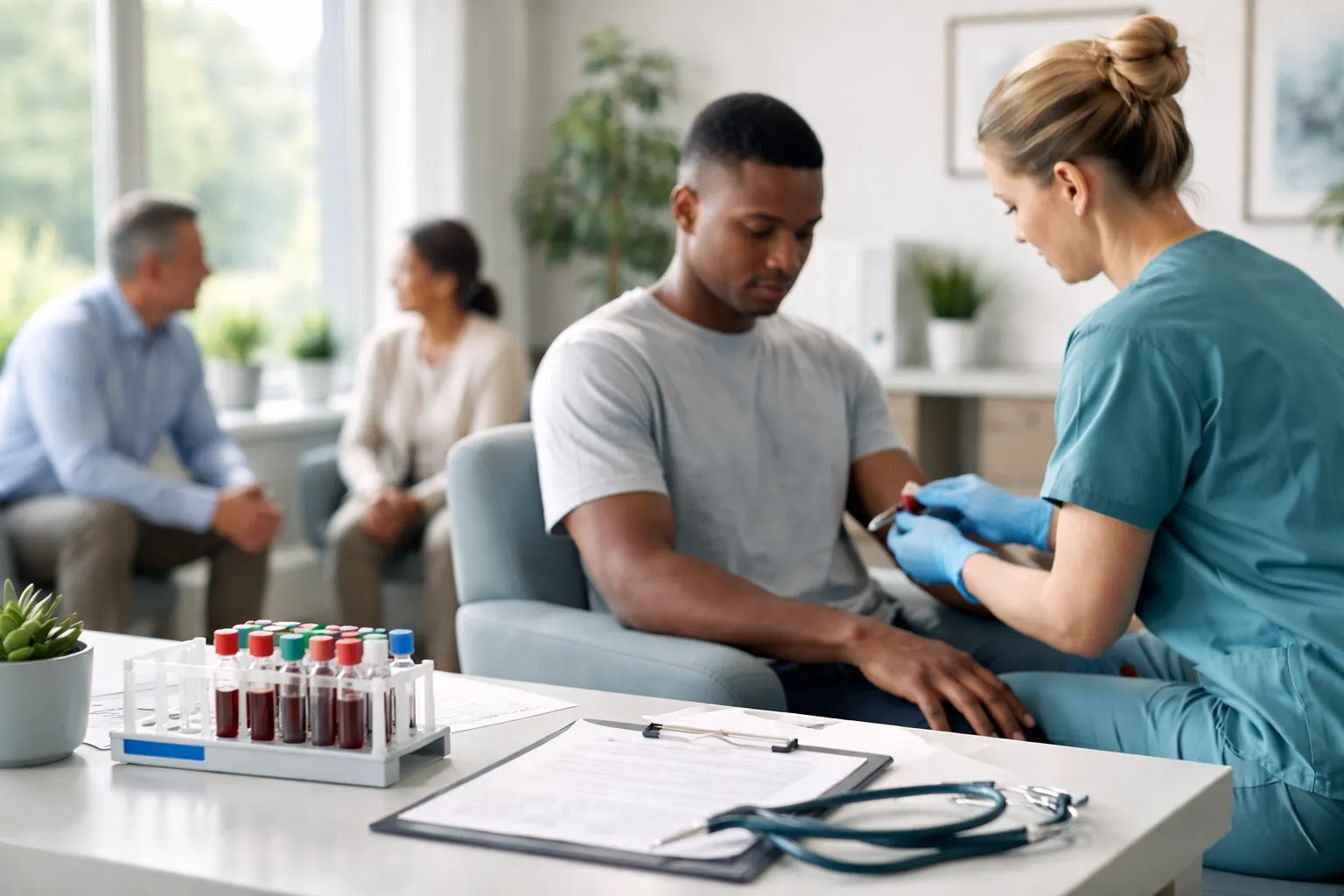
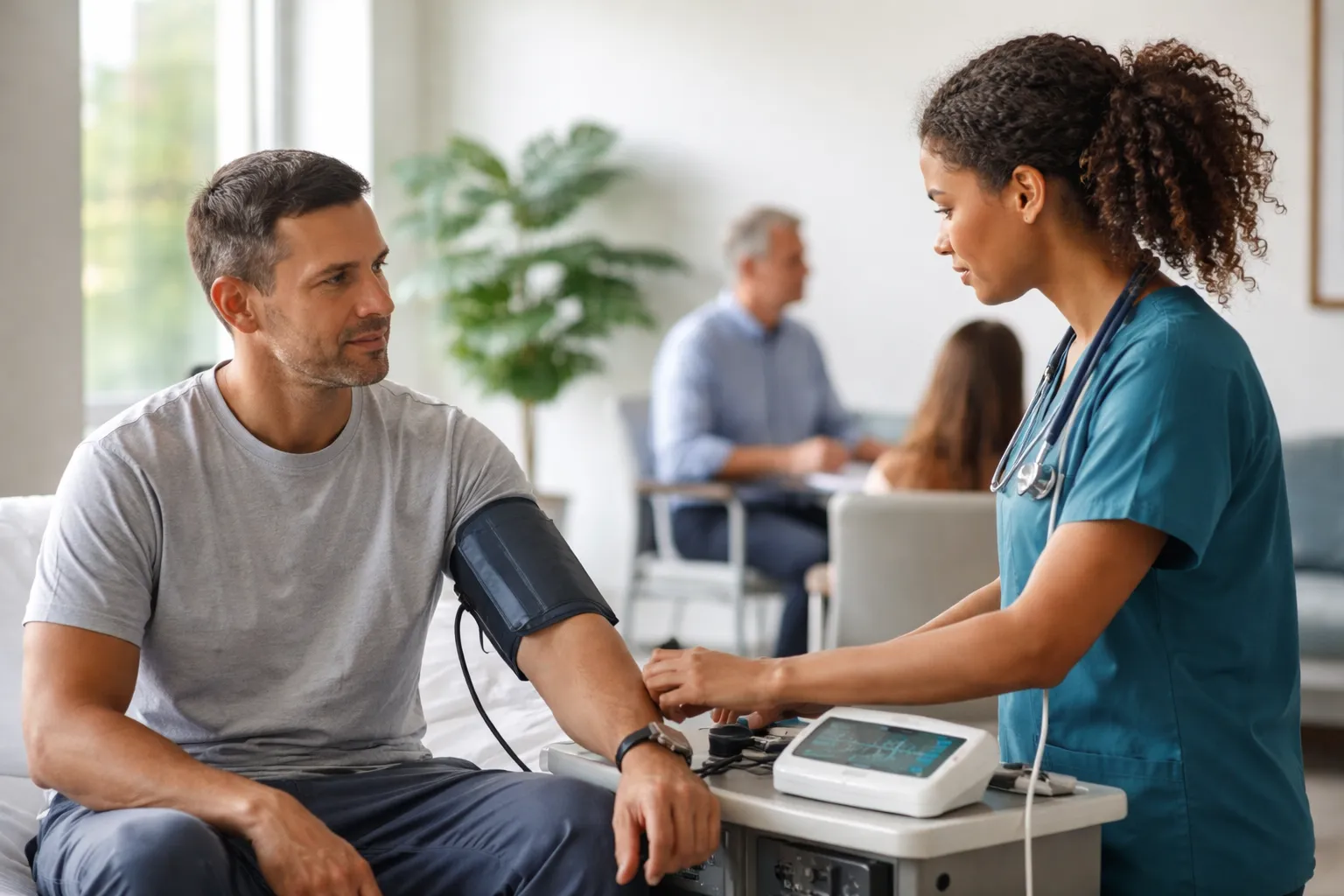
Clinicians use structured criteria and clinical judgment to match treatment intensity to need. The American Society of Addiction Medicine criteria are widely used to assess medical, psychiatric, readiness to change, relapse risk, and recovery environment, and to decide whether to step a person up or down in intensity. Regular reassessment during and after detox helps ensure the plan remains appropriate. Placement and medication decisions require assessment by a qualified clinician. (asam.org)
Medications and the evidence
For opioid use disorder, three medications are FDA approved and supported by national guidance: methadone, buprenorphine, and naltrexone. Medication combined with counseling reduces overdose risk and all cause mortality compared with no medication. For alcohol use disorder, several FDA approved medications and behavioral treatments can reduce drinking and improve outcomes. Choosing whether to start or continue medication after detox depends on diagnosis, past treatment response, preferences, and medical factors and should be made by a clinician. (nida.nih.gov)
Planning a safe transition and reducing risk
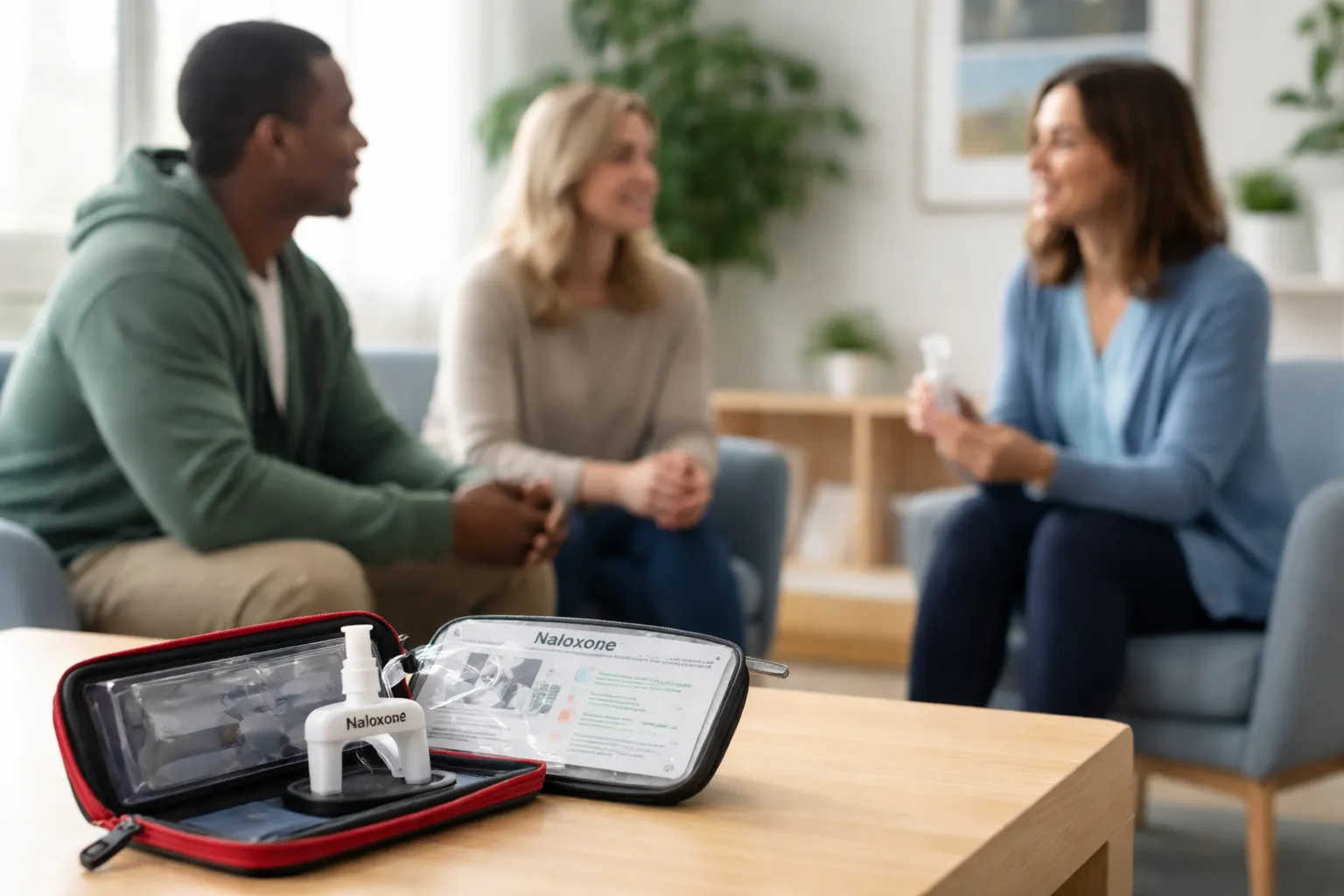
Key elements that improve safety after detox include arranging timely follow up treatment, providing overdose education and naloxone when relevant, linking to medication based care when appropriate, addressing co occurring mental health needs, and creating a written relapse prevention plan with family or supports. Studies show that clients who enter continuing care soon after detox have better outcomes than those who do not. (pmc.ncbi.nlm.nih.gov)
Practical steps to plan a safe discharge
- Begin discharge planning at admission: confirm follow up appointment within days of discharge. (library.samhsa.gov)
- Ask about and if eligible start medications for opioid or alcohol use disorder before or immediately after detox. (nida.nih.gov)
- Get a naloxone kit and overdose education if opioids were used, and learn how to use it.
- Arrange transportation and a stable, drug free place to stay for at least the first weeks after detox.
- Identify community supports: mutual help groups, peer recovery coaches, and recovery housing.
New Jersey specific resources
If you or a loved one lives in New Jersey, the state provides centralized help lines and treatment directories to locate programs, compare services, and find licensed providers. ReachNJ, the New Jersey Addiction Services Hotline, and the state Division of Mental Health and Addiction Services maintain directories and referral help. You can also use the federal treatment locator to find local programs accepting your insurance or payment type. For help locating outpatient or residential options in New Jersey, contact those resources or a local treatment provider. (nj.gov)
For information about treatments offered by this provider, see our treatments page, for locations see our locations page, and to request help contact admissions. (Internal links: treatments, locations, contact us.)
Safety callout: If you or someone else is in immediate danger, call 911. If you or a loved one is having a mental health or suicide crisis, call or text 988 for the 988 Suicide & Crisis Lifeline, available 24 hours a day. These services can help with immediate safety planning and referrals to care. (samhsa.gov)
Frequently asked questions
Q: How soon after detox should I start treatment?
A: Ideally follow up begins within days. Early engagement in outpatient, IOP, medication based care, or residential treatment as recommended reduces the chance of rapid relapse and overdose. The clinical team should arrange appointments before discharge. (pmc.ncbi.nlm.nih.gov)
Q: Is medication required after detox?
A: Not always, but for opioid use disorder and many people with alcohol use disorder medications improve outcomes and lower overdose risk. Whether someone starts medication depends on diagnosis, medical history, preferences, and clinician judgment. Decisions should be made with a qualified prescriber. (nida.nih.gov)
Q: What if I cannot afford treatment?
A: State and federal treatment locators can help identify low cost or sliding scale services and programs that accept Medicaid, Medicare, or private insurance. In New Jersey, ReachNJ and the state treatment directories list available options. If cost is a barrier, ask a treatment specialist or the state helpline about community resources and peer supports. (nj.gov)
Sources
- CDC: Treating Opioid Use Disorder and risks of detox alone. (cdc.gov)
- NIDA TIP 63: Medications for Opioid Use Disorder. (nida.nih.gov)
- ASAM Criteria: Overview of levels of care. (asam.org)
- SAMHSA: Treatment locators and helplines. (samhsa.gov)
- SAMHSA: 988 Suicide & Crisis Lifeline and crisis resources. (samhsa.gov)
- New Jersey ReachNJ and state treatment resources. (nj.gov)
Compassionate next steps
This is general education, not individualized medical advice. Placement and medication decisions require a clinical assessment by a qualified provider. If you are planning aftercare, ask the detox team to: schedule a follow up appointment before discharge, refer you to medication services if appropriate, provide naloxone and overdose education if relevant, and give written contact information for the receiving program. If you are in New Jersey and need help finding an appointment, call ReachNJ or use the SAMHSA treatment locator to find local options. (nj.gov)
We are here to help. If you would like a confidential assessment or to speak with our admissions team about appropriate next steps, please request a confidential assessment or call our admissions line. There is no pressure, only help to explore the safest next level of care for you or your loved one.
For emergencies call 911. For mental health or suicide crisis call or text 988.