
Starting medication for opioid use disorder is a hopeful step, but in some cases buprenorphine can trigger sudden, intense withdrawal known as precipitated withdrawal. This page explains the cause, how clinicians reduce risk, alternative induction strategies, and when to seek urgent help.
Table of Contents
ToggleWhat is precipitated withdrawal?
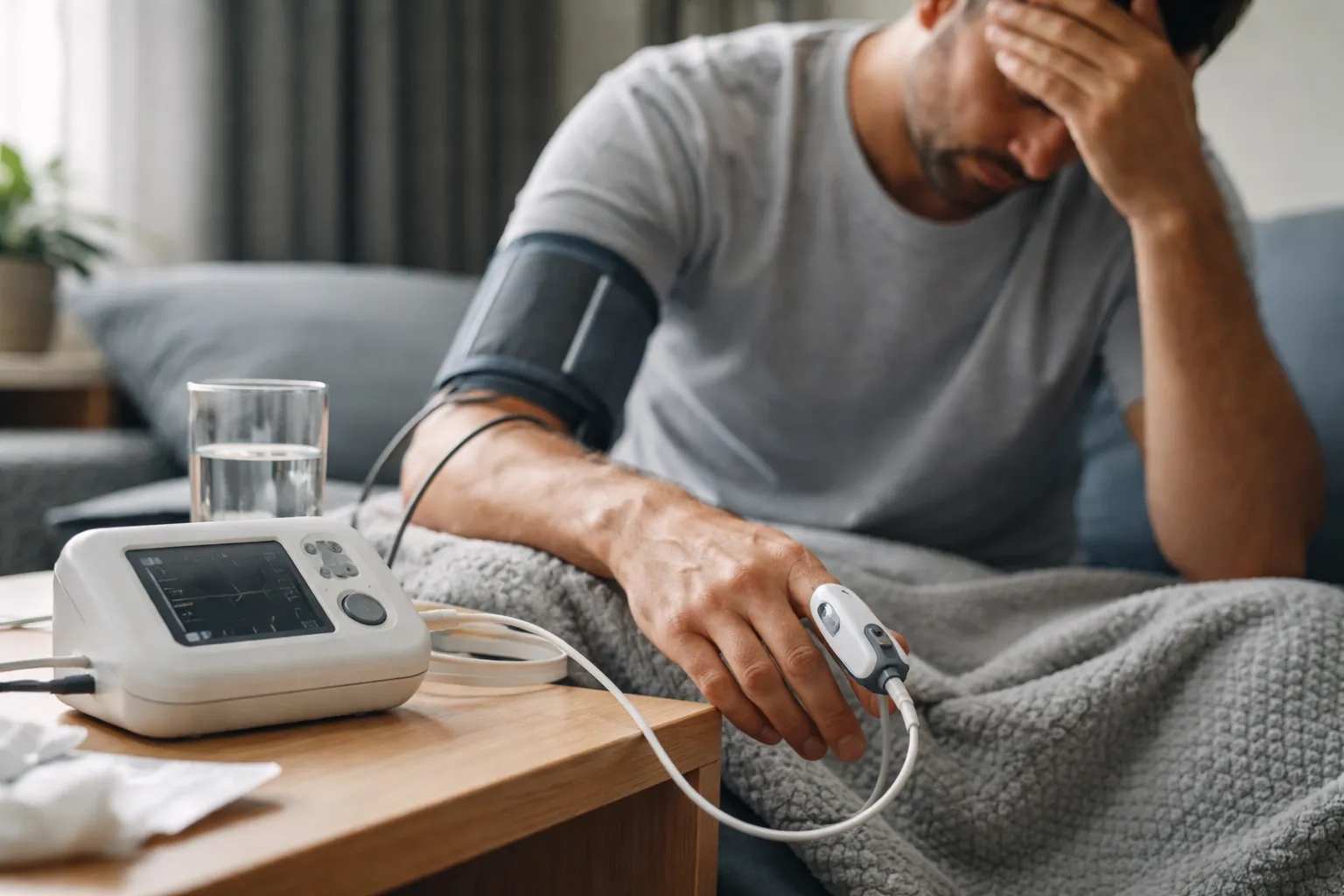
Precipitated withdrawal after buprenorphine happens when buprenorphine, a partial opioid agonist with very high receptor affinity, displaces a full opioid agonist such as heroin, oxycodone, methadone, or fentanyl from mu opioid receptors too quickly. Clinically, a person who felt relatively stable or only mildly uncomfortable can develop a rapid increase in typical withdrawal signs, including severe anxiety, sweating, nausea, vomiting, muscle aches, diarrhea, and craving.
Buprenorphine can relieve withdrawal when given after a patient is already in moderate opioid withdrawal, but if given while a full agonist remains bound at the receptor, withdrawal may be triggered instead. (samhsa.gov)
Why timing matters when starting buprenorphine
Traditional buprenorphine induction aims to start medication when the patient is in clear, objective withdrawal. Clinicians commonly use the Clinical Opiate Withdrawal Scale, COWS, to measure symptoms. Guidance generally recommends waiting until patients have at least mild to moderate withdrawal before giving the first dose to reduce the chance of precipitated withdrawal. (samhsa.gov)
Because some opioids, especially fentanyl, can persist longer in the body and be stored in fatty tissue, standard waiting times after last use that worked well for heroin or short acting prescription opioids may be insufficient for all patients. That means timing the first buprenorphine dose requires clinical assessment and sometimes alternative approaches. (jamanetwork.com)
How clinicians check readiness
- Subjective history about last opioid use and how the patient is feeling.
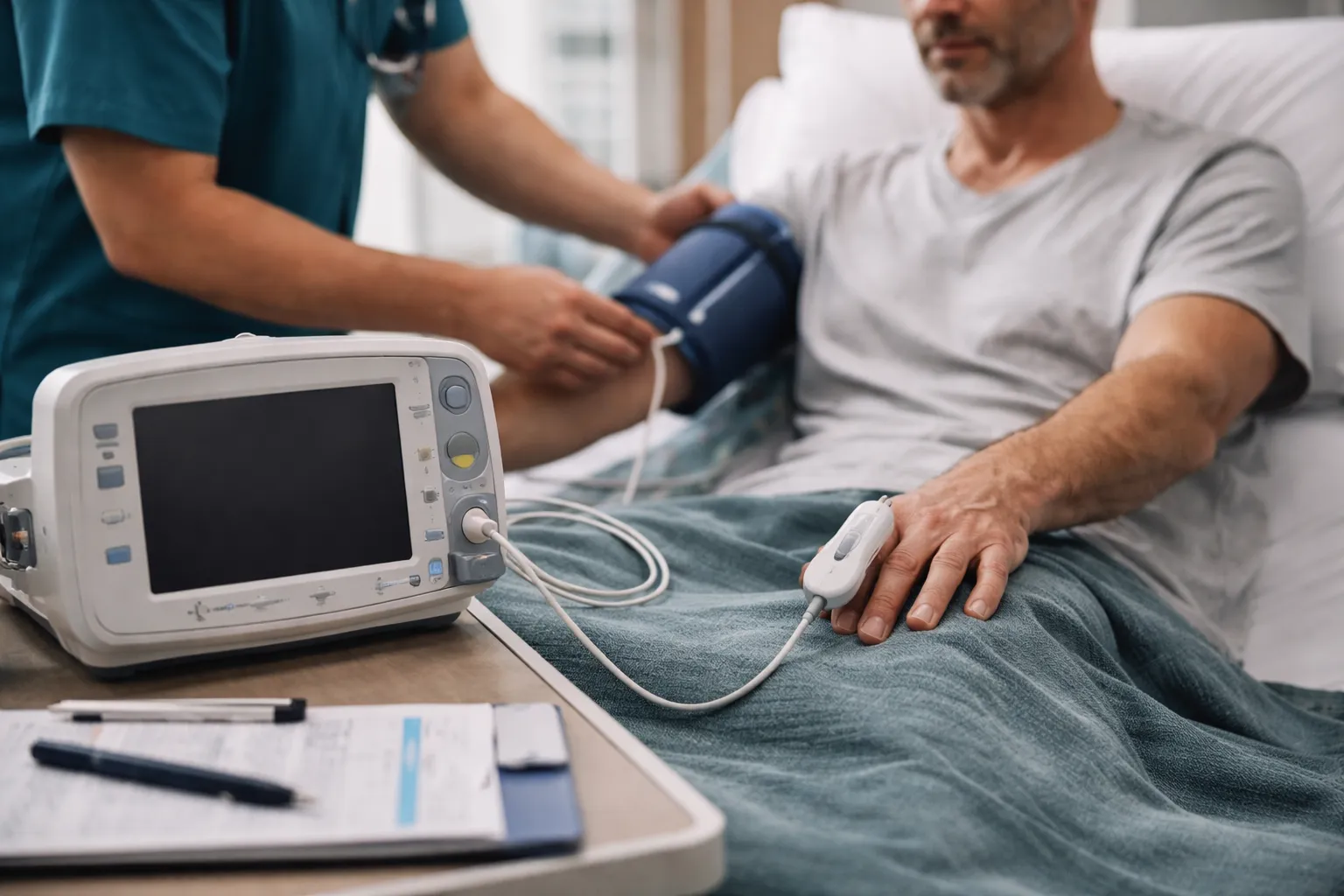
- Objective withdrawal scoring, such as COWS, with documented scores before dosing. (samhsa.gov)
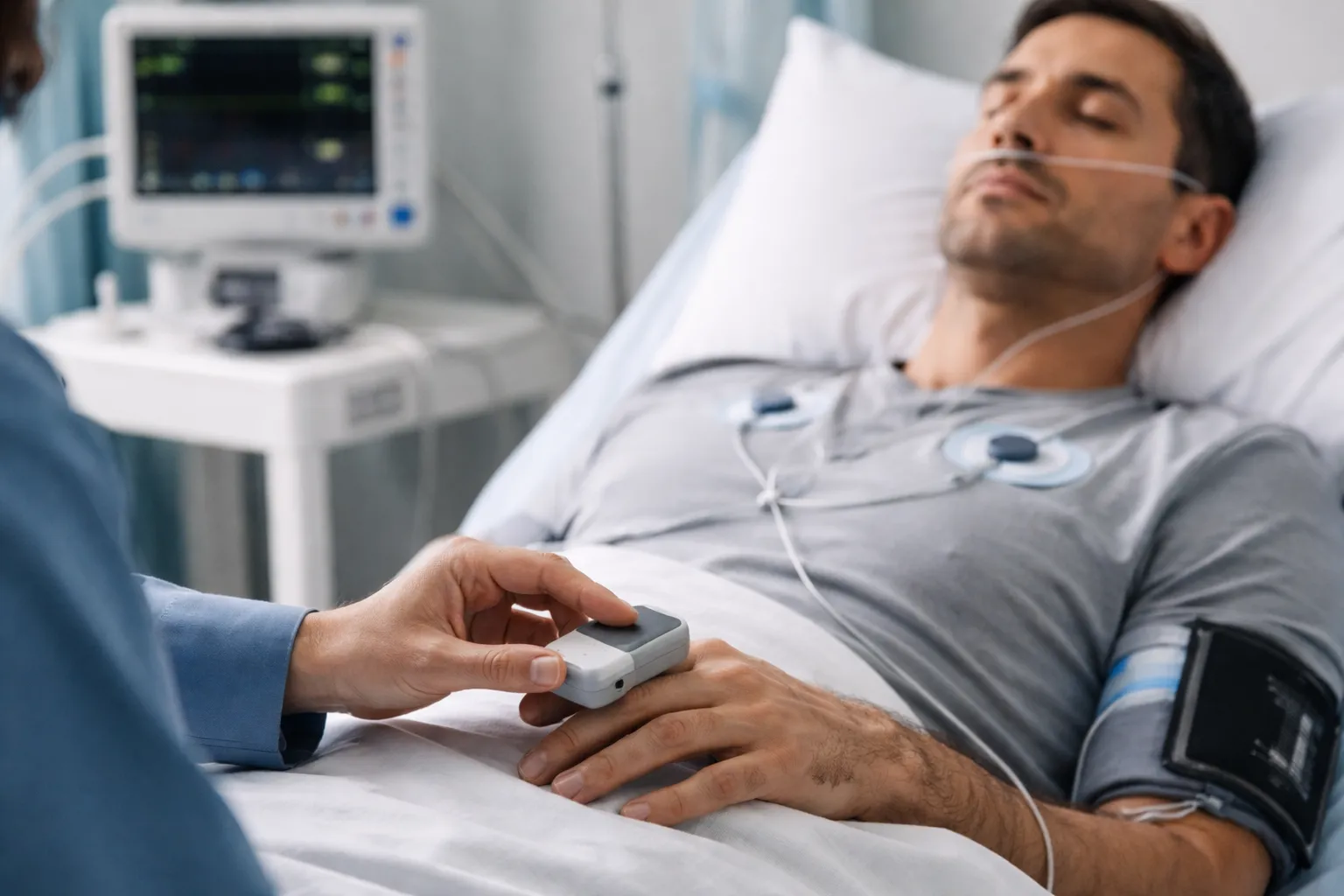
- Observation in clinic or ED for a short period after the first dose to watch for worsening symptoms.
Who is at higher risk for precipitated withdrawal?
Risk factors identified in recent studies and clinical guidance include: chronic fentanyl exposure, recent methadone use or other long-acting opioids, and in some reports higher body mass index. However, the absolute risk varies between studies, and many patients start buprenorphine without complications when clinically assessed and observed. (jamanetwork.com)
To illustrate variation in study findings, a multisite emergency department trial reported a very low incidence of precipitated withdrawal, under 1 percent, while a retrospective hospital cohort in a high-fentanyl area found about 11.5 percent of patients met a predefined definition of precipitated withdrawal after buprenorphine initiation. These discrepancies highlight that clinicians must individualize decisions based on the patient, setting, and local drug supply. (pmc.ncbi.nlm.nih.gov)
Common induction approaches and when they are used
Several induction strategies are used in practice. Below is a concise comparison to help patients and families understand options to discuss with a treating clinician. This is educational only; individual treatment decisions require clinician assessment.
| Method | How it works | Typical setting | Time to transition | Pros | Cons |
|---|---|---|---|---|---|
| Traditional induction | Stop opioids, wait until moderate withdrawal, then give 2 to 4 mg doses and titrate | Outpatient clinic or ED | 1 to 3 days | Fast relief if timing is correct, well established guidance | Risk of precipitated withdrawal if opioids persist in body |
| Low-dose induction, microdosing (Bernese method) | Start very small buprenorphine doses while continuing full agonist, slowly increase buprenorphine | Outpatient or inpatient with close follow-up | 5 to 14 days typical | Can avoid need for moderate withdrawal, useful with fentanyl or methadone exposure | Evidence limited to case series and small studies, takes longer to complete |
| Patch bridging (buprenorphine transdermal) | Apply low dose buprenorphine patch to bridge before converting to transmucosal buprenorphine | Inpatient or outpatient with clinician oversight | 3 to 7 days | May smooth transition with less withdrawal | Off-label for OUD induction, variable insurance coverage |
| Methadone-to-buprenorphine strategies | Specialized protocols: taper and switch, microinduction, or use of slow-release oral morphine | Specialty clinics or hospital settings | Varies, often days to weeks | Tailored for patients on methadone | Complex, requires experienced prescribers |
Clinical guidance recognizes low-dose induction and patch bridging as reasonable alternatives in some cases, particularly where fentanyl exposure is suspected, while noting that evidence quality is limited and clinicians should document rationale and risks. (store.samhsa.gov)
Safety callout and what to do in an emergency
Safety first: if someone becomes very short of breath, loses consciousness, has uncontrolled vomiting, or a life threatening reaction after taking any opioid or medication, call 911 immediately. For mental health or suicide crisis, call or text 988 for the Suicide and Crisis Lifeline in the United States.
If symptoms of withdrawal increase suddenly after buprenorphine, contact your treating clinic or go to the nearest emergency department for evaluation. Clinicians may provide additional buprenorphine doses, supportive medications, fluids, and monitoring as needed in that situation. (pmc.ncbi.nlm.nih.gov)
Frequently asked questions
Can precipitated withdrawal be prevented completely?
Not always. Careful clinical assessment, objective withdrawal scoring, and choosing an induction approach suited to the patient lower the risk. In some patients with fentanyl or long-acting opioid exposure, clinicians may recommend microdosing or monitored inpatient induction to reduce the chance of abrupt withdrawal. (store.samhsa.gov)
How common is precipitated withdrawal?
Estimates vary by setting and study methods. A multisite ED study found a low incidence under 1 percent, while a retrospective hospital cohort in an area with high fentanyl prevalence reported about 11.5 percent using a prespecified clinical definition. Variability reflects differences in definitions, patient populations, and local drug supply. (pmc.ncbi.nlm.nih.gov)
Is microdosing proven to be safer?
Microdosing, also called low-dose induction or the Bernese method, is widely used in practice and reported in case series and small observational studies. Systematic reviews show promising case-level results but emphasize limited high quality evidence and the need for more controlled trials. Discuss benefits and tradeoffs with your clinician. (link.springer.com)
Will the clinic transfer me to methadone if I cannot tolerate buprenorphine?
Treatment plans vary by program and clinical status. Some clinics offer methadone, slow-release oral morphine, or other transition strategies. Your placement and medication decisions should be made with a qualified clinician based on a full assessment. We do not guarantee availability, admission, or coverage.
Sources
- SAMHSA TIP 63: Medications for Opioid Use Disorder. (samhsa.gov)
- SAMHSA Federal Guidelines for Opioid Treatment, Fall 2024. (store.samhsa.gov)
- Incidence of Precipitated Withdrawal During a Multisite ED-Initiated Buprenorphine Trial, JAMA Network Open. (pmc.ncbi.nlm.nih.gov)
- Buprenorphine-Precipitated Withdrawal Among Hospitalized Patients Using Fentanyl, JAMA Network Open. (jamanetwork.com)
- Systematic review of buprenorphine initiation without prerequisite withdrawal, Addiction Science & Clinical Practice. (link.springer.com)
- CDC: Initiating Buprenorphine-based MOUD in the Emergency Department. (cdc.gov)
Next steps and how we can help
If you or a loved one is considering buprenorphine, the next step is a medical assessment to determine the safest induction approach. Placement and medication decisions require evaluation by a qualified clinician who can review your history, perform a COWS assessment, and recommend an observed induction plan. Our treatment pages describe available services and medications for opioid use disorder. Learn about treatments we offer. To find a convenient location, see our locations. For confidential questions or to request an assessment, please contact us.
If you are in immediate danger, call 911. For mental health crisis or suicide risk, call or text 988.
We invite you to request a confidential assessment or speak with our admissions team to discuss induction options and what may be safest for your situation, without pressure.